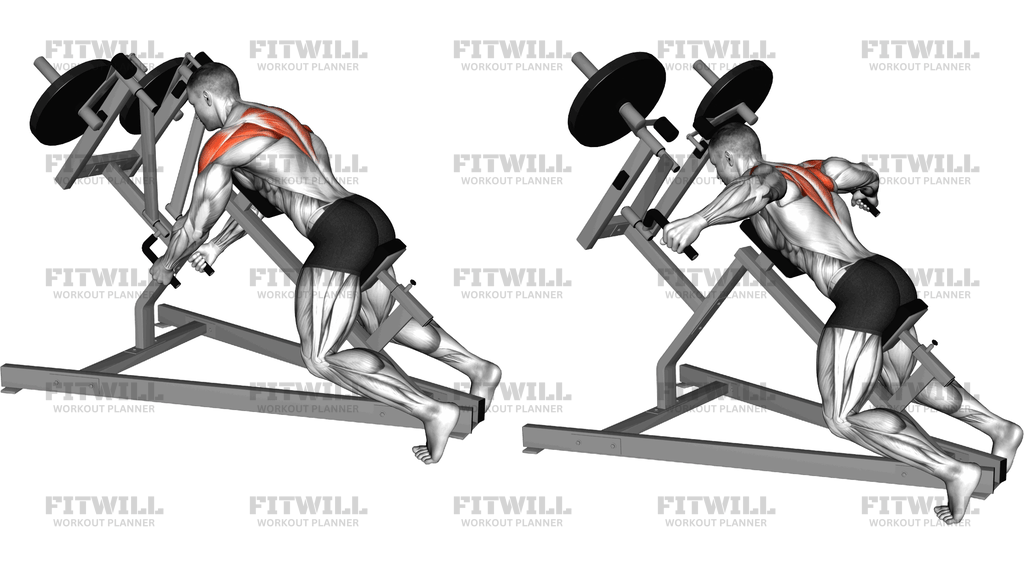
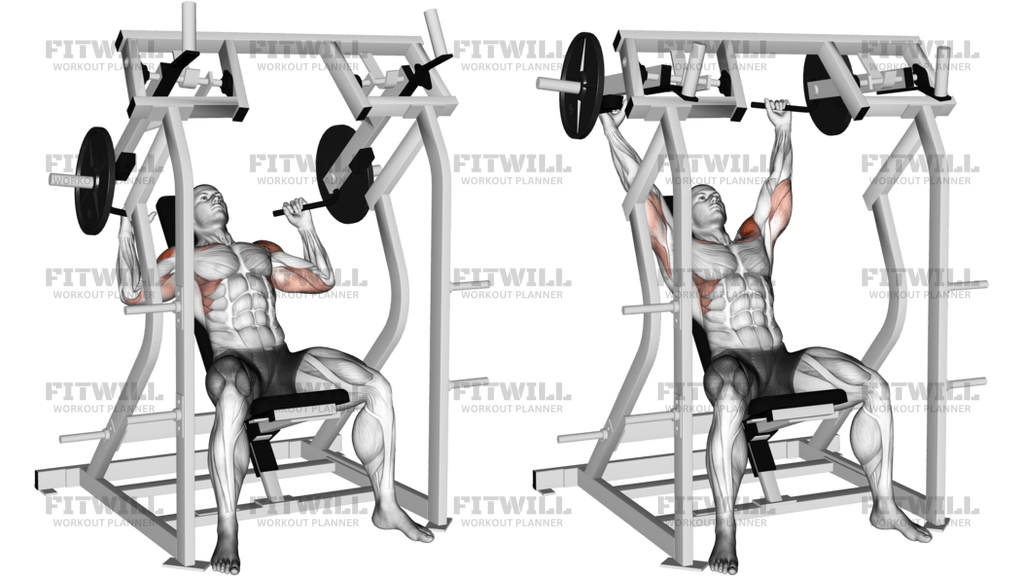
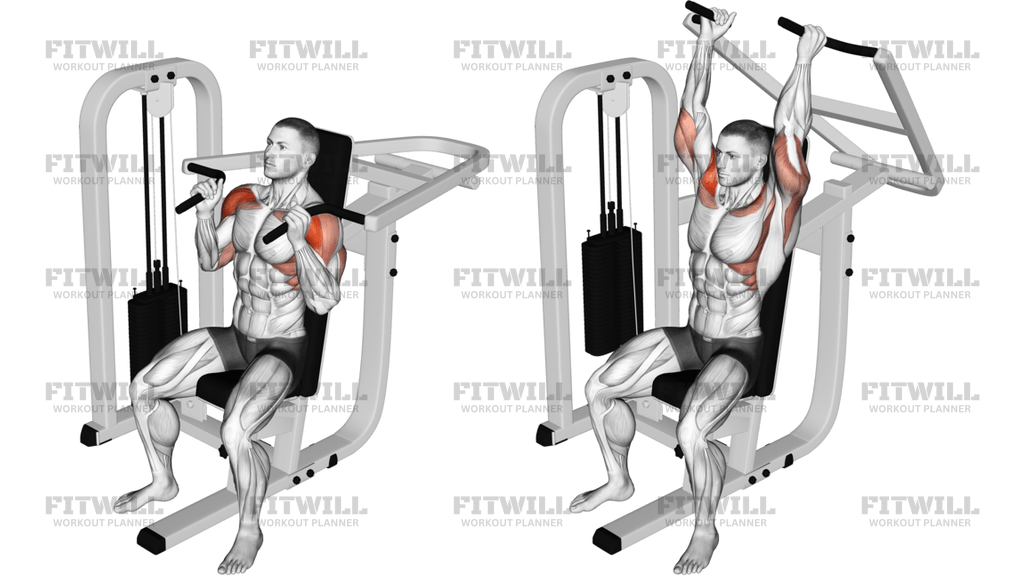
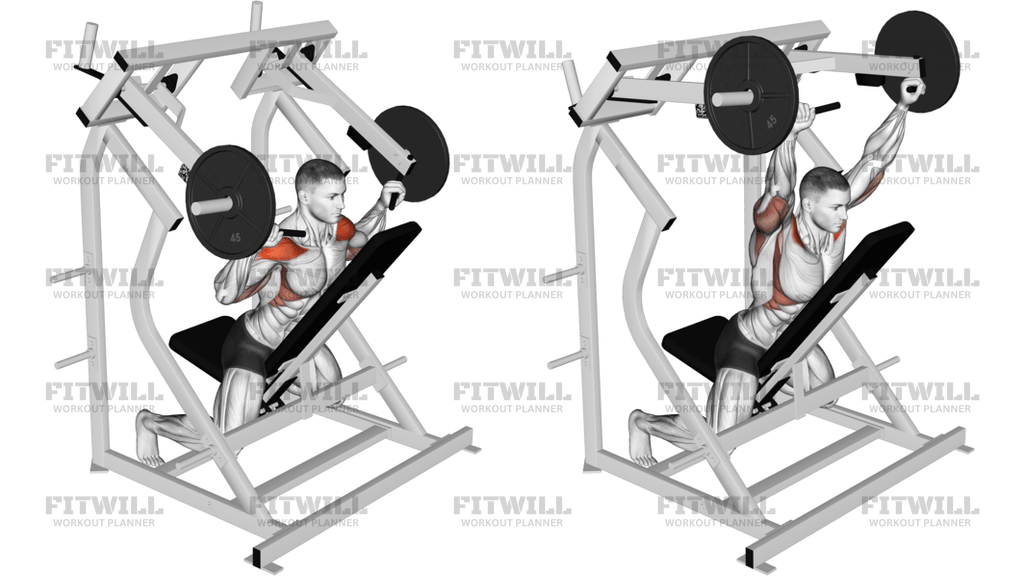
Lever Lateral Raise
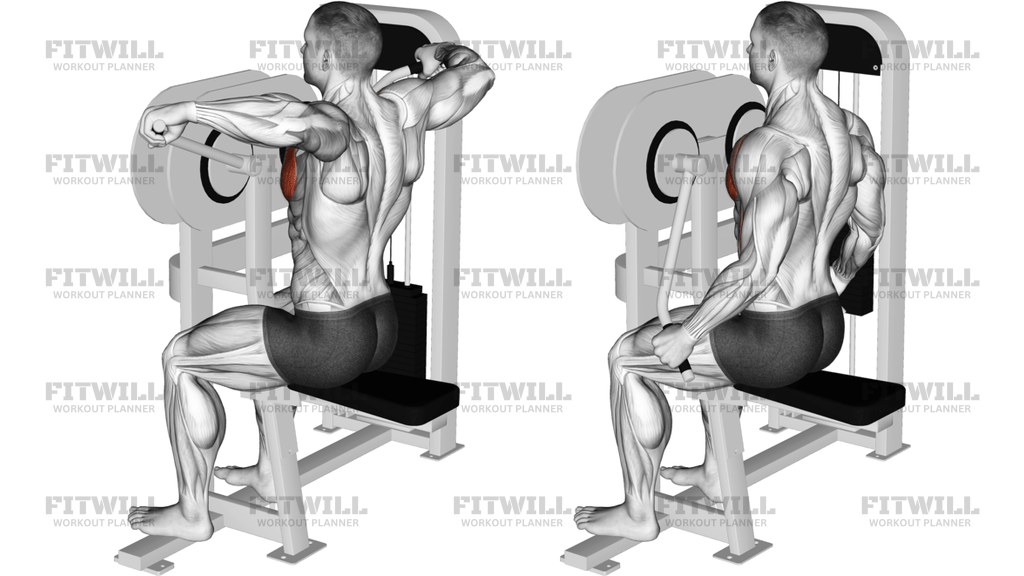
Lever Lateral Raise is a machine-based shoulder isolation exercise that emphasizes the side heads of the delts through a fixed, guided arc. The machine path helps keep the movement honest: instead of swinging dumbbells or turning the set into a full-body heave, you can focus on shoulder abduction, steady tension, and a clean top position. That makes it useful for hypertrophy work, accessory shoulder volume, and controlled isolation when you want the delts to do the bulk of the work.
The setup matters because the machine determines the line of force. Sit so the pads or handles line up with your upper arms, keep your chest tall, and plant both feet before you start. Your torso should stay still while the shoulders move. If the seat is too high or too low, the handles will start in a bad position and the first half of the rep can turn into a shrug or a push instead of a lateral raise.
Each repetition should begin with the arms slightly down and the shoulders relaxed. Drive the elbows and forearms out and up in a wide arc until the upper arms are near shoulder height or just below it. Pause briefly if you can keep the traps quiet, then lower the handles slowly until the pads return to the start without letting the stack drop. Breathe out as you lift and inhale as you return, keeping the ribs stacked over the pelvis.
Use a load that lets you keep constant contact with the machine and avoid jerking through the bottom. The most common errors are shrugging, leaning, shortening the top range by fearfully stopping too early, and letting the wrists bend back while the hands do the work. This is usually a better choice than free-weight laterals when you want more stability and less momentum, but it still rewards strict form and a controlled tempo.
In a balanced program, Lever Lateral Raise fits well after pressing or on an upper-body accessory day when the shoulders are already warm. It is beginner-friendly if the seat is adjusted correctly and the resistance stays conservative, but the benefit comes from repetition quality, not from chasing a huge stack. Keep the motion smooth, keep the path consistent, and stop the set when the shoulders can no longer own the arc cleanly.
[ Workout Log & Planner ]
Put your next workout in Fitwill
Keep your plan and training log ready when you are.


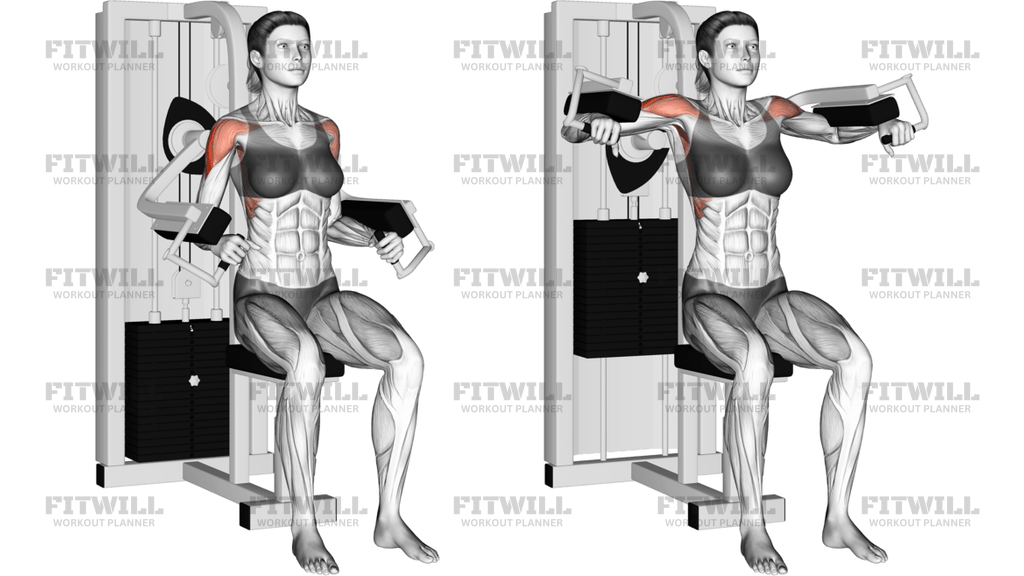
Instructions
- Adjust the seat so the machine pads or handles line up with your upper arms, then sit tall with your back and hips steady on the seat.
- Plant both feet flat, grip the handles, and let your elbows stay slightly bent with your shoulders relaxed at the bottom.
- Brace your torso without leaning back, and set your neck in a long, neutral position before the first rep.
- Lift the handles out and up in a wide arc by driving through the elbows and outer shoulders, not by curling the hands.
- Raise until your upper arms reach about shoulder height or slightly below if that is the cleanest, pain-free top position.
- Pause briefly at the top without shrugging your shoulders toward your ears.
- Lower the handles slowly until the pads return to the start and the delts are loaded again.
- Keep breathing steady: exhale as you raise, inhale as you lower.
- Finish the set if you have to swing, lean, or shorten the path to keep the handles moving.
Tips & Tricks
- Set the seat height first; if the handles start too low, the first part of the rep turns into a shrug.
- Keep your wrists neutral and let the forearms stay connected to the pads instead of turning the movement into a hand press.
- Think about moving the elbows outward, not lifting the hands higher than the elbows.
- Stop just below or at shoulder height if going higher makes the traps take over or the shoulders pinch.
- Use a load that lets you lower the stack quietly instead of letting it crash between reps.
- Keep your ribs down and torso still so the machine isolates the shoulders instead of rewarding momentum.
- A slight elbow bend is fine, but keep it fixed so the triceps do not become the mover.
- If the rear of the shoulder or upper trap dominates, reduce the range and slow the eccentric phase.
Frequently Asked Questions
What muscle does Lever Lateral Raise target most?
The side delts are the main target, with the upper traps and upper back helping stabilize the movement.
Can beginners perform this exercise?
Yes. The guided machine path makes it beginner-friendly as long as the seat is adjusted correctly and the load stays light enough for strict reps.
Where should the handles start before I lift?
They should start just below shoulder level with your elbows slightly bent and your shoulders relaxed, not shrugged.
How high should I raise the pads or handles?
Raise them until your upper arms are about level with your shoulders, or a little below that if it keeps the rep cleaner.
Why do I feel this in my traps more than my delts?
Usually the seat is set too low, the range is too high, or you are shrugging as you lift. Lower the load and keep your shoulders down.
Is this better than dumbbell lateral raises?
Neither is universally better. The machine gives you more stability and consistent resistance, while dumbbells demand more balance and body control.
Should my elbows stay bent the whole time?
Yes, keep a small fixed bend. The bend should stay the same so the shoulders move the machine instead of the elbows straightening and changing the pattern.
What is the biggest mistake to avoid?
Leaning back or swinging the torso to get the handles moving. If you need body English, the resistance is too heavy.