Lever Lateral Raise Plate Loaded
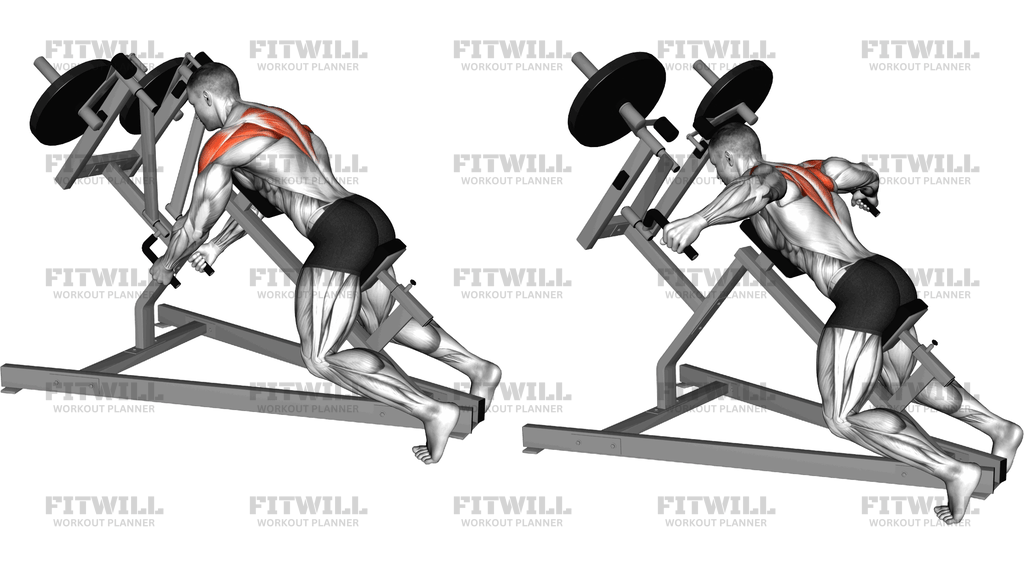
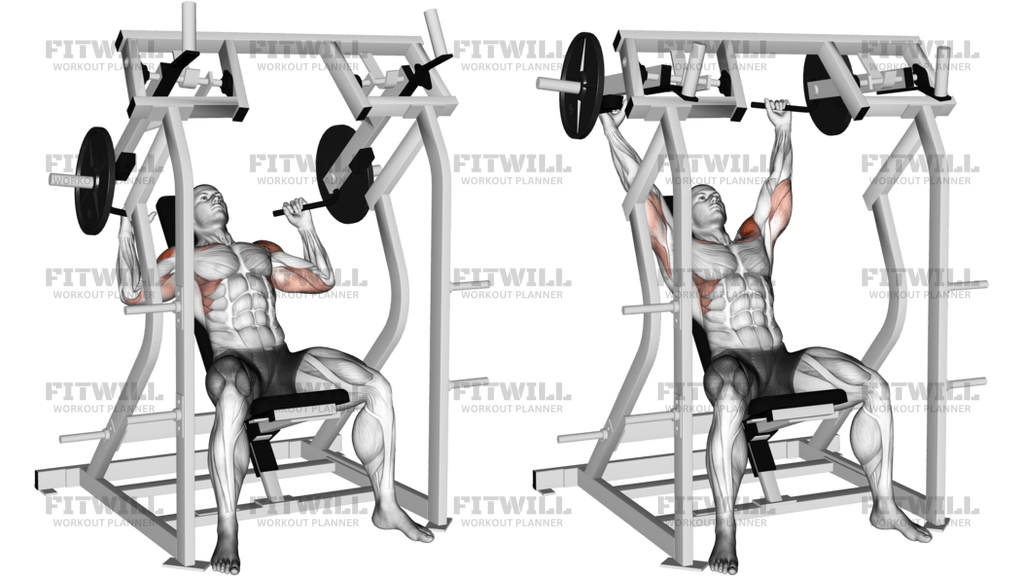
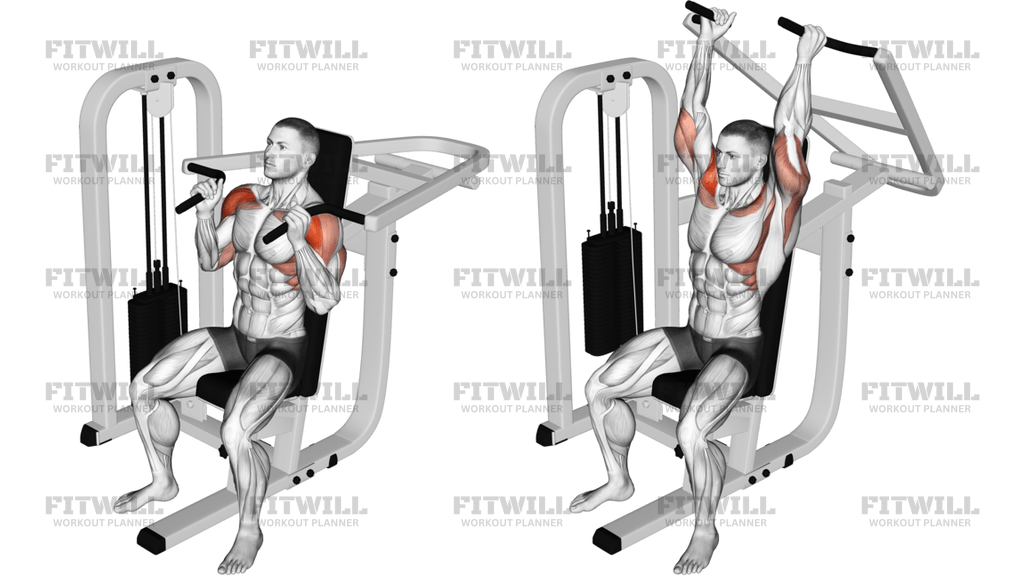
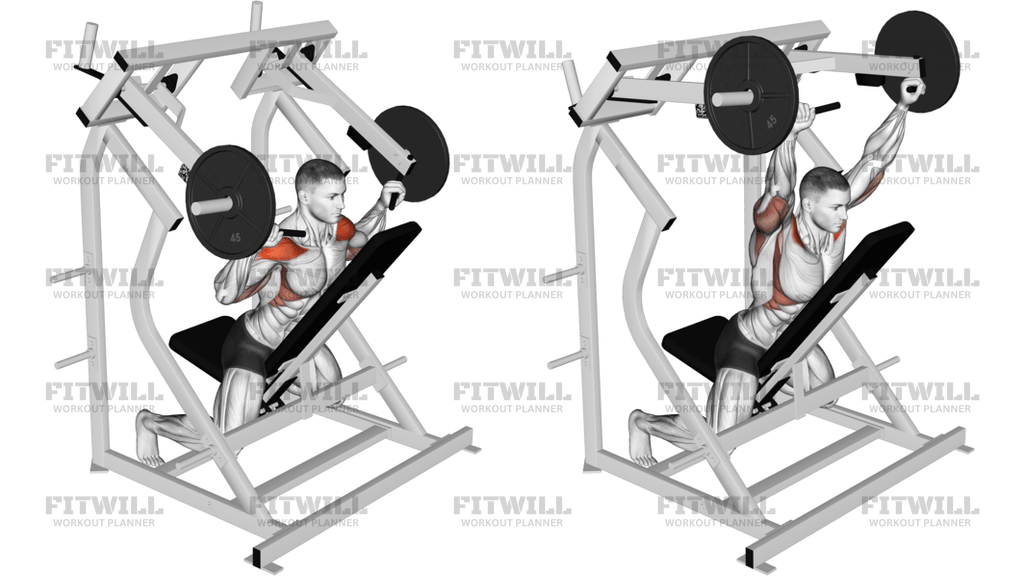
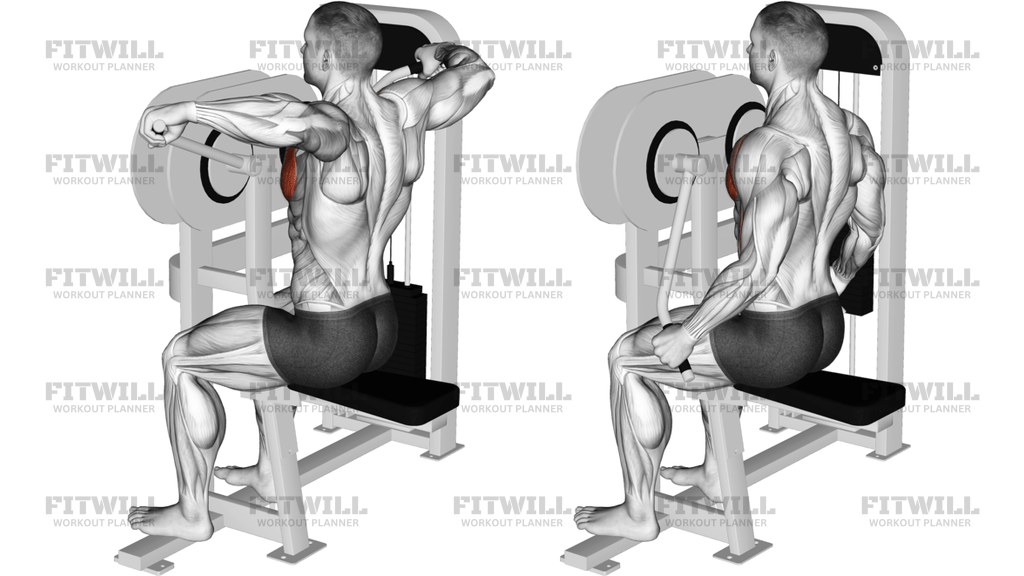
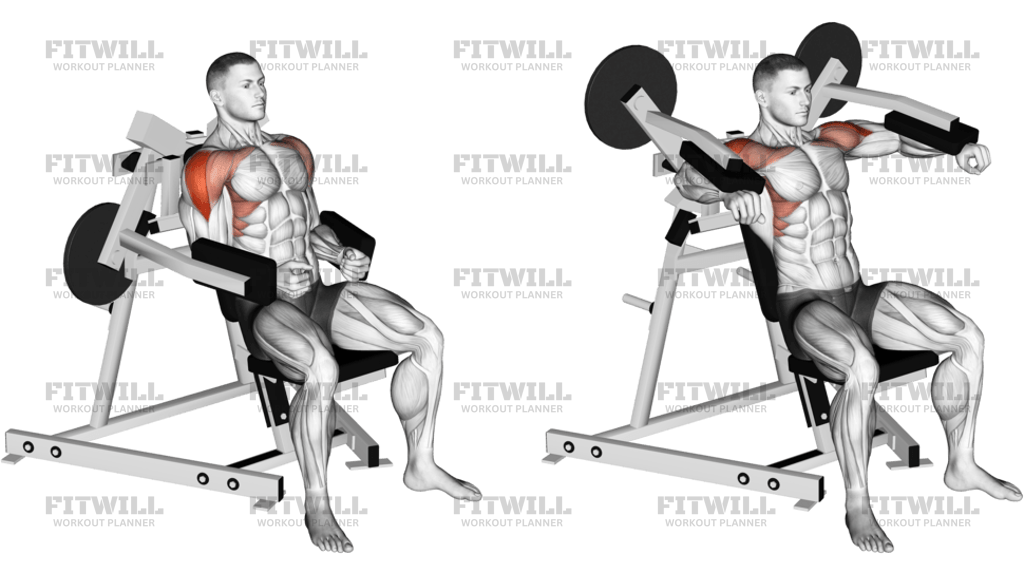
Lever Lateral Raise (Plate Loaded) is a seated machine lateral raise that isolates the side delts with a guided arm path and a fixed resistance curve. The machine lets you load the movement without needing to balance dumbbells, so the quality of the repetition depends mostly on seat height, pad placement, and how cleanly you move through the arc.
The exercise is aimed primarily at the deltoids, especially the middle head that creates shoulder width. The upper traps, rotator cuff, and upper back help stabilize the shoulder girdle, but they should not take over the lift. In a good rep, the shoulders stay down, the torso stays quiet, and the arms travel in a smooth arc until they reach about shoulder height.
Setup matters because the machine only feels natural when your elbows or forearms line up with the lever arms. Sit with your back against the pad, feet flat, and chest tall. Adjust the seat so the pivot matches your shoulder line as closely as possible. If the seat is too high or too low, the machine will pull the shoulders into an awkward path and the side delts will lose tension too early.
Each repetition should start from a controlled stretch, not a dropped weight stack. Brace lightly, keep a soft bend in the elbows, and raise the pads outward until the upper arms are roughly parallel to the floor or just below it. Pause briefly, then lower under control until the machine returns to the start position. Exhale as you lift and inhale as you lower.
This is a useful accessory movement for bodybuilding, shoulder-focused training, and upper-body sessions where you want direct delt work without much technique noise. It is also beginner-friendly because the machine removes a lot of coordination demands, but it still punishes shrugging, swinging, and overloading. Keep the tempo deliberate and stop the set when you can no longer keep the shoulders quiet and the arc smooth.
[ Workout Log & Planner ]
Put your next workout in Fitwill
Keep your plan and training log ready when you are.


Instructions
- Adjust the seat so the machine's pivot lines up with your shoulders and the pads sit against your upper arms or forearms.
- Sit back against the pad with your feet flat, chest lifted, and hands gripping the handles lightly.
- Set your shoulders down and back, then keep a soft bend in the elbows before you start.
- Brace your torso so your ribcage stays still when the levers begin to move.
- Exhale and drive the handles or pads outward in a wide arc until your upper arms reach about shoulder height.
- Keep the elbow angle nearly the same and avoid shrugging or leaning away from the pad.
- Pause briefly at the top while keeping tension on the side delts.
- Inhale and lower the levers slowly until you return to the start without letting the stack slam.
- Reset your shoulders before the next rep and repeat for the planned set.
Tips & Tricks
- Match the seat height to the machine pivot first; that is what makes the side delt stay loaded instead of the traps taking over.
- Keep the shoulders low the whole set. If you feel yourself shrugging at the top, the load is probably too heavy.
- Use a light bend in the elbows and keep that angle mostly fixed so the arms move like one lever.
- Raise only until the upper arms are near shoulder level. Going higher usually turns the rep into a shrug.
- Lower under control for at least as long as the lift; the slow return is where the delts stay under tension.
- Do not bounce the pads off the bottom stop. Start each rep from a dead-calm position.
- Keep the chest against the pad and avoid rocking the torso to finish the rep.
- Choose a load that lets you keep the same arm path on every rep, not just the first few.
- If the front of the shoulder pinches, shorten the range slightly and keep the elbows in line with the machine path.
Frequently Asked Questions
What does the Lever Lateral Raise (Plate Loaded) mainly train?
It mainly targets the side delts, with the upper traps and rotator cuff helping stabilize the movement.
Where should my arms contact the machine?
Set your upper arms or forearms against the pads so the machine can move in a smooth lateral arc without sliding.
Should I lock my elbows on this machine?
No. Keep a small bend in the elbows and hold that angle steady so the delts do the work instead of the joints.
How high should I raise the handles?
Lift until your upper arms are roughly level with your shoulders, then stop before the movement turns into a shrug.
Why do I feel this more in my traps than my shoulders?
That usually means the load is too heavy, the seat height is off, or you are shrugging the shoulders as you lift.
Is this easier than dumbbell lateral raises?
It is usually easier to control because the machine guides the path, but it still requires strict positioning and tempo.
Can beginners use this exercise?
Yes. The machine is beginner-friendly because it removes balance demands, as long as the load stays light enough to control.
What breathing pattern works best here?
Exhale as you raise the levers and inhale as you return to the start under control.