Lying Hip Flexor Stretch
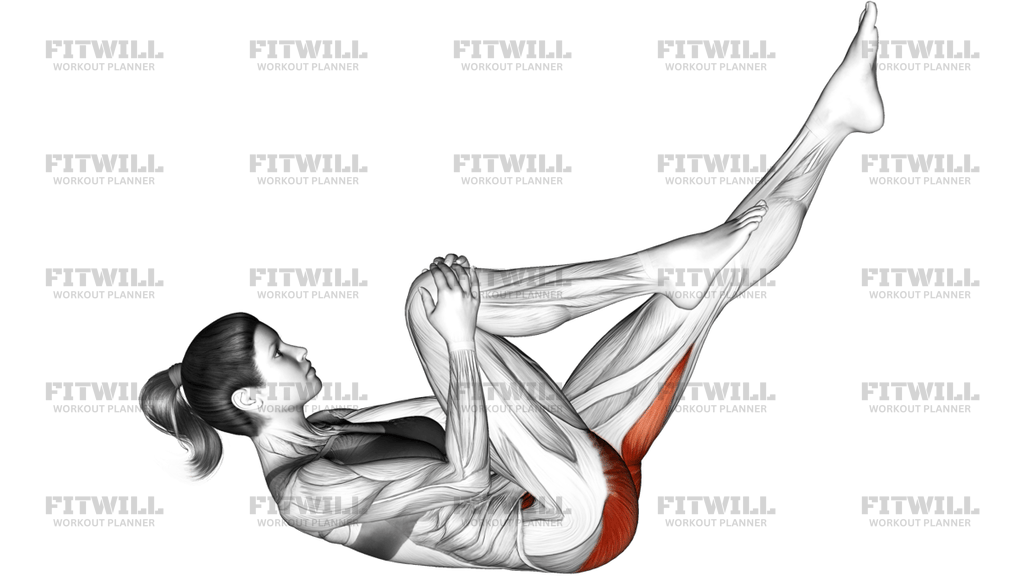
Lying Hip Flexor Stretch is a mat-based mobility exercise used to open the front of the hip without the balance demands of a standing or half-kneeling variation. The floor gives you a stable reference point, which makes it easier to control pelvic position and keep the stretch focused on the hip flexors instead of letting the low back take over. It is especially useful after long periods of sitting, before lower-body training when the hips feel tight, or after running, cycling, and squat-focused sessions.
The stretch works best when the pelvis stays organized. If the low back arches or the ribs flare, the sensation usually shifts away from the front of the hip and becomes harder to control. By lying down and using the mat for support, you can keep the torso quiet, breathe more evenly, and let the hip open gradually. That makes this version a good choice for beginners, anyone who wants a lower-stress stretch, or lifters who need a clean reset between training blocks.
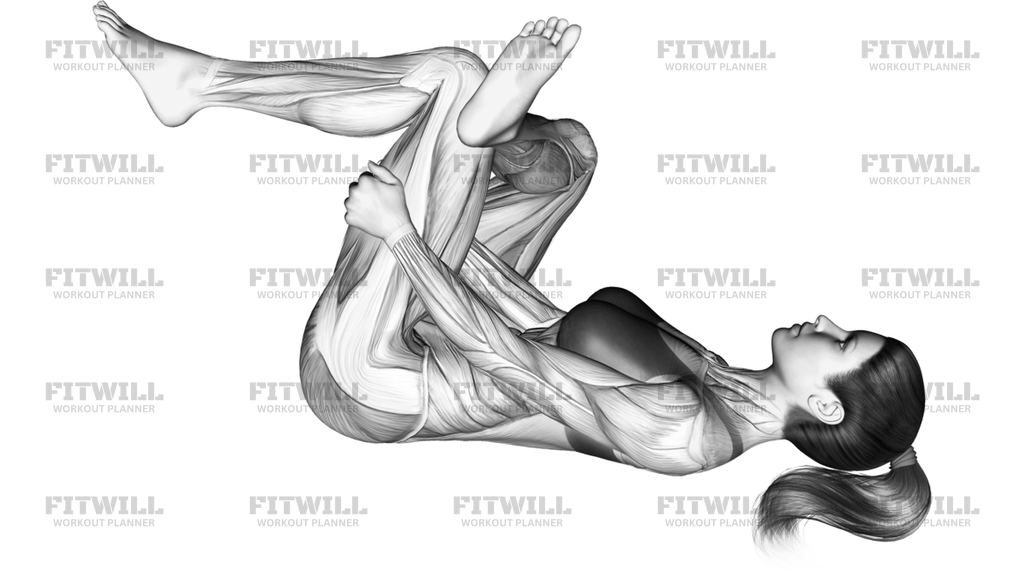
Set up with the body long on the mat, then bring the working leg into the stretch while keeping the opposite side stable. The key is not to yank the leg deeper, but to create length through the front of the hip by gently tucking the pelvis and maintaining a calm upper body. A good rep or hold should feel smooth and controlled, with pressure building in the front of the hip and upper thigh rather than a pinchy sensation in the lumbar spine or groin.
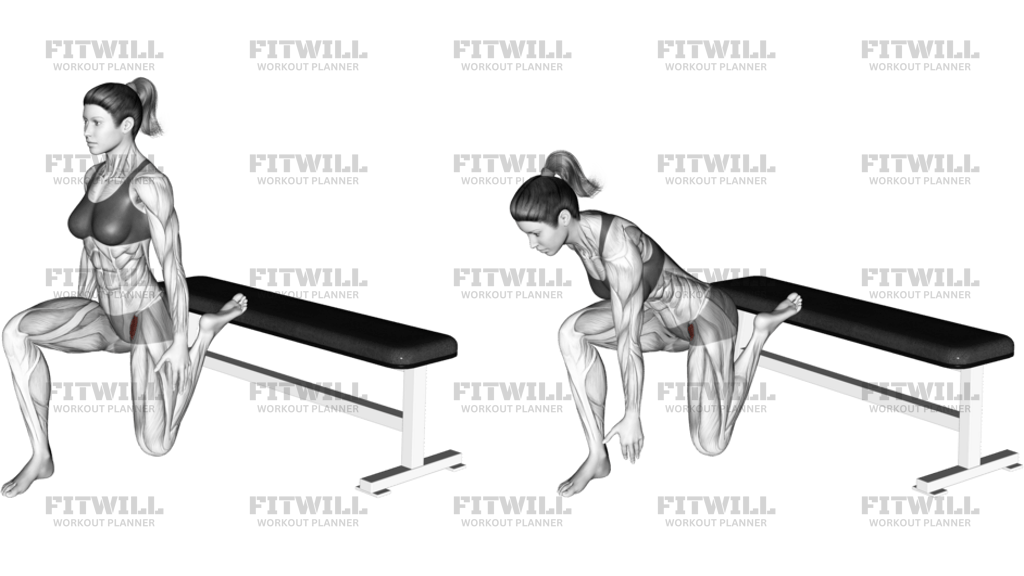
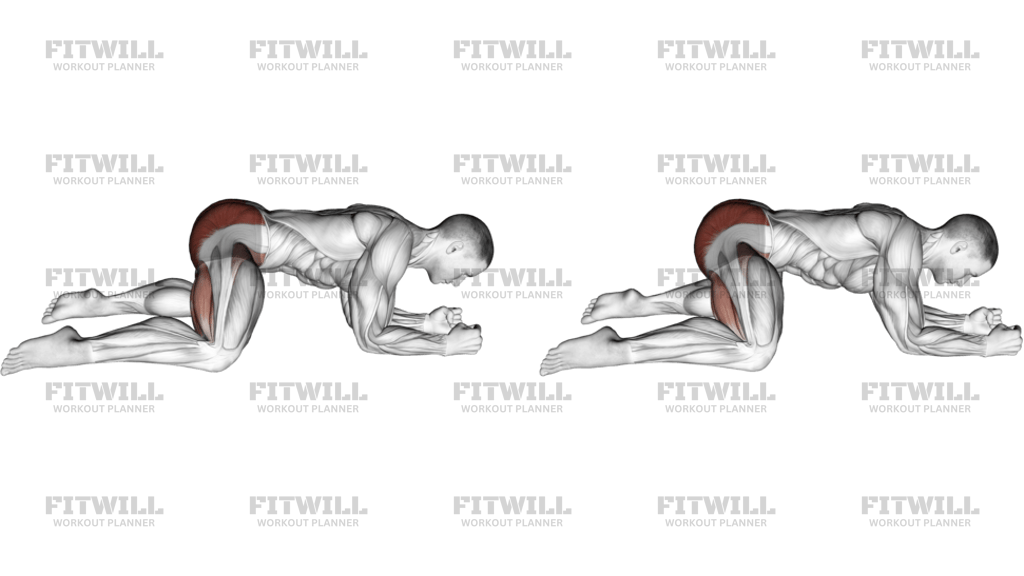
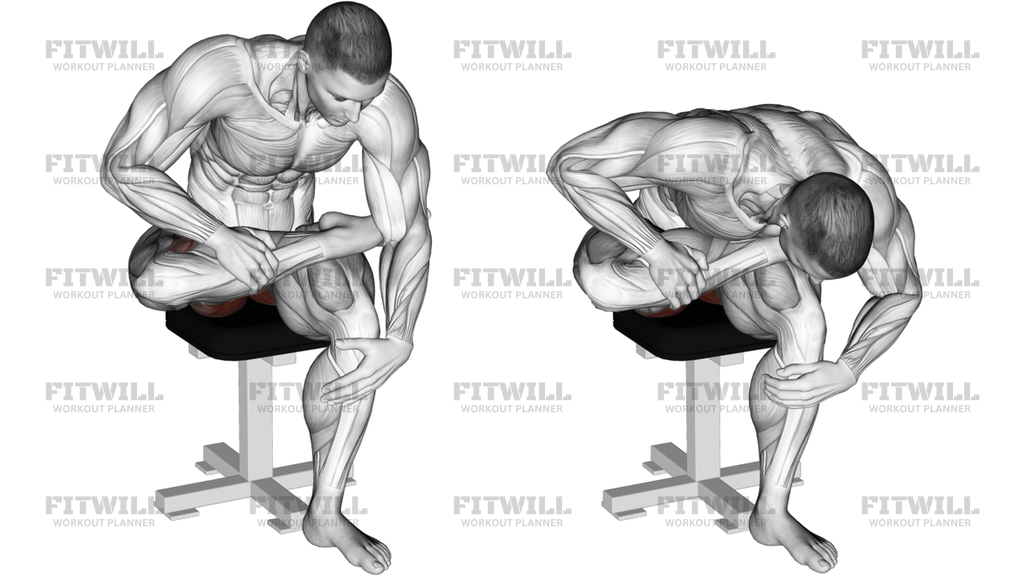
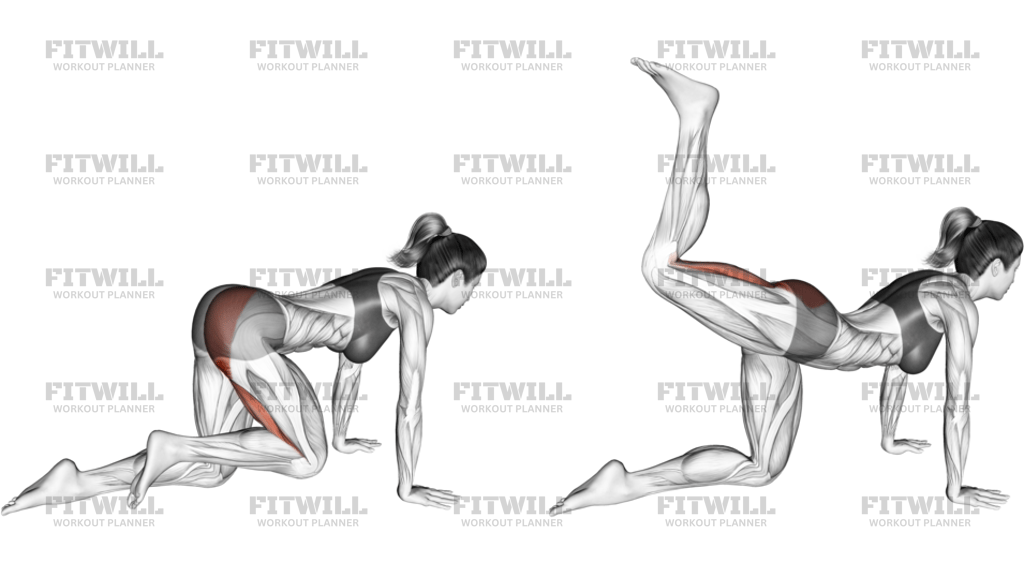
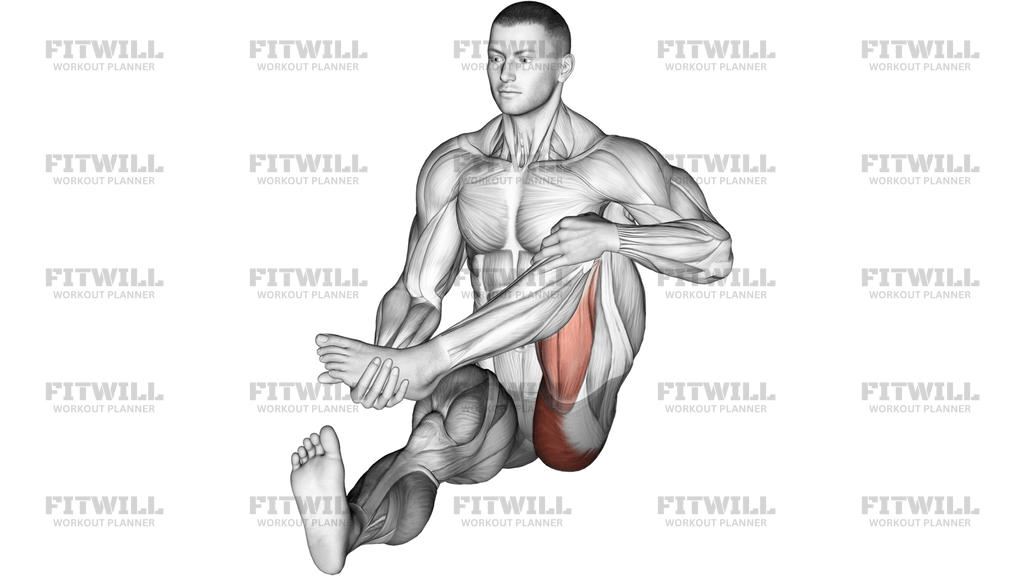
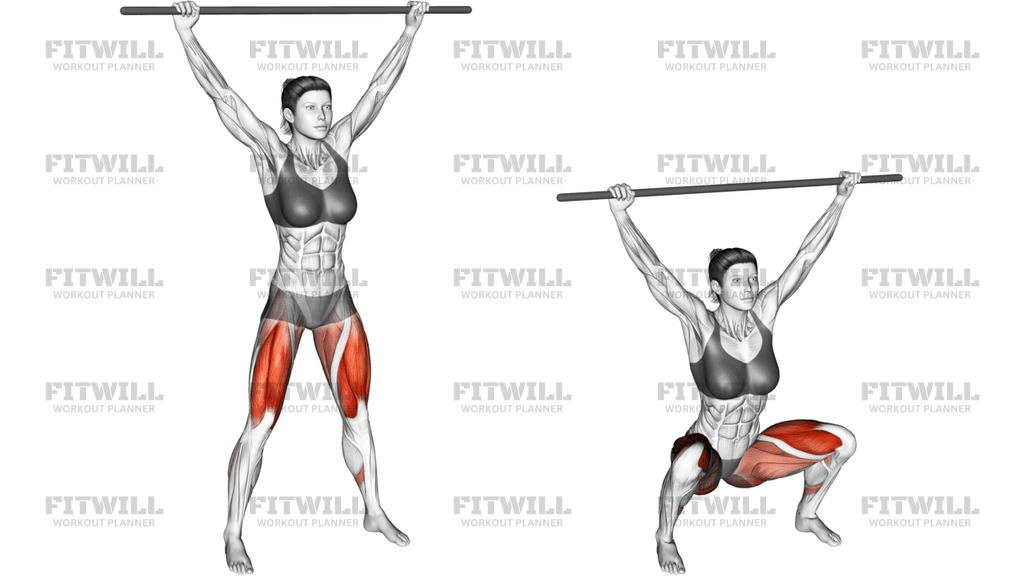
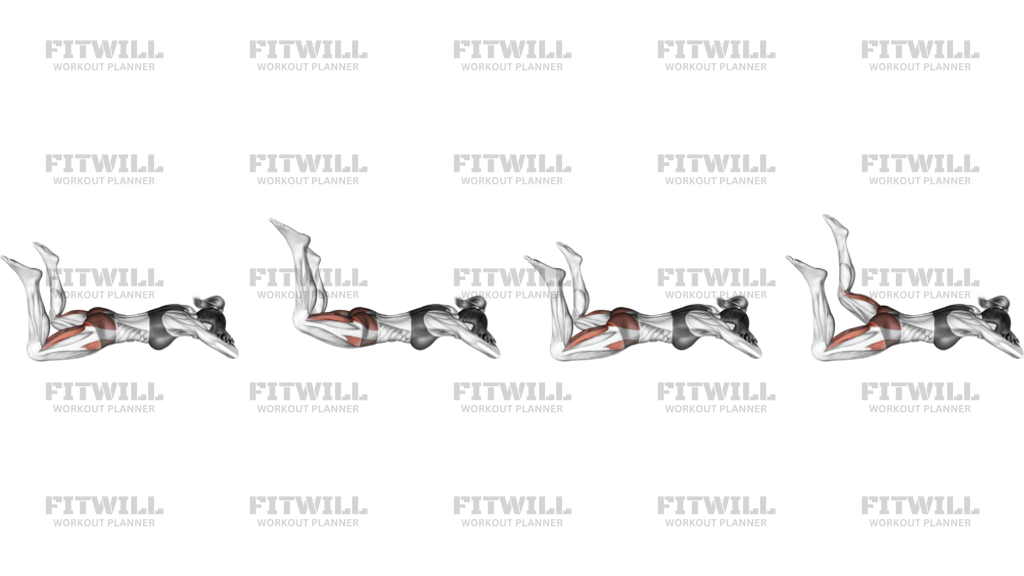
This movement is best used as a controlled hold rather than a rushed repetition. Stay long through the spine, keep the shoulders relaxed, and breathe out as you settle into the range. If you lose the pelvis position, reduce the stretch slightly and rebuild from there. If the image for this payload looks more like a different supine stretch, keep the coaching cues centered on the exercise name here: a lying hip flexor stretch should still emphasize pelvic control, front-of-hip opening, and a slow, pain-free return.
Fitwill
Log Workouts, Track Progress & Build Strength.
Achieve more with Fitwill: explore over 9600 exercises with images and videos, access built-in and custom workouts, perfect for both gym and home sessions, and see real results.
Start your journey. Download today!




Instructions
- Lie on your back on the exercise mat and lengthen both legs so your pelvis can settle before you move.
- Bring the working knee toward your chest with both hands, keeping the opposite leg long and relaxed on the mat.
- Tuck your pelvis slightly so your low back stays heavy instead of arching away from the floor.
- Keep your shoulders down and your neck relaxed while you draw the thigh in just until the front of the hip begins to open.
- Hold that position without pulling hard on the knee or shin.
- Breathe out slowly as you settle deeper into the stretch, then keep the breath smooth and even.
- If the stretch shifts into the low back or groin, ease off a little and re-tuck the pelvis.
- Release the leg with control, reset your spine on the mat, and switch sides before repeating.
Tips & Tricks
- The pelvic tuck is what turns this into a true hip flexor stretch; without it, the low back usually steals the work.
- Pull the thigh in only as far as you can keep the opposite leg long and quiet on the mat.
- Keep the hold smooth and still instead of rocking the knee closer to your chest.
- A slight exhale often helps the front of the hip open more than forcing the range with your arms.
- If your neck tightens, lower your head or use a thin pillow so the upper body stays relaxed.
- You should feel this across the front of the hip and upper thigh, not a pinch in the lumbar spine.
- Do not let the working-side hip roll outward; keep both hip points facing the ceiling as much as possible.
- When the stretch feels too aggressive, shorten the hold and rebuild the position instead of pushing through it.
Frequently Asked Questions
What does the Lying Hip Flexor Stretch target?
It targets the front of the hip, especially the hip flexors and upper-thigh tissues on the working side.
Why do I need to tuck my pelvis during this stretch?
The pelvic tuck keeps the low back from arching and shifts the tension into the front of the hip where it belongs.
How should the setup look on the mat?
Lie flat, keep the non-working leg long and quiet, and draw the working knee in while your torso stays relaxed.
Should I feel this in my low back?
No. If the low back is the main sensation, reduce the range and re-establish the pelvic tuck before continuing.
Can beginners use this stretch?
Yes. The mat support makes it beginner-friendly because you can control the range without balancing.
How long should I hold each side?
A comfortable 20 to 40 second hold is common, but the main rule is to stay smooth and pain-free.
Is this useful after leg day or running?
Yes. It is a good cooldown stretch after squats, lunges, sprinting, cycling, or long periods of sitting.
What is the most common mistake with this stretch?
Most people either yank the knee too hard or let the low back arch, which moves the stretch away from the hip flexors.