Lying Simultaneous Alternating Leg Raise
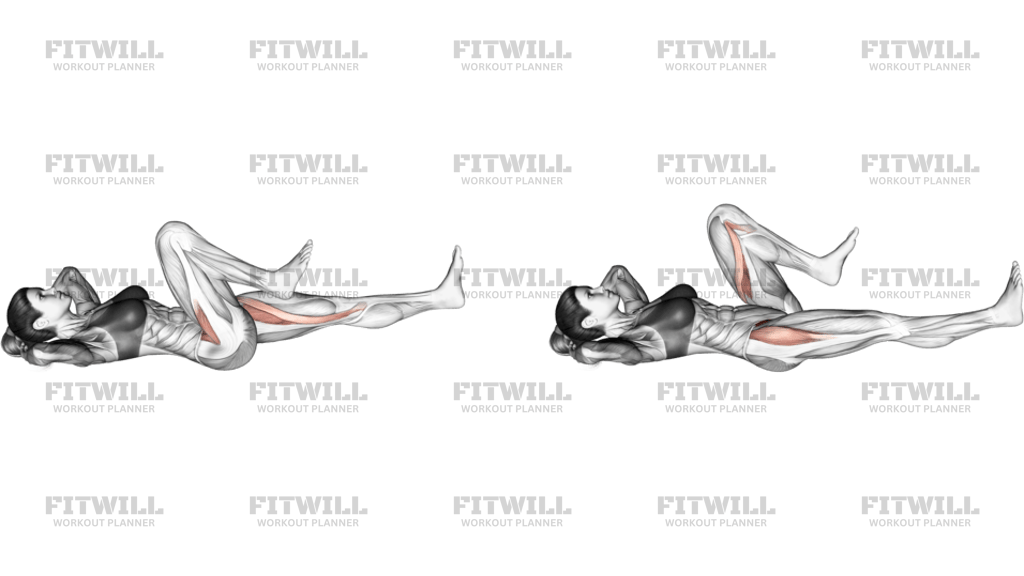
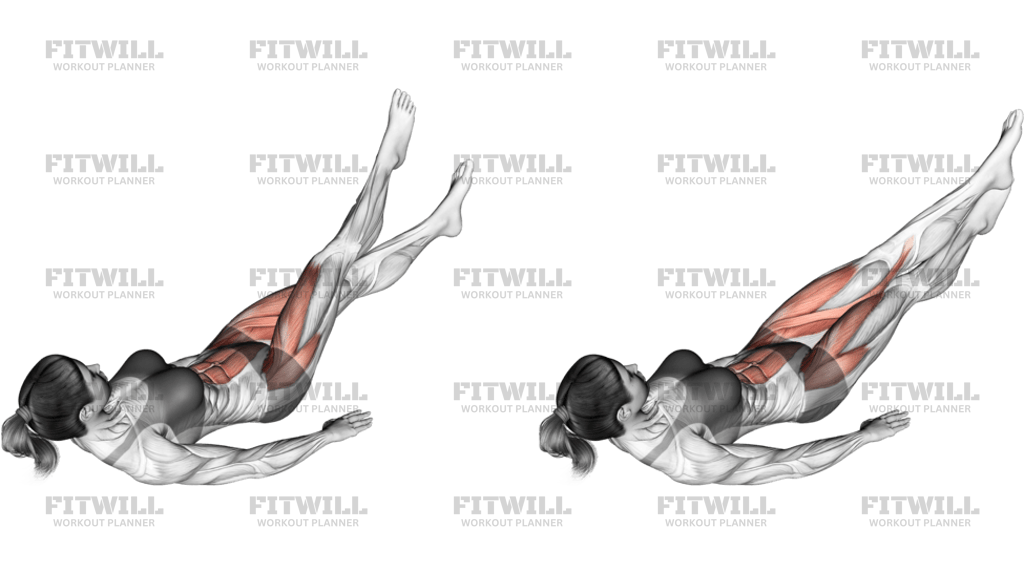
Lying Simultaneous Alternating Leg Raise is a supine floor exercise where one leg lengthens as the other bends, creating a controlled alternating pattern that challenges the lower abs, hip flexors, and pelvic stability. The movement is built around keeping the torso quiet while the legs switch positions, so the quality of each rep depends more on control than on how far you can lower the legs.
The floor gives you immediate feedback. If the ribs flare, the lower back arches, or the pelvis starts rocking, the range is too aggressive or the switch is too fast. The goal is to hold a neutral, braced trunk while one leg reaches out long and the other folds in, then reverse the pattern without bouncing or using momentum.
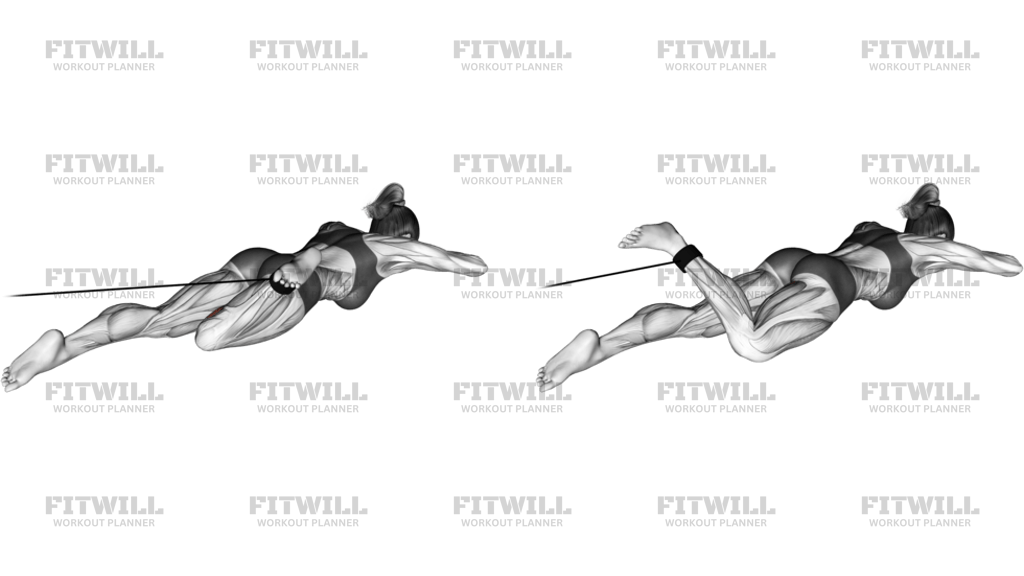
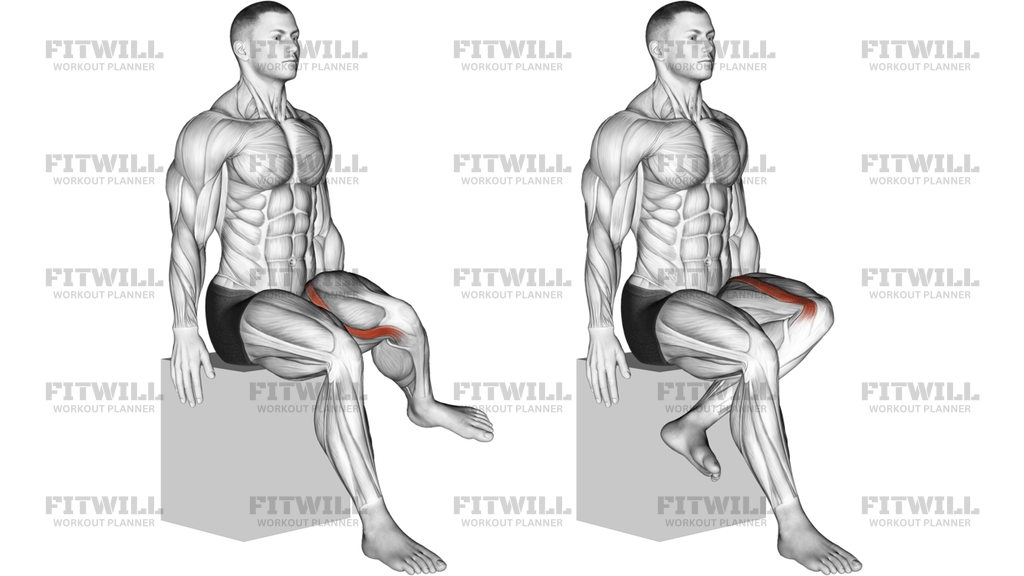
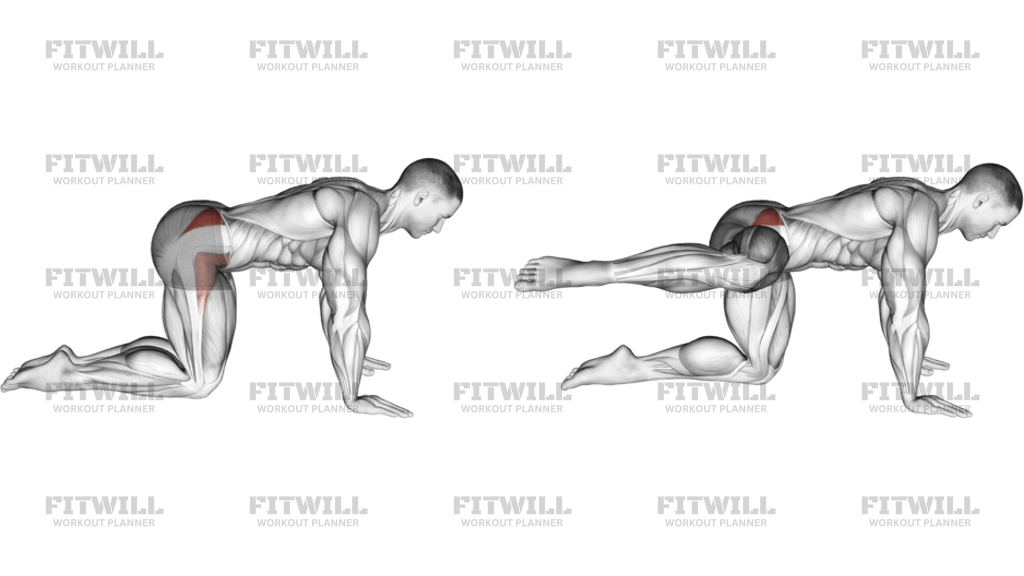
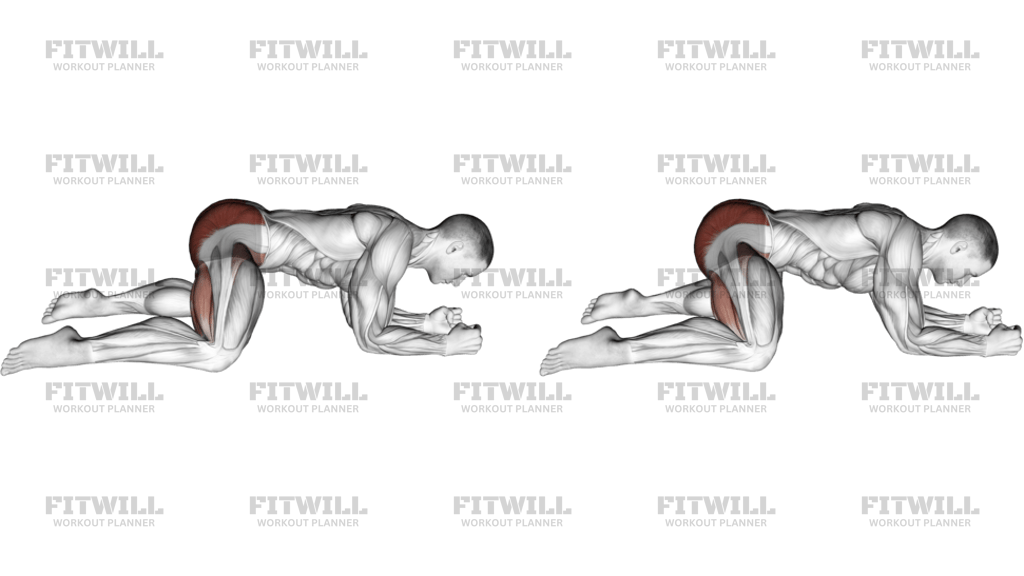
A good setup starts with lying flat on a mat and positioning the legs in the start position shown in the image: one knee bent over the hip and the other leg extended long. Keep the hands lightly supporting the head or resting by your sides, and keep the neck relaxed. Before each rep, tighten the abdomen enough to pin the low back toward the floor so the hips stay organized when the legs move.
This exercise is useful in core sessions, warm-ups, and accessory blocks when you want anterior-core endurance and cleaner pelvic control. It is especially helpful for learning how to move the legs without losing trunk position. The best reps are smooth, quiet, and repeatable, with a controlled switch at the top and a short, deliberate return rather than a rushed cycle.
Use a range that lets you keep the low back in contact with the mat and stop the set when you can no longer control the switch. Beginners can do it by shortening the lever, raising the legs higher, or slowing the tempo. As you improve, make the motion harder by lowering the straight leg a little more, pausing in the extended position, or keeping the alternation perfectly even from side to side.
[ Workout Log & Planner ]
Put your next workout in Fitwill
Keep your plan and training log ready when you are.


Instructions
- Lie on your back on a mat with your lower back gently pressed into the floor and your head relaxed.
- Place your hands lightly behind your head or keep them by your sides if that helps you stay relaxed through the torso.
- Start with one knee bent over the hip and the other leg extended long, hovering above the floor as shown.
- Brace your abdomen before you move so your ribs stay down and your pelvis does not tip forward.
- Extend the bent leg as the straight leg draws in, switching the positions in one smooth motion.
- Keep both legs moving under control instead of snapping them through the switch.
- Lower the extended leg only as far as you can keep the low back in contact with the mat.
- Pause briefly when both legs reach their end positions, then reverse the pattern without bouncing.
- Exhale as the legs switch, inhale on the controlled return, and keep the motion even for the planned reps.
Tips & Tricks
- If your low back arches off the mat, raise both legs a little higher and shorten the range.
- Keep the leg that is extending straight but not locked hard at the knee; a soft knee is easier to control.
- Do not yank the head forward if your hands are behind it; the torso should stay quiet while the legs do the work.
- Slow the switch for a stronger core challenge instead of chasing speed or a bigger range.
- Let the moving leg stop before the other one changes position if the alternation starts to feel sloppy.
- Keep the toes up or slightly pulled back to make the hip position easier to manage.
- Use the floor as feedback: if your pelvis rocks side to side, your lever is too long or your pace is too fast.
- Stop the set when you can no longer keep the ribs down and the leg path symmetrical.
Frequently Asked Questions
What muscles do Lying Simultaneous Alternating Leg Raise reps target most?
The main work is in the lower abdominals and hip flexors, with the obliques and deep core muscles helping keep the pelvis steady.
Can beginners perform this exercise?
Yes. Beginners usually do best with a smaller range of motion and the legs held a little higher so the lower back stays down.
How low should I lower the straight leg?
Only as low as you can keep your low back pressed toward the mat. If the pelvis tips or the ribs flare, the leg is too low.
Where should my hands go during the set?
You can lightly support the head with your hands or keep your arms by your sides. Avoid pulling hard on the neck.
Why do my hip flexors feel this more than my abs?
That usually means the legs are moving too fast or too low. Shorten the range and slow the alternation so the torso stays in control.
What is the biggest form mistake?
Letting the lower back arch off the floor. That turns the movement into a hip-dominant swing instead of a controlled core drill.
Is this the same as a bicycle crunch?
No. This version keeps the torso mostly still while the legs alternate, so it is more of a floor leg-raise and core-stability drill.
How can I make the exercise harder without adding weight?
Lower the straight leg a little more, slow the switch, or add a short pause when the legs are fully extended.