Rocky Pull-Up Pulldown
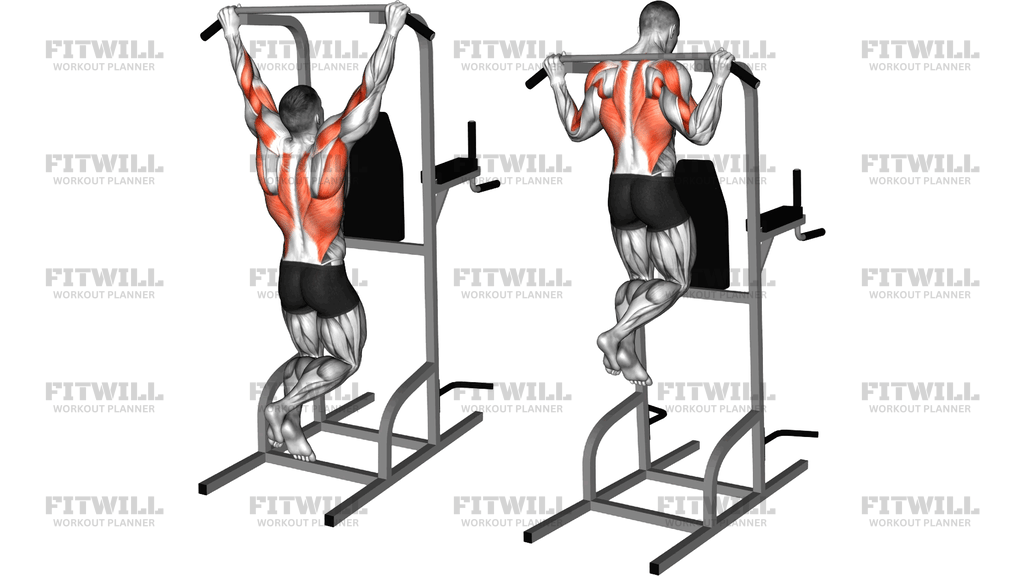
Rocky Pull-Up Pulldown is a bodyweight vertical pulling exercise built around hanging from a fixed bar and drawing your body upward with the lats, upper back, biceps, and grip. It is useful for building real pulling strength, cleaner shoulder control, and better trunk stability while your arms work overhead. The movement also teaches you how to stay organized through the torso instead of relying on momentum.
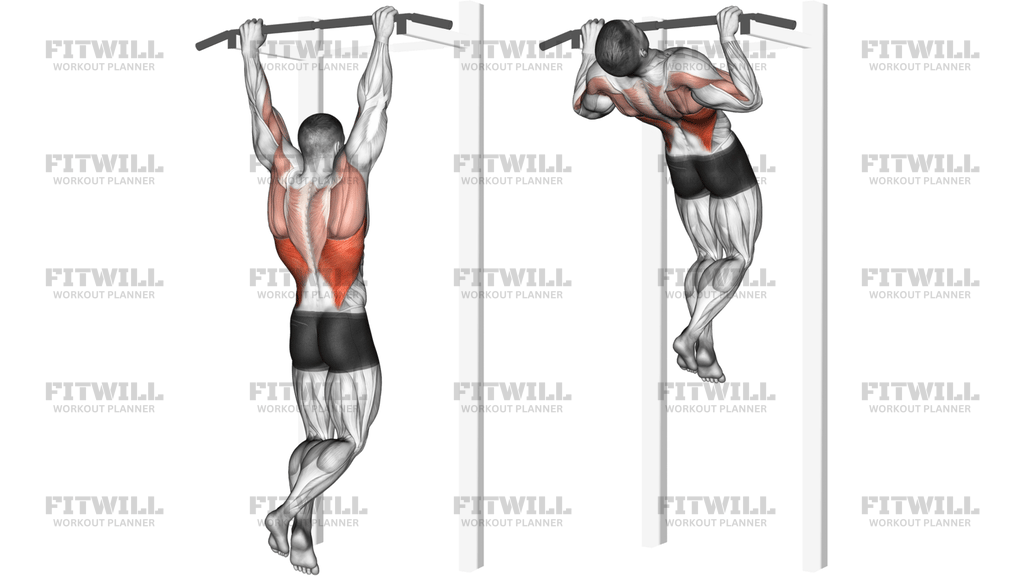
The wide overhand grip shown here shifts the emphasis toward the lats and upper back, while the biceps and forearms help finish the rep. Because your body is unsupported, every small swing or rib flare changes the feel of the exercise and can make the shoulders work harder than they should. A steady hang, packed shoulders, and quiet legs make Rocky Pull-Up Pulldown much more efficient.
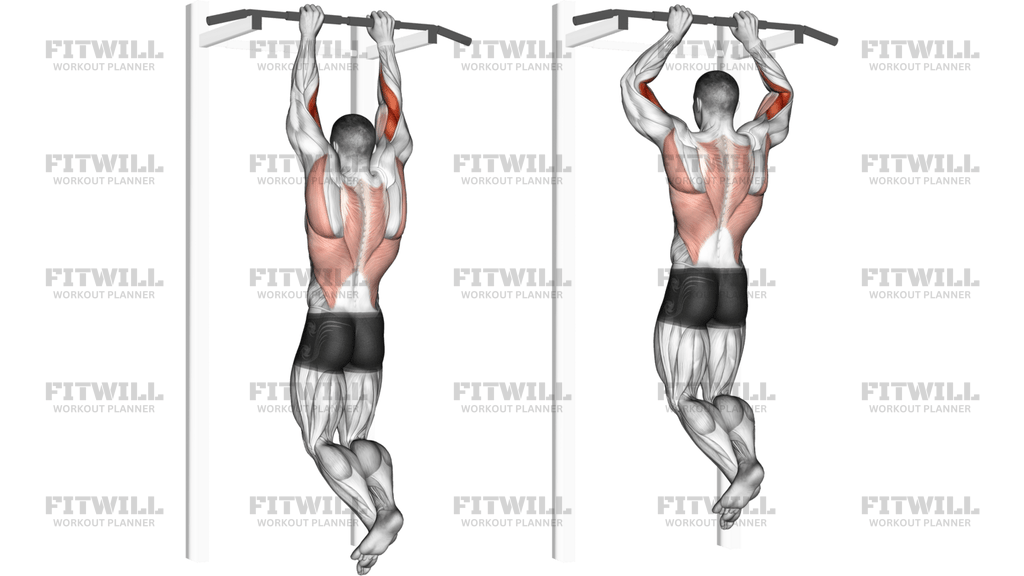
Set yourself under the bar with hands slightly wider than shoulder width, palms facing away, and let the body hang long with the ankles crossed behind you. Before pulling, set the shoulder blades down instead of shrugging toward the ears, then begin each rep by driving the elbows down and slightly back. The chest should rise toward the bar as the elbows travel, not the chin jut forward to finish the rep.
At the top, pause with control rather than bouncing off the bar, then lower under tension until the arms are fully extended and the shoulders still feel active. A controlled descent keeps tension on the lats and gives the shoulders a cleaner path back into the next rep. Breathing should stay deliberate: brace before you pull, exhale as you climb, and inhale as you return to the hang.
Rocky Pull-Up Pulldown works well as a main back movement, a strength accessory, or a progression toward stricter pull-ups when you are ready to own your own bodyweight. It also exposes side-to-side differences quickly, so it is useful when you want honest feedback on grip strength, shoulder position, and torso control. Keep the range pain-free, stop the set when the body starts to swing, and treat each rep as a controlled pull rather than a jump.
Fitwill
Log Workouts, Track Progress & Build Strength.
Achieve more with Fitwill: explore over 9600 exercises with images and videos, access built-in and custom workouts, perfect for both gym and home sessions, and see real results.
Start your journey. Download today!




Instructions
- Grip the pull-up bar with an overhand grip slightly wider than shoulder width and hang with your arms straight.
- Cross your ankles behind you, keep your legs quiet, and let your body hang long under the bar.
- Set your shoulders down away from your ears and brace your ribs before the first pull.
- Start the rep by pulling your elbows down and slightly back while keeping your chest lifted.
- Drive your chest toward the bar instead of jutting your chin forward to chase the finish.
- Squeeze at the top for a brief pause without kicking, swinging, or twisting your torso.
- Lower yourself slowly until your elbows straighten and your shoulders stay active at the bottom.
- Reset your shoulder blades, re-brace, and repeat for the planned number of clean repetitions.
Tips & Tricks
- If your shoulders creep toward your ears, reset the hang and start each rep with the shoulder blades pulled down first.
- Keep the grip only slightly wider than shoulder width; an extreme wide grip usually shortens the range and makes the shoulders crankier.
- Crossing the ankles helps keep the lower body quiet, especially if you tend to swing on the way up.
- Think about driving the elbows toward your back pockets instead of yanking with the hands.
- If your chin clears the bar by throwing your head back, lower the bar target and keep the neck neutral.
- A smooth, two- to three-second lowering phase keeps the lats working and stops you from dropping out of the bottom.
- Stop the set when the ribs flare and the legs start to drift, even if your arms still feel strong.
- Use assistance or a smaller range only if you cannot keep the same bar path and torso position on every rep.
Frequently Asked Questions
What does Rocky Pull-Up Pulldown work most?
The lats are the main target, with the upper back, biceps, and forearms helping to control the pull and the descent.
Is Rocky Pull-Up Pulldown the same as a lat pulldown?
No. Rocky Pull-Up Pulldown is a bodyweight pull from a fixed bar, while a lat pulldown uses a machine and an external load.
Why do the feet cross behind the body in Rocky Pull-Up Pulldown?
Crossing the ankles helps reduce swing and keeps the lower body from turning the rep into a kip.
How wide should my grip be on Rocky Pull-Up Pulldown?
A grip slightly wider than shoulder width is usually enough. Going much wider often cuts the range of motion and makes the shoulders work harder.
Can beginners do Rocky Pull-Up Pulldown?
Yes, but beginners may need band assistance, an assisted pull-up machine, or short sets with perfect control before they own full bodyweight reps.
What is the most common mistake with Rocky Pull-Up Pulldown?
Swinging the legs or shrugging the shoulders at the start of the rep are the most common problems. Both make the pull less strict and shift stress away from the back.
How high should I pull in Rocky Pull-Up Pulldown?
Pull until your chin clears the bar or your upper chest reaches it, as long as you can keep the ribs down and the neck neutral.
How can I make Rocky Pull-Up Pulldown easier?
Use band assistance, an assisted pull-up machine, or fewer reps per set while keeping the same hang position and elbow path.