Seated Lower Back Stretch
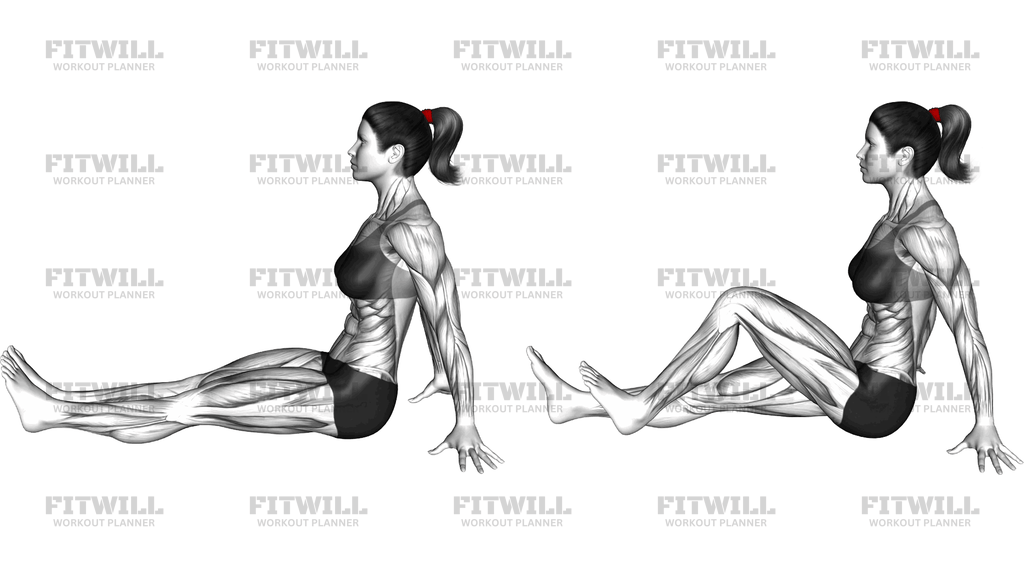
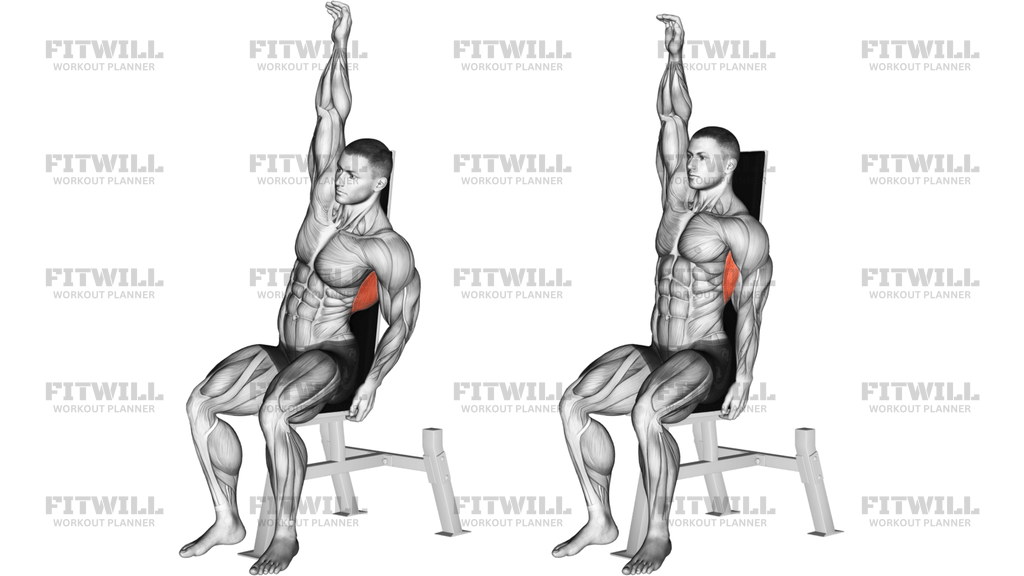
Seated Lower Back Stretch is a seated bodyweight mobility exercise done on a bench or firm seat with one hand anchoring the body and the other arm reaching overhead. The position is simple, but the setup matters because the stretch only lands where you want it when the pelvis stays rooted and the ribcage does not collapse forward. In practice, this movement is used to open the side of the torso, ease tension through the lower back area, and lengthen the lats when they feel tight from pressing, pulling, or overhead work.
Despite the name, the visible action is closer to a seated overhead side bend than a floor-based lower-back drill. The working side is usually the lat and side body, with help from the upper back, shoulders, and arms as they stabilize the reach. That is why the hand position and the angle of the torso matter: if you simply slump, the stretch spreads into the low back without giving you the clean line of tension through the side of the trunk that this exercise is meant to create.
The best version starts tall. Sit with both feet planted, one hand gripping the bench or seat beside the hip, and the opposite arm reaching straight up so the elbow stays long and the shoulder stays stacked. From there, gently lean away from the anchored side and let the ribs travel up and over instead of dropping the chest forward. Keep the movement smooth and unforced, and breathe into the stretched side as you settle into the end position.
Use a short pause at the bottom to let the tissue lengthen, then come back to center slowly before switching sides. The stretch should feel broad along the side of the torso, not sharp in the spine or pinchy in the shoulder. If the shoulder starts to shrug or the torso twists, reduce the reach and side bend so the stretch stays organized and repeatable.
This exercise fits well in warm-ups, cool-downs, or recovery sessions after rows, pull-downs, pull-ups, overhead pressing, or any workout that leaves the lats and lower back feeling compressed. It is also useful after long periods of sitting, especially when the ribcage and pelvis feel stacked too rigidly. Keep the range comfortable, make each repetition deliberate, and treat the seated position as an anchor that lets the upper body open without losing control.
[ Workout Log & Planner ]
Put your next workout in Fitwill
Keep your plan and training log ready when you are.


Instructions
- Sit upright on a bench or firm seat with both feet flat and one hand gripping the edge beside your hip for support.
- Plant the anchored-side hip and keep your torso tall before you start the reach.
- Reach the opposite arm straight overhead with the elbow locked out and the palm facing inward or forward.
- Keep the ribs stacked over the pelvis as you set your shoulder away from your ear.
- Lean your torso away from the anchored hand until you feel a stretch along the side of the trunk and into the lat.
- Keep the reaching arm long and avoid bending the elbow as you side bend.
- Breathe slowly into the stretched side and hold the end position without bouncing.
- Come back to center under control, release the grip, and repeat on the other side.
Tips & Tricks
- Keep the sitting bones heavy on the bench so the side bend comes from the ribcage, not from sliding off the seat.
- If the shoulder shrugs toward the ear, shorten the overhead reach and reset the shoulder blade down before leaning again.
- A small lean usually hits the lat better than a big collapse forward, especially when the lower back feels tight already.
- Grip the bench firmly with the anchored hand so the torso has something stable to pull away from.
- Let the inhale expand the stretched side, then exhale slowly as you settle a little deeper into the same angle.
- Keep the elbow straight on the reaching arm; bending it turns the stretch into more of a shoulder movement.
- If the stretch feels pinchy in the low back, reduce the side bend and keep the chest taller.
- Switch sides before fatigue starts to twist the torso, because rotation will shift the stretch away from the target line.
Frequently Asked Questions
What muscles does Seated Lower Back Stretch target most?
It mainly stretches the lats and the side of the torso, with the upper back and shoulder helping stabilize the reach.
Do I need a special bench for Seated Lower Back Stretch?
No. Any stable bench, box, or firm seat works as long as one hand can hold the edge and keep your pelvis planted.
Should the reaching arm bend during Seated Lower Back Stretch?
No. Keep the arm long overhead so the stretch stays through the lat and side body instead of turning into a bent-elbow shoulder position.
What is the most common mistake with Seated Lower Back Stretch?
Most people collapse forward or twist instead of side bending cleanly, which moves the stretch away from the side of the torso.
Can beginners do Seated Lower Back Stretch comfortably?
Yes. Beginners usually do best with a short side bend, a tall chest, and a light hold instead of forcing a deep reach.
Why does Seated Lower Back Stretch feel like a lat stretch?
Because the overhead reach and side bend lengthen the lat line very effectively, even though the exercise is often labeled as a lower-back stretch.
How long should I hold each side of Seated Lower Back Stretch?
A short, steady hold of about 15 to 30 seconds is usually enough to let the side body open without losing position.
What should I feel if I do Seated Lower Back Stretch correctly?
You should feel a broad stretch along the anchored side from the ribs into the hip and armpit area, not a sharp pinch in the spine.