Side Hip On Parallel Bars
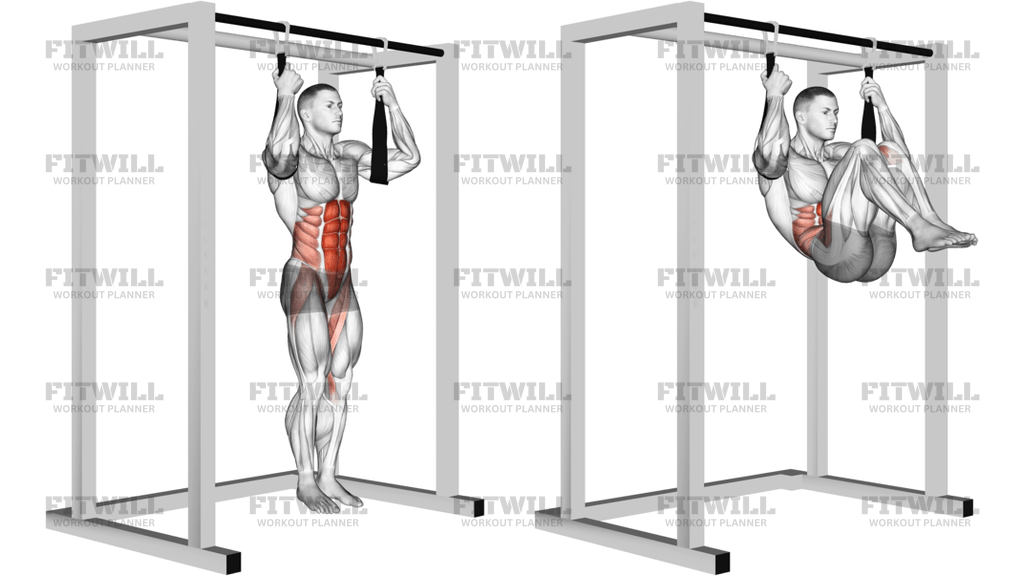
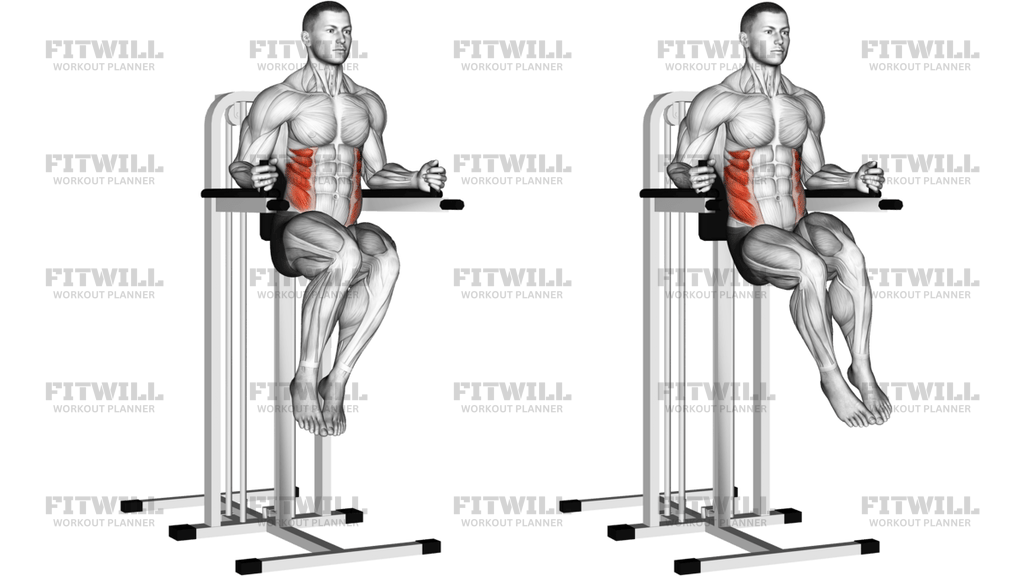
Side Hip On Parallel Bars is a body-weight oblique exercise performed on a supported parallel-bar or captain's-chair station. You anchor your upper body on the pads and move the pelvis and knees to one side, which makes it a useful way to train the waist without standing, twisting, or loading the spine with an external weight. The exercise looks simple, but the setup determines whether the rep feels controlled or turns into a swing.
The main target is the external obliques, with the rectus abdominis, transversus abdominis, and hip flexors helping control the lift and the return. Because the movement is supported, it can be a good option for athletes or lifters who want focused trunk work without having to balance a free load. It also teaches the ribs and pelvis to stay organized while the lower body moves side to side.
Start by fixing your forearms or upper arms into the pads and holding the handles lightly enough to stay stable but not so tightly that your shoulders tense up. Keep the chest tall, ribs stacked over the pelvis, and the legs together with a slight knee bend if that helps you stay smooth. If the station rocks, your shoulders shrug, or your hips drift before the first rep, reset before you start.
From that stable base, exhale and pull both knees and hips toward one side in a smooth arc. The goal is to shorten the waist on the working side, not to fling the legs across the frame or lean heavily through the shoulders. Pause briefly at the top, then lower under control until you return to center with the torso and hips still quiet.
Side Hip On Parallel Bars fits well as accessory core work, an oblique-focused finisher, or a warm-up drill when you want better side-to-side trunk control. Use a range you can repeat cleanly instead of chasing a bigger swing, and stop the set if the low back takes over or the shoulders start to feel jammed. Done well, the exercise builds controlled lateral core strength and teaches you to move the lower body without losing position through the midsection.
[ Workout Log & Planner ]
Put your next workout in Fitwill
Keep your plan and training log ready when you are.


Instructions
- Set your forearms or upper arms on the parallel-bar pads and hold the handles lightly so the station feels stable before you move.
- Lift your feet clear of the floor, bring the legs together, and keep a small bend in the knees if that helps you control the swing.
- Stack your ribs over your pelvis, keep the chest tall, and let the shoulders stay down instead of shrugging into the pads.
- Brace your abdomen, then exhale as you draw both knees and hips toward one side in a smooth side arc.
- Keep the torso mostly still while the waist on the working side shortens and the lower body travels sideways.
- Pause for a moment at the top of the side raise without bouncing off the pads or kicking through the hips.
- Lower the legs back to center under control until you are back in the starting position with no sway.
- Reset your breathing, re-stack the torso, and repeat for the planned reps on the same side or alternate sides if programmed.
Tips & Tricks
- Keep your forearms or upper arms pinned into the pads so the shoulders do not do the work for the obliques.
- A slight bend in the knees usually makes the side path easier to control than straight, locked legs.
- Lift only as far as you can without the pelvis swinging or the lower back arching off position.
- Think about shortening the waist on the working side instead of simply lifting the knees higher.
- Exhale as the knees travel to the side; a short breath hold often makes the torso wobble on this station.
- If the handles feel like they are pulling you forward, lighten your grip and keep the chest tall over the pads.
- Use a slower lowering phase than lifting phase so the obliques stay loaded instead of letting gravity drop the legs.
- Stop the set when the legs start drifting in front of you or the shoulders begin to shrug up into your ears.
Frequently Asked Questions
What muscles does Side Hip On Parallel Bars work most?
The main work comes from the obliques, especially the external obliques, with help from the abs and hip flexors to control the leg and hip path.
Is Side Hip On Parallel Bars a beginner-friendly core exercise?
Yes, if you can keep your shoulders steady on the pads and move the legs without swinging. Beginners should use a small range and focus on a clean side arc first.
Do my knees need to stay bent on the parallel bars?
A slight bend is usually easier to control and keeps the lever shorter. Straight legs make the side raise harder and will expose any loss of control faster.
Should I lift both knees to one side or alternate sides?
Either works, but pick one style and stay consistent for the set. Alternating sides can be useful for balance, while doing one side at a time makes it easier to feel the working oblique.
How high should the legs move on this station?
Raise them only until the working side of the waist clearly shortens and the pelvis stays controlled. If the hips swing or the shoulders rise, the range is too big.
What are the most common mistakes on Side Hip On Parallel Bars?
The biggest errors are gripping too hard, shrugging into the pads, and throwing the legs sideways with momentum. Keep the torso stacked and let the waist drive the movement.
How is this different from a hanging knee raise?
A hanging knee raise is mainly a straight up-and-down abdominal drill, while Side Hip On Parallel Bars shifts the knees and hips to one side to bias the obliques more strongly.
Can I add weight to Side Hip On Parallel Bars?
Body weight is usually enough, and adding load only makes sense once you can repeat the side path without any sway. If you do progress it, keep the same clean arc and avoid turning it into a swing.