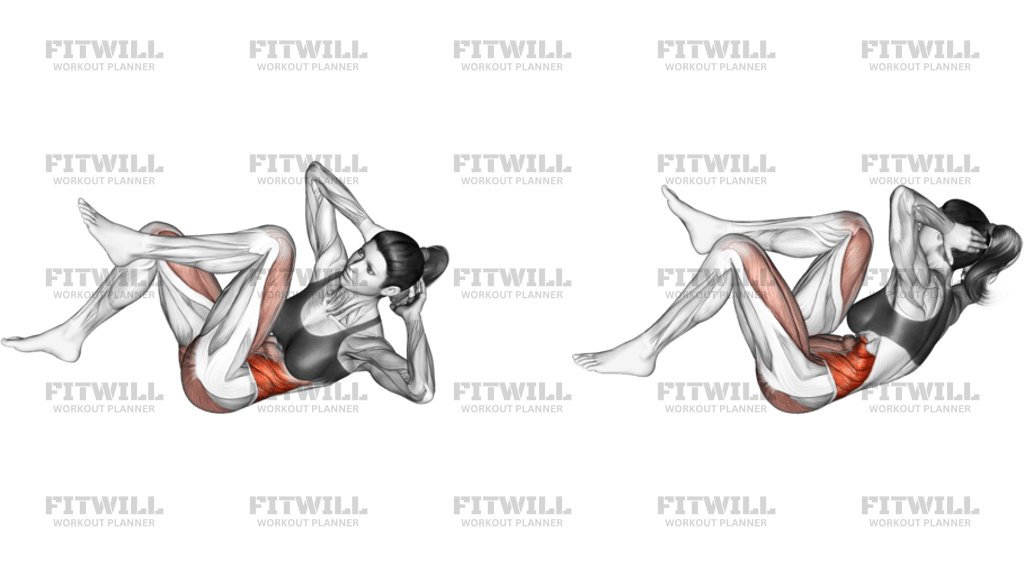
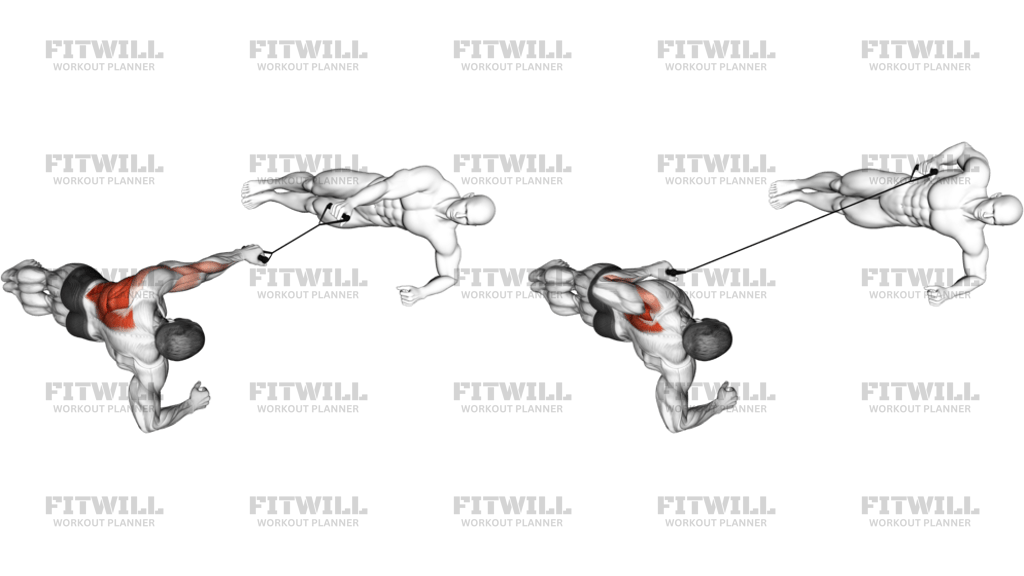
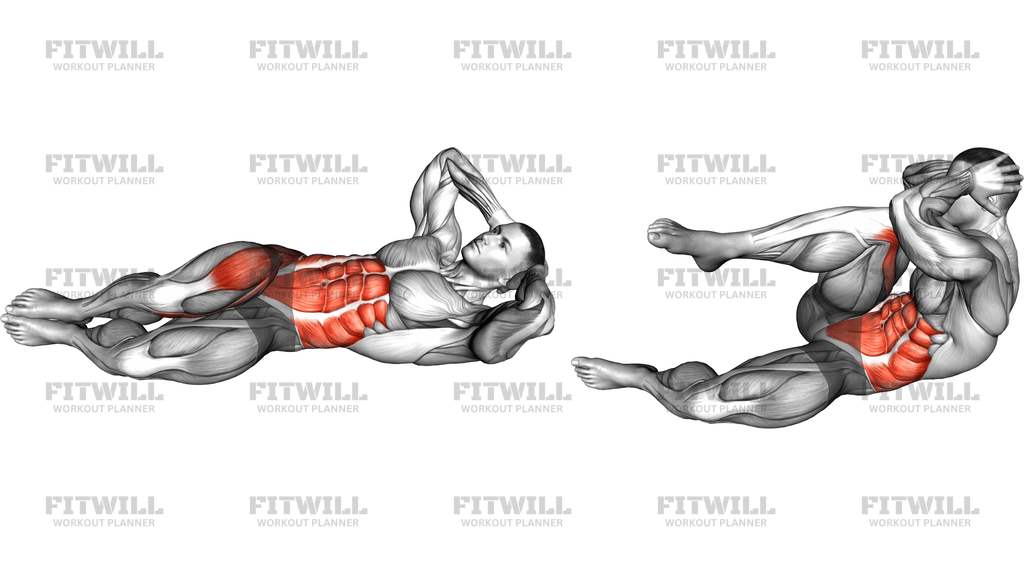
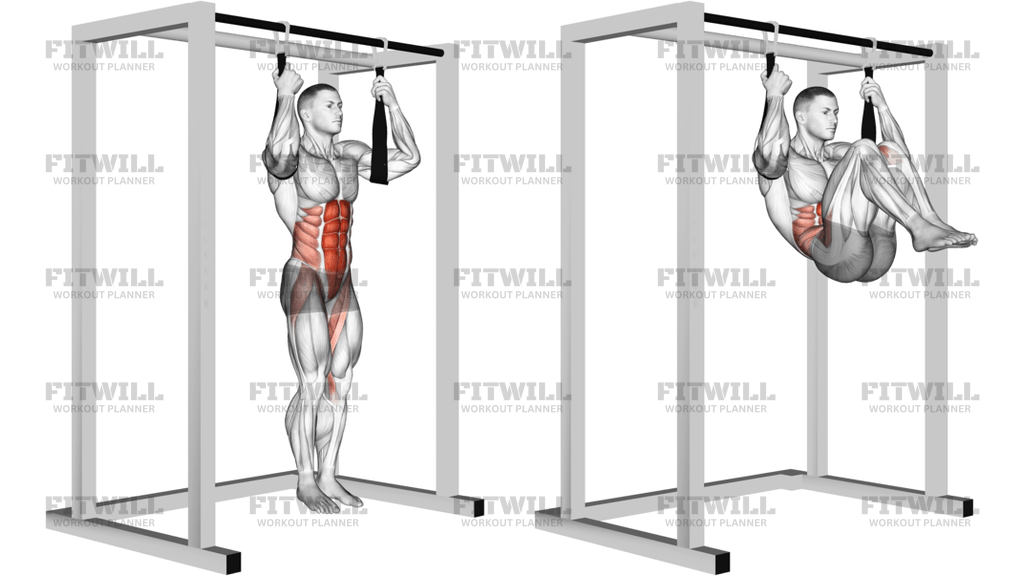
Side Sit-Up
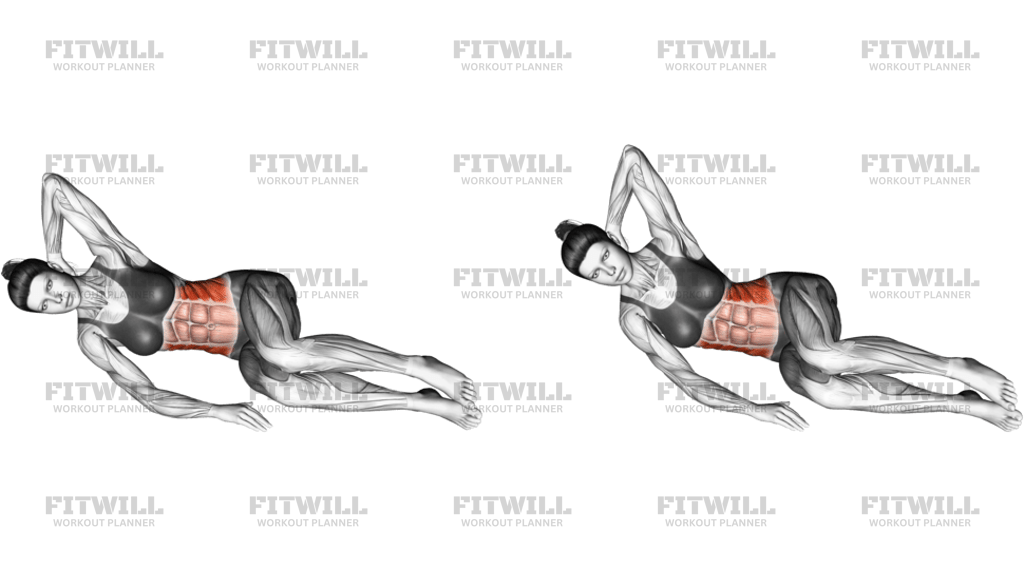
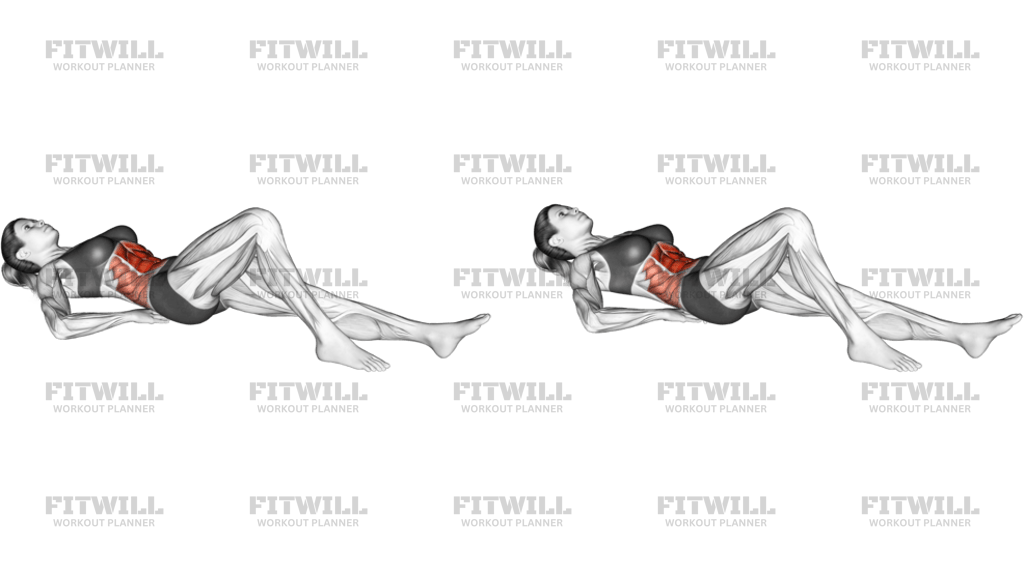
Side Sit-Up is a bodyweight oblique exercise that trains the side of the torso to flex and control rotation-free trunk movement. It is most useful when you want the waist to do the work instead of the hips, low back, or neck. Because the motion is short and focused, the exercise rewards clean setup and a smooth curl more than a big range or a fast pace.
The primary emphasis is on the obliques, with the abs and deeper core muscles helping stabilize the trunk as you curl and lower. In anatomy terms, the main work centers on the External obliques, with support from Rectus abdominis, Transversus abdominis, and the spinal muscles that keep the torso organized. That makes Side Sit-Up a useful accessory movement for core conditioning, trunk strength, and side-to-side balance.
The setup matters because this exercise only feels right when the shoulders, ribs, and pelvis stay stacked. Lie on one side with your body lined up from shoulder to hip, then let the lower side stay anchored while the upper side does the lifting. If you start twisted, too extended, or too relaxed through the waist, the rep turns into a hip-driven crunch instead of a true oblique sit-up.
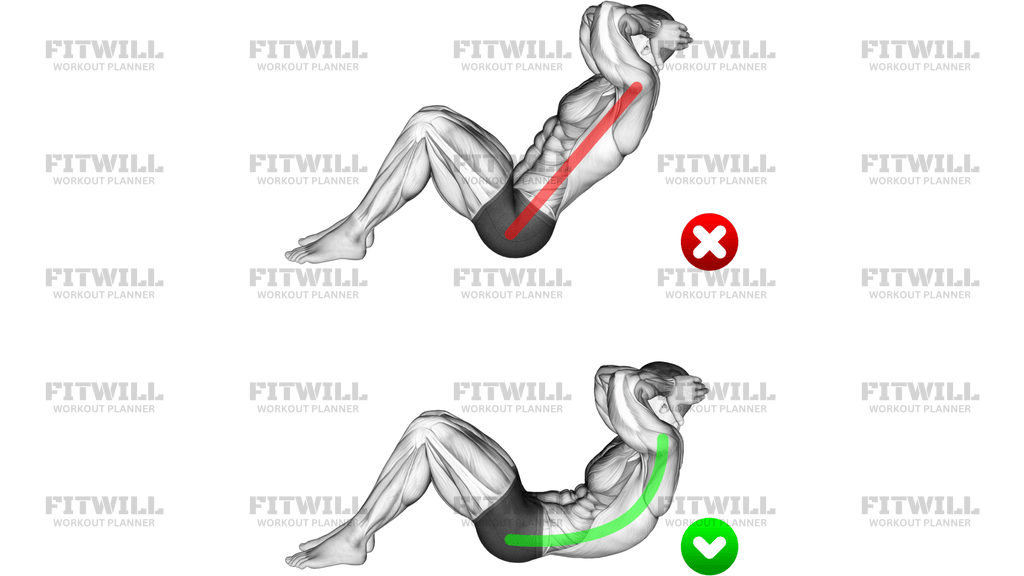
During each rep, curl the upper ribs toward the working hip and keep the neck quiet so the side of the torso initiates the movement. The goal is to shorten the waist on the working side, then lower under control until the shoulder blade is close to the floor again. A steady exhale on the lift and an easy inhale on the return help keep the rep honest and prevent momentum from taking over.
Side Sit-Up fits well in a core block, athletic warm-up, or accessory session when you want direct work for the waist without loading the spine heavily. Beginners can use it with a short range and slow tempo, while more advanced lifters can increase the challenge by extending the lever or adding a small pause at the top. Keep the rep smooth, stay on one side long enough to feel the obliques work, and stop the set once the body starts rolling backward or the neck starts leading the movement.
Fitwill
Log Workouts, Track Progress & Build Strength.
Achieve more with Fitwill: explore over 9600 exercises with images and videos, access built-in and custom workouts, perfect for both gym and home sessions, and see real results.
Start your journey. Download today!




Instructions
- Lie on one side on a mat with your hips and shoulders stacked, knees bent or legs straight as your version requires, and place the lower arm on the floor for balance.
- Put your top hand lightly behind your head or across your chest so you can guide the torso without yanking on the neck.
- Set the rib cage over the pelvis, keep the chin slightly tucked, and brace the waist before the first rep.
- Curl the upper ribs toward the top hip by lifting the shoulder and upper torso off the floor, using the obliques to start the motion.
- Keep the pelvis mostly still as you rise so the movement stays in the side of the trunk instead of turning into a hip roll.
- Lift only as far as you can keep the neck relaxed and the ribs from flaring open.
- Lower slowly until the shoulder blade and side of the torso are close to the floor again, without collapsing.
- Exhale as you curl up and inhale as you lower, keeping the tempo smooth and repeatable for every rep.
- Finish the set by lowering fully, resetting your side alignment, and switching sides only after the first side is complete.
Tips & Tricks
- Think about shortening the waist on the working side; if the pelvis starts spinning, the obliques are losing the rep.
- A smaller range is better than a bigger swing when the neck or hip flexors start to take over.
- Keep the top elbow pointed wide instead of pulling it forward, which helps stop the head from leading the movement.
- If your lower back arches off the floor, tuck the ribs down before you start the next rep.
- Crossing the arms over the chest makes the exercise easier and removes the temptation to tug on the neck.
- Pause for a beat at the top when the side of the torso is fully shortened; that is where the obliques have to work hardest.
- Use a slow lower so you do not bounce off the floor and lose tension between reps.
- Stop the set when you can no longer keep the shoulders stacked over the hips on the way up.
Frequently Asked Questions
What muscles does Side Sit-Up work most?
Side Sit-Up mainly targets the obliques, especially the External obliques. The abs and deeper core muscles help control the curl and keep the torso stacked.
Can beginners perform this exercise?
Yes. Beginners should keep the range small, move slowly, and use the floor to support the lower side so they can feel the waist doing the work.
Should my hips stay still during a Side Sit-Up?
Mostly yes. A little natural movement is fine, but the pelvis should stay stacked so the obliques drive the lift instead of the hips rolling backward.
Why does my neck feel it more than my side waist?
That usually means the top hand is pulling the head forward or the torso is lifting too high. Keep the chin tucked and think about curling the ribs toward the hip.
Should I do Side Sit-Up with my hands behind my head or crossed on my chest?
Either works, but crossing the arms on the chest is easier on the neck. Hands behind the head only work well if you keep the elbows wide and do not pull.
How high should I curl on the way up?
Only high enough to feel the side waist shorten without the ribs flaring or the torso twisting. A controlled partial curl is usually better than forcing a big rep.
What is the best tempo for Side Sit-Up?
A slow lift and slower lower work best because they keep tension on the obliques and stop you from bouncing through the movement.
How can I make Side Sit-Up harder without adding weight?
Use a longer lever by keeping the legs straighter, pause longer at the top, or slow the lowering phase. Those changes increase the demand on the waist without changing the exercise.