Sit-Up
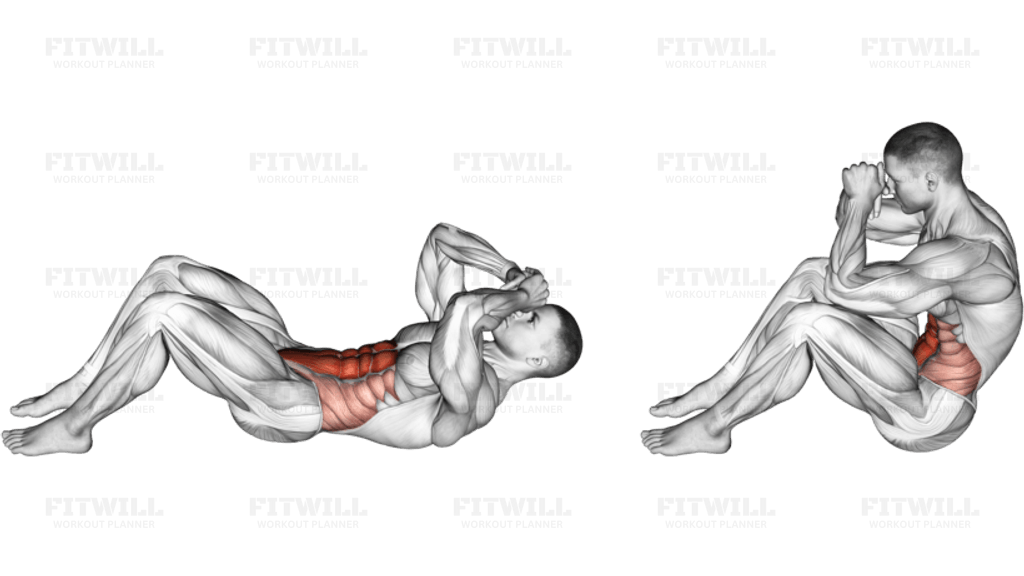
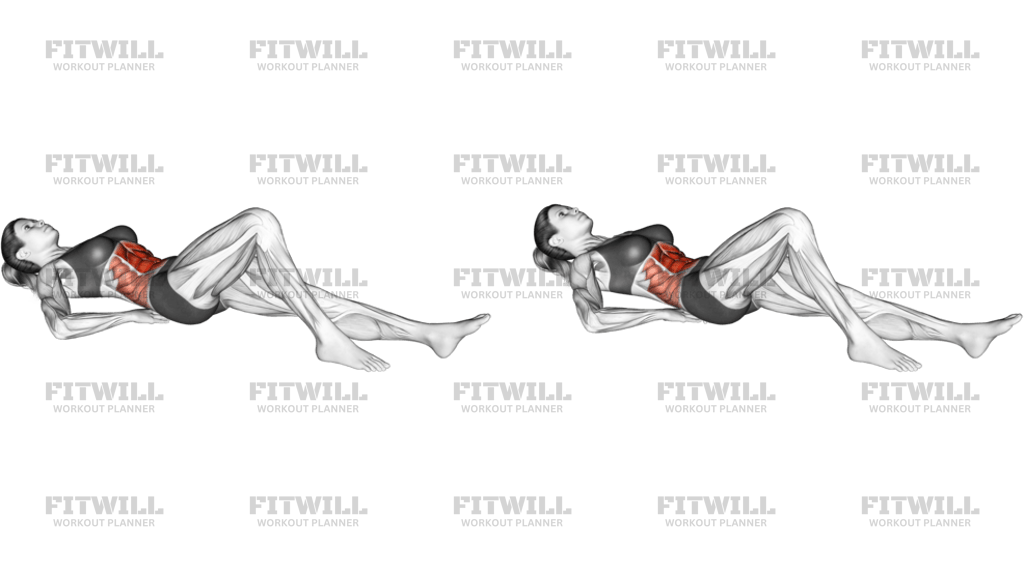
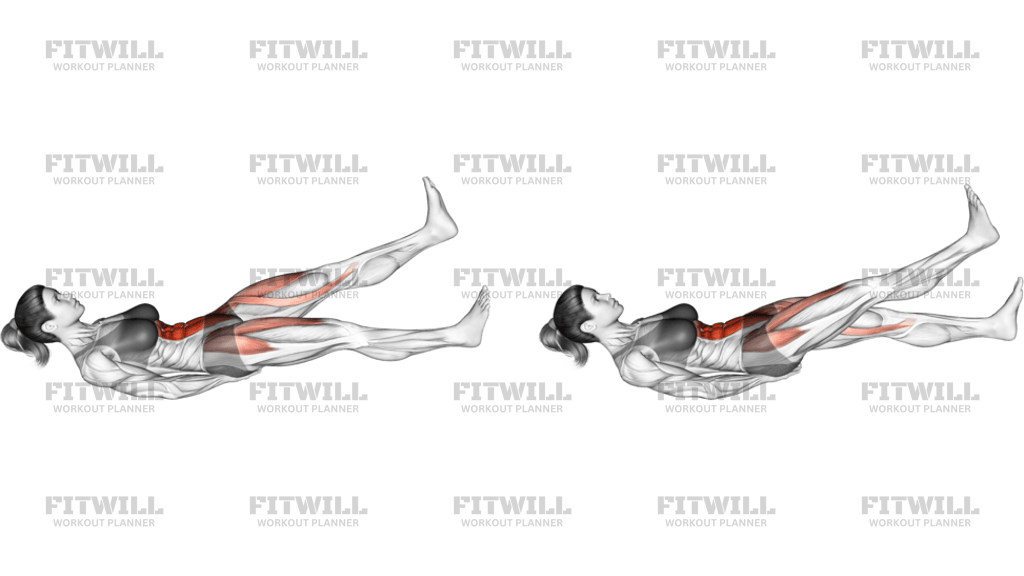
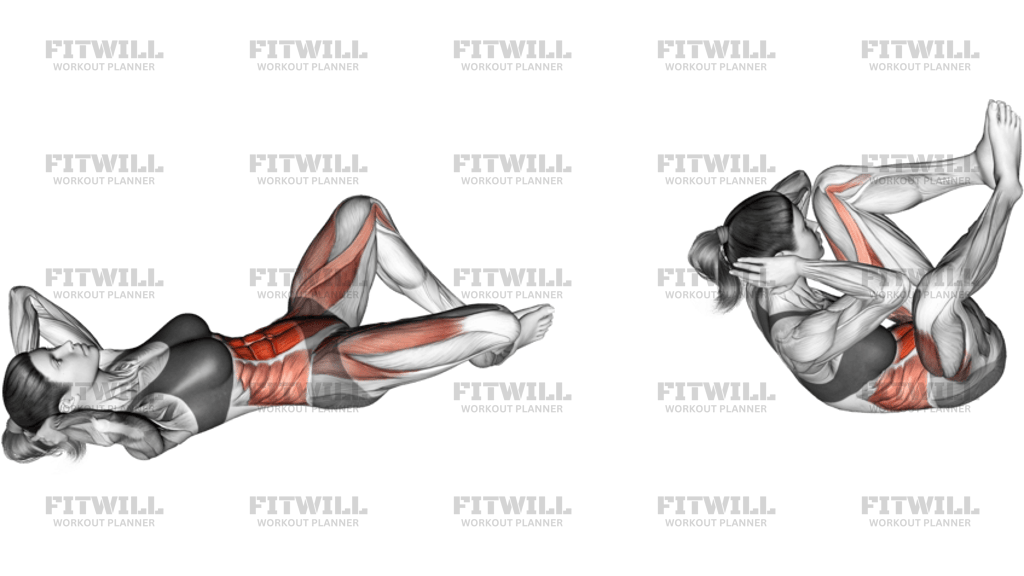
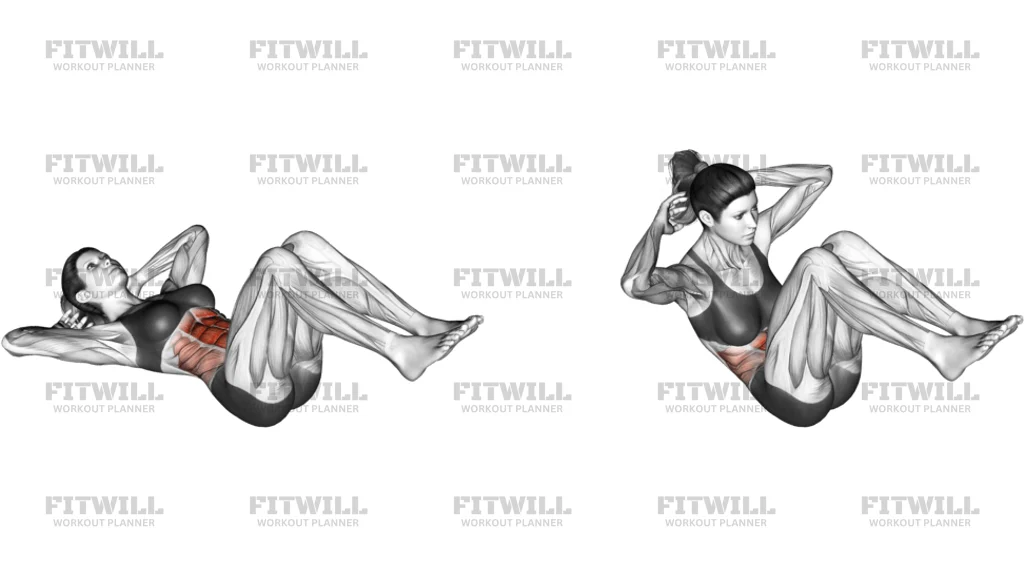
Sit-Up is a bodyweight floor exercise that trains trunk flexion and the ability to control your torso as it moves from a long, reclined position into a strong curled-up finish. In the image, the lifter starts on the floor with the knees bent, the feet lifted, and the hands placed behind the head, which makes the torso do the work instead of letting the arms or legs create momentum. That setup is ideal when you want the abs to initiate the rep and keep the pelvis and rib cage coordinated.
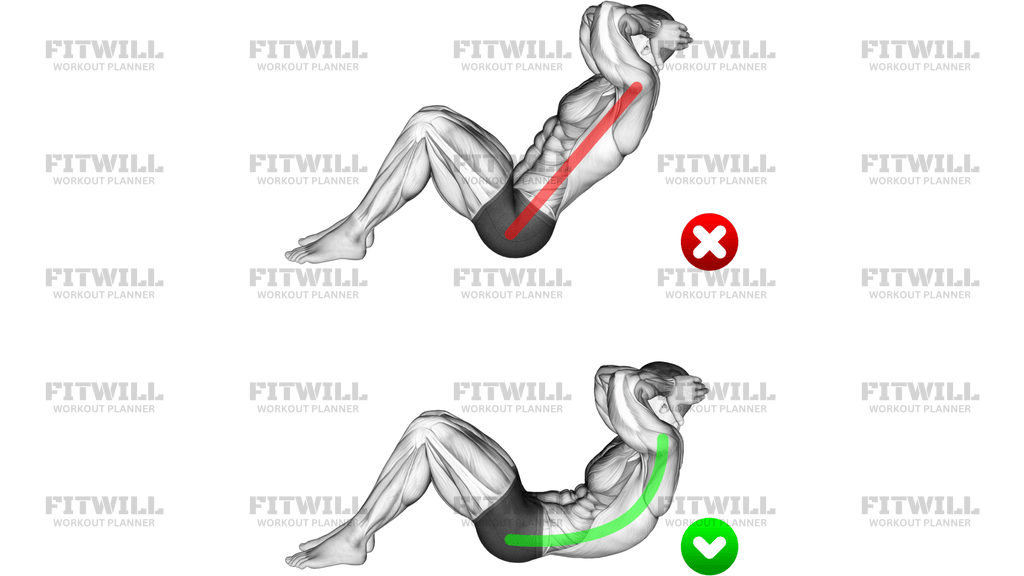
The primary emphasis is on the abs, especially the Rectus abdominis, with the obliques and deep abdominal wall helping you stay organized as you rise and lower. The hip flexors assist, but they should not dominate the movement. If the knees shoot forward, the low back arches, or the neck pulls, the rep quickly shifts away from the target muscles and becomes a sloppy swing. The best version of this exercise feels like a controlled curl through the torso, not a yank from the head or a snap from the hips.
A good setup starts by lying flat, keeping the lower ribs down, and arranging the legs so they stay quiet while the torso moves. Elbows stay open, the chin remains slightly tucked, and the hands only support the head lightly if they are touching it at all. From there, exhale to curl up, keep the ribs from flaring, and rise until your torso is tall enough to feel the abs shorten hard without losing control of the pelvis. The lowering phase matters just as much: return slowly, keep tension through the midsection, and avoid dropping back onto the floor.
This exercise is useful in core sessions, warmups, conditioning circuits, or as accessory work when you want simple bodyweight ab training without equipment. It also shows very clearly when a set is too hard because the first place form breaks is usually the neck, the hips, or the speed of the descent. When that happens, shorten the range, slow the rep down, or reduce the total number of repetitions so each one stays crisp.
Sit-Up is best treated as a strict, repeatable movement. Build reps you can control from the bottom position all the way to the top, and stop the set before the torso starts jerking upward. Done well, it gives you a direct abdominal stimulus and teaches you to hold trunk tension while the body moves through a full floor-based curl pattern.
[ Workout Log & Planner ]
Put your next workout in Fitwill
Keep your plan and training log ready when you are.


Instructions
- Lie on your back on the floor with your knees bent and your feet lifted or lightly set so your legs stay quiet.
- Place your hands behind your head with the elbows open and the chin slightly tucked, not pulled forward.
- Press your lower ribs down and lightly brace your abs before the first rep.
- Exhale and curl your shoulders and upper back off the floor by pulling your rib cage toward your pelvis.
- Keep the motion smooth instead of jerking your head or swinging your elbows forward.
- Rise until your torso is tall and your abs are fully shortened without letting the low back over-arch.
- Pause briefly at the top, then lower yourself slowly until your shoulder blades return to the floor.
- Reset your brace at the bottom and repeat for the planned reps with the same pace.
Tips & Tricks
- Keep the hands light behind the head; they should guide position, not pull you up.
- If your neck feels strained, keep the chin tucked and think about lifting the sternum instead of the chin.
- Do not let the elbows collapse inward, because that usually turns the rep into a neck-driven crunch.
- A slower descent makes the abs work harder than rushing back to the floor.
- If the hip flexors take over, shorten the range slightly and focus on curling the ribs toward the pelvis first.
- Keep the feet and legs as still as possible so the torso remains the moving piece.
- Stop the set when you can no longer lower under control or when momentum starts to replace abdominal tension.
- For a cleaner rep, exhale through the hardest part of the curl and inhale as you return to the floor.
Frequently Asked Questions
What does Sit-Up train the most?
It mainly trains the rectus abdominis, with the obliques and deep core muscles helping control the curl.
Why are my hips working so much during this exercise?
The hip flexors assist the lift, especially if the legs are fixed or the torso rises quickly. Slow the rep down and focus on curling the ribs toward the pelvis.
Should my hands pull my head forward?
No. The hands are only there for light support or position; pulling the head usually turns the rep into a neck-driven movement.
What is the main mistake to avoid with the elbows?
Do not let the elbows collapse forward and yank the torso up. Keep them open so the abs start the movement.
Can beginners do this movement safely?
Yes, if they keep the range small at first, move slowly, and stop before the lower back or neck starts compensating.
How low should I lower between reps?
Lower until your shoulder blades touch down and you still keep tension in the abs, instead of dropping fully relaxed each time.
What can I do if full sit-ups bother my back?
Shorten the range, slow the tempo, or switch to a smaller floor crunch until you can keep the pelvis and ribs controlled.
How do I make this exercise harder without changing equipment?
Add a slower descent, a longer pause at the top, or a stricter start position with the feet and legs held quieter.