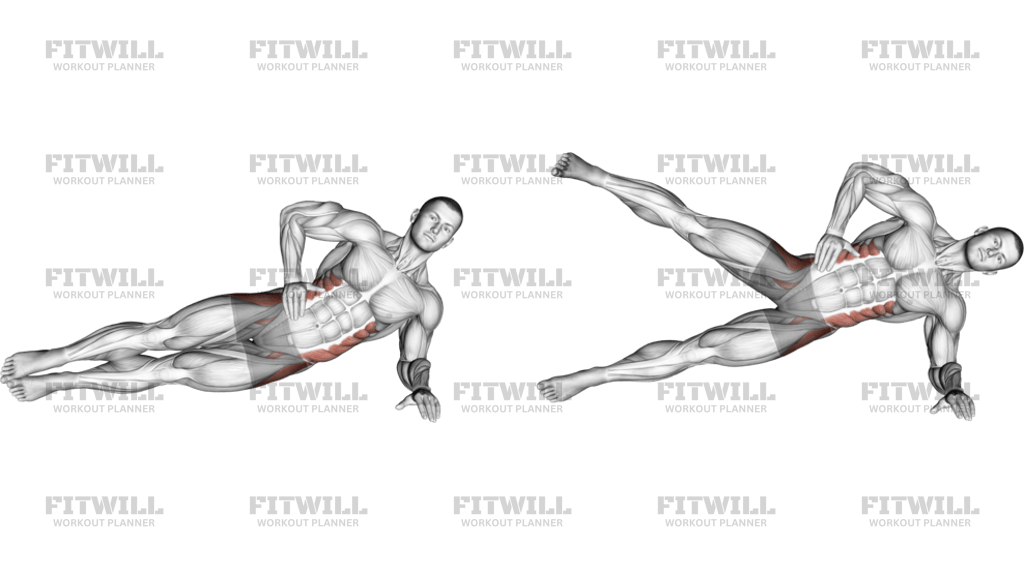
Standing Hip Abduction Bent Knee
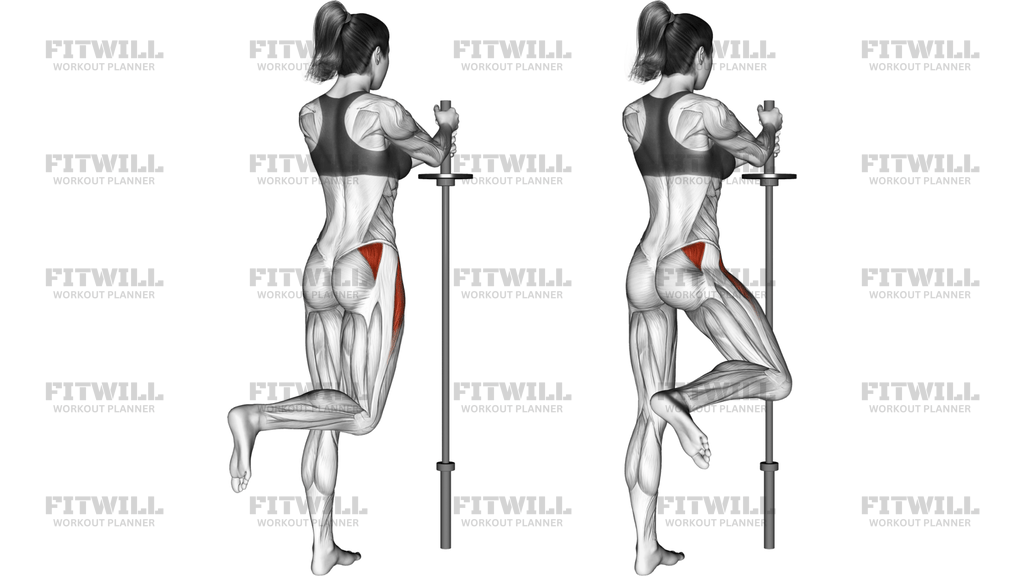
Standing Hip Abduction (bent Knee) is a standing outer-hip exercise that asks one leg to move away from the body while the knee stays bent. The bent-knee position changes the leverage of the movement and makes it easier to feel the side glute work instead of turning the rep into a straight-leg swing. It is usually used as a bodyweight control drill, a warm-up activation, or a low-load accessory movement for hip stability.
The main training goal is to strengthen the glute-driven muscles that keep the pelvis level when you stand on one leg. In practice, that means the movement is less about lifting the foot and more about controlling the hip joint as the thigh opens to the side. When the rep is done well, you should feel tension on the outside of the working hip and only mild help from the standing leg, trunk, and balance muscles.
The setup matters a lot because this exercise can turn sloppy fast if you lean, twist, or push off the floor. Stand tall beside a wall, post, or upright that you can hold lightly for balance. Keep your ribs stacked over your pelvis, let the standing knee stay soft, and keep the working knee bent about 90 degrees so the leg can sweep out from the hip without changing shape. A small forward torso lean is fine if it helps you keep the pelvis level, but the trunk should stay quiet.
During each repetition, lift the bent leg out to the side in a smooth arc, pause briefly at the top, and lower it back with control. The range should be as large as you can manage without the pelvis hiking, the low back arching, or the torso drifting away from the support. This exercise is useful for pre-lift activation, hip-focused sessions, rehab-style work, or any program that needs better single-leg control. Beginners can use it safely when they keep the motion small, the support hand light, and the reps pain-free.
[ Workout Log & Planner ]
Put your next workout in Fitwill
Keep your plan and training log ready when you are.


Instructions
- Stand sideways to a wall, post, or upright and rest one hand on it lightly for balance.
- Shift your weight onto the standing leg and keep that knee softly bent.
- Bend the working knee to about 90 degrees so the lower leg stays relaxed and the thigh can move from the hip.
- Stack your ribs over your pelvis and keep your torso tall instead of leaning away from the support.
- Lift the bent leg out to the side in a smooth arc without swinging the foot.
- Stop the lift when you feel the outside of the hip working and the pelvis wants to tilt.
- Pause for a brief squeeze at the top, then lower the leg slowly back to the start.
- Reset your balance before the next rep and repeat for the planned number of repetitions on each side.
Tips & Tricks
- Keep the support hand light; if you are hanging on hard, the side hip is probably not doing enough work.
- Hold the knee bend through the whole rep so the movement stays focused on hip abduction rather than a straight-leg swing.
- Watch the pelvis more than the foot: the set is too high if the hip on the working side starts hiking upward.
- A small forward torso lean can help you find the outer glute, but avoid folding at the waist or rounding the back.
- Move slowly on the way down; the eccentric lowering is where most people lose control and start wobbling.
- Keep the standing foot planted and pressure centered through the whole foot instead of rolling onto the outer edge.
- Exhale as the leg opens to the side and keep the torso quiet so the breath does not create extra sway.
- If you feel the front of the hip pinching, reduce the height of the lift and keep the thigh slightly behind the body line.
- Use a mirror or phone video if needed; this exercise often looks cleaner than it feels.
Frequently Asked Questions
What muscle does Standing Hip Abduction (bent knee) target most?
It primarily works the outer hip muscles, especially the glute medius and the upper part of the glutes, with the standing leg helping you stay balanced.
Why does the working knee stay bent during this exercise?
The bent knee shortens the lever arm and makes it easier to feel hip abduction instead of turning the rep into a straight-leg swing.
Do I need a wall or post for balance?
You do not need to lean on it, but light fingertip support helps keep the pelvis steady so the outer hip can do the work.
How high should I lift the bent leg?
Lift only as far as you can keep the pelvis level and the torso quiet; a smaller clean range is better than a high rep with hip hiking.
Can I do this exercise without any equipment?
Yes. Bodyweight is enough for a control drill, warm-up, or rehab-style accessory set.
What is the most common form mistake?
The most common mistake is twisting or leaning away from the support so the leg looks higher without the hip actually working harder.
How can I make Standing Hip Abduction (bent knee) harder?
Slow the lowering phase, add a brief pause at the top, or use a cable or ankle cuff if your version of the exercise allows it.
Is this a good exercise if my outer hip feels weak on single-leg work?
Yes. It is a useful accessory when you need better hip control and steadier pelvis position on one leg, as long as the movement stays pain-free.