Standing Lateral Stretch
Standing Lateral Stretch is a standing side-bend stretch for the lats and the side of the trunk. In the image, one hand is placed behind the head while the torso leans away from the working side, which lengthens the latissimus dorsi, the ribcage, and the shoulder line without needing any external load. It is a simple mobility drill, but the exact setup matters because a small change in rib position or elbow angle can turn the movement into a shoulder pinch or a low-back twist.
This stretch is especially useful when the lats feel stiff after pulling work, overhead training, climbing, swimming, or long sessions of pressing and rowing. The target is not to force a bigger side bend at all costs. Instead, the goal is to create a clean line from the hip to the fingertips, keep the pelvis mostly level, and let the side body open while the standing leg stays stable. The exercise mat mainly provides a comfortable base and traction while you hold the position.
The most effective version is smooth and deliberate. Stand tall, brace lightly, then reach the elbow up and slightly back before you lean away. The torso should arc to the side without collapsing forward or rotating open. If the shoulder on the stretched side feels jammed, reduce the range and bring the elbow slightly forward. If the stretch moves into the low back, shorten the bend and keep the ribs stacked over the pelvis.
Use Standing Lateral Stretch in a warm-up, between heavier upper-body sets, or as part of a cooldown when you want to restore side-body length and improve overhead comfort. It is beginner-friendly because it depends on body position rather than load, but it still rewards patience and control. Stop short of any sharp pain, breathe into the stretched side, and come back to center under control so each rep or hold feels the same from one side to the other.
Fitwill
Log Workouts, Track Progress & Build Strength.
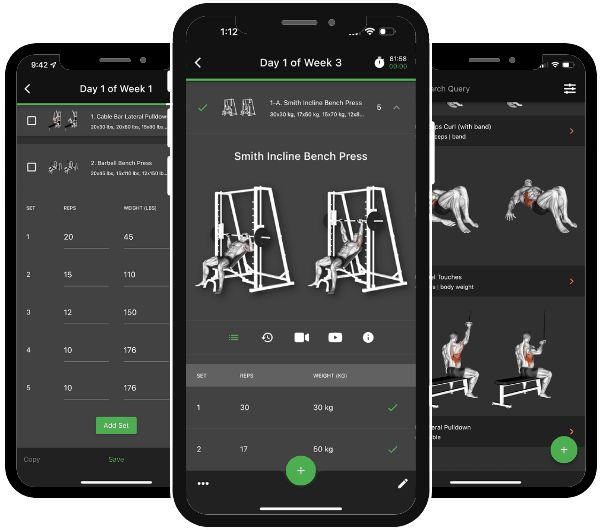
Achieve more with Fitwill: explore over 5000 exercises with images and videos, access built-in and custom workouts, perfect for both gym and home sessions, and see real results.
Start your journey. Download today!


Instructions
- Stand on the mat with your feet about hip-width apart and place one hand behind your head, keeping the other arm relaxed by your side.
- Stack your ribcage over your pelvis, keep both knees soft, and set your shoulders down before you move.
- Reach the elbow of the stretching side up and slightly back so the lat and side ribs stay long before the bend starts.
- Lean your torso away from the raised elbow in a smooth side arc without turning the chest forward or backward.
- Keep the hips mostly square and let the standing leg stay active so the bend comes from the side body, not from a hip shift.
- Pause when you feel a strong stretch through the lat, oblique line, and outer ribcage, but stop before the shoulder pinches.
- Breathe slowly into the stretched side and hold the end position without bouncing or jerking.
- Return to tall standing under control, reset your posture, and then repeat on the other side for the same amount of time.
Tips & Tricks
- Keep the lower ribs from flaring up; the stretch should come from side bending, not from arching your back.
- If the shoulder feels crowded, bring the elbow slightly forward instead of forcing it straight overhead.
- Think about lengthening from the outside hip to the fingertips on the stretched side rather than collapsing into the waist.
- Keep the chin neutral so you do not crank the neck toward the working side.
- A short exhale during the lean often helps the ribcage soften and gives a cleaner stretch.
- Do not shift your hips hard away from the stretch side; that turns the move into a side step instead of a lat stretch.
- If you want a deeper hold, slide the free hand a little farther down the thigh while keeping the torso stacked.
- For tight shoulders, make the range smaller and hold longer instead of chasing a bigger bend.
- Use a comfortable floor or mat so you can focus on alignment instead of foot discomfort.
Frequently Asked Questions
What muscle does Standing Lateral Stretch target most?
It mainly targets the latissimus dorsi on the side you are bending away from, with help from the obliques and ribcage tissues.
Is this a strength exercise or a mobility drill?
It is primarily a mobility and flexibility drill. The benefit comes from positioning and breathing, not from external load.
Why is one hand placed behind the head?
That arm position helps open the lat and upper ribcage while keeping the stretched side long through the torso.
Should I feel this stretch in my shoulder?
You should feel it mostly along the side of the torso and under the armpit. A sharp shoulder pinch means the elbow angle or range needs to be reduced.
Can I keep my feet planted on the floor instead of the mat?
Yes. The mat is mainly for comfort and traction. A flat, stable floor works as long as you can keep your balance and posture.
How far should I lean to one side?
Only lean until you feel a strong but comfortable stretch. If the movement starts to twist your torso or compress your low back, reduce the range.
When should I use Standing Lateral Stretch?
It fits well in warm-ups, cooldowns, or between upper-body sets when the lats and side body feel tight.
What is the most common mistake with this stretch?
The most common mistake is turning it into a backbend or a torso twist instead of a clean side bend.