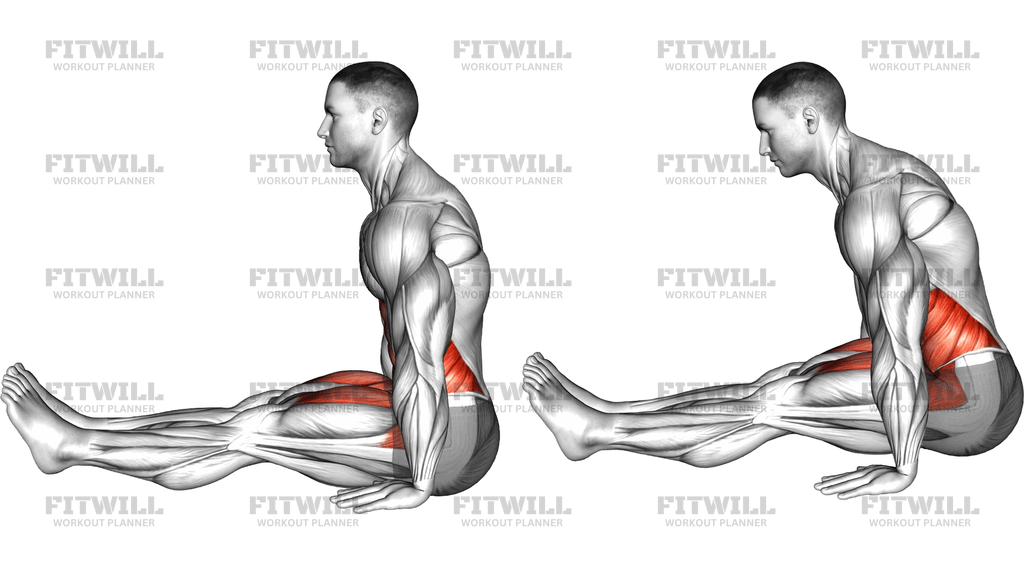
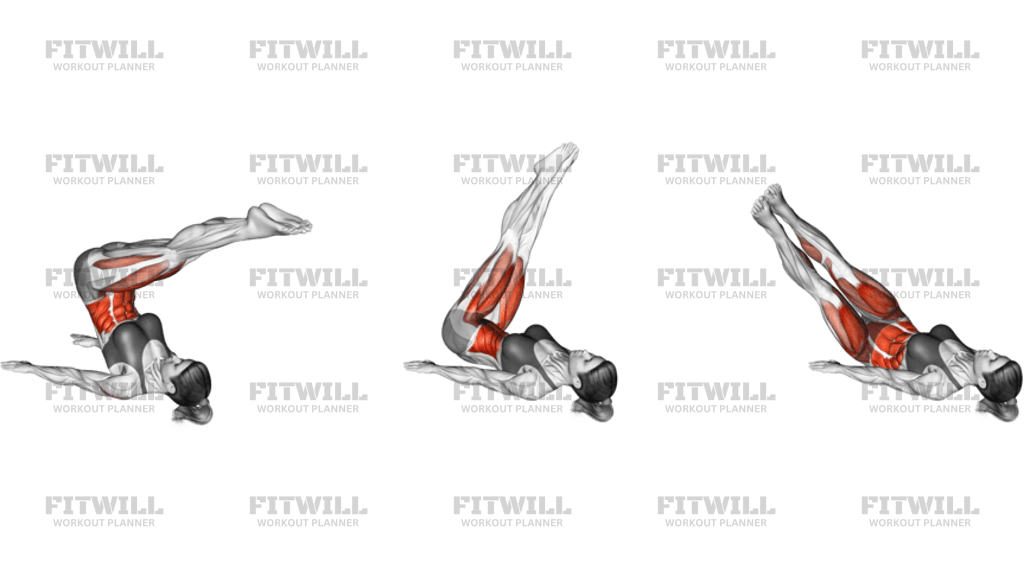
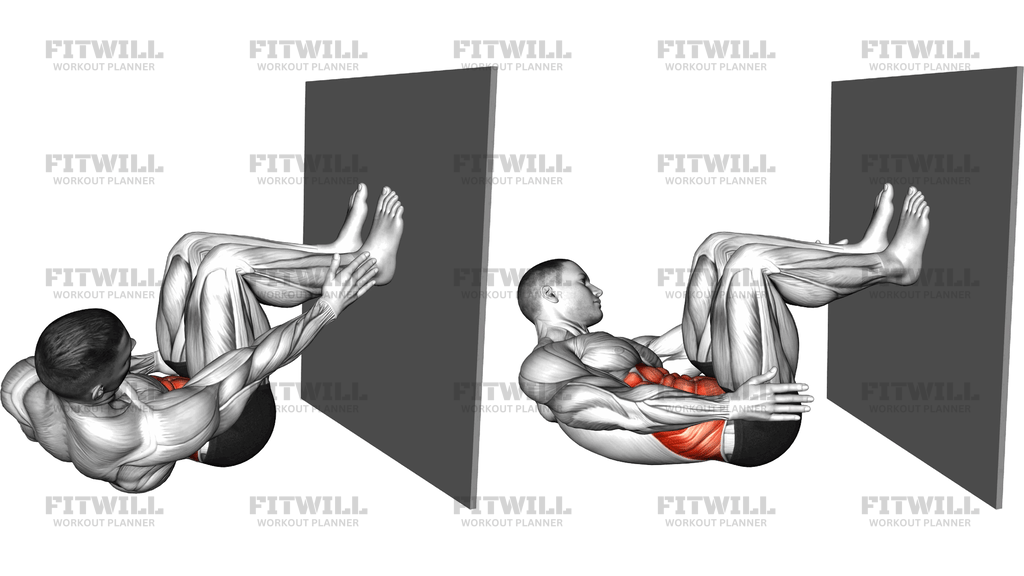
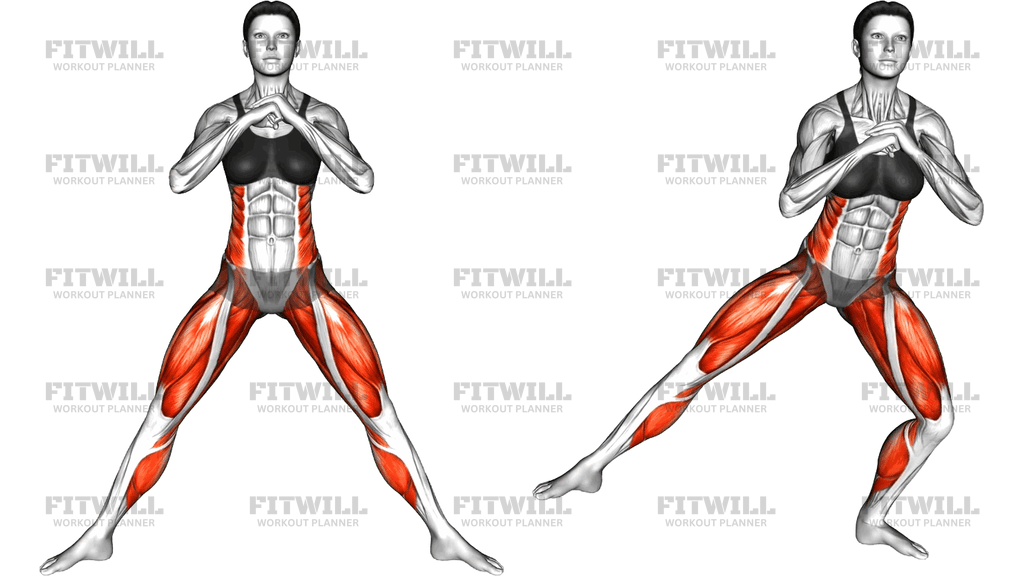
Toe Touch Sit Wall
Toe Touch Sit (wall) is a bodyweight balance-and-core drill built around a single-leg toe reach near a wall. The wall gives you a visual reference for upright posture while you shift weight to one leg, lift the opposite knee, and reach toward the raised foot with control. It is a small, precise movement rather than a big squat or a floor stretch, so the main goal is to stay tall, steady, and deliberate from the first rep to the last.
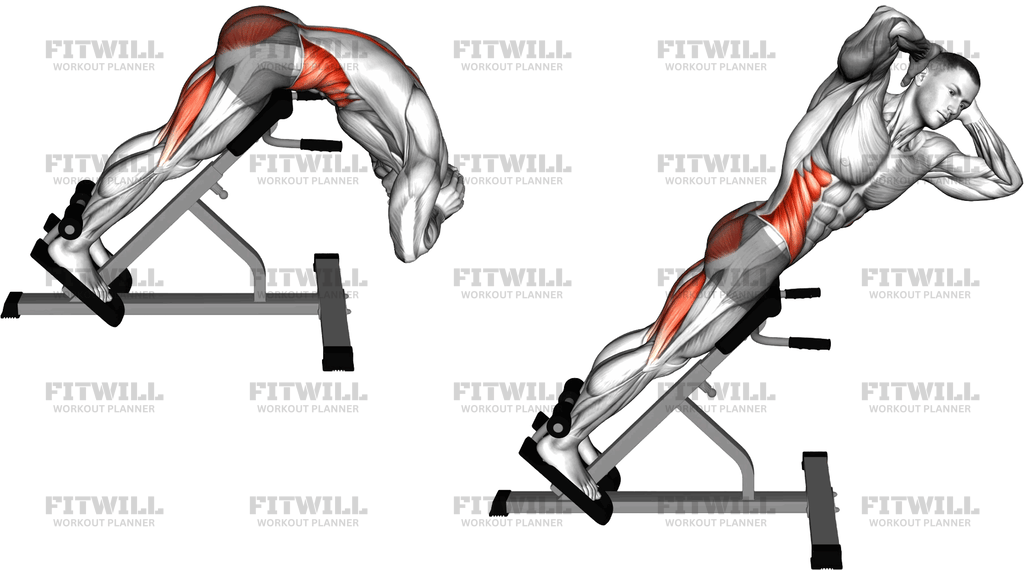
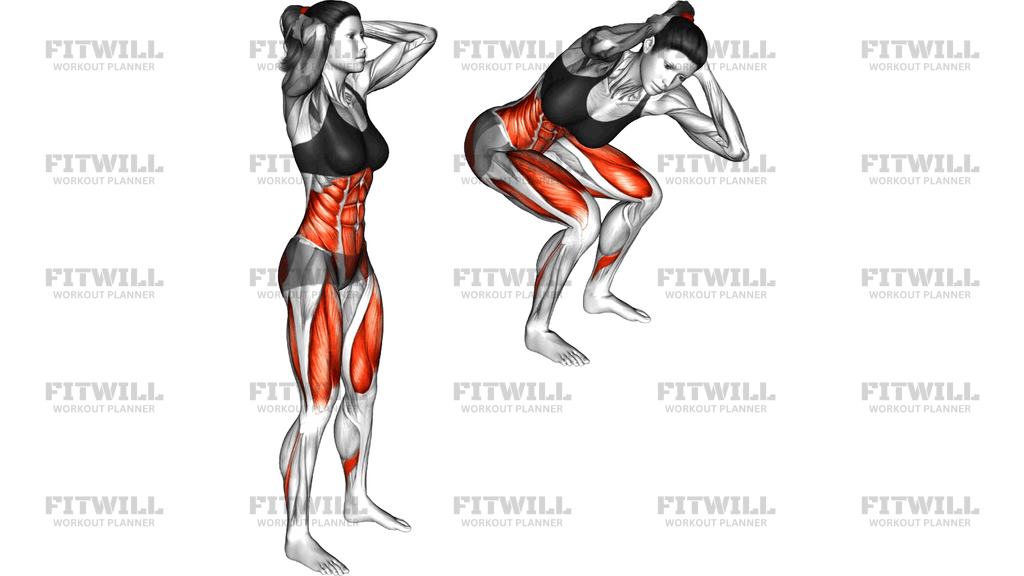
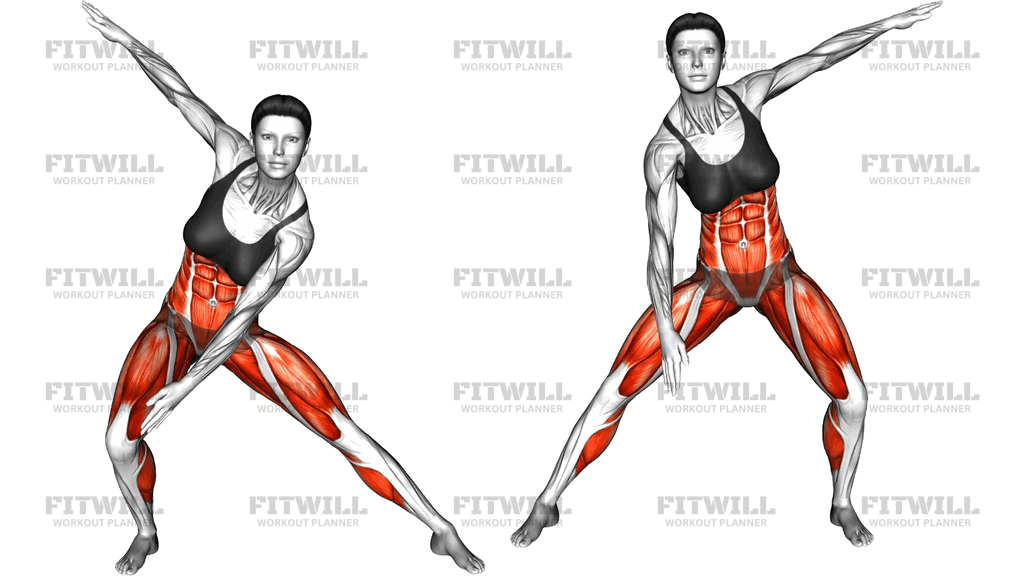
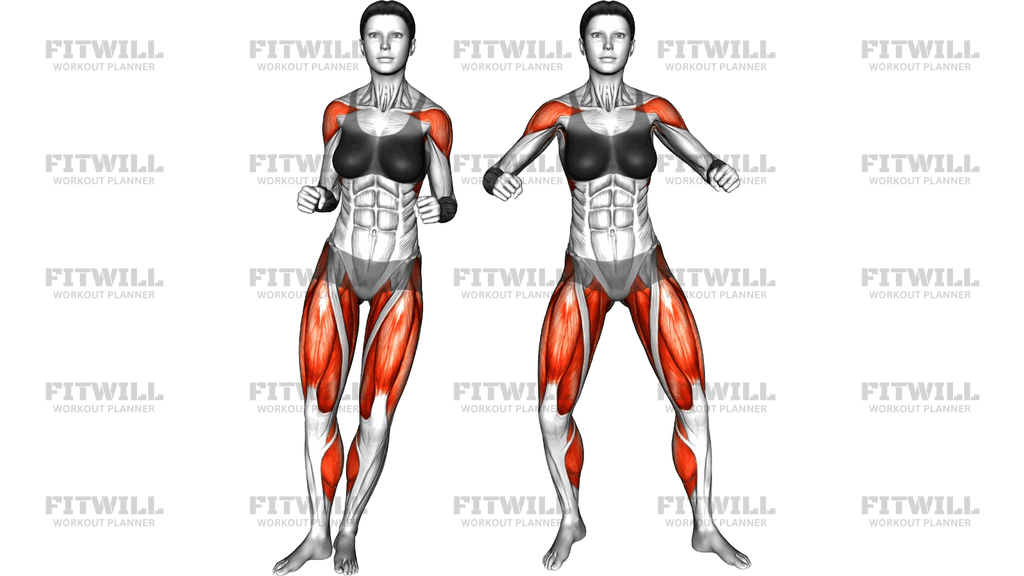
The exercise is listed for the thighs, and the image shows why: the standing leg has to organize the foot, ankle, knee, and hip while the lifted leg stays active in front of the body. The obliques help keep the rib cage from flaring and the torso from tipping as you balance, while the quadriceps, hip flexors, and other lower-body stabilizers keep the lifted side under control. That combination makes the movement useful for coordination, single-leg stability, and trunk control.
Set up close enough to the wall that you can use it as a reference, but not so close that you have to lean into it. Plant one foot firmly, keep the standing knee soft, and bring the other knee up in front of you. Reach the opposite hand toward the lifted toes or foot, and use the free arm as a counterbalance. The rep should look smooth and compact, with the torso staying stacked over the standing leg instead of folding forward or twisting aggressively.
Because the range is small, the quality of the position matters more than the amount of reach. A clean rep has a quiet standing foot, level hips, and a controlled pause at the top before you lower the lifted leg. That makes the exercise a good fit for warmups, balance work, core accessories, and lower-body coordination drills. It also works well for beginners who need a simple standing drill before moving into deeper single-leg work.
If the toe reach turns into a hop, a trunk twist, or a shoulder shrug, the drill has become too fast or too large. Keep the motion controlled, breathe steadily, and reset your balance between reps. The wall should help you stay organized, not become a crutch. Use this exercise to practice stability, not to chase speed or a bigger touch.
[ Workout Log & Planner ]
Put your next workout in Fitwill
Keep your plan and training log ready when you are.


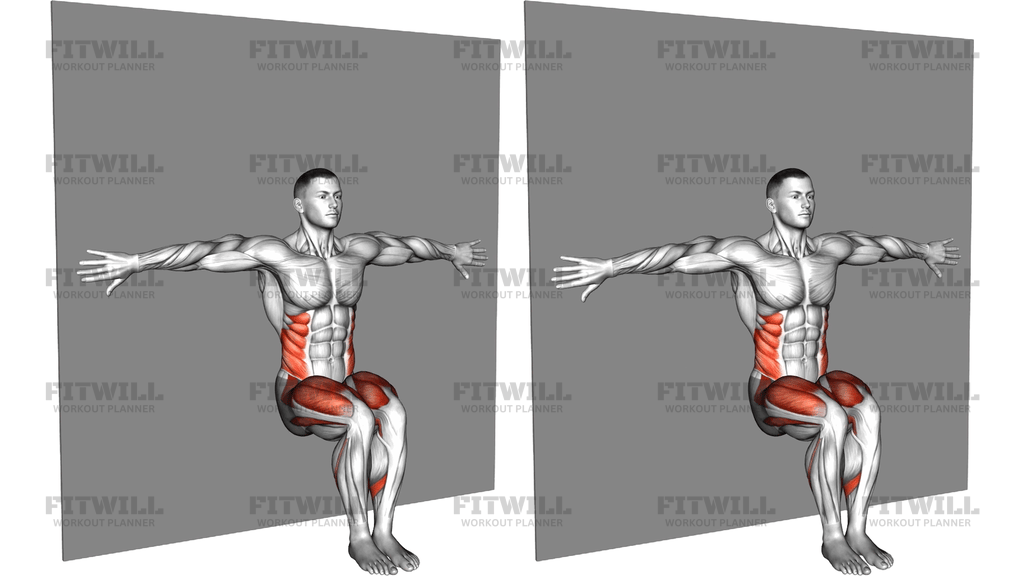
Instructions
- Stand a few inches from a wall so you can use it as a posture reference without leaning on it.
- Plant one foot firmly and keep the standing knee softly bent with the foot tripod grounded.
- Lift the opposite knee up in front of you and keep the toes active instead of letting the leg hang loose.
- Reach the opposite hand toward the lifted toes or the front of the foot while the free arm stays out for balance.
- Keep your ribs down and your chest tall so the reach comes from balance, not from collapsing at the waist.
- Pause briefly when you reach the top position and feel the standing hip stay steady.
- Lower the lifted leg under control, returning to a stable stance before the next rep.
- Repeat on the same side or alternate sides according to the workout plan.
Tips & Tricks
- Keep the standing foot rooted through the heel, big toe, and little toe so the ankle does not roll inward.
- Reach only as far as you can while keeping the pelvis level; a smaller clean touch is better than a reach that twists your torso.
- If the lifted knee shoots outward, narrow the path and bring the thigh straight in front of you before touching the toes.
- Use the wall as a reference for posture, not as something to push off hard.
- Exhale as you lift and touch, then inhale as you lower and reset your balance.
- Keep the neck relaxed and eyes forward instead of chasing the foot with your chin.
- Slow down the lowering phase so the standing leg has time to stabilize before the next rep.
- Stop the set if the standing ankle feels shaky enough that you have to hop or grab the wall.
Frequently Asked Questions
What muscles does Toe Touch Sit (wall) work most?
It emphasizes the obliques and other trunk stabilizers while also challenging the standing thigh, hip, and ankle.
Can beginners perform this exercise?
Yes. Beginners can keep the toe reach small and use the wall as a reference until single-leg balance feels steady.
Do I need to touch the wall during the rep?
No. The wall is mainly there to help you stay upright and organized; light contact is fine, but do not lean your weight into it.
What is the main setup cue for this movement?
Keep one foot planted, the opposite knee lifted in front of you, and the torso stacked over the standing leg before you reach for the toes.
What should I feel working during the exercise?
You should feel the standing thigh and hip working to stabilize, along with the obliques controlling the torso.
What is the most common mistake?
The usual problem is turning the toe touch into a hop, a torso twist, or a forward collapse that takes tension off the standing leg.
How can I make it easier?
Reduce the height of the knee lift and keep your fingers closer to the lifted foot instead of forcing a full touch.
How can I make it more challenging?
Slow the lowering phase, pause longer at the top, or move farther from the wall so you rely more on balance and less on visual reference.