Weighted Squat
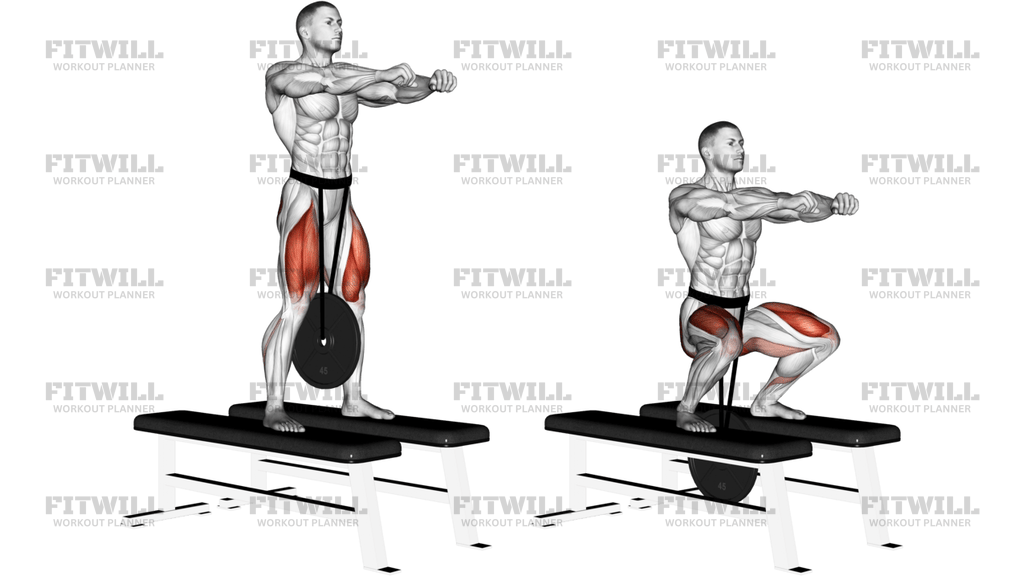
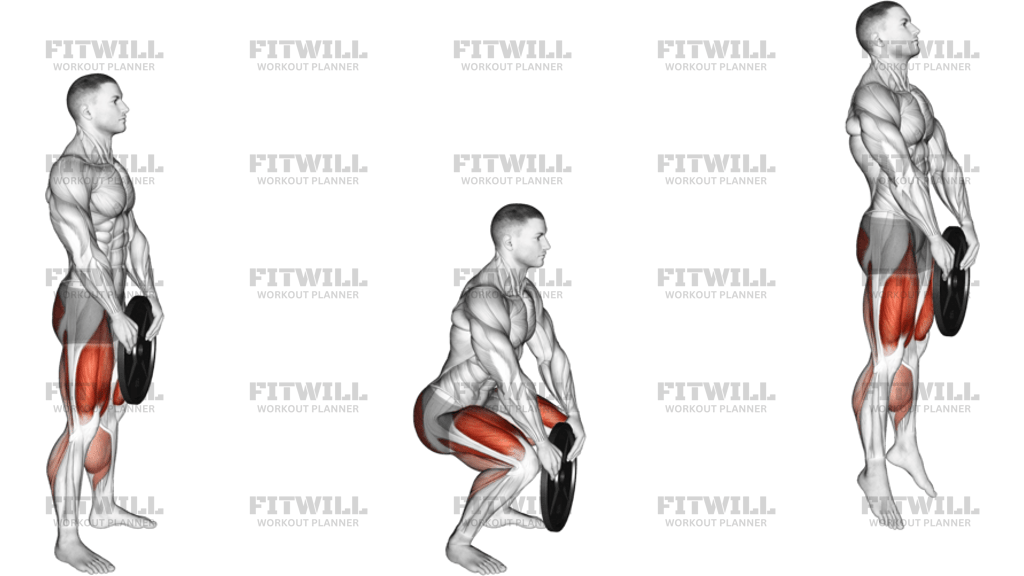
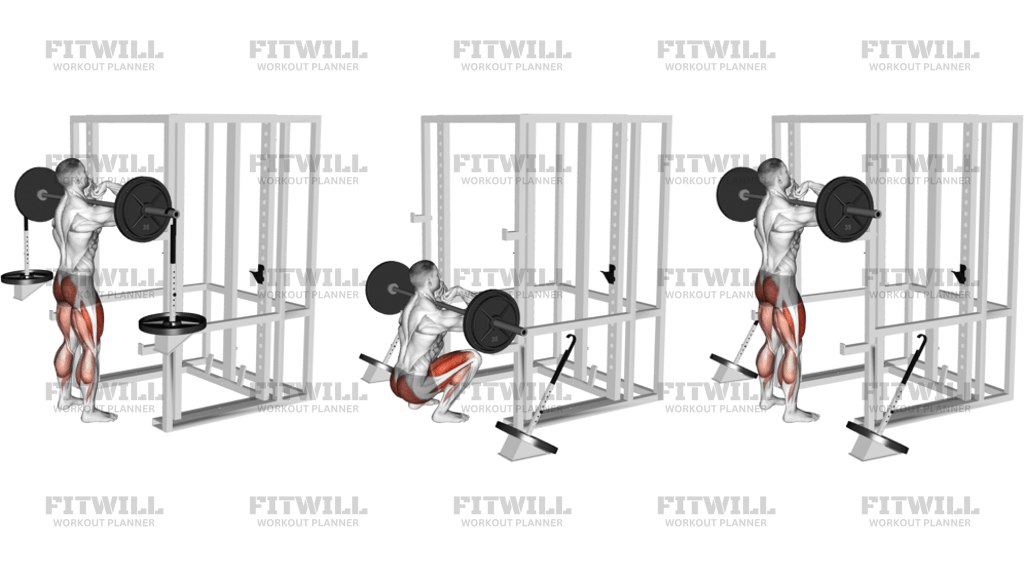
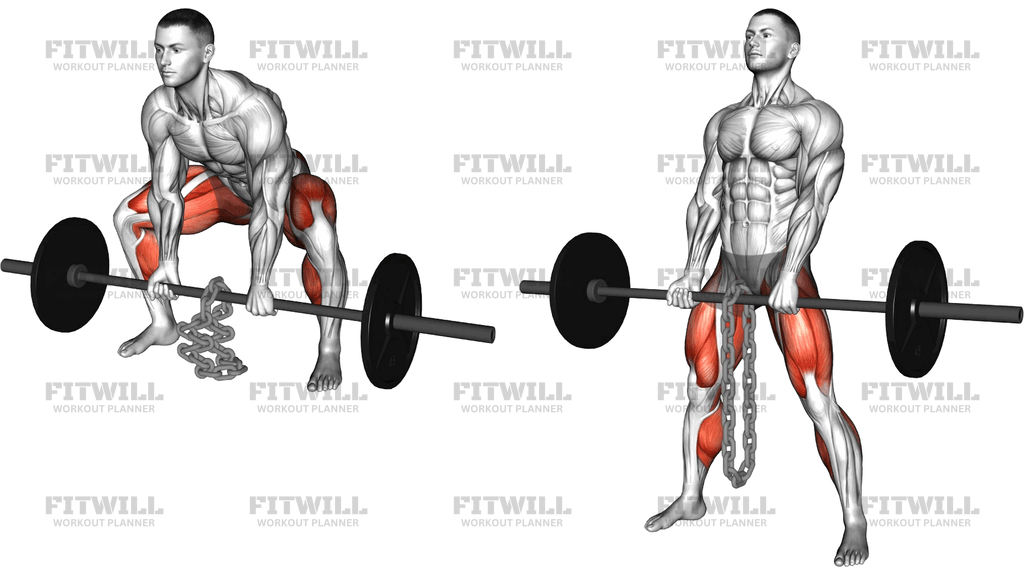
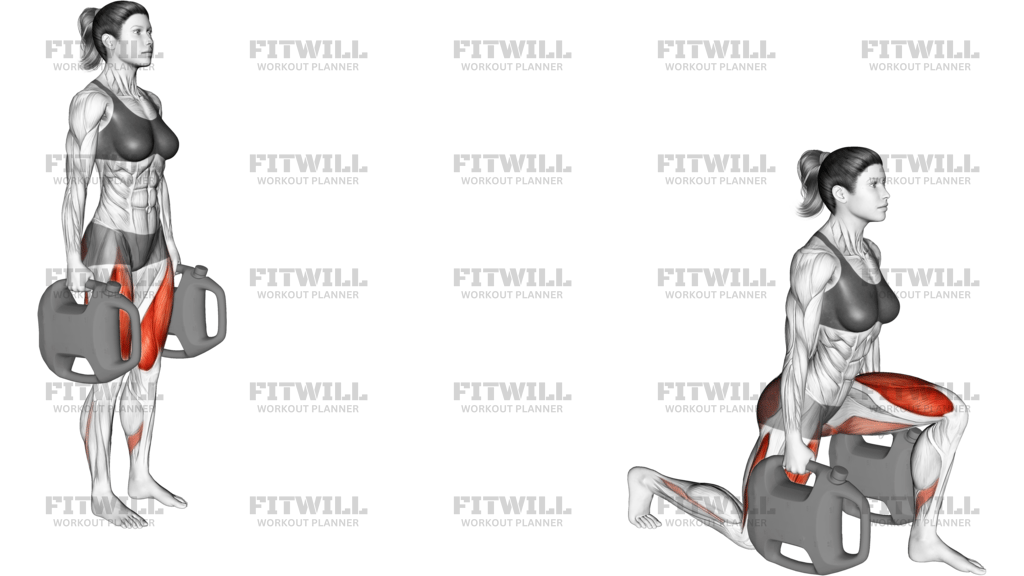
Weighted Squat is a belt-loaded squat variation that shifts the load away from the upper back and into the hips and legs. In the setup shown here, the weight hangs from a dip belt between the feet, which lets the torso stay more upright while the thighs and glutes do most of the work. That makes the exercise useful when you want squat strength and leg volume without the same bar-on-back feel of a traditional back squat.
The hanging load changes how the squat feels. Because the resistance sits low and centered, you get a strong leg stimulus with less direct loading on the shoulders and upper spine. The main muscles involved are the glutes and thighs, with the hamstrings, core, and lower back helping you stay stacked and controlled as you descend and drive back up. The belt setup also makes it easier to keep tension on the legs without having to fight a heavy bar in the hands or across the traps.
The setup matters more here than in many squat variations because a loose belt or off-center plate will pull you out of position. Stand on the platform with your feet planted, the belt clipped securely, and the weight hanging straight down between your legs. Once you brace, keep your chest tall and your ribs controlled so the weight stays centered instead of swinging forward.
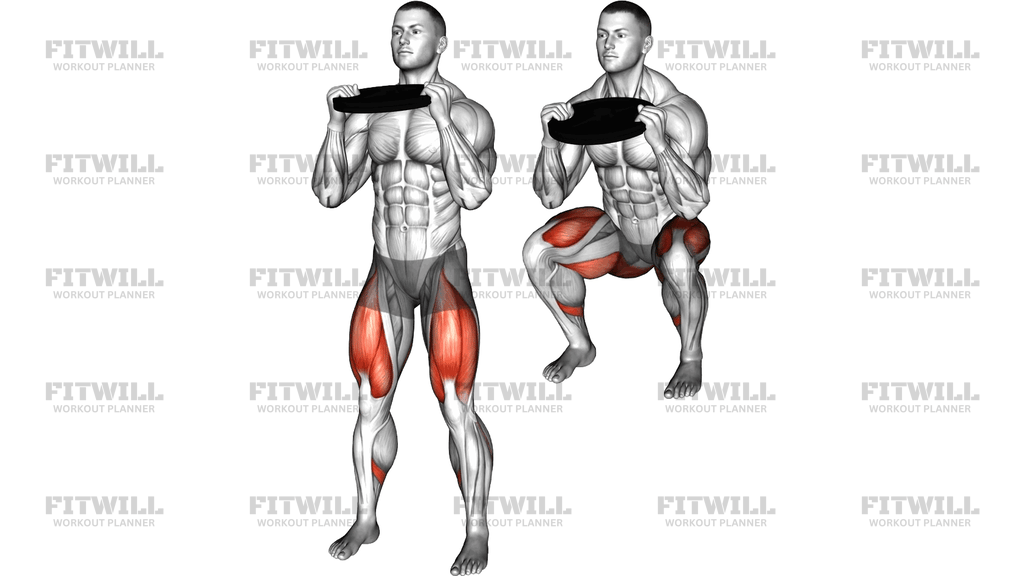
A good repetition starts by sending the knees and hips down together while keeping the heels heavy and the knees tracking over the toes. At the bottom, the hips should sit between the heels without collapsing inward or bouncing off the platform. Drive back up through the whole foot, finish tall, and avoid leaning back to "help" the weight rise. If the bottom position feels cramped, adjust the stance width before you force extra depth.
Weighted Squat is a practical choice for lifters who want to train legs hard while reducing the need to balance a bar across the shoulders. It works well in strength blocks, hypertrophy work, or as a joint-friendly squat option when the back or shoulders need a break from axial loading. The best sets are the ones where the belt stays quiet, the torso stays organized, and every rep looks the same from the first to the last.
[ Workout Log & Planner ]
Put your next workout in Fitwill
Keep your plan and training log ready when you are.


Instructions
- Step onto the platform with the belt clipped securely to the hanging weight and the plate centered between your feet.
- Place your feet about shoulder-width apart with your toes turned slightly out and your weight balanced over the midfoot.
- Stand tall with your arms held forward for balance and keep the belt hanging straight without twisting.
- Take a breath, brace your trunk, and keep your ribs stacked over your pelvis before you start the descent.
- Lower by bending your hips and knees together until your thighs reach a comfortable squat depth without your heels lifting.
- Track your knees in line with your toes and let the weight hang quietly rather than swinging forward or backward.
- Pause briefly at the bottom without relaxing the belt tension or collapsing into the platform.
- Drive through your heels and midfoot to stand back up, squeezing your glutes as you finish tall.
- Exhale as you rise, then reset your stance and balance before the next repetition.
- After the final rep, stand fully upright, let the weight settle, and step off the platform carefully.
Tips & Tricks
- If the plate swings at the bottom, slow the descent and keep the belt clip centered before starting the set.
- Use a stance that lets your hips sink between your heels; too narrow usually forces the knees forward and shortens depth.
- Keep your torso tall instead of folding over, or the movement turns into a hip hinge and the belt becomes harder to control.
- A small toe-out angle usually helps the knees track cleanly and gives the hips more room at the bottom.
- Do not lock the knees hard at the top; finish tall with the legs straight and the glutes tight, then start the next rep smoothly.
- If your heels want to lift, reduce depth slightly and widen the stance a touch rather than shifting onto your toes.
- Choose a load that lets the plate stay steady; once the weight starts swinging, the set is usually too heavy.
- Keep the belt low and snug on the hips so it does not ride up into the waist during the first few reps.
- For more leg emphasis, pause for a second at the bottom instead of bouncing out of the hole.
- Stop the set when your knees cave inward or your torso starts chasing the weight forward.
Frequently Asked Questions
What makes Weighted Squat different from a regular back squat?
The load hangs from a belt instead of resting on your shoulders, so the torso can stay more upright and the upper back is less involved in supporting the weight.
What muscles does Weighted Squat train most?
It mainly trains the glutes and thighs, with the hamstrings, core, and lower back helping you stay stable through the squat.
Is the belt setup better for my back?
It can be a useful option when you want to reduce shoulder and spinal loading, but you still need to brace and control the descent so the lower back does not take over.
How deep should I squat on Weighted Squat?
Go as deep as you can while keeping your heels down, knees tracking over the toes, and the belt hanging centered instead of pulling you forward.
Why does the plate swing during the set?
The swing usually comes from rushing the descent, shifting your stance, or letting the belt clip sit off-center. Reset the plate between the feet and slow the tempo.
Can beginners use Weighted Squat?
Yes, but they should start light and practice the stance first so the belt, platform, and balance all feel controlled before adding load.
What is the most common form mistake on this exercise?
Leaning forward and turning the squat into a hinge is the biggest error. Keep your chest tall and let the knees and hips bend together.
Can I substitute another squat if I do not have a belt setup?
A goblet squat or a heel-elevated squat is the closest practical substitute if you want a similar upright torso and leg-focused pattern.