Wind Sprints
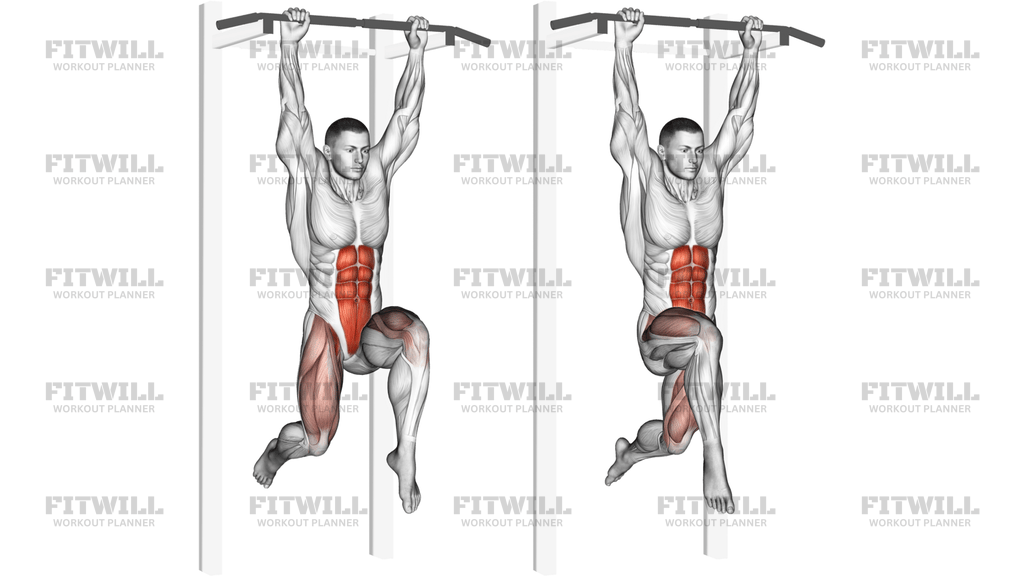
Wind Sprints are short, fast running efforts used to build acceleration, top-end speed, and the ability to repeat hard bursts without falling apart mechanically. They are most useful when you want a simple conditioning drill that also reinforces sprint posture, quick ground contact, and coordinated arm drive. The bodyweight nature of the movement means the main challenge is not external load, but how well you produce force and keep your form together when speed rises.
The biggest training effect comes from the legs and hips, especially the glutes, hamstrings, quadriceps, and calves, with the core working hard to keep the torso from twisting or collapsing. The abs and obliques help you stay braced as the stride opens up, while the hip flexors contribute to the quick knee drive that makes each step feel sharp. If the torso leans too far from the waist or the steps get too long, the sprint turns into a reach instead of a clean push.
A good set starts before the first step. Pick a flat, unobstructed strip of ground, set a clear start and finish point, and stand in a tall athletic stance with your feet staggered or side by side depending on how you want to launch. Wind Sprints work best when the start is simple and repeatable, because the first few strides determine whether you accelerate smoothly or waste energy wobbling into the run.
During the sprint, drive the arms aggressively, keep your chest proud, and let the body lean only slightly from the ankles as you accelerate. Push the ground back with each step, land under your center of mass, and keep your stride quick rather than reaching far in front of you. After the timed burst or distance target, decelerate under control and walk until your breathing settles before the next repeat.
Wind Sprints fit well in conditioning sessions, field work, sport prep, or as a finisher after strength training when you still have enough freshness to run fast. They are not the place to chase sloppy fatigue; the goal is crisp repeats with enough rest that each sprint still looks like a sprint. If speed drops sharply, your posture changes, or your hamstrings start to feel cramped, end the set and recover before you do another round.
[ Workout Log & Planner ]
Put your next workout in Fitwill
Keep your plan and training log ready when you are.


Instructions
- Mark out a flat running lane or open stretch of ground and stand behind the start point in a tall athletic stance.
- Set one foot slightly in front of the other, bend your knees a little, and lean forward only from the ankles.
- Set your hands in a sprint-ready position and keep your chin neutral, eyes looking straight ahead.
- Drive the first step hard off the ground and pump your arms aggressively to build speed quickly.
- Keep your torso firm and your hips high as the strides get faster, letting the knees lift naturally instead of reaching forward.
- Land each foot under your center of mass and push the ground back behind you with short, quick contacts.
- Run through the finish point with the same posture instead of popping upright too early.
- Slow down over the last few steps, then walk back until your breathing and heart rate recover before the next sprint.
Tips & Tricks
- Use a distance that lets every rep stay fast, such as a short straightaway or a measured cone-to-cone run.
- Keep the lean subtle; bending at the waist turns Wind Sprints into a fold-over run instead of a clean acceleration drill.
- Think about driving the elbows back and forth, not crossing the hands in front of your chest.
- If your steps get long and heavy, shorten the sprint and focus on pushing the ground away faster.
- Choose a surface with traction so you can accelerate without slipping at the first two or three steps.
- Full recovery matters here; walk long enough that the next rep still feels sharp rather than just hard.
- Warm up with leg swings, skips, and a few build-up runs before going all-out.
- Stop the set when your posture starts rising early or your foot strikes begin landing far in front of you.
Frequently Asked Questions
What muscles do Wind Sprints work most?
Wind Sprints mainly train the glutes, hamstrings, quadriceps, calves, and hip flexors, with the abs and obliques helping keep the torso stable.
Are Wind Sprints good for beginners?
Yes, if you keep the bursts short and rest long enough between reps. Beginners should start with fewer sprints and stop before form gets sloppy.
How far should a Wind Sprint be?
Most people do better with short distances, like 20 to 40 meters, or brief 10 to 20 second bursts. The right distance is the one you can sprint hard without losing mechanics.
Should I start Wind Sprints from a crouch?
Not unless you are specifically training starts. A tall athletic stance is easier to repeat and keeps the drill focused on acceleration rather than a track-style start.
Why do my hamstrings tighten up during Wind Sprints?
That usually means the warm-up was too short, the strides are too long, or you are trying to sprint hard while fatigued. Shorten the rep and clean up the first steps.
Can Wind Sprints be done on a treadmill?
They are safer and easier to control on flat ground, a track, or turf. Treadmill sprinting changes the feel of acceleration and leaves less room for technical errors.
How much rest should I take between Wind Sprints?
Rest long enough to recover your breathing and leg snap, often one to several minutes depending on speed and distance. If you cannot hit the next rep with similar pace, the rest was too short.
What is the main form mistake in Wind Sprints?
The most common mistake is reaching the feet too far ahead and standing up too early. Keep the first steps powerful and let the body rise gradually as speed builds.