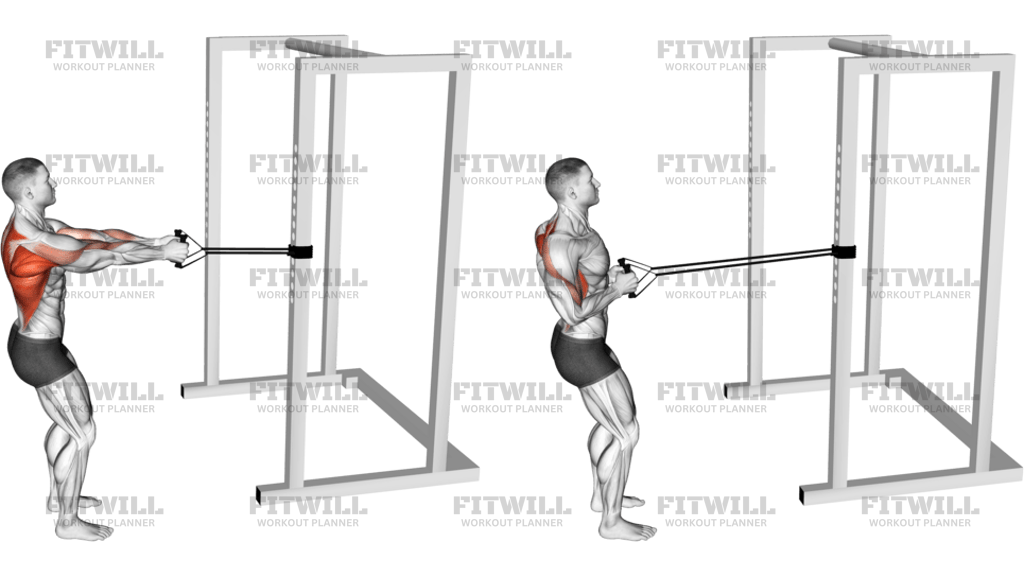
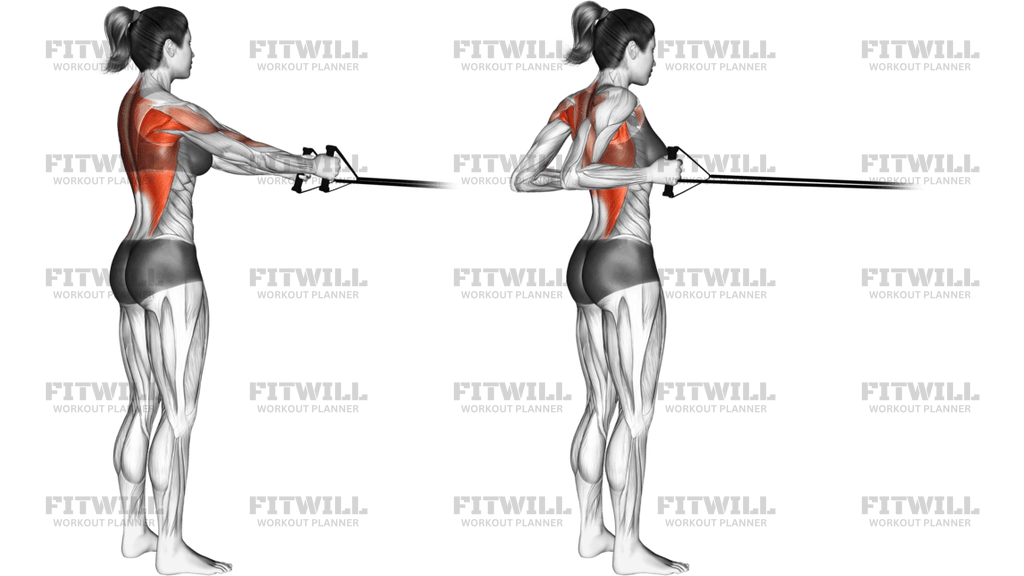
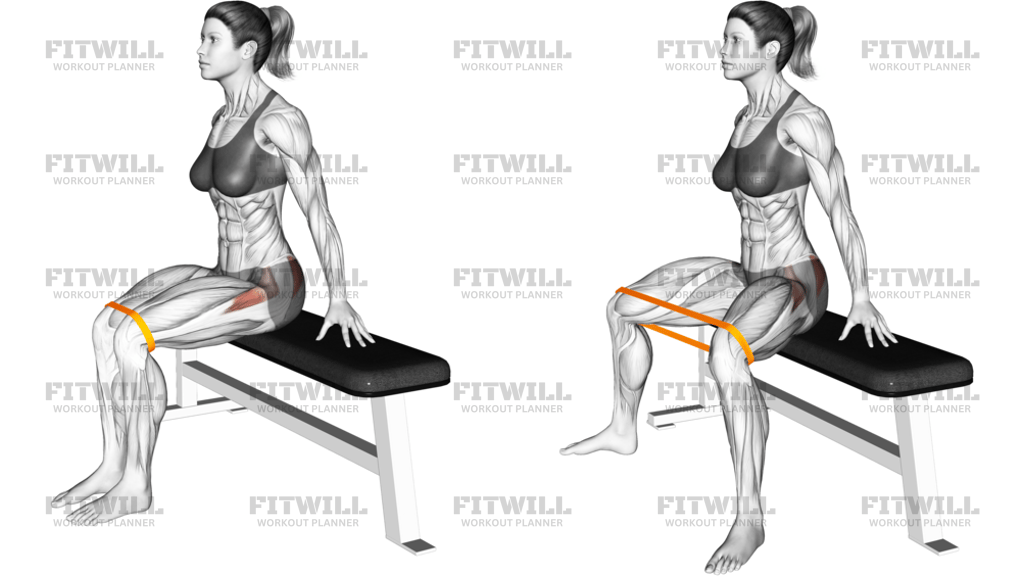
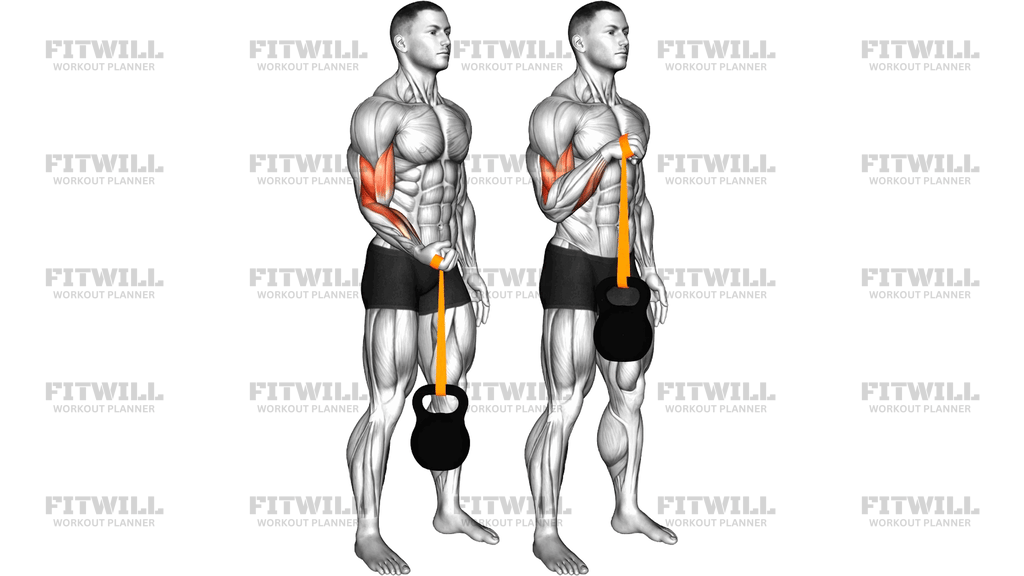
Band Standing Internal Shoulder Rotation
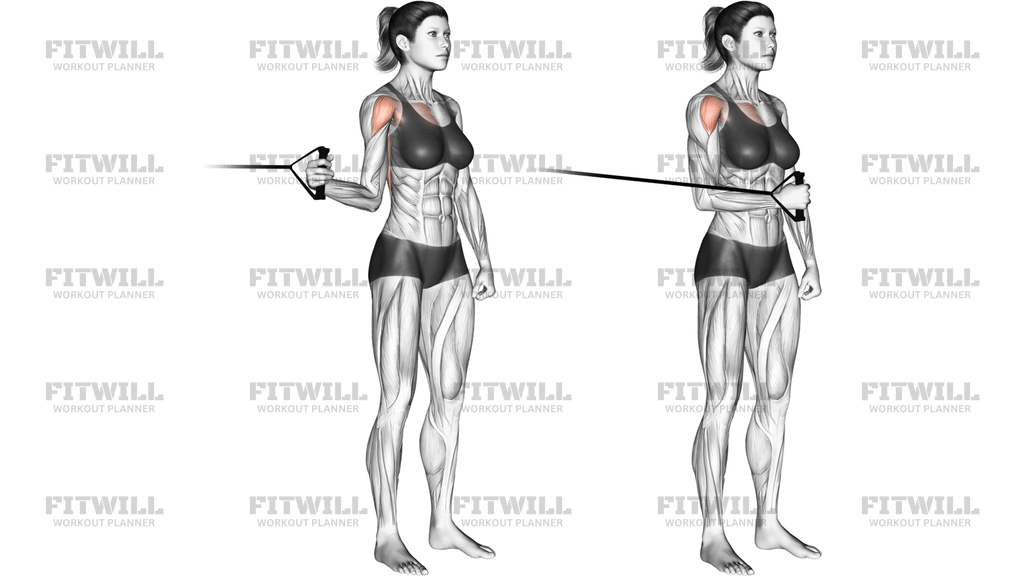
Band Standing Internal Shoulder Rotation is a standing rotator-cuff accessory used to train internal rotation at the shoulder with light, controlled resistance. The band gives you a clear line of pull, so the exercise works best when the elbow stays pinned to the side and the upper arm does not drift forward or flare away from the torso.
This movement is useful when you want to build shoulder control, improve the strength of the internal rotators, or add low-fatigue work that supports pressing, throwing, and other overhead or bench-based training. It is not a big compound lift; it is a precision drill that rewards a stable stance, a quiet torso, and a smooth rotation through the shoulder joint.
The setup matters more than the load. Stand sideways to the anchor point, hold the band in the hand farthest from the anchor, bend the elbow to about 90 degrees, and keep the elbow tucked against your ribs. Start with the forearm moved away from the body, then rotate the hand inward toward the stomach while the shoulder stays packed and the wrist stays neutral.
Each rep should feel like a clean rotation, not a shove or a body turn. Keep the ribs down, avoid leaning away from the band, and stop the range before the elbow drifts off the side of the torso. The return should be slow and controlled so the shoulder stays under tension instead of snapping back.
Use this exercise in a warm-up, rehab-style accessory block, or lightweight shoulder stability session. It pairs well with external rotation work because it addresses the opposite motion, and it is especially helpful when a lifter needs more awareness of shoulder position under low resistance. Choose a band that lets you repeat the same path without pain, shrugging, or twisting through the trunk.
[ Workout Log & Planner ]
Put your next workout in Fitwill
Keep your plan and training log ready when you are.


Instructions
- Stand sideways to a band anchor and hold the handle in the hand farthest from the anchor.
- Bend the working elbow to about 90 degrees and pin it against the side of your ribs.
- Start with the forearm rotated outward away from your torso and keep the wrist straight.
- Brace your midsection and keep your shoulders level before you begin the pull.
- Rotate the hand inward across the front of your body until it approaches your stomach or midline.
- Keep the upper arm still so the motion comes from the shoulder, not from the elbow drifting forward.
- Pause briefly at the end of the inward rotation without shrugging or twisting your torso.
- Return slowly to the start under control while keeping constant tension on the band.
- Repeat for the planned reps, then reset your stance before switching sides.
Tips & Tricks
- Keep the elbow glued to your side; if it floats away, the shoulder rotation turns into a whole-body compensation.
- Use a light band first. This movement is easy to overload, and too much tension will pull you into trunk rotation or shoulder shrugging.
- Let the hand travel only as far as the shoulder can rotate without pain. A smaller clean range is better than forcing the forearm across the body.
- Keep the wrist straight so the band does not twist the hand into an awkward position at the end of the rep.
- Exhale as you rotate inward and inhale on the controlled return to keep the torso quiet.
- Stand tall with your ribs stacked over your pelvis; arching the low back will usually make the shoulder path sloppy.
- If the band is pulling from behind you, make sure the handle starts slightly away from the body so the first inch of motion is not already shortened.
- Work one side at a time and match the range and tempo on both arms instead of chasing the same band tension on each side.
- Stop the set if you feel pinching in the front of the shoulder, not just muscle effort.
- Use a slow return, because the eccentric phase is where the rotator cuff has to control the band most clearly.
Frequently Asked Questions
What muscles work most during standing band internal shoulder rotation?
The main work comes from the shoulder internal rotators, especially the rotator cuff muscles that control inward rotation.
Should my elbow stay at my side the whole time?
Yes. Keeping the elbow pinned to your ribs is what isolates shoulder internal rotation and prevents the rep from turning into a swinging arm movement.
How far should I rotate the handle inward?
Only as far as you can go without the elbow drifting, the shoulder shrugging, or the front of the shoulder feeling pinched.
What is the most common mistake with this band drill?
The biggest mistake is turning the torso or letting the upper arm leave the side of the body to fake a bigger range.
Is this a strength exercise or a rehab exercise?
It can serve both purposes, but it is usually programmed as a light accessory, warm-up, or shoulder-prep movement rather than a heavy strength lift.
Can I do this exercise if my shoulder feels tight?
Yes, if the motion is pain-free and controlled. Tightness is normal, but sharp pain or pinching means the range or load is too aggressive.
Where should the band be anchored?
Set the anchor roughly at elbow height so the pull stays level with the shoulder and the rotation stays clean.
Should I train both arms the same way?
Yes, but switch sides and match the path, tempo, and range instead of forcing the same band tension regardless of shoulder comfort.