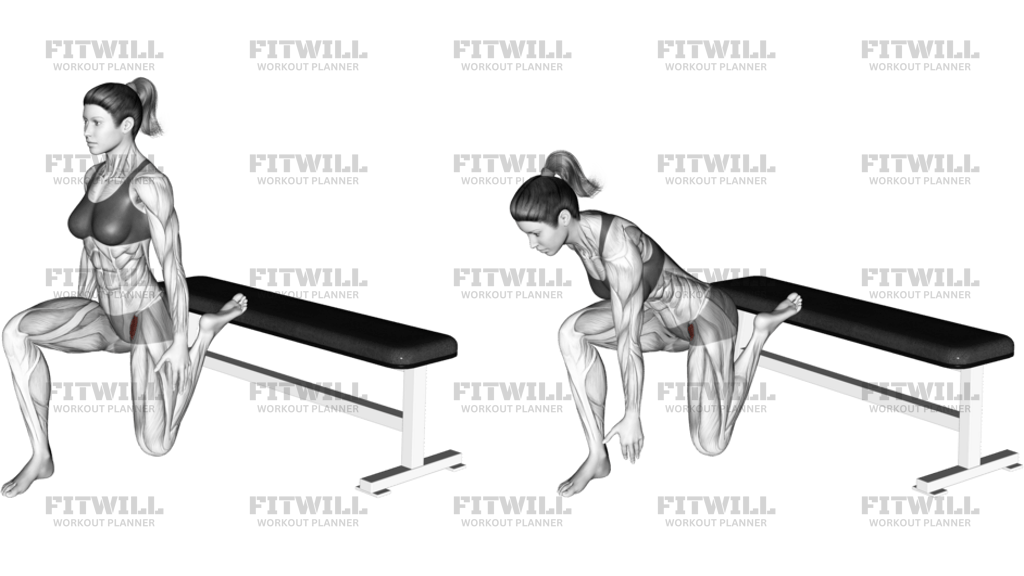
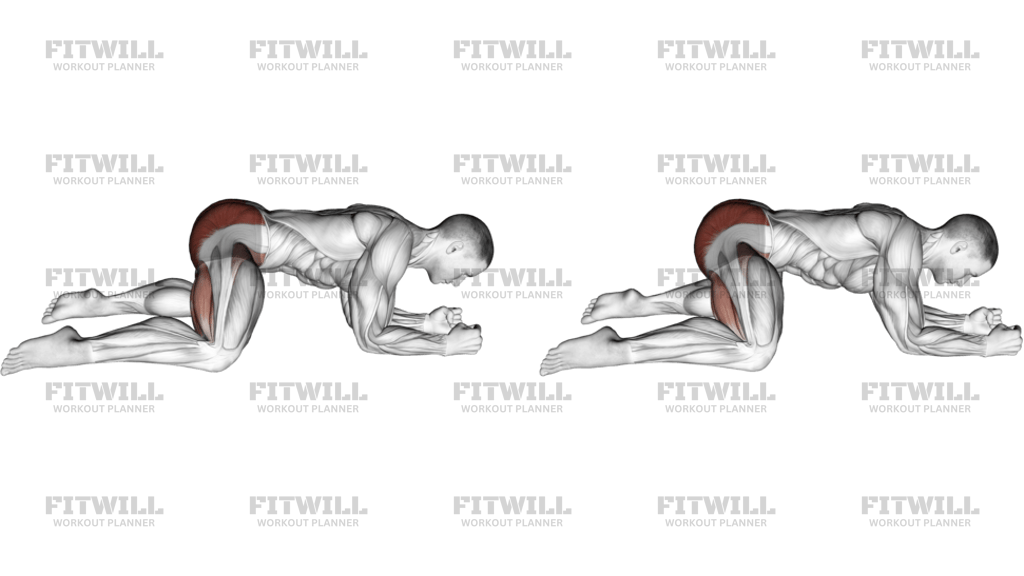
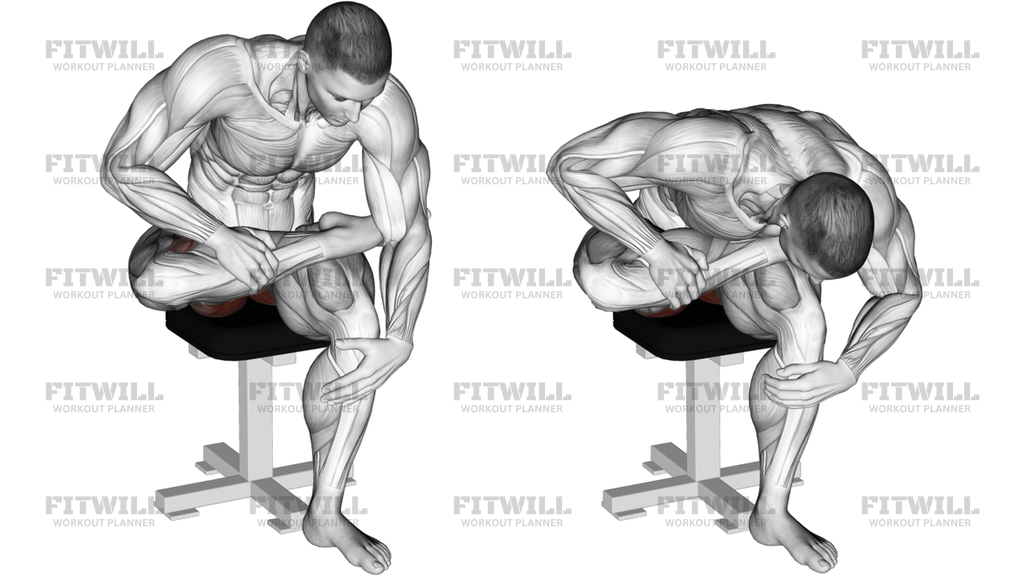
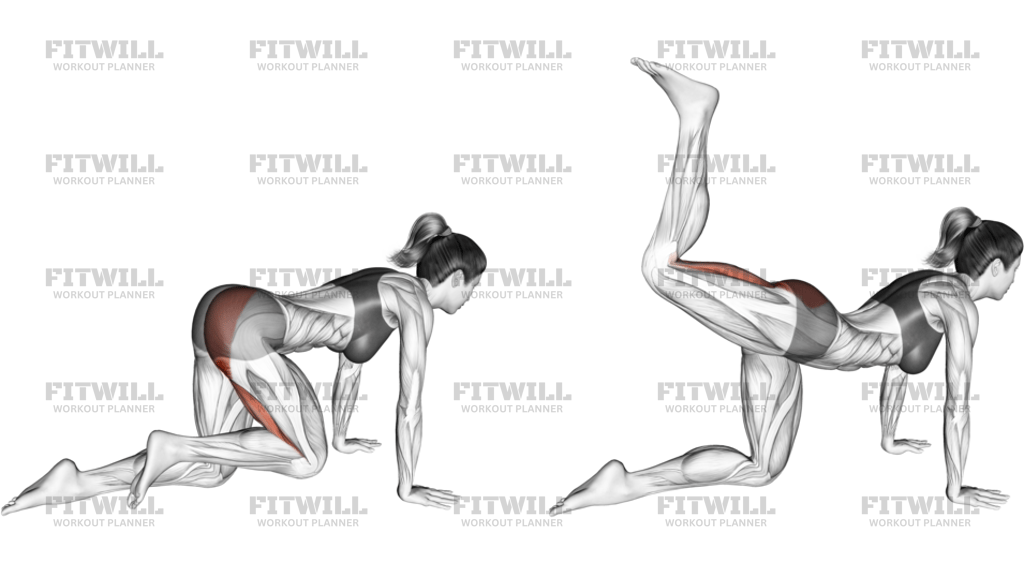
Quadruped Hip Rotation
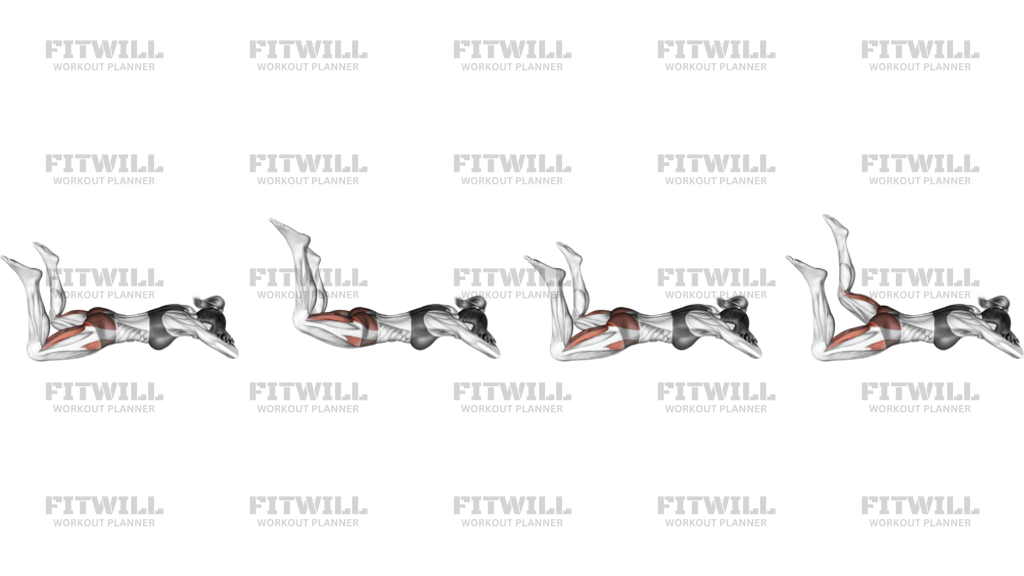
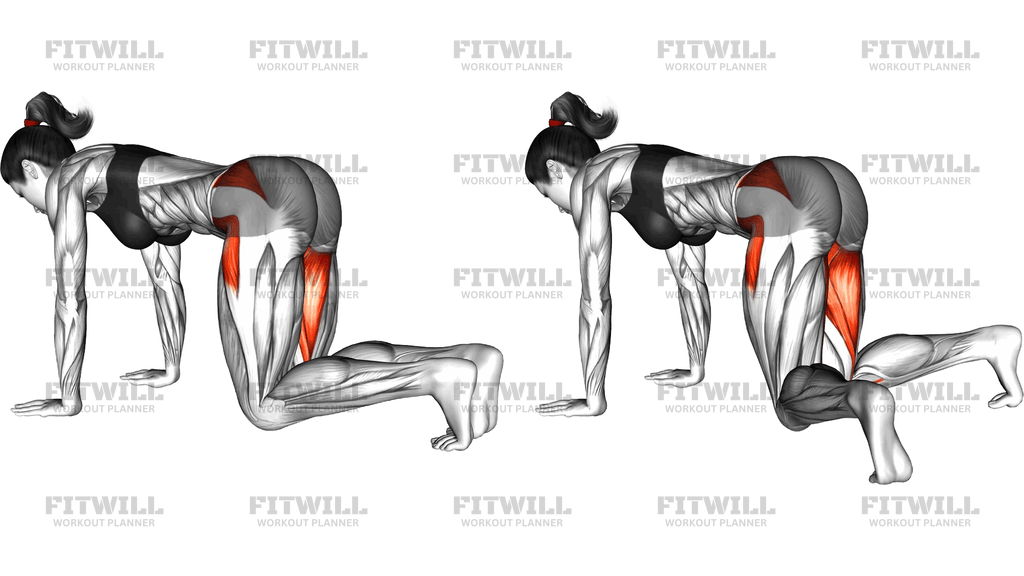
Quadruped Hip Rotation is a floor-based mobility and activation drill performed on all fours, where one leg moves through rotation at the hip joint while the rest of the body stays anchored and still. From a hands-and-knees position, you lift one knee slightly off the floor and sweep the bent leg out to the side, rotating through the hip before returning it with control. The upper body, spine, and pelvis are meant to stay quiet so the movement comes purely from the working hip.
This drill is especially useful for people who sit for long hours, runners, lifters who squat or hinge heavily, and anyone starting a lower-body warm-up. Prolonged sitting tends to leave the hips stiff and the glute muscles sluggish, and rotating the leg in this supported position lets you work the hip through its range without loading the spine or knee. Because the hands and opposite knee provide a stable base, it is also a common choice in rehab-style warm-ups and postpartum or beginner programs where standing balance is not yet the goal.
The primary work comes from the glute muscles, particularly the gluteus medius on the side of the hip as it rotates and controls the leg, with the larger gluteus maximus assisting and the adductors on the inner thigh lengthening and controlling the leg as it crosses back toward the midline. The deep core and trunk stabilizers work isometrically the whole time to keep the torso from twisting, which is why the exercise trains hip control and not just hip range.
Setup quality determines everything here. Hands stacked under the shoulders, knees under the hips, and a neutral spine give the working hip a fair chance to move through its range without the pelvis cheating by tipping or rotating. If the ribcage collapses or the hips shift sideways to fake extra range, the drill turns into a torso exercise and the hip gets very little out of it.
To execute it well, think of the femur as the only moving piece: the knee bends, the foot stays relaxed, and the thigh rotates outward so the knee travels out to the side and slightly up, then reverses back toward or past the starting line. Move slowly enough that you could pause at any point, and keep the neck long with your gaze down at the mat.
Use Quadruped Hip Rotation as a warm-up before squats, deadlifts, lunges, running, or any sport that demands hip rotation and single-leg control. A common dose is eight to twelve controlled rotations per side, per direction. Stop or shorten the range if you feel pinching in the front of the hip, and never force the knee into a range it does not want to reach.
[ Workout Log & Planner ]
Put your next workout in Fitwill
Keep your plan and training log ready when you are.


Instructions
- Kneel on an exercise mat and place your hands on the floor directly under your shoulders, fingers spread and arms straight but not locked.
- Set your knees directly under your hips so your thighs are vertical, and settle into a neutral spine with a long neck and your gaze down at the mat.
- Shift a little weight into your right hand and left knee, then lift your right knee about two to three centimeters off the floor, keeping the knee bent and the foot relaxed.
- Brace your abs lightly and imagine a cup of water balanced on your lower back that you must not spill for the entire set.
- Keeping the knee bent at roughly 90 degrees, rotate at the hip and sweep your right knee out to the side, letting the thigh rotate outward and the shin follow.
- Continue until the knee reaches a comfortable end range out to the side, pausing briefly with the torso still facing the floor and the hips level.
- Reverse the path with control, drawing the knee back down and inward across the midline toward the floor beside the supporting leg, then return to the lifted start.
- Breathe steadily throughout, inhaling as the knee swings out and exhaling as it returns, and avoid holding your breath.
- Complete all repetitions on one side, then lower the knee, reset your hand and knee position, and switch to the left leg.
Tips & Tricks
- If your hips slide sideways as the knee travels out, you are borrowing range from the pelvis. Put a water bottle on your lower back or have someone watch from behind and aim to keep it level.
- A common mistake is turning this into a fire hydrant by only lifting the knee out to the side without rotating the thigh. Focus on the turn of the femur, not just the height of the knee.
- Keep the working foot passive and relaxed. Gripping or pointing the foot usually means the hamstrings are taking over a job that belongs to the hip rotators.
- If the front of the hip pinches at the start position, tuck the pelvis slightly under and take a smaller knee lift before rotating rather than pushing through the pinch.
- Slow down before you add reps. A rotation that takes three seconds in each direction trains hip control far better than a fast leg swing.
- Wrist discomfort is common in floor drills. Spread your fingers, press through the base of the thumb and index finger, or drop to forearms on a mat if your wrists complain.
- Do not chase the knee height. Range at the hip joint matters more than how far the knee reaches, and forcing height usually just tips the torso.
- Keep the supporting knee pointing straight down under the hip. Letting it drift inward changes your base and makes the pelvis rotate.
- Warm the hips up first with a few gentle cat-cow or hip circles before starting, especially first thing in the morning when the joints feel stiff.
Frequently Asked Questions
What muscles does Quadruped Hip Rotation work?
The glutes do the main work, especially the gluteus medius on the outer hip as it rotates and controls the leg. The adductors on the inner thigh control the leg as it returns, and the deep core stabilizes the trunk the entire time.
Is Quadruped Hip Rotation a strength exercise or a stretch?
It sits between the two, which is why it works so well as a warm-up. The hip moves actively through rotation under muscular control, so you are training range with strength rather than passively stretching.
Should my knee lift be high during the rotation?
No. The knee only needs to clear the floor by a small amount so the thigh can rotate freely. Height usually comes from tipping the pelvis or twisting the spine, which takes the work away from the hip.
Why do I feel this in my lower back instead of my hips?
That usually means the trunk is twisting to create the motion. Brace your abs, shorten the range, and check that your shoulders stay square to the floor throughout the rotation.
Can beginners do Quadruped Hip Rotation?
Yes, it is one of the most beginner-friendly hip drills because the hands and supporting knee provide a stable base and there is no external load. Start with a small range and fewer reps, and prioritize smooth, controlled motion.
How does this differ from a fire hydrant?
A fire hydrant mainly lifts the bent knee out to the side in the frontal plane, while Quadruped Hip Rotation emphasizes turning the thigh bone within the hip socket. The rotation component targets the hip rotators and outer glutes more specifically.
How many reps and sets should I do?
Eight to twelve slow rotations per side works well as a warm-up, either in one direction or alternating. You can do two rounds before lower-body training, or use it daily as a general hip mobility practice.
What can I use instead of an exercise mat?
A folded towel, carpet, or grass provides enough padding for the knees and hands. The surface only needs to cushion the kneeling knee and give your hands a non-slip grip.
Is it safe if I feel a click in my hip during the rotation?
Painless clicking is common and usually harmless, but reduce the range so the motion stays smooth. If the rotation causes pain, pinching, or catching, stop and have a qualified professional assess the hip before continuing.