Sitting Foot To Chest Buttocks Stretch
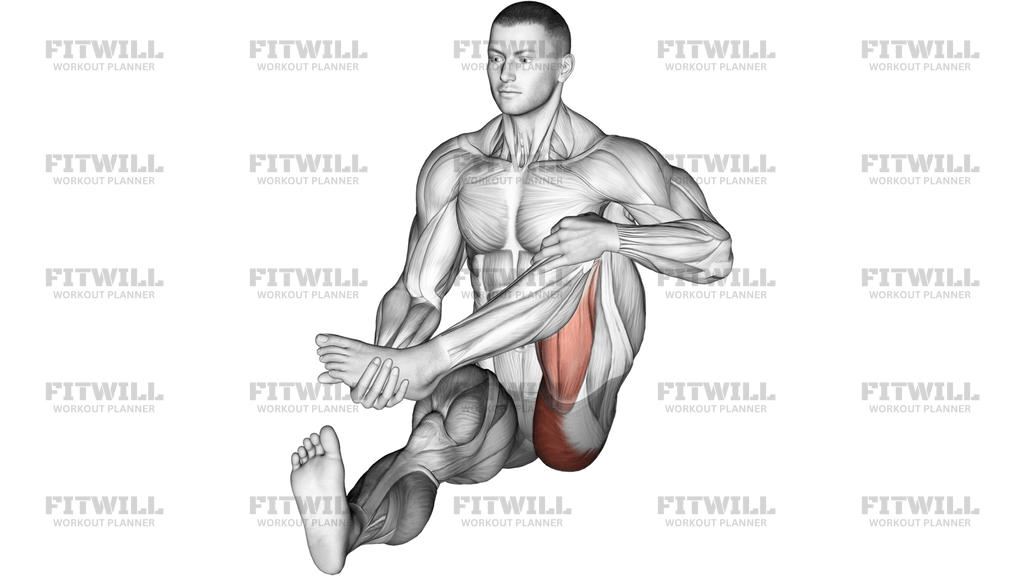
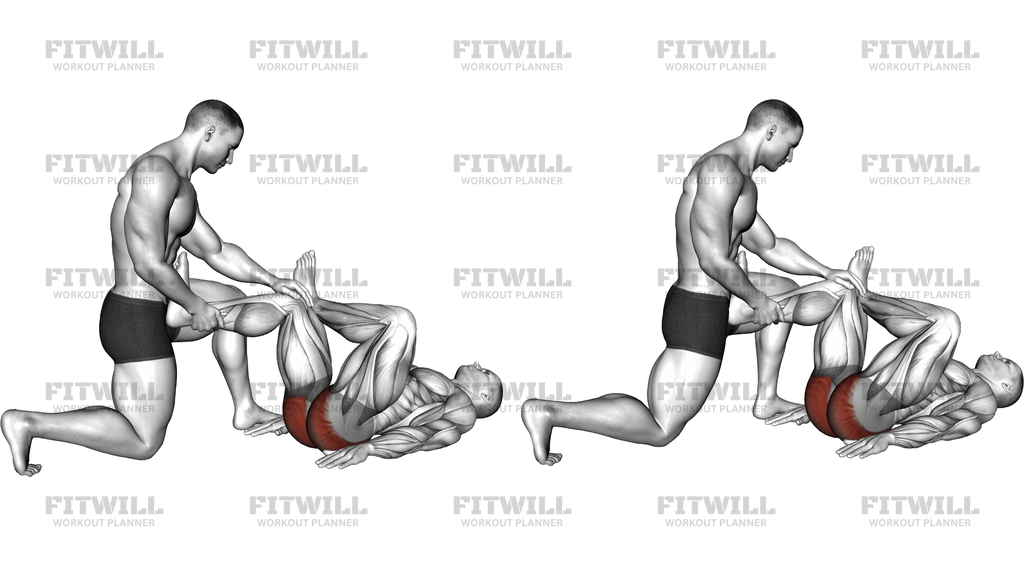
Sitting Foot To Chest Buttocks Stretch is a seated bodyweight mobility exercise for the hips and glutes. It is used to open the back of the hip, ease tension around the buttocks, and teach a calm, controlled stretch position on an exercise mat. The movement is simple, but the setup matters because a tall spine and steady pelvis decide whether you feel a clean glute stretch or just round through your lower back.
This exercise is useful before lower-body training, after long periods of sitting, or anytime the hips feel tight and compressed. The target is not force or range for its own sake. The goal is to bring the foot or knee toward the chest just far enough to feel a steady stretch through the buttock and outer hip while the torso stays relaxed and organized.
The best version of Sitting Foot To Chest Buttocks Stretch starts from the floor with the sit bones grounded and the non-working leg positioned so you can stay balanced. From there, you guide one leg toward the chest with your hands and hold the position without jerking or twisting. Small adjustments in torso angle, foot position, and how firmly you pull will change where the stretch lands, so the setup should feel deliberate before you deepen the range.
Because this is a stretch, breathing and patience are part of the exercise. Inhale to create space through the ribs, then exhale and gently settle into the position without collapsing forward. If you lose posture, the stretch usually shifts into the low back or feels pinchy in the hip, so reduce the pull and keep the pelvis level instead of chasing a bigger shape.
Sitting Foot To Chest Buttocks Stretch is most effective as a controlled mobility drill rather than a bounce or max-range hold. Use it to restore hip motion, prepare for squats or lunges, or finish a session when the glutes and hips need to calm down. When performed cleanly, it gives a clear, repeatable stretch that is easy to scale for beginners and easy to keep honest for experienced lifters.
[ Workout Log & Planner ]
Put your next workout in Fitwill
Keep your plan and training log ready when you are.


Instructions
- Sit on an exercise mat with both sit bones grounded and your spine tall before you move.
- Bend one leg and bring that foot or shin toward your chest while the other leg stays relaxed on the floor for balance.
- Keep your shoulders down and your ribs stacked over your pelvis instead of rounding hard through the low back.
- Hold the pulled-in leg with both hands or with a firm, comfortable hold around the shin or thigh.
- Exhale and gently draw the leg closer until you feel a stretch in the buttock and back of the hip.
- Keep the knee tracking in line with the hip so the stretch stays in the glute instead of twisting the torso.
- Breathe slowly for the full hold and soften the grip if the stretch turns sharp or pinchy.
- Release the leg with control, reset your posture, and repeat on the other side if the routine calls for both hips.
Tips & Tricks
- If your lower back takes over, sit taller and pull the leg in less aggressively so the stretch stays in the buttock.
- A folded mat or small cushion under the sit bones can help if you cannot stay upright without rounding.
- Keep the non-stretching leg relaxed instead of pressing it hard into the floor, which can tilt the pelvis and change the stretch.
- Use a gentle hold around the thigh or shin rather than yanking on the foot if your hamstrings cramp.
- Turn the pulled-in knee slightly outward or inward to find the exact spot in the glute that feels tight, then stop where the stretch is steady.
- Do not bounce the knee toward the chest; a slow exhale should be enough to deepen the position.
- If the hip feels pinchy in the front, reduce the knee-to-chest angle and keep the thigh from crossing too far across the body.
- Use this as a mobility drill, not a strength test; the right intensity is a firm stretch, not pain.
Frequently Asked Questions
What does Sitting Foot To Chest Buttocks Stretch target most?
It mainly targets the glutes and the back of the hip on the pulled-in side, with the core helping you stay upright.
Do I need any equipment for Sitting Foot To Chest Buttocks Stretch?
No. An exercise mat is enough, and a cushion under the hips can make it easier to sit tall.
How do I keep the stretch in my buttock instead of my lower back?
Keep your ribs stacked over your pelvis and draw the leg in only until the stretch feels steady. If you round forward, the low back usually starts to take over.
Is Sitting Foot To Chest Buttocks Stretch good before squats or lunges?
Yes. It can help restore hip comfort and reduce the tight, pinched feeling that sometimes shows up before lower-body training.
Should I pull on my foot or my shin?
Either can work, but holding the shin or thigh is usually safer and easier to control if your hamstrings are tight.
What is the most common mistake in Sitting Foot To Chest Buttocks Stretch?
People often yank the leg in too far and round the spine. A smaller, calmer range gives a cleaner stretch.
Can beginners do Sitting Foot To Chest Buttocks Stretch?
Yes. Beginners usually do best with a shorter hold, an upright torso, and a gentle pull rather than forcing the knee toward the chest.
What should I do if the hip feels pinchy or sharp?
Back off the range, keep the pelvis level, and stop if the pinch does not settle. A stretch should feel strong but not sharp.