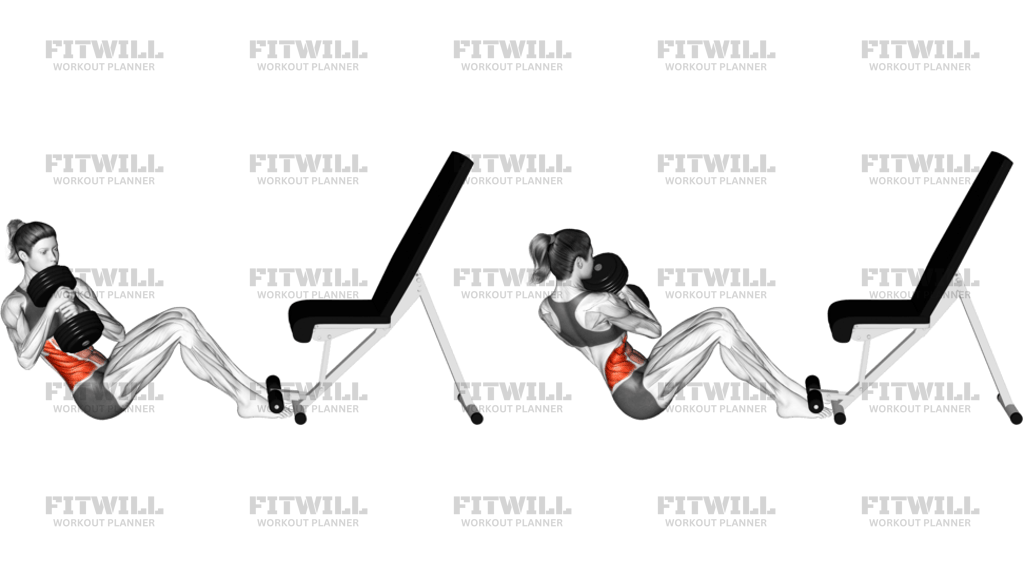
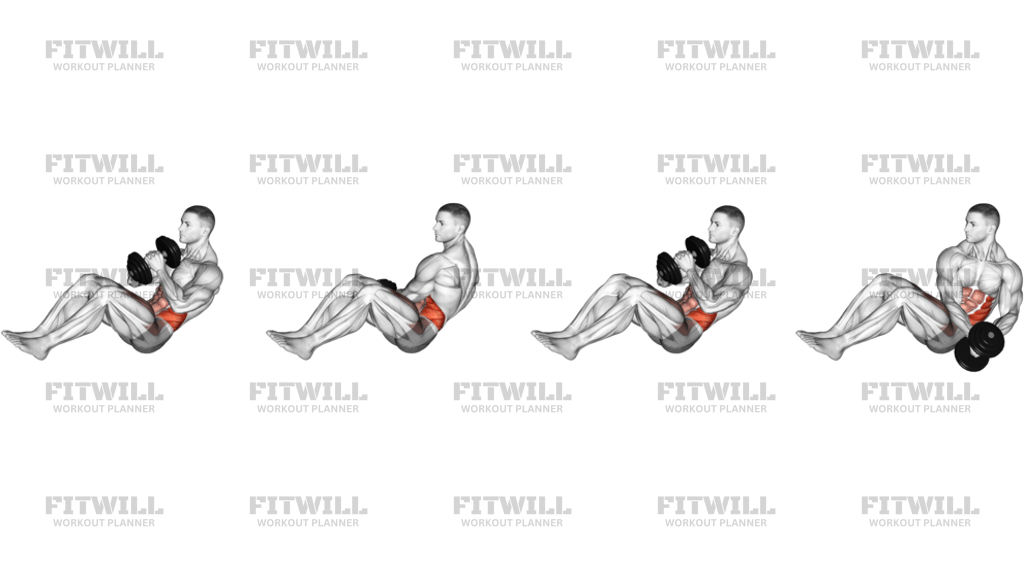
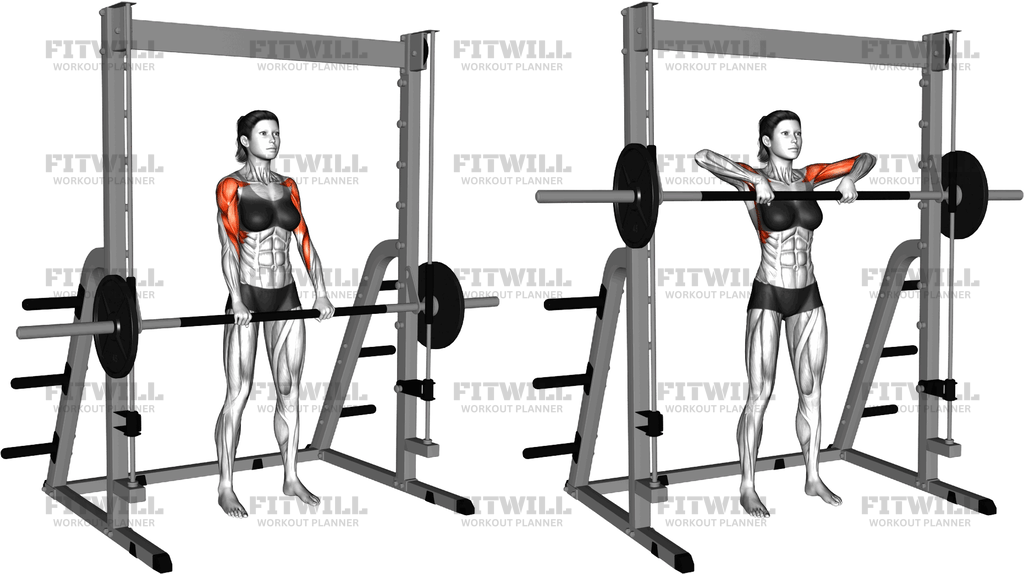
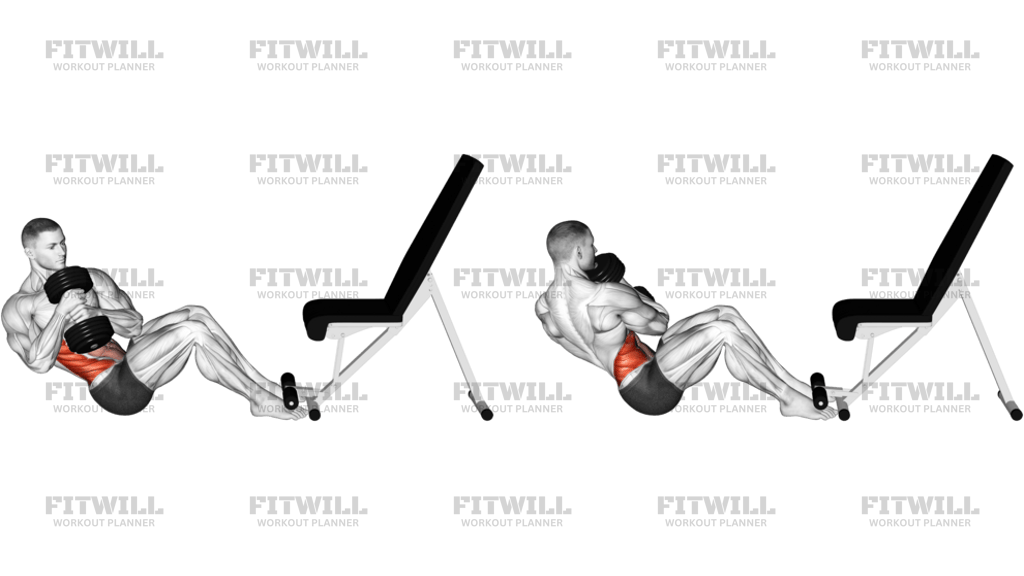
Dumbbell Powell Raise
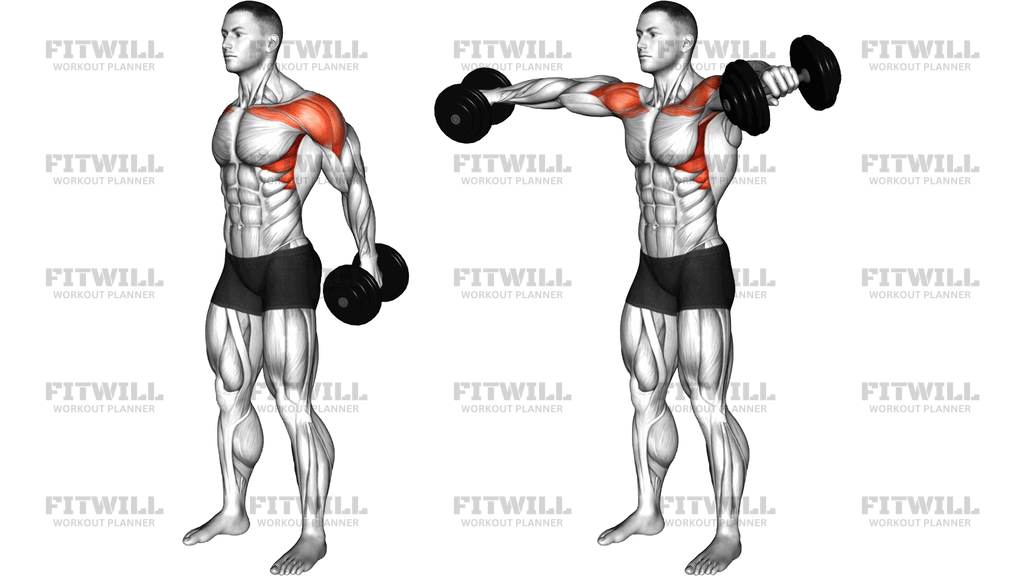
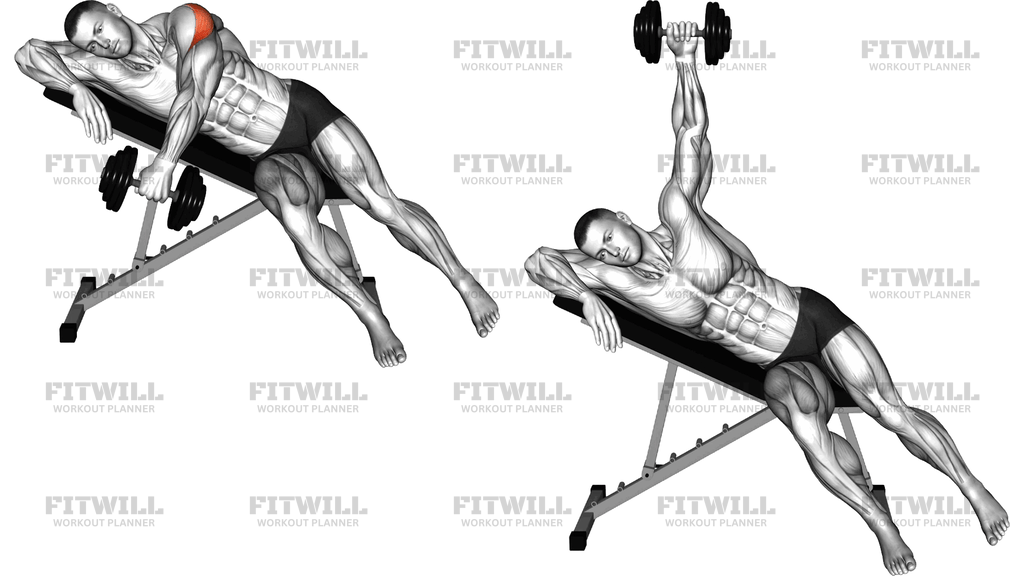
The Dumbbell Powell Raise is a side-lying shoulder raise performed on an incline bench, where you lift a dumbbell from hip height up toward the ceiling with your upper arm. Because your body is supported on the bench and the arm works against gravity along a fixed path, the side deltoid gets direct, isolated work without the momentum or torso swing that often creeps into standing lateral raises. The highlighted muscle in this movement is the lateral deltoid, which shapes the outside of the shoulder and drives the arm away from the body.
This exercise is especially useful for lifters whose side delts lag behind their front delts. Most pressing movements — bench press, overhead press, push-ups — already hammer the front of the shoulder, so the side head often needs dedicated work. Lying on your side forces the lateral delt to do the lifting on its own, and the bench removes any ability to cheat with body English or a hip hike.
Setup matters more here than in most shoulder raises. You need the right bench angle, a stable side-lying position, and the working arm positioned so the dumbbell travels straight up from your hip toward the ceiling. If you drift forward or backward off the bench, the resistance path changes and other muscles take over. Take a moment to settle your position before you start each set.
To perform it, lie on your side on an incline bench with your bottom arm wrapped over the bench for support and your legs stacked or staggered on the floor for balance. Hold a dumbbell in your top hand with a neutral grip, letting it hang at hip level. Raise the dumbbell up and slightly forward toward the ceiling until your arm is roughly vertical or just above shoulder height, then lower it under control back to the start.
The Dumbbell Powell Raise fits well into shoulder-focused days, upper-body accessory work, or as a finisher after pressing. Because the arm works one side at a time, it also exposes and helps correct left-to-right strength differences. Keep the weight moderate — this is a small muscle working through a long lever, and the position offers little chance to assist with the rest of your body.
A few practical points: the raise should feel like it happens at the shoulder, not by shrugging or bending the elbow. Stop at a height where you stay in control, and do not let the dumbbell crash back down on the lowering phase. If your neck or the bench edge digs into your shoulder uncomfortably, reposition on the bench or add a folded towel under your torso before adding weight.
[ Workout Log & Planner ]
Put your next workout in Fitwill
Keep your plan and training log ready when you are.


Instructions
- Set an adjustable bench to a low incline, around 30–45 degrees.
- Lie on your right side on the bench with your torso supported, legs stacked or staggered on the floor, and your left arm wrapped over the top of the bench to anchor yourself.
- Grip a dumbbell in your top (right) hand with a neutral palm-facing-in grip and let the arm hang straight down from your shoulder at hip level.
- Brace your core lightly and keep your head neutral so your neck stays in line with your spine.
- Raise the dumbbell up toward the ceiling, leading with the elbow slightly and keeping a small bend in the arm, until your arm is roughly vertical above your shoulder.
- Pause briefly at the top without shrugging the weight higher.
- Lower the dumbbell slowly back to the hanging position at your hip, resisting the weight on the way down.
- Exhale as you raise the dumbbell and inhale as you lower it.
- Complete all reps on one side, then roll over and set up on the opposite side with the same bench angle and body position.
Tips & Tricks
- The most common mistake is shrugging the upper trap to finish the rep — if your shoulder creeps toward your ear, drop the weight and focus on lifting only to the point where the delt does the work.
- Do not swing the arm up with momentum; the side-lying position gives you nothing to cheat with, so any bouncing means the load is too heavy.
- Keep the raise slightly in front of your body rather than directly behind you, which keeps the lateral delt in its strongest line and spares the shoulder joint.
- A slight elbow bend is fine, but if you start curling the dumbbell toward your head the biceps take over — think of pushing your elbow away from your hip instead of lifting with the hand.
- If the bench edge presses into your bottom shoulder or armpit, adjust your position so the bench supports your ribcage rather than the shoulder joint itself.
- Control the negative for two to three seconds; the lowering phase is where much of the growth stimulus for the side delt comes from in this position.
- Start lighter than you think you need — the top arm has no support and a long lever arm, so small dumbbells feel heavier here than in a standing raise.
- Keep both legs in contact with the floor or tucked against the bench for balance; wobbling mid-set shifts your torso angle and changes the resistance path.
- Match reps and weight exactly between sides to avoid widening any existing left-to-right shoulder imbalance.
Frequently Asked Questions
What muscles does the Dumbbell Powell Raise work?
The primary mover is the lateral deltoid, the muscle on the outside of the shoulder that lifts your arm away from your body. The front delts, upper traps, and rotator cuff assist, especially near the top of the raise.
How is the Dumbbell Powell Raise different from a standing lateral raise?
In a standing lateral raise you can lean, swing, or use both arms to compensate; lying on your side on an incline bench removes those options. The supported position isolates each side delt one at a time along a fixed path against gravity.
Is the Dumbbell Powell Raise suitable for beginners?
Yes, as long as the weight is light and the bench angle is modest. The setup takes some getting used to, so beginners should practice the position with a very light dumbbell or no weight before adding load.
Why should I use an incline bench instead of lying flat on the floor?
The incline supports your torso and lets the top arm hang with a clearer range toward the ceiling, which keeps tension on the side delt through more of the movement. Lying flat on the floor limits the range and can be hard on the bottom shoulder.
How heavy should the dumbbell be for the Powell Raise?
Choose a weight you can raise and lower under control for 10–15 reps without shrugging or swinging. Because the arm works alone with no torso support behind it, most people use noticeably less weight than in a two-arm lateral raise.
Should my elbow stay straight during the raise?
A small, fixed bend in the elbow is fine and often more comfortable, but the angle should not change during the rep. If the elbow bends more as you lift, the arm muscles are pulling the weight up instead of the delt raising it.
What should I do if the raise bothers my shoulder?
First reduce the weight and shorten the range so you stop just before any discomfort. Raising slightly more in front of the body rather than straight out to the side can also feel better; if pain persists, skip the movement and consult a qualified professional.
Can I substitute another exercise for the Dumbbell Powell Raise?
Single-arm cable lateral raises or standard standing dumbbell lateral raises train the same side delt, though neither gives you the same supported, momentum-free position. The Powell Raise is best kept when you specifically want strict, one-side-at-a-time work.
How many sets and reps should I do?
Two to four sets of 10–15 reps per side works well as an accessory movement. Since it is an isolation exercise for a small muscle, prioritize controlled reps and even work between sides over heavy loading.