Fixed Bar Back Stretch
Fixed Bar Back Stretch is a bodyweight mobility exercise that uses a fixed vertical bar as an anchor to lengthen the upper back, lats, rear shoulders, and the muscles around the shoulder blades. The bar gives you something stable to pull against so you can sit the hips back, reach the arms long, and create a controlled stretch through the entire back line instead of forcing the position with momentum.
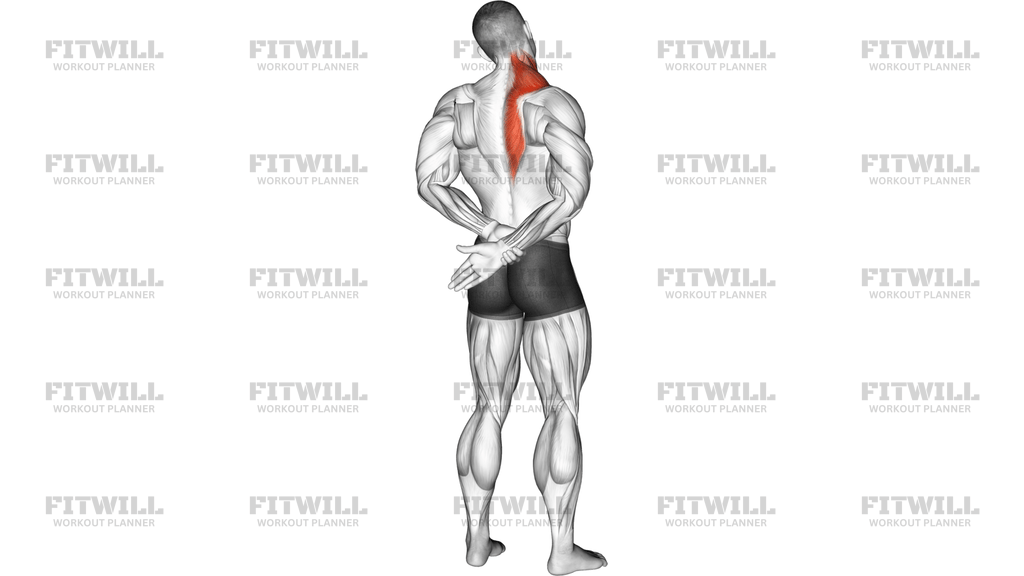
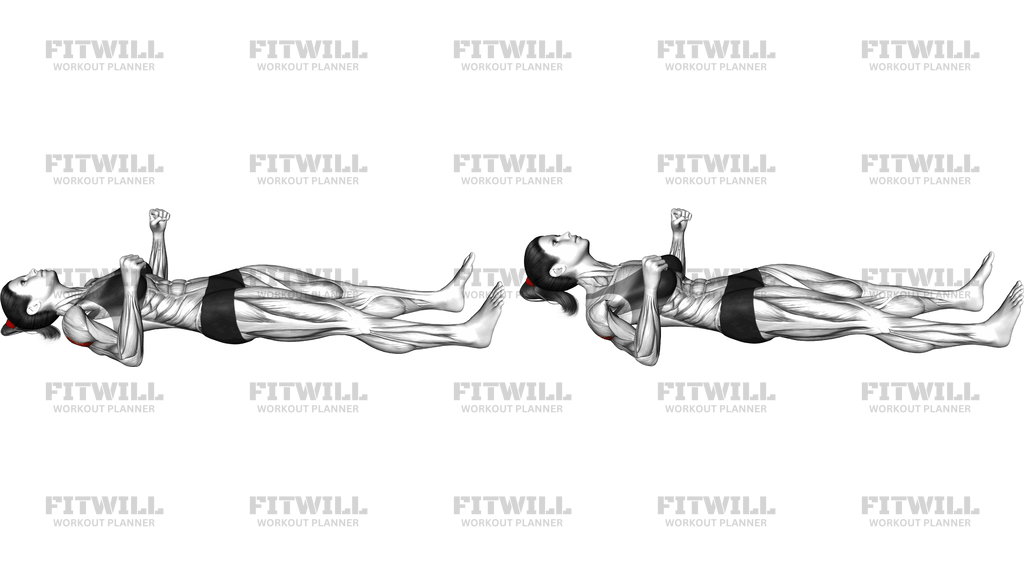
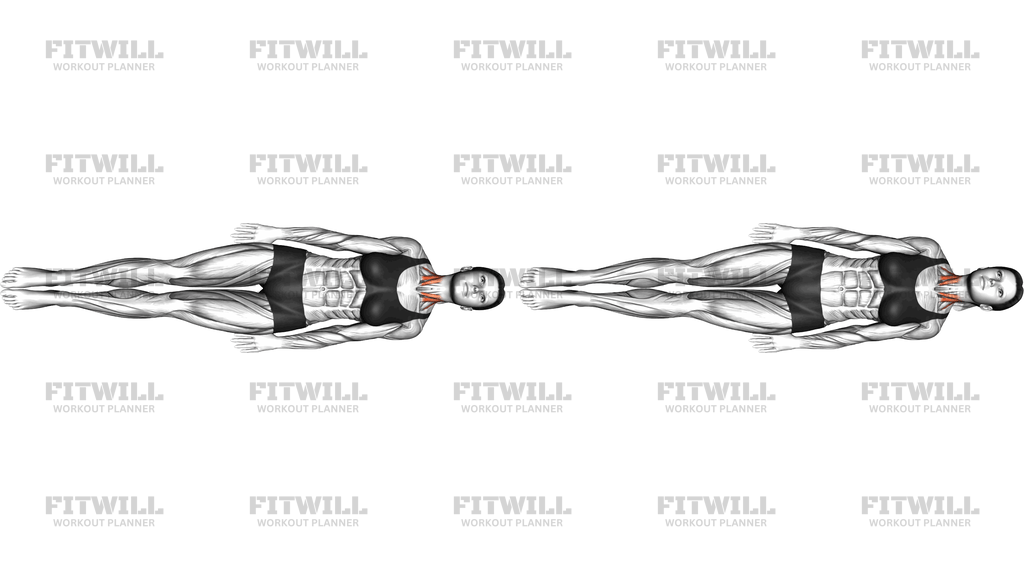
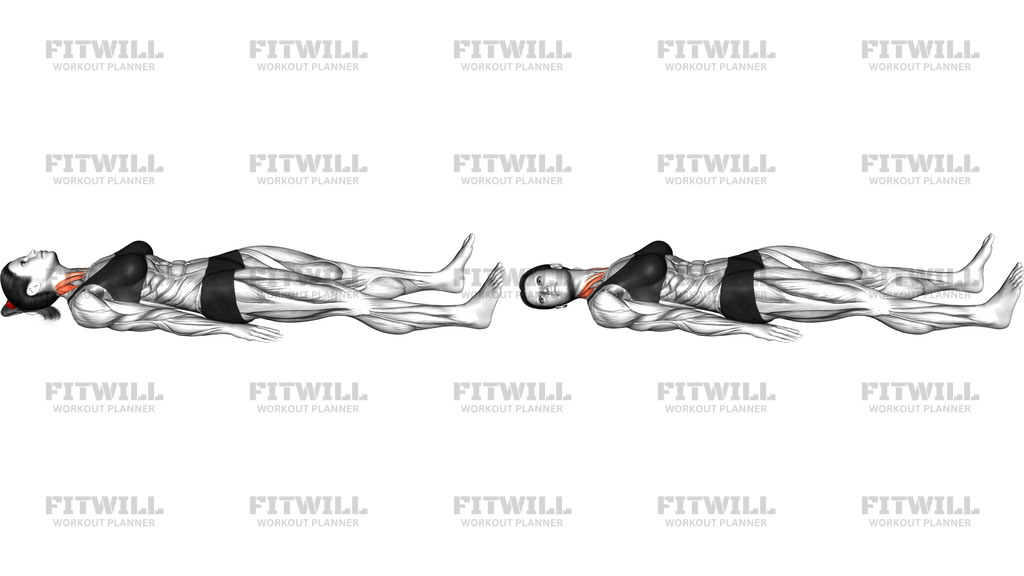
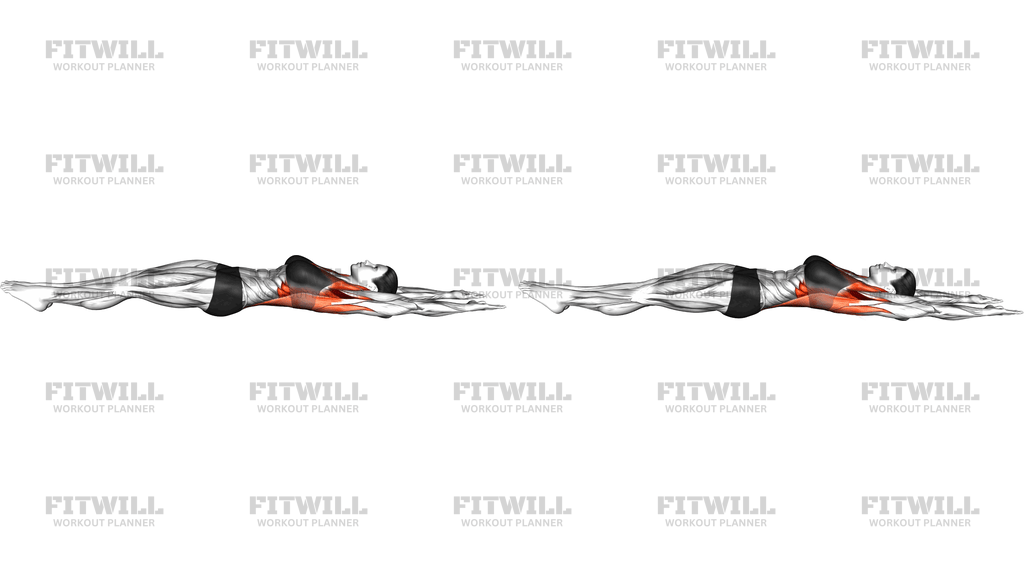
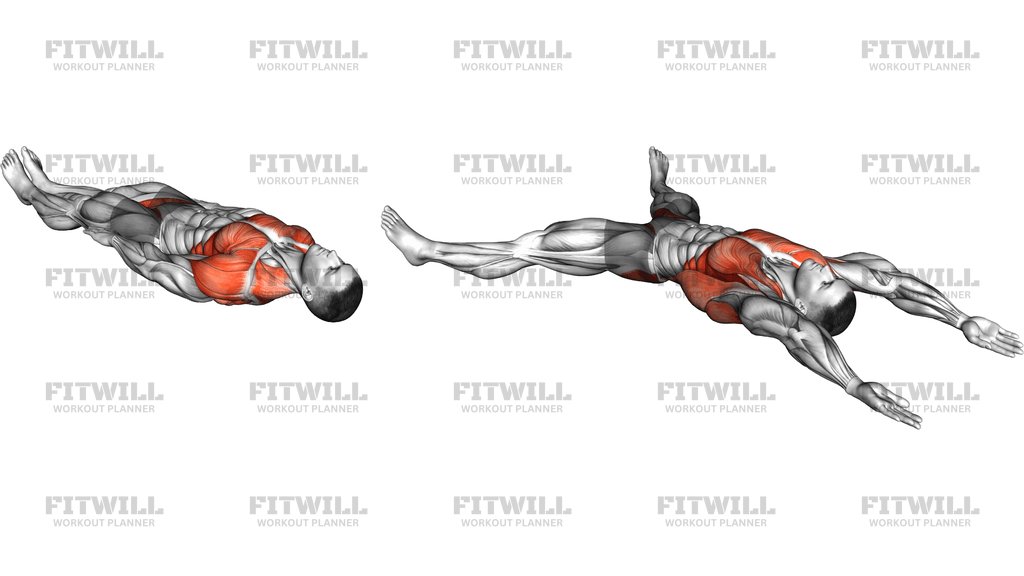
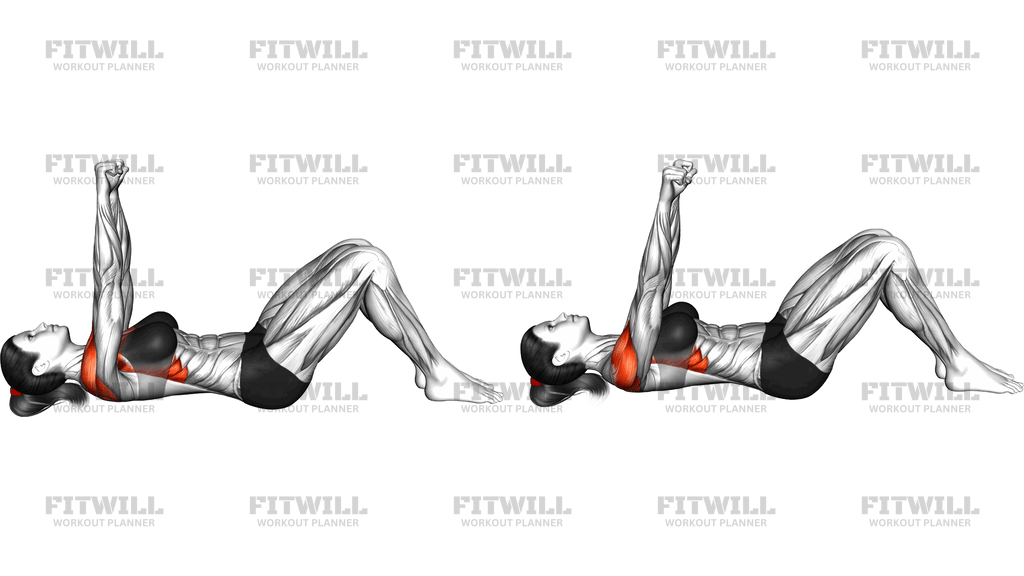
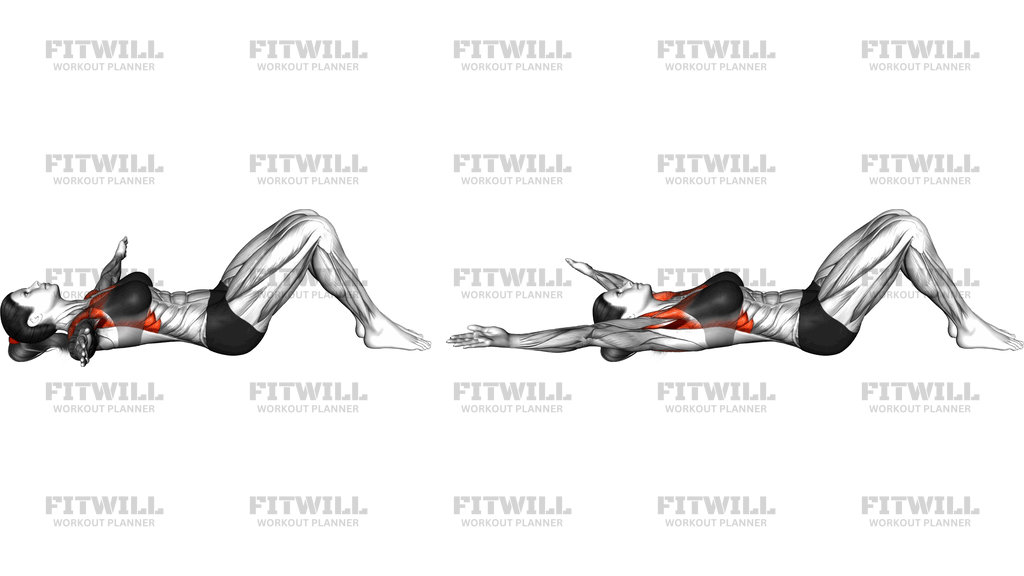
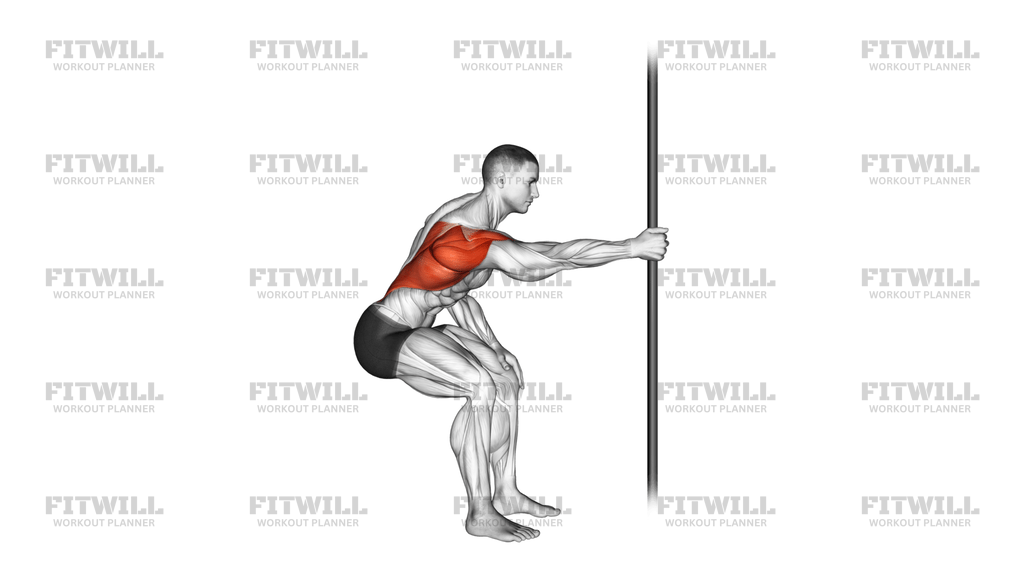
The image shows a forward-facing setup with both hands on the bar, knees bent, hips back, and the torso angled down and away from the anchor. That position matters: the bar lets you keep the arms extended while you shift your weight backward, which helps open the shoulders and upper back without needing to swing or collapse. When the setup is right, the stretch feels even and anchored rather than loose or unstable.
This movement is usually used as a warm-up, cooldown, or recovery drill after pulling sessions, overhead work, or long periods of sitting. It is especially useful when the upper back feels stiff, the lats are tight, or the shoulders need a gentle opening before training. The goal is not to chase the deepest possible position. The goal is to find a clean line of tension from the hands through the shoulders into the upper back and breathe into that position.
Keep the rib cage controlled and the neck neutral so the stretch stays where you want it. If the lower back starts taking over, shorten the stance or raise the hands a little. If the shoulders feel pinched, reduce how far you sit back and let the stretch build gradually. This is a controlled mobility drill, not a bounce-and-hold test, so the best reps are calm, repeatable, and pain-free.
Beginners can use Fixed Bar Back Stretch easily because the fixed bar provides feedback and support, but the position still needs patience and small adjustments. A little change in hand height, foot placement, or hip distance can shift the stretch from the shoulders into the lats or from the upper back into the side body. Use those adjustments to target the exact area that feels tight while keeping the movement smooth and controlled.
Fitwill
Log Workouts, Track Progress & Build Strength.
Achieve more with Fitwill: explore over 9600 exercises with images and videos, access built-in and custom workouts, perfect for both gym and home sessions, and see real results.
Start your journey. Download today!




Instructions
- Stand facing the fixed vertical bar and grip it with both hands at about shoulder height, with your feet hip-width apart.
- Step your feet back and bend your knees until your arms are long and your torso is leaning forward away from the bar.
- Keep your hands fixed on the bar and send your hips backward so the bar becomes the anchor for the stretch.
- Let your chest sink slightly between your shoulders while keeping your neck long and your chin neutral.
- Exhale and allow the upper back, lats, and rear shoulders to lengthen without shrugging up toward your ears.
- Hold the stretch for the prescribed time or for 2 to 3 slow breaths, keeping steady pressure instead of bouncing.
- If the stretch feels too sharp or unstable, bring your feet a little closer or raise your hands slightly on the bar.
- Return by pressing through your feet and standing tall before repeating for the next hold.
Tips & Tricks
- A higher hand position shifts more of the stretch toward the lats and side ribs; a lower grip usually increases upper-back and shoulder demand.
- Keep the ribs from flaring forward, or the movement turns into a lower-back arch instead of a back stretch.
- A small knee bend usually helps you sit back farther without losing balance.
- Think about moving the hips back and the hands forward, not pulling hard with the arms.
- If the shoulders feel pinched, shorten the reach before you try to deepen the stretch.
- Keep the pressure continuous and calm; bouncing only makes the shoulders guard more.
- Let the head follow the spine so the neck does not crank upward while the chest drops.
- Use the same hand and foot placement for a few breaths before changing anything, so you can tell what actually helps.
Frequently Asked Questions
What does Fixed Bar Back Stretch target most?
It mainly targets the upper back, lats, rear shoulders, and the muscles around the shoulder blades.
Is the fixed bar there for balance or for resistance?
It works as a stable anchor, letting you sit the hips back and lengthen the back without needing to swing or brace against moving equipment.
Where should I feel the stretch?
You should feel it across the upper back, between the shoulder blades, into the lats, and sometimes along the side of the ribs.
Do I need to keep my elbows locked?
Keep the arms mostly straight, but a tiny bend is fine if it helps you stay relaxed and avoid elbow or shoulder strain.
How long should I hold each rep?
Most people do best with 2 to 3 slow breaths or a short timed hold, then reset and repeat.
What if my shoulders feel pinched in this position?
Raise your hands, bring your feet closer, and reduce how far you sit back until the stretch feels smooth instead of sharp.
Is this more of a warm-up or cooldown exercise?
It can work as either, but it is especially useful before pulling or overhead work and after long sitting or upper-body training.
Can I use this if my low back is sensitive?
Yes, as long as you keep the ribs down and avoid turning the stretch into a hard lower-back arch.