Suspension Pull-Up
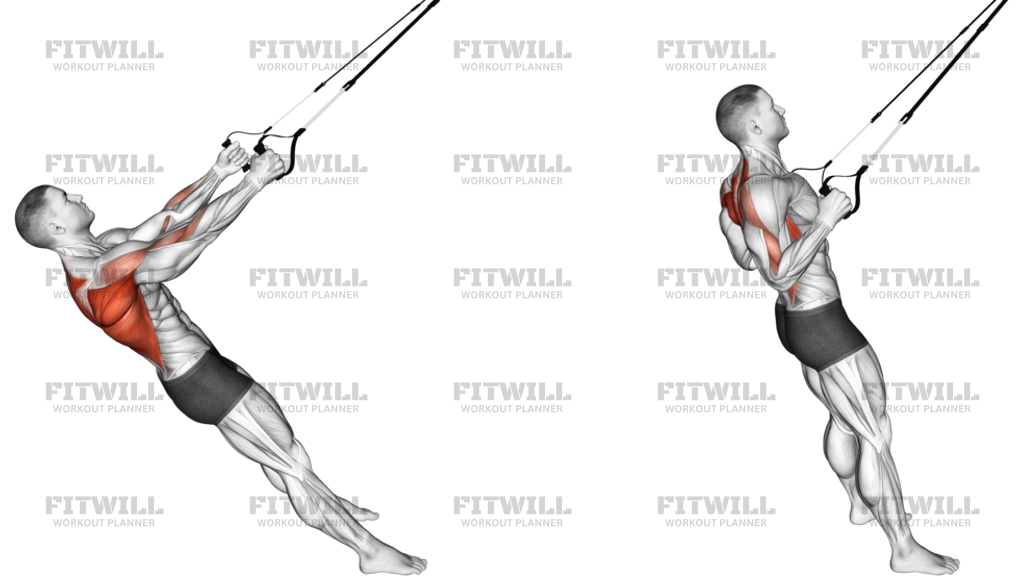
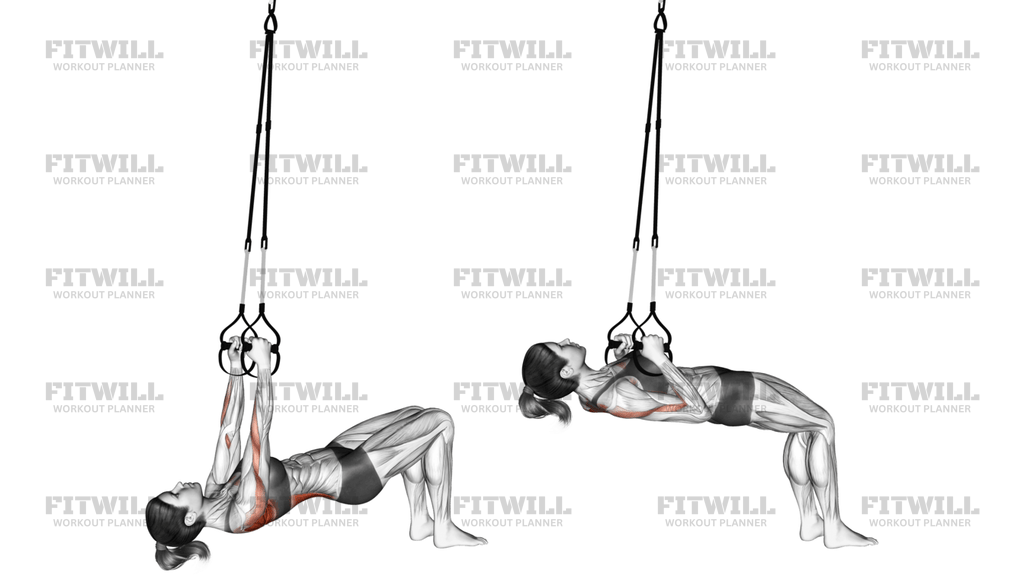
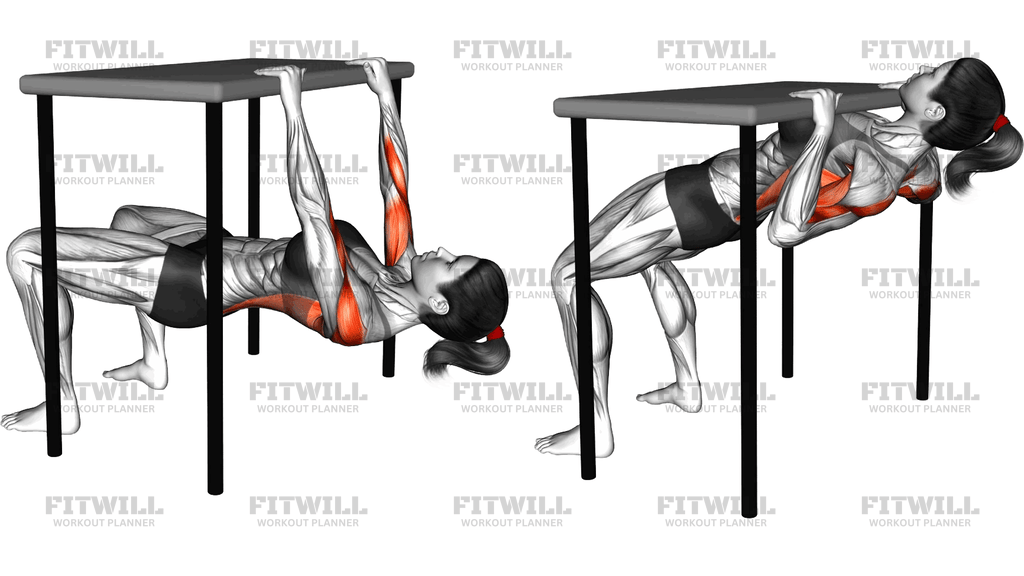
Suspension Pull-Up is a bodyweight pulling exercise performed with your hands in suspension handles and your knees on the floor. The straps create a moving line of resistance, so the exercise rewards a controlled torso, a steady grip, and clean shoulder mechanics more than brute force. It is a practical vertical-pulling variation for building back strength when you want a smaller loading step than a full pull-up but still need a demanding upper-body pull.
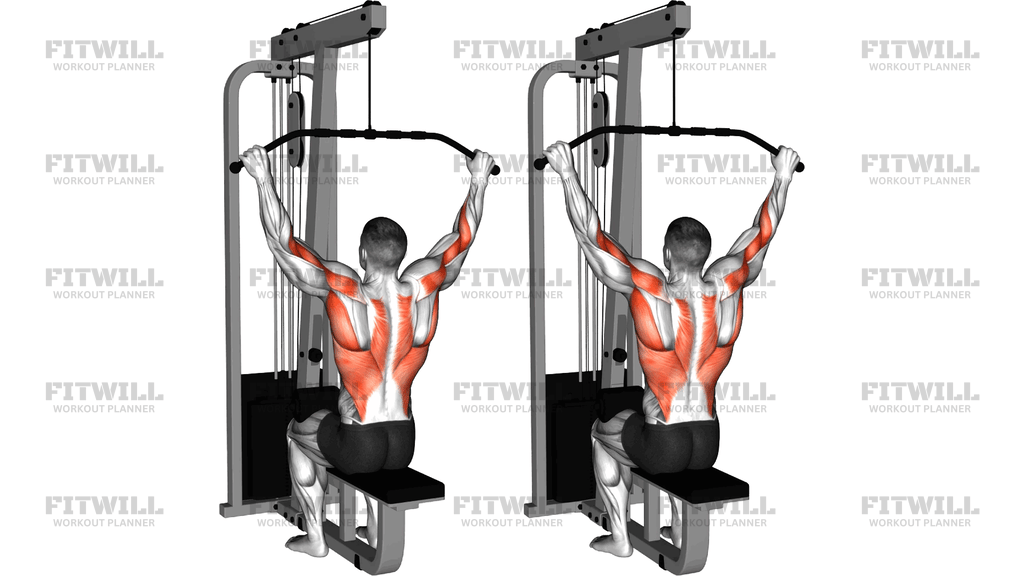
The main muscles doing the work are the lats, with the upper back, biceps, and forearms helping to stabilize and finish each rep. Because your body is supported from the knees down, the exercise also asks the core and glutes to stay organized so the ribs do not flare and the lower back does not take over. The more upright you stay, the easier the rep; the farther you lean back under the straps, the harder it becomes.
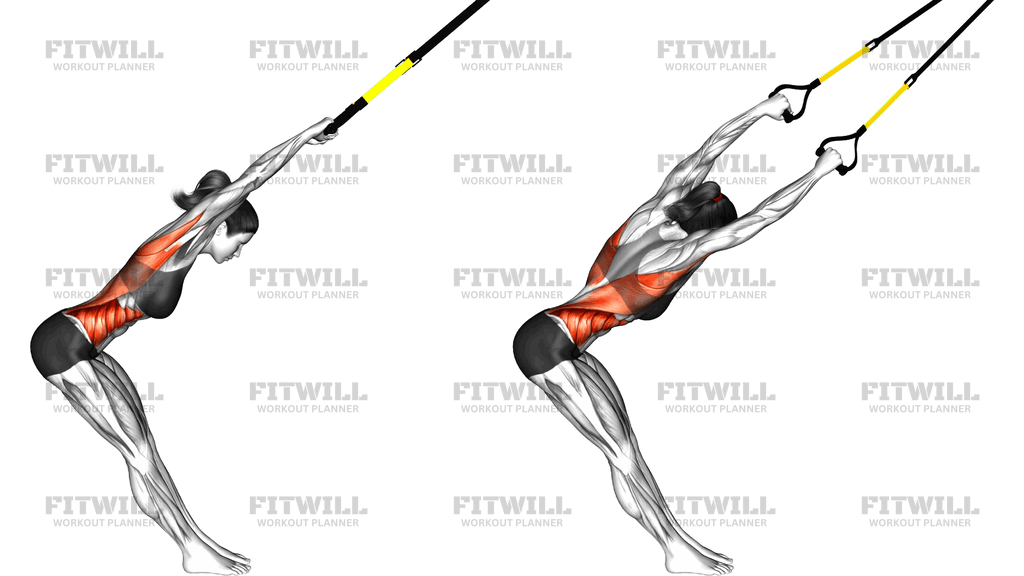
Good setup matters because the start position controls the line of pull. Kneel under the anchor with the handles just outside shoulder width, arms extended, and the straps even on both sides. Keep the wrists neutral and the shoulders set down before you begin. From there, pull the elbows down and back while driving the chest toward the handles, then lower under control until the arms are long again.
A clean Suspension Pull-Up should feel like a strong vertical row, not a swing. The torso should stay quiet, the head should remain in line with the spine, and the shoulder blades should move smoothly without shrugging toward the ears. If the rep turns into a hip thrust or a neck-driven pull, the setup is too hard or the tempo is too fast.
This exercise is useful in strength sessions, accessory work, warm-ups for pulling days, and regression work for people building toward stricter pull-ups. It also works well when you want to train back strength with a body angle that can be adjusted rep by rep. Keep the motion smooth, pause briefly near the top if you need more control, and stop the set when you can no longer keep the straps even and the torso stable.
[ Workout Log & Planner ]
Put your next workout in Fitwill
Keep your plan and training log ready when you are.


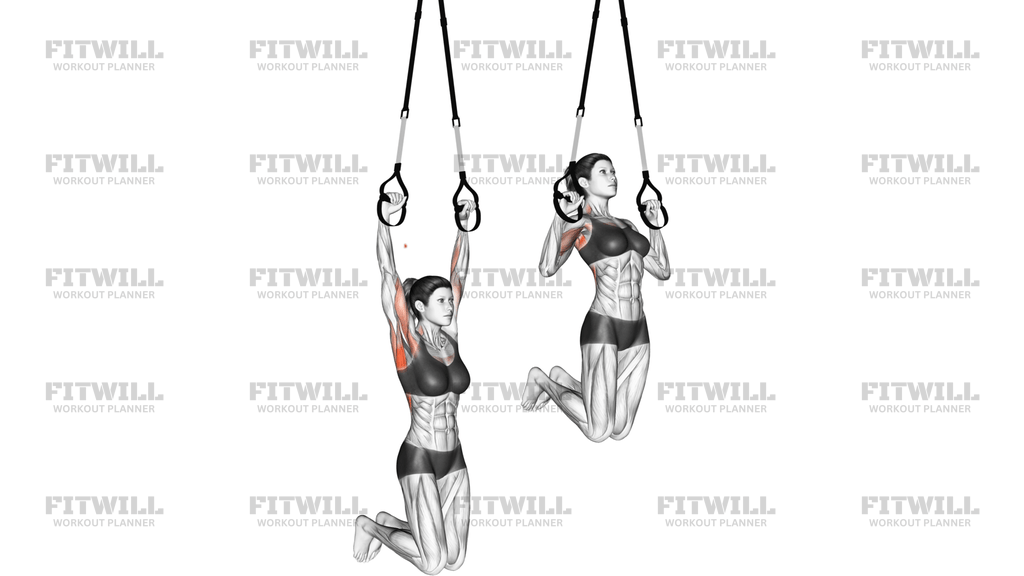
Instructions
- Kneel under the suspension anchor with one handle in each hand, palms facing each other, and the straps hanging evenly on both sides.
- Set your knees and shins on the floor, bend your hips so your torso is slightly leaned back, and keep your feet lightly crossed or tucked behind you for balance.
- Straighten your arms overhead, keep your wrists in line with your forearms, and let your shoulder blades reach up without shrugging hard into your neck.
- Brace your midsection and keep your ribs stacked over your pelvis before you start the pull.
- Pull your elbows down and back as you bring your chest toward the handles, keeping the straps close to vertical and the body moving as one unit.
- Finish the rep with the handles near the upper chest or sides of the face, shoulders down, and the neck long.
- Lower yourself slowly until the arms are fully extended again and the shoulder blades can open under control.
- Keep your knees planted and your torso steady through every rep instead of swinging or kicking for momentum.
- Breathe out as you pull and breathe in as you return to the start.
- Reset at the bottom before the next rep so both straps stay even and the next pull starts cleanly.
Tips & Tricks
- Move your knees farther from the anchor to make the pull harder, or stay more upright if you cannot keep the ribs from flaring.
- Keep both straps equally loaded; if one hand rises sooner than the other, reset and start the rep again.
- Think about driving the elbows toward your back pockets instead of curling the hands toward your face.
- Do not let the shoulders ride up toward the ears at the top; the pull should finish with the neck staying long.
- A slight pause near the top helps stop swinging and makes the lats and upper back do the work.
- If your wrists bend back inside the handles, soften the grip and keep the knuckles stacked over the forearms.
- Lower for a full count so the bottom position stays active instead of collapsing into the straps.
- If the low back arches first, shorten the lean and keep the sternum from drifting forward as you pull.
Frequently Asked Questions
What muscle does Suspension Pull-Up target most?
The lats are the main target, with the upper back, biceps, and forearms helping on every rep.
Can beginners perform this exercise?
Yes. Beginners can keep the torso more upright and use the kneeling setup to reduce bodyweight while they learn the pulling path.
How do I set up the handles for a Suspension Pull-Up?
Use one handle in each hand with a neutral grip, then kneel so the straps stay even and the handles start just outside shoulder width.
Should my elbows flare during Suspension Pull-Up reps?
Keep them angled down and back rather than flared wide. That keeps the pull cleaner and helps the lats finish the rep.
How can I make Suspension Pull-Up harder?
Move your knees farther from the anchor so your body leans back more, or add a brief pause near the top of each rep.
Why do my shoulders feel like they are shrugging up?
The handles are probably too high or you are pulling with the neck. Start each rep by setting the shoulders down before you bend the elbows.
Is Suspension Pull-Up a replacement for pull-ups?
It is a useful regression and an accessory variation, especially when you want vertical pulling practice with a lighter load than a bar pull-up.
What should I feel if the form is right?
You should feel the lats and upper back doing the bulk of the work, with the biceps and forearms helping rather than dominating the rep.
What is the biggest mistake in Suspension Pull-Up?
Letting the body swing and turning the pull into a hip drive. Keep the knees down, the straps even, and the torso quiet.