Suspension Lat Stretch
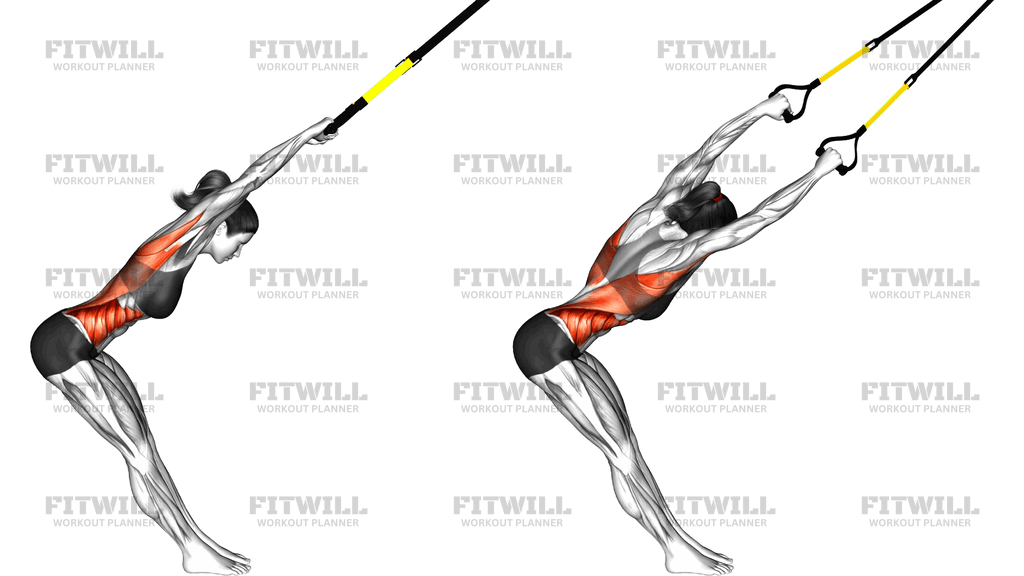
Suspension Lat Stretch is a supported overhead stretching exercise for the lats, shoulders, and upper back. Using suspension straps and a floor mat, you hold an overhead line while your body sinks back and away from the anchor to open the side of the torso. The position is simple, but the setup matters because small changes in hand height, rib position, and pelvis angle can turn the stretch from useful into cranky.
The main target is the latissimus dorsi, with help from the biceps, forearms, rhomboids, and the muscles around the rib cage and shoulder blade. In practice, this is a mobility drill rather than a strength exercise. The goal is to lengthen the sides of the back while keeping the shoulders organized, the neck relaxed, and the low back from taking over the stretch.
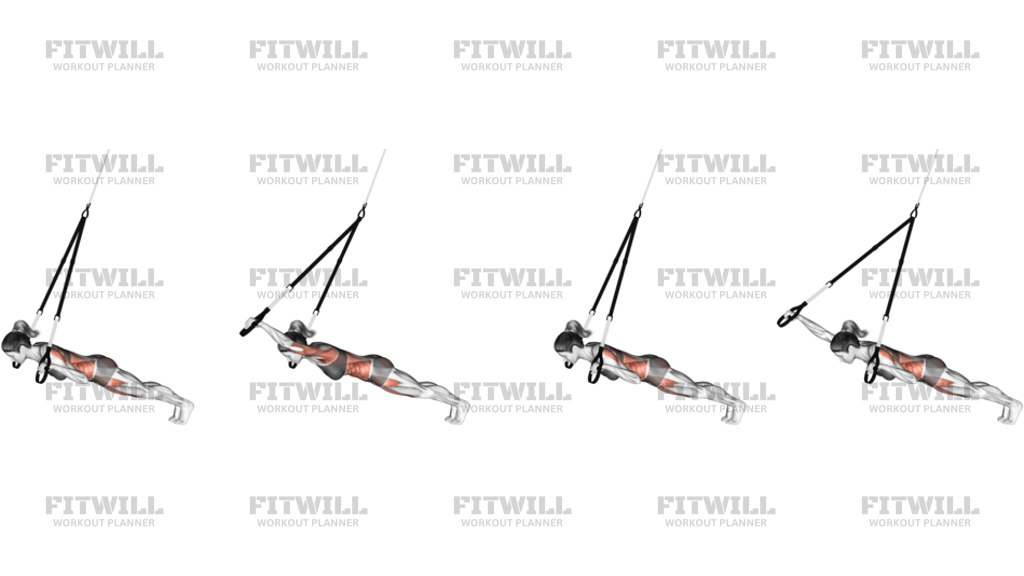
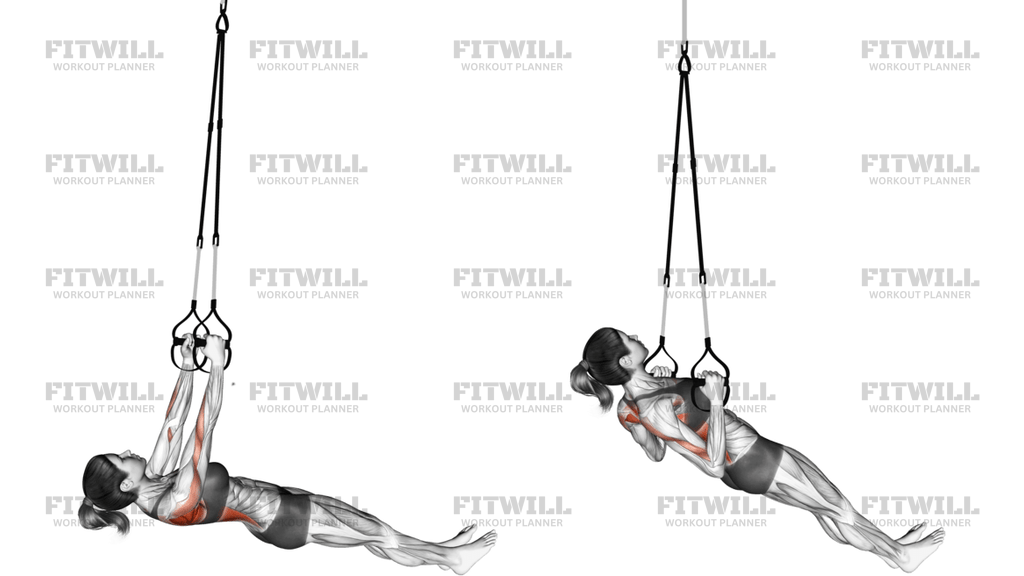
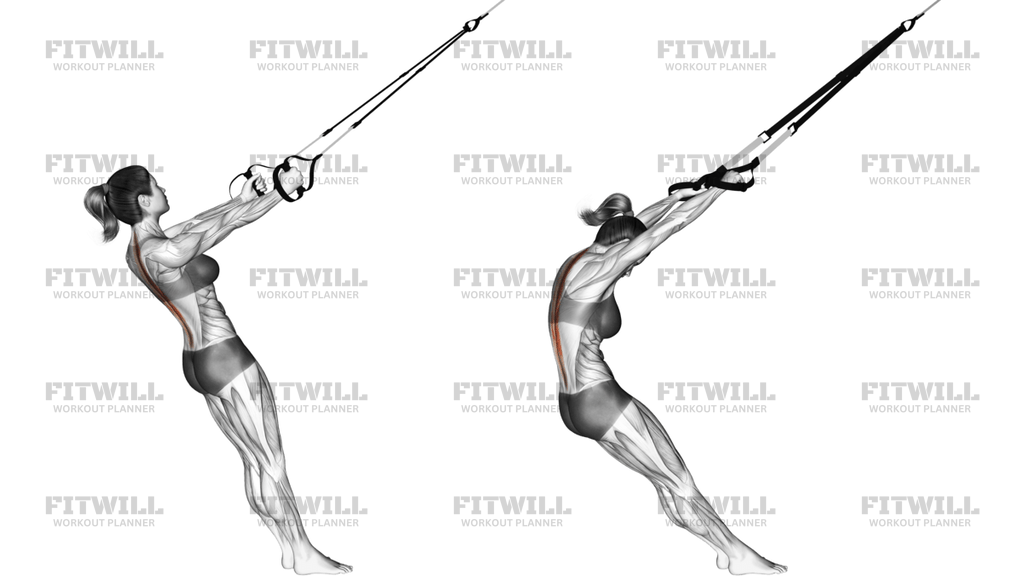
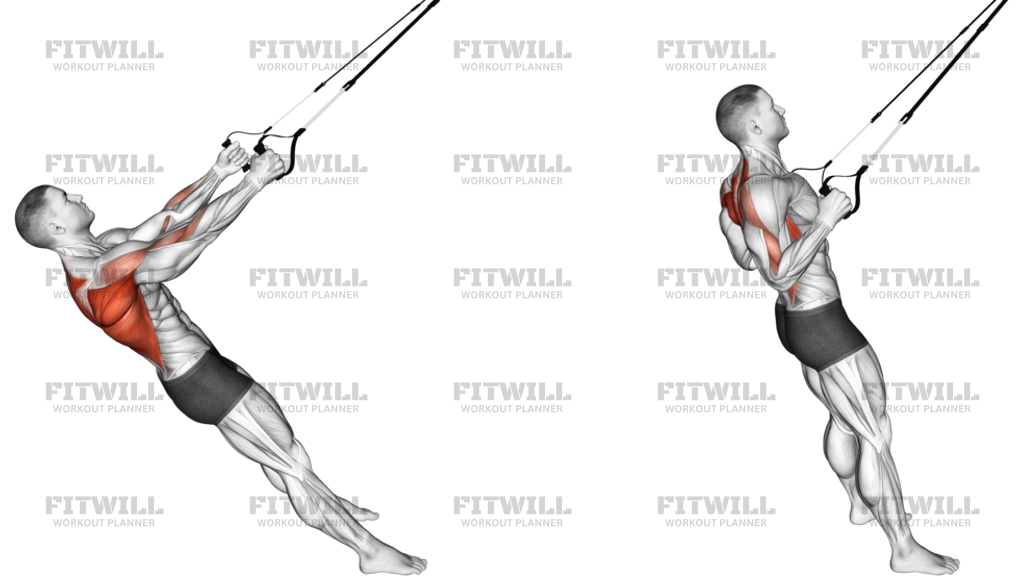
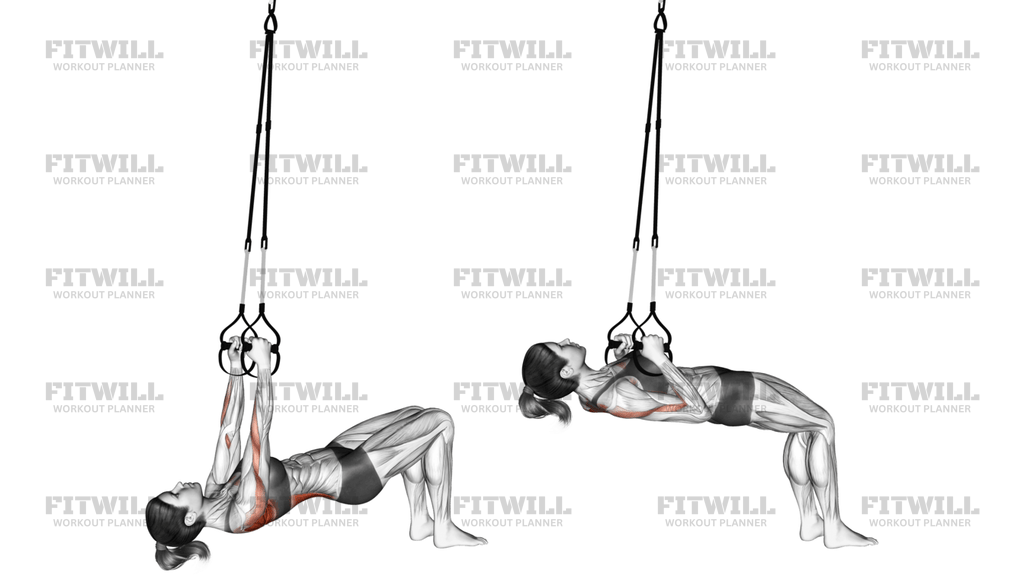
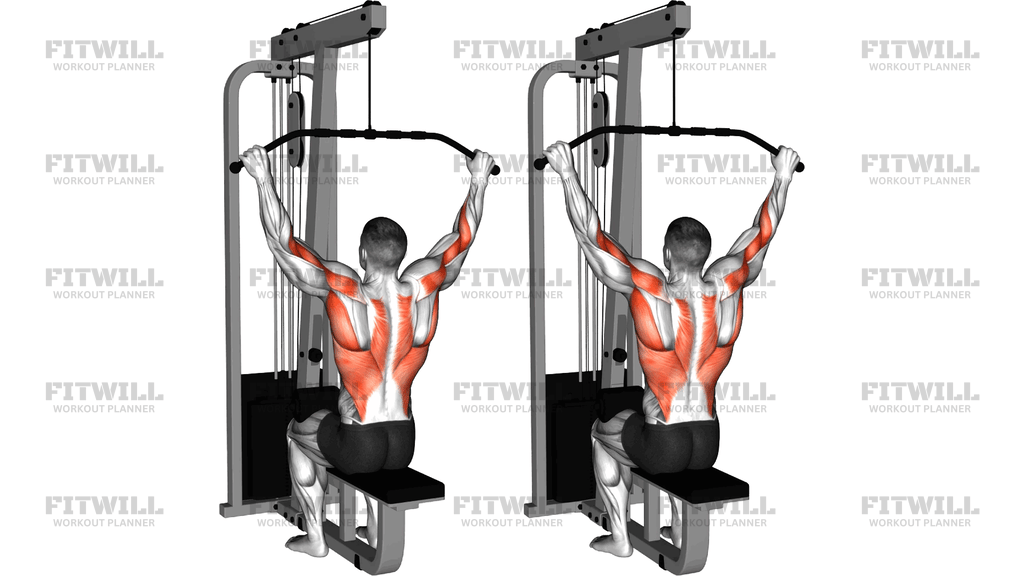
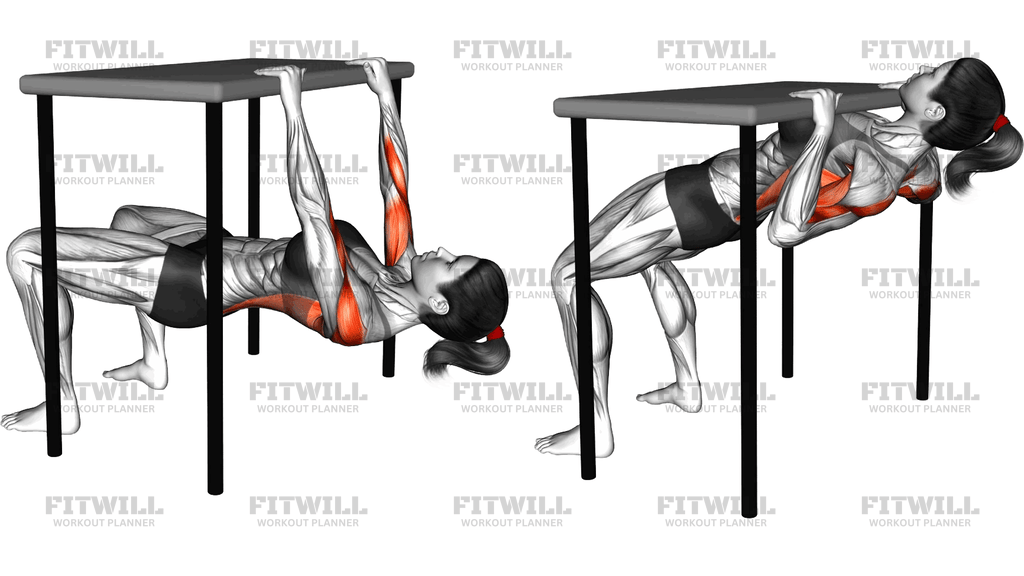
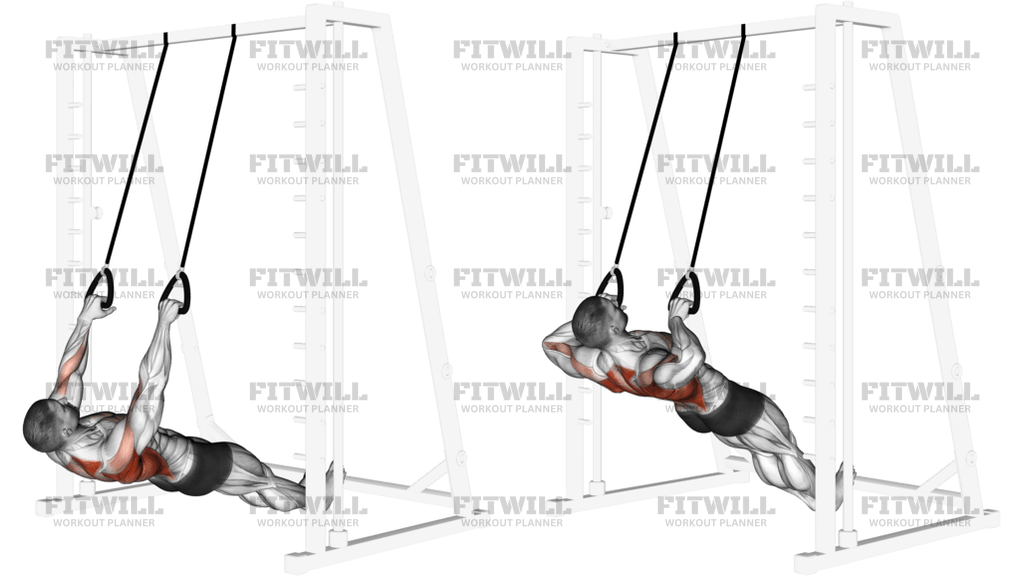
The image shows a kneeling or seated-floor variation with the arms reaching long overhead into the straps. That long line is the key: keep the elbows extended, let the shoulder blades rotate upward naturally, and use your hips and rib cage to fine-tune how intense the stretch feels. If you flare the ribs or arch the lower back, the sensation moves away from the lats and into the spine.
This stretch works well in a warm-up, between upper-body sets, or after pulling work when the lats feel tight from rows, pull-downs, climbs, or pressing volume. Use calm breathing to ease deeper into the position over a few slow breaths, then back out without yanking on the straps. The best rep is the one that feels smooth, symmetrical, and repeatable, not the one that forces the biggest range.
Because the suspension straps provide support, beginners can usually use this movement safely as long as they keep some weight in their legs and avoid hanging passively into the shoulders. Stop short of sharp shoulder pinching, tingling, or pain in the elbow or wrist. Treat the stretch like a guided opening of the whole side body, not a passive collapse into the end range.
[ Workout Log & Planner ]
Put your next workout in Fitwill
Keep your plan and training log ready when you are.


Instructions
- Set the suspension straps overhead and kneel or sit on the mat facing the anchor, then grasp both handles with straight arms.
- Walk or scoot your hips back until you feel the lats and sides of the torso begin to lengthen without shoulder pinching.
- Keep your hands high and let your chest sink between the arms while your ribs stay stacked over your pelvis.
- Tuck the chin slightly and keep the neck long so the stretch stays in the side of the back instead of the upper neck.
- Breathe out slowly and let the rib cage soften, then pause for a quiet stretch at the end range.
- If you want more lat emphasis, shift the hips a little farther back and keep the elbows long instead of bending the arms.
- Hold the position for the prescribed time, keeping even pressure through both handles and both sides of the body.
- Come out gradually by bringing the torso upright and walking the hips forward before releasing the handles.
Tips & Tricks
- Think of reaching long from the hands to the hips; that line keeps the stretch in the lats instead of dumping into the low back.
- Do not shrug hard toward the ears. Let the shoulders rise only as far as they need to while the neck stays relaxed.
- A small posterior pelvic tilt can help stack the ribs and reduce lumbar arching when the stretch gets intense.
- Keep the elbows straight or nearly straight so the biceps do not shorten the line through the side of the torso.
- Use slow exhales to increase the stretch rather than bouncing or forcing the straps with your arms.
- If one side feels tighter, shift your hips a few inches toward that side and pause there instead of twisting aggressively.
- Stay off painful shoulder end range; the straps should support you, not pull you into a pinchy overhead position.
- Use a mat or padding under the knees if the setup makes it hard to keep the torso relaxed.
Frequently Asked Questions
What does the Suspension Lat Stretch target most?
It mainly lengthens the latissimus dorsi, with a strong stretch through the side ribs, biceps, and forearms.
Is this a strength exercise or a mobility drill?
It is a mobility and flexibility drill. The straps provide support so you can settle into a controlled overhead stretch.
Should my arms stay straight in the straps?
Yes. Straight or nearly straight arms keep the line long and make the stretch land more on the lats and side body.
Why do I feel this in my low back sometimes?
That usually happens when the ribs flare and the lower back arches. Stack the ribs over the pelvis and let the hips move the stretch instead.
Can I bend my knees more to reduce the stretch?
Yes. Bringing the hips closer to the anchor and using more leg support is a good way to make the position easier.
Should I feel a deep shoulder stretch too?
A mild shoulder opening is normal, but the main sensation should stay in the sides of the back rather than at the front of the shoulder.
When is this exercise most useful?
It is useful after heavy pulling sessions, before overhead work, or during a warm-up when the lats feel tight.
What is the biggest mistake to avoid?
Do not collapse into the straps or yank yourself deeper. The stretch should build gradually with breathing and position changes.