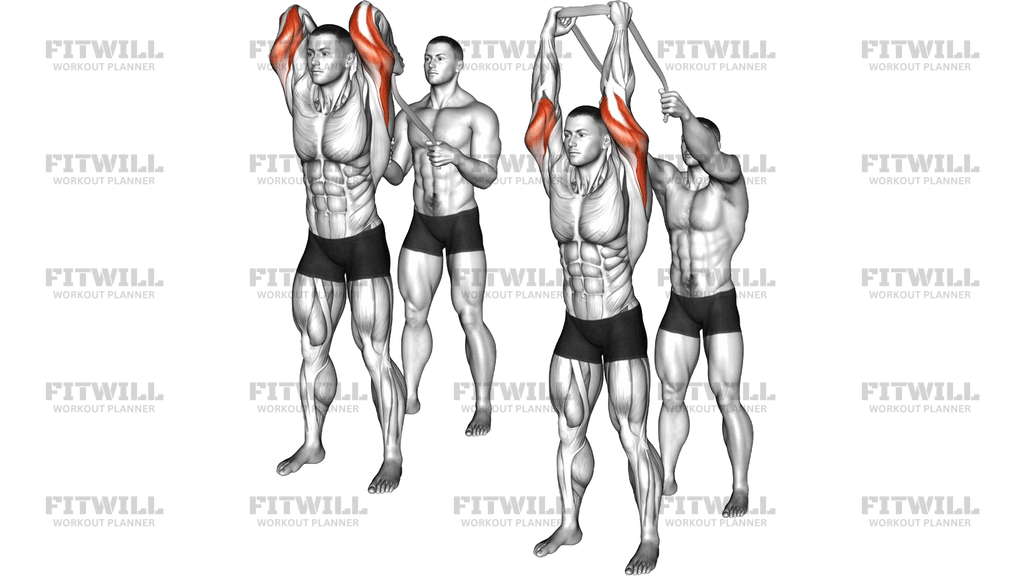
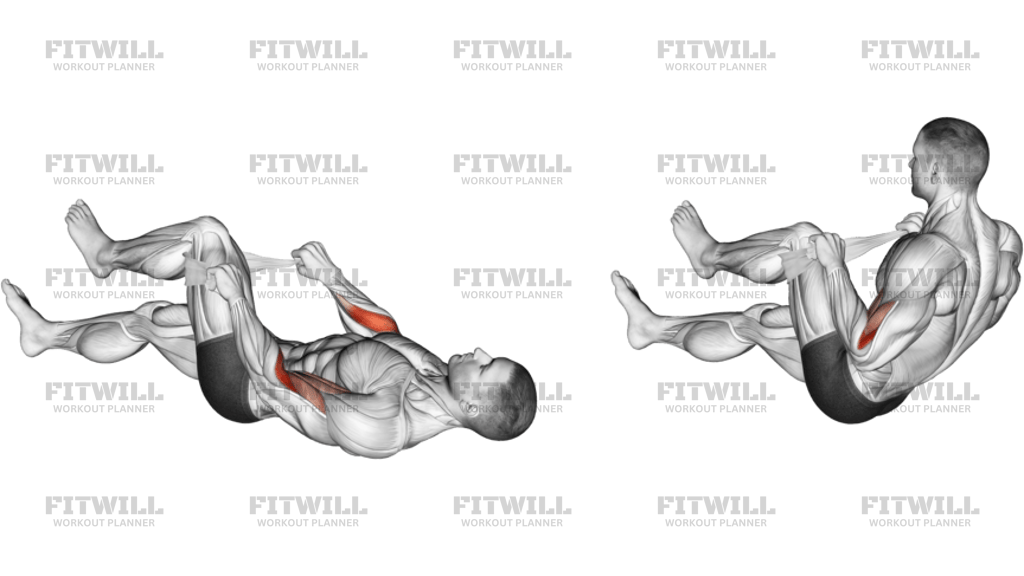
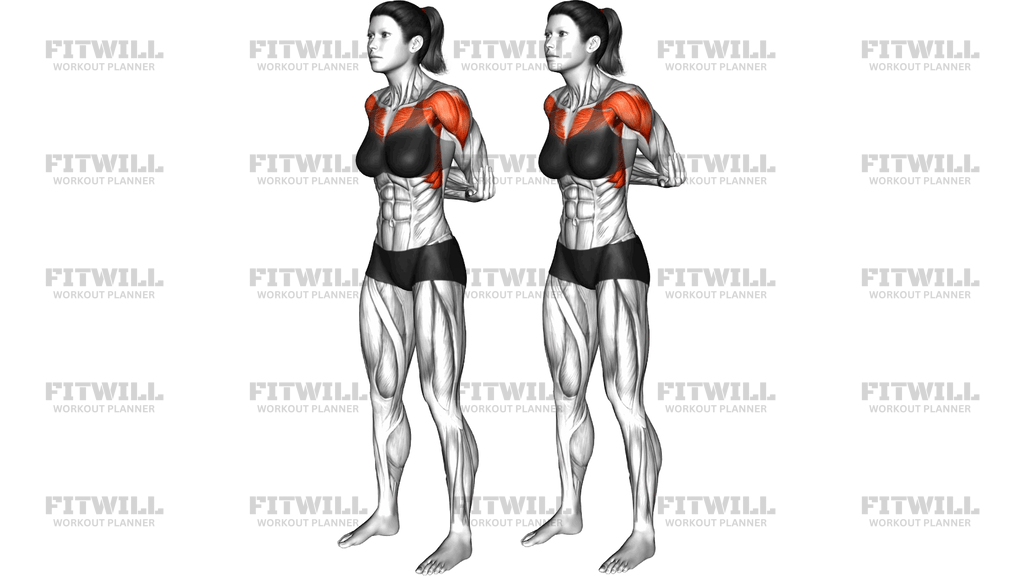
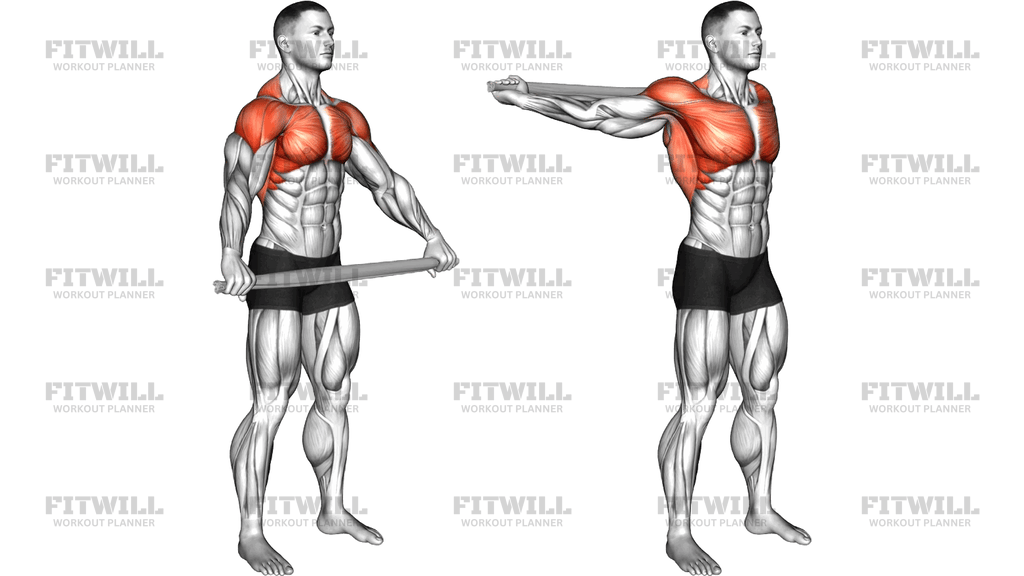
Standing Wall Serratus Slide With Towel
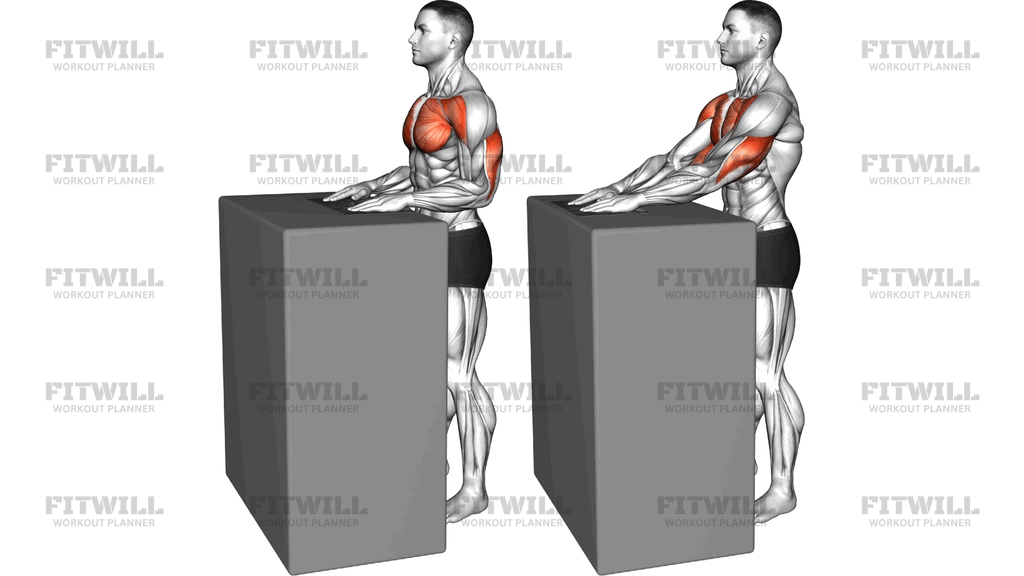
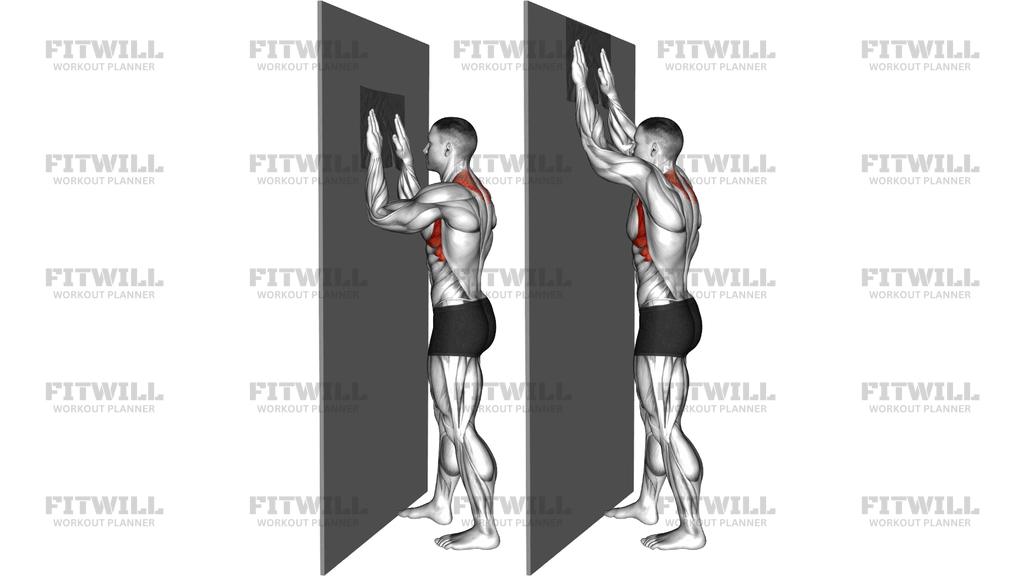
The Standing Wall Serratus Slide With Towel is a simple but highly targeted scapular exercise performed by sliding your forearms and hands up a wall with a towel underneath them. The towel reduces friction so your arms glide smoothly along the wall surface while you focus on controlling the movement of your shoulder blades. It is one of the most direct ways to train the serratus anterior, the fan-shaped muscle on the side of your ribcage responsible for upwardly rotating and protracting the scapula.
This drill is especially valuable for anyone who struggles with overhead movement. Lifters whose shoulder blades pinch or shrug during presses, desk workers with rounded upper backs, and people rehabbing nagging shoulder discomfort all benefit from it. During pressing and overhead motions, the serratus anterior works with the lower trapezius to rotate the shoulder blade upward so the arm can rise fully without the joint getting compressed. When that coordination is weak, you tend to compensate by shrugging with the upper traps or arching the lower back.
The wall setup is what makes this exercise so effective. Standing close to the wall with a towel under your forearms forces the shoulder blades to move through a controlled upward rotation pattern while the wall gives you immediate feedback. If your ribs flare, your shoulders shrug, or your elbows drift off the wall, you feel it right away. The towel matters too: without it, skin and fabric drag against the wall, which makes the slide choppy and encourages you to press too hard with the arms instead of moving from the shoulder blades.
To perform it well, stand facing the wall with your feet a short step back and your forearms vertical against the wall, elbows roughly at shoulder height and the towel trapped between your forearms and the wall. Brace your core and keep your ribs stacked over your pelvis, then slide your forearms up the wall as far as you can reach without shrugging or losing wall contact. At the top, gently reach through your arms to spread the shoulder blades, pause briefly, and slide back down with control.
Keep the pressure into the wall even from start to finish, and let the serratus do the reaching rather than the shoulders doing the lifting. A common fault is rising onto the toes or leaning the chest into the wall to gain extra range; if that happens, shorten the range and work within it. Two to three sets of eight to twelve slow repetitions, done as part of a warm-up or between pressing days, is usually enough to build noticeable control. Move deliberately rather than quickly, since the value of this drill comes from precision, not load or speed.
[ Workout Log & Planner ]
Put your next workout in Fitwill
Keep your plan and training log ready when you are.


Instructions
- Stand facing a smooth wall with a towel draped between your forearms and the wall surface at about shoulder height.
- Place both forearms flat against the towel with elbows bent and roughly level with your shoulders, hands relaxed and pointing upward.
- Step your feet back a short distance so you lean lightly into the wall, and set your feet about hip-width apart.
- Brace your core lightly and keep your ribs down so your lower back does not arch as your arms travel.
- Press your forearms gently into the towel and slide them straight up the wall, keeping the elbows and wrists in contact the whole time.
- Continue until your arms are nearly straight overhead, then reach a little further up as if trying to push the wall away to spread your shoulder blades.
- Hold that top reach for one to two seconds without shrugging your shoulders toward your ears.
- Slide your forearms back down the wall under control to the starting height, maintaining steady pressure into the towel.
- Exhale as you slide up, inhale as you lower back down.
- Reset your rib and shoulder position at the bottom, then begin the next repetition.
Tips & Tricks
- If your elbows peel off the wall as you slide up, you are going past your current range; stop just below that point and build up gradually.
- Shrugging toward your ears means the upper traps are taking over. Think of keeping length in your neck while the reach comes from the shoulder blades.
- If your lower back arches or your ribs pop forward at the top, squeeze your glutes slightly and exhale before each slide to keep your torso stacked.
- Use a towel with some texture rather than a smooth, slick one; too little friction makes the slide hard to control, too much makes it sticky.
- Keep the pressure into the wall light and constant. Slamming into the wall shifts the work from the serratus to the chest and arms.
- The reach at the top should feel like your shoulder blades are wrapping around the side of your ribcage, not like you are lifting your arms with your shoulders.
- If one side slides higher or smoother than the other, do an extra set with your weaker side leading to even things out.
- Slow the lowering phase down more than the upward phase; most people rush the descent and lose the lower-trap engagement.
- If wrist discomfort sets in from the bent-arm position, slide only as high as the wrists stay comfortable and keep the hands relaxed against the towel.
Frequently Asked Questions
What muscles does the Standing Wall Serratus Slide With Towel work?
The primary target is the serratus anterior on the side of your ribcage, which drives upward rotation and protraction of the shoulder blade. The lower trapezius assists with the upward rotation, while the upper traps, chest, and shoulder muscles work to stabilize the arm against the wall.
Why is a towel used against the wall?
The towel creates a low-friction surface so your forearms can slide smoothly up the wall instead of dragging on skin or clothing. It also lets you focus on moving from the shoulder blades rather than fighting friction with your arms.
Is the Standing Wall Serratus Slide With Towel suitable for beginners?
Yes. It requires no load, minimal equipment, and the wall provides instant feedback on your form. Beginners should simply work within a range where the elbows and wrists stay in contact with the wall and no shrugging occurs.
How far up the wall should I slide my arms?
Slide as high as you can while keeping your forearms on the wall, your ribs down, and your shoulders away from your ears. If you have to shrug, arch your back, or lift your elbows off the wall to go higher, that is your current range limit.
My shoulders shrug every time I reach overhead. How do I fix that?
Reduce the range so you stop just before the shrug begins, and emphasize the gentle reach through your arms at the top rather than lifting higher. Over time the serratus and lower trapezius gain control and the shrug pattern fades.
Can I do this exercise without a towel?
You can, but bare forearms on a wall create drag that makes the slide jerky and pushes you to press harder with the arms. A towel, or even a smooth sleeve, gives you the controlled glide the drill is designed around.
How is this different from a regular wall slide?
The towel lets the arms glide continuously along the wall, which emphasizes the serratus-driven reach and upward rotation of the shoulder blade. A standard wall slide often focuses more on shoulder external rotation position and can be done without the sliding reach.
When should I include the Standing Wall Serratus Slide With Towel in my training?
It works well as part of your warm-up before pressing or overhead work, or as standalone scapular control work between sessions. Two to three sets of eight to twelve slow reps is a typical dose.
Is this exercise safe if I have shoulder discomfort?
It is generally gentle because it is body weight and guided by the wall, but any exercise should stay within a pain-free range. If the movement causes sharp or lingering discomfort, shorten the range or consult a qualified professional before continuing.
Should I feel this in my arms or the sides of my ribs?
The working sensation should sit along the side of your ribcage and between your shoulder blades, where the serratus and lower traps are located. If only your arms burn, you are pushing too hard into the wall instead of reaching with the shoulder blades.