Split Stretch Spine Rolling
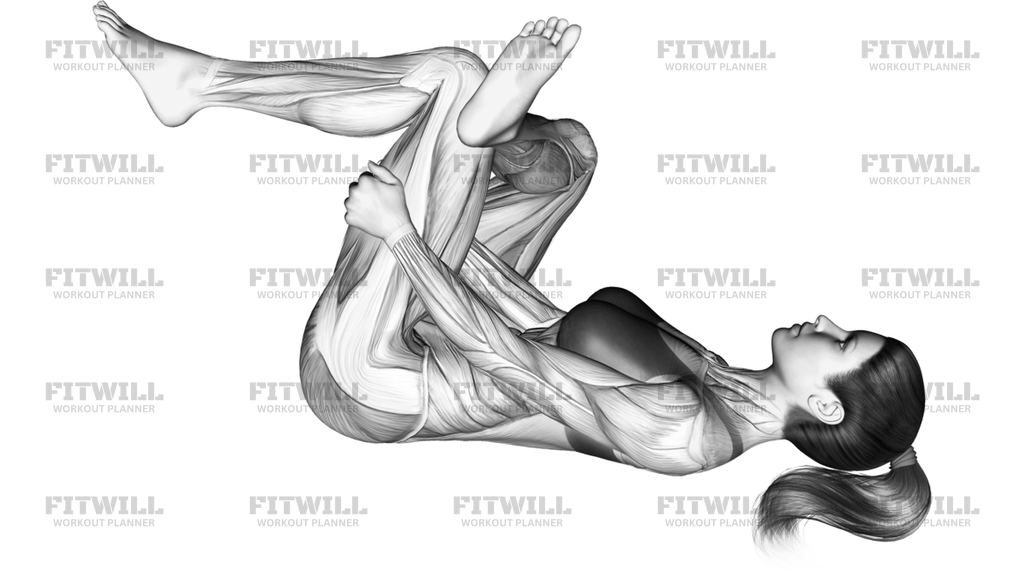
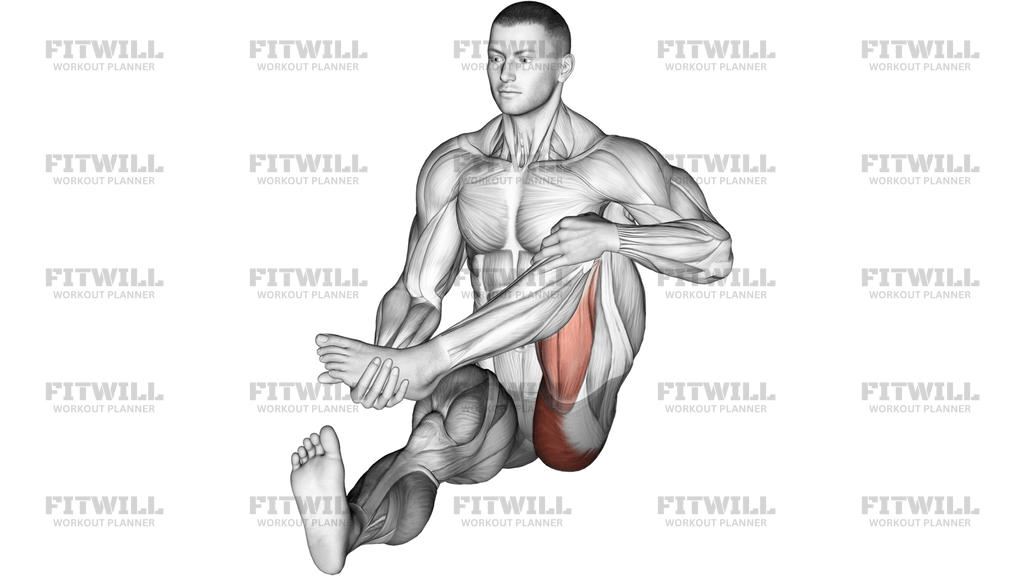
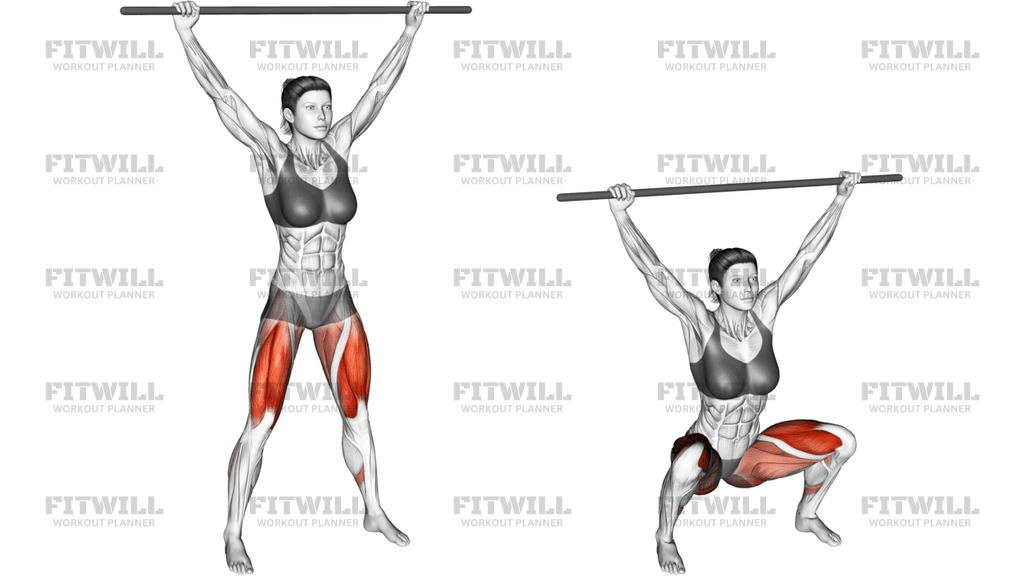
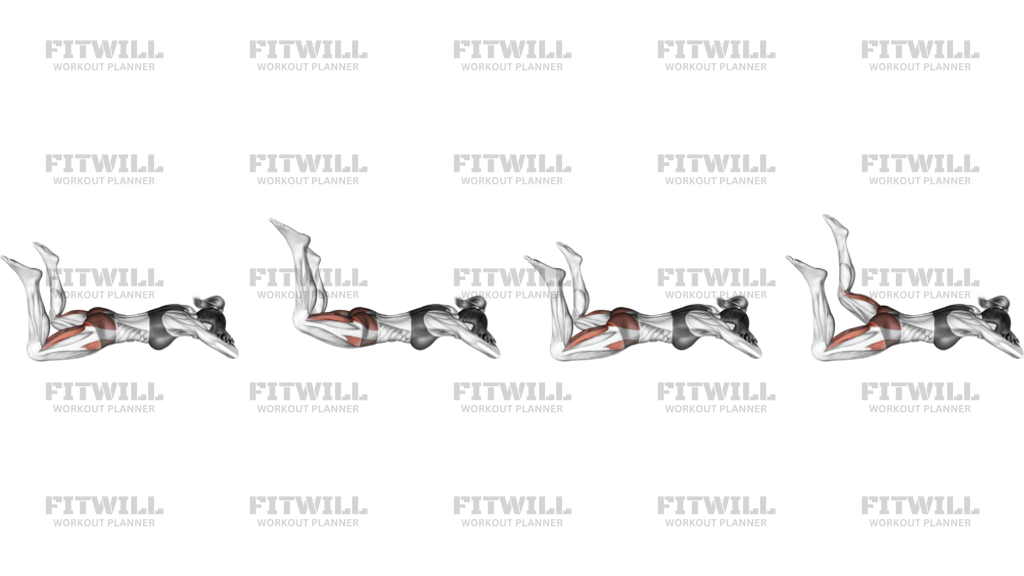
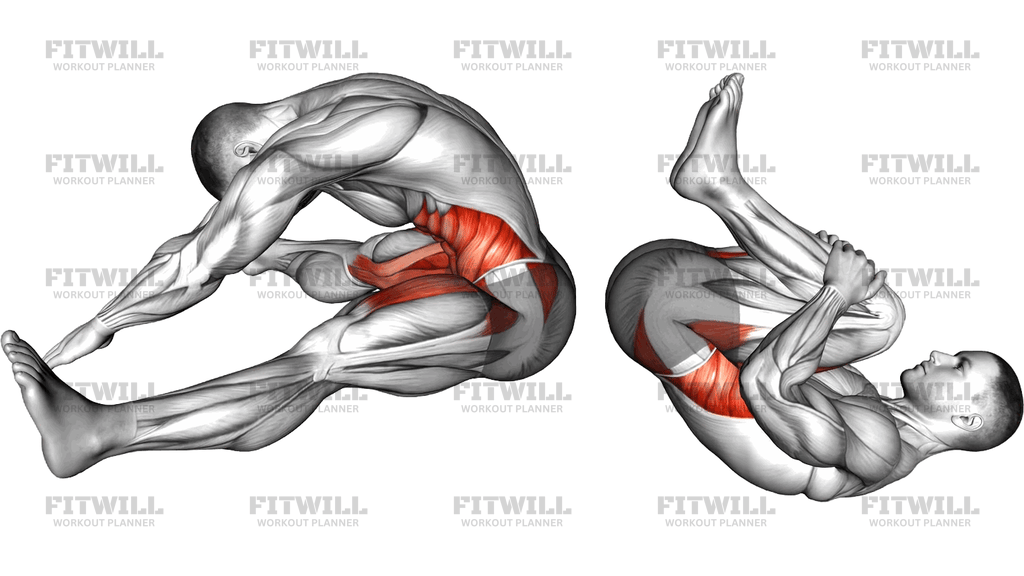
Split Stretch Spine Rolling is a dynamic mobility drill that combines a wide straddle position with a rolling action through the entire spine. You sit on the floor with your legs spread into a split stance, roll your spine forward and down toward your extended leg, then continue the momentum onto your upper back before rolling back up through the same rounded path. The highlighted areas in the movement diagram show where the work concentrates: the glutes, the hamstrings of the extended leg, the inner thigh muscles holding the straddle open, and the muscles running along the spine.
This drill is useful for anyone whose posterior chain and spine feel glued together after long sitting, and it is a staple warm-up for gymnasts, martial artists, dancers, and lifters who squat or deadlift heavy. Because it moves you through flexion and back out of it under your own control, it teaches your spine to articulate segment by segment instead of hinging from one stiff point. The straddle position simultaneously loads the adductors and hamstrings at length, so you get a hip stretch and a spinal mobility drill in one continuous motion.
Setup matters more here than in most stretches. Sitting tall with a genuinely open straddle angle gives the rolling action a straight track to follow; if your legs drift or your hips tuck under early, the roll collapses into a lopsided flop that strains the lower back rather than mobilizing it. Keep the weight moving along the midline of your body and let each vertebra touch down in sequence rather than dumping onto one spot on your upper back.
To execute it well, think of your spine as a wheel. Start rounded, press the roll backward deliberately, and use your hands only as needed for balance or a light brake. The return is where most people rush: unrolling back up to the seated straddle should take at least as long as rolling down. Move with your breath, rolling back on an exhale and up on an inhale or vice versa, whichever keeps your rhythm smooth.
Practically, two to three sets of four to six slow rolls at the start of a leg or lower body session is plenty. If you have a sensitive lower back, disc-related issues, or acute hamstring pain, keep the range small or choose a static seated forward fold instead. Never force the straddle wider than your hips allow on a given day, and stop if you feel sharp or pinching sensations anywhere along the spine or in the groin.
[ Workout Log & Planner ]
Put your next workout in Fitwill
Keep your plan and training log ready when you are.


Instructions
- Sit on an exercise mat with your legs spread into a wide straddle, knees fully extended, and your hands resting on the floor beside your thighs.
- Sit up tall, hinge slightly forward from the hips, and begin rounding your spine down toward your extended front leg, chin tucking toward your chest first.
- Let your arms reach toward your foot or the floor as your upper back rounds, feeling the stretch build through the hamstring and inner thigh of the straddle.
- Continue the backward roll along your midline so your lower back, then mid back, then shoulders touch down one section at a time.
- At the end position your weight rests on your upper back and shoulders; hug behind your thighs or let your hands support your hips if your legs drift overhead.
- Pause briefly, then roll back up by pressing your thighs toward you and uncurling vertebra by vertebra until you pass back through the seated straddle.
- Finish each rep sitting tall again with legs wide, and reset your posture before starting the next roll.
- Exhale as you roll back and down, inhale as you unroll up to the starting seat.
- Repeat for 4-6 controlled rolls per set, keeping the movement slow enough that you could stop it at any point.
Tips & Tricks
- If your straddle keeps closing as you roll back, press your heels actively away from each other and think about spreading the floor with your legs.
- A common mistake is collapsing onto one hip, which twists the spine mid-roll; check that both sit bones start evenly weighted before you begin.
- Do not use a big leg swing to throw yourself over; the momentum should come from your trunk curling, not from kicking your legs.
- If your neck takes your weight at the top of the roll, you have rolled too far toward your head; stop at the shoulder blades instead.
- Tight hamstrings pulling you into a jerk at the bottom of the forward fold means soften the knee very slightly on that side rather than forcing a locked-leg reach.
- Roll on a mat rather than bare floor; the spine needs a small cushion so you can articulate through the mid back without bracing against discomfort.
- If your lower back feels compressed rather than stretched, slow the return phase down further and exaggerate the unrolling from the pelvis first.
- Keep your hands as guides, not crutches; leaning hard on them stops the spine from doing the rolling and shortchanges the drill.
Frequently Asked Questions
Which muscles does Split Stretch Spine Rolling target?
It primarily stretches and loads the glutes and hamstrings of the straddle position while the inner thighs hold the legs wide. The rolling action also mobilizes the erector spinae and the entire back of the trunk.
Is Split Stretch Spine Rolling suitable for beginners?
Yes, as long as the range is scaled down. Beginners can shorten the roll so it only reaches the mid back and widen the knees slightly until the straddle and spinal control improve.
Should my legs stay straight during Split Stretch Spine Rolling?
Keep the knees extended for the full hamstring and adductor effect, but a very slight knee bend is acceptable if tight hamstrings yank your pelvis out of position. Consistency matters more than a perfectly locked knee.
Why do I keep falling sideways instead of rolling straight back?
This usually happens when one hip lifts early or the straddle angle drifts during the fold. Start each rep with both sit bones evenly on the mat and lead the roll along your body's midline.
Can I use Split Stretch Spine Rolling before heavy squats or deadlifts?
Yes, it works well as part of a dynamic warm-up because it opens the posterior chain and articulates the spine without fatiguing it. Keep the reps low and the pace unhurried so you arrive at the bar loose, not tired.
What can I substitute if rolling bothers my lower back?
Use a static seated straddle forward fold for the hip and hamstring stretch and a separate cat-cow or knees-to-chest movement for spinal articulation. That covers the same tissue without the loaded flexion of the roll.
How far back should I roll in Split Stretch Spine Rolling?
Stop when your weight is on your upper back and shoulders. Rolling further onto the neck adds no benefit and puts unnecessary pressure on the cervical spine.
How often should I practice this movement?
Two to four times per week, either as a warm-up or as a standalone mobility block, works well for most people. Short, frequent sessions with smooth rolls beat occasional aggressive attempts.
Do I need any equipment for Split Stretch Spine Rolling?
No equipment is required beyond an exercise mat or similar soft surface. The mat mainly protects the spine during the rolling contact so you can move through the full articulation comfortably.