Suspension One-Arm Biceps Curl
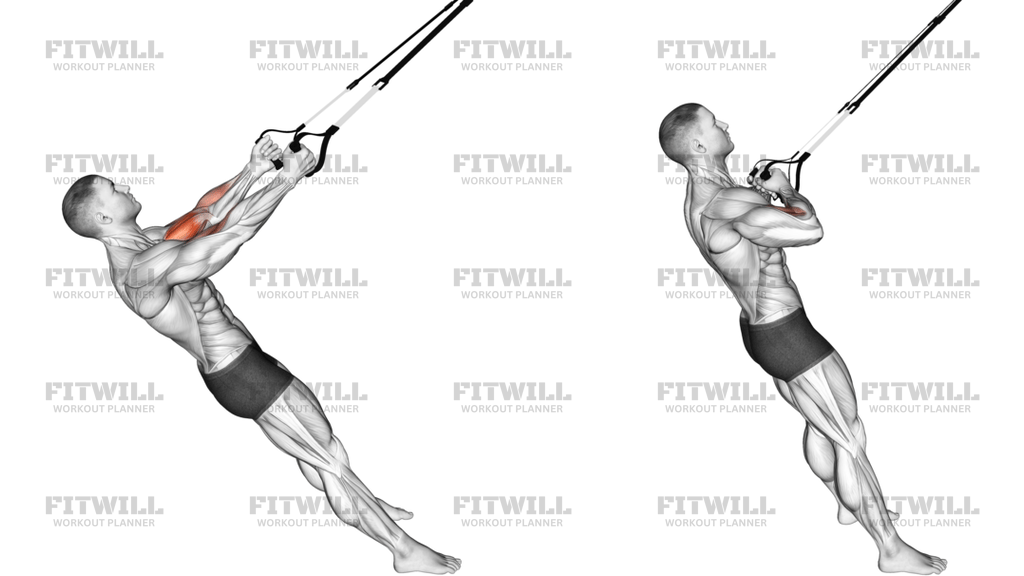
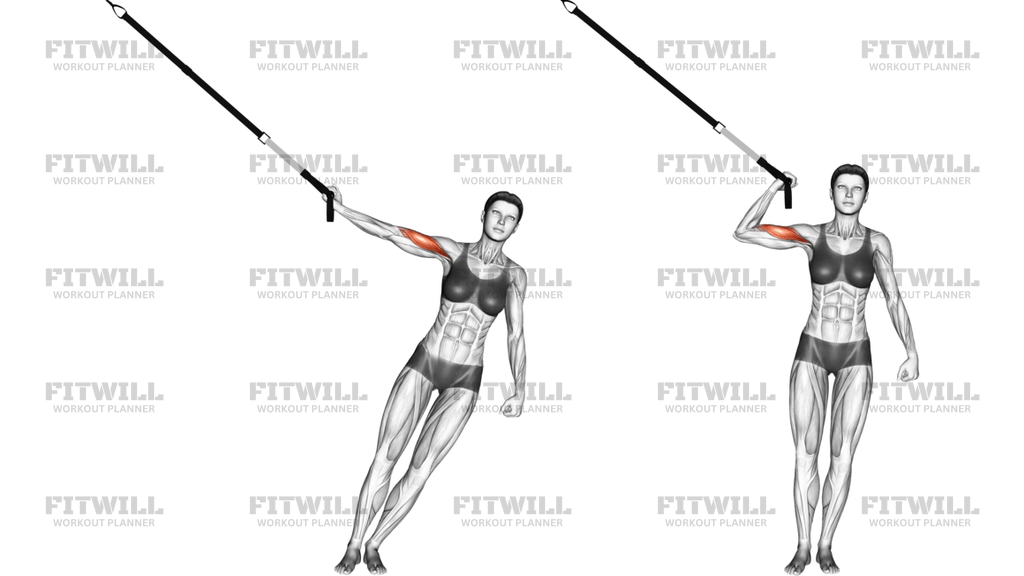
Suspension One-Arm Biceps Curl is a single-arm suspension-trainer variation that loads the elbow flexors while demanding a steady torso position. Because one arm is doing the work while the body hangs at an angle from the anchor, the exercise challenges the biceps, brachialis, brachioradialis, forearms, and shoulder stabilizers at the same time. It is useful for lifters who want a curl pattern that feels more athletic and less fixed than a dumbbell or cable curl.
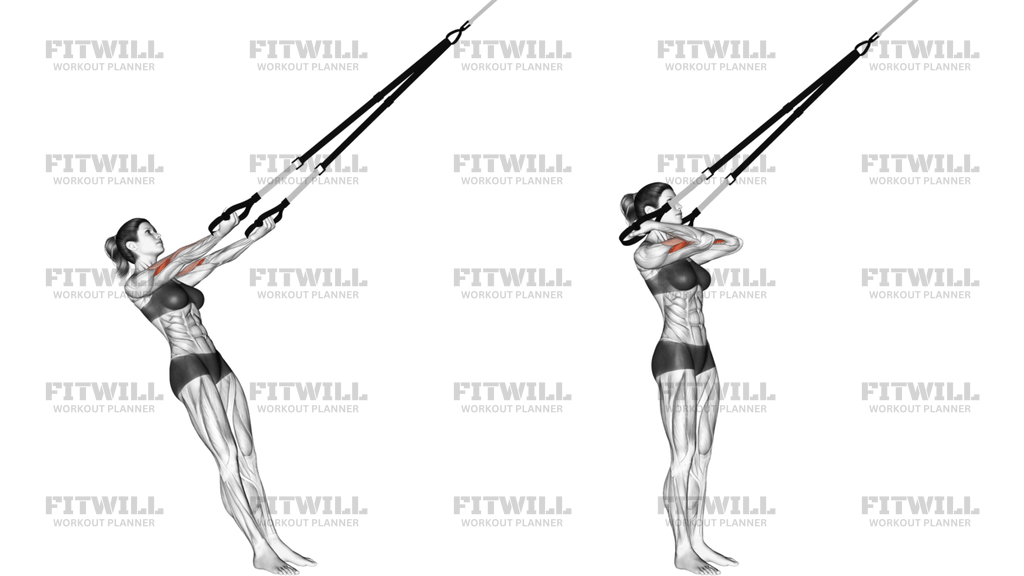
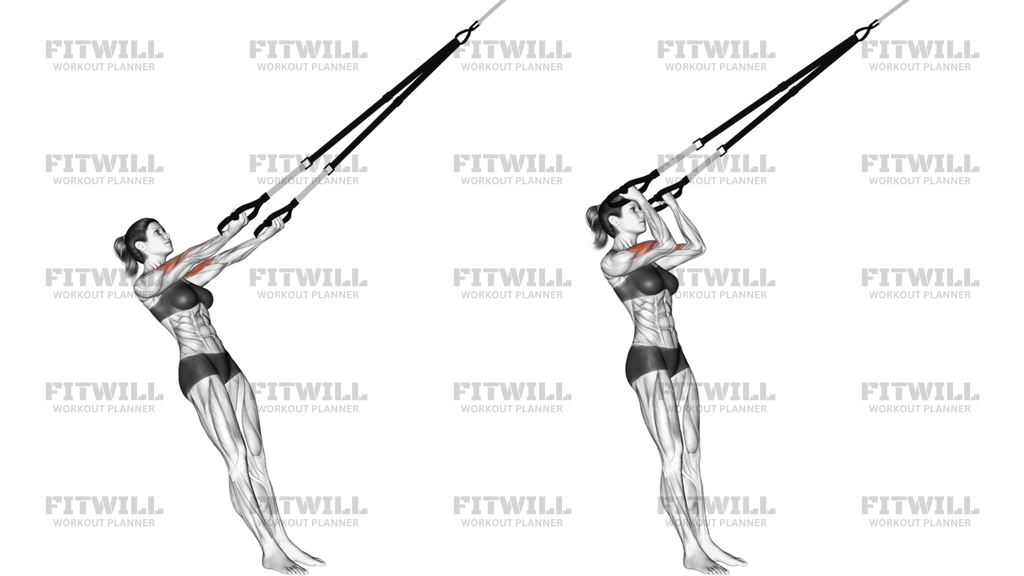
The setup matters because the line of pull changes as soon as you step your feet forward or back. A slightly angled body, straight wrist, and quiet shoulder keep the resistance on the arm instead of letting the torso twist and steal the rep. In the starting position, the working arm is extended and the strap is under tension; that long position gives the curl a strong stretch and makes the first few inches of the rep matter.
Suspension One-Arm Biceps Curl works best when you curl by bending the elbow and keeping the upper arm mostly still. The handle should travel toward the side of the face or shoulder, not out in a wide arc, and the ribs should stay stacked instead of flaring to help the pull. On the way down, resist the return slowly so the biceps stay loaded instead of letting the strap snap you back to the start.
This exercise is a good accessory choice for upper-body days, arm work, or warmups where you want tension without needing a heavy external load. It also teaches body control because the free arm and trunk have to stay calm while one side works. Beginners can use it with a more upright body angle, while experienced lifters can step farther away from the anchor to increase leverage and control demands.
Treat Suspension One-Arm Biceps Curl like a precision curl, not a momentum drill. Clean reps should feel smooth, stable, and repeatable from the first rep to the last. If the shoulder shrugs, the torso rotates, or the wrist folds back, the angle is too hard or the set is too long. Keep the motion strict, breathe with each rep, and stop once you can no longer control the return path.
Fitwill
Log Workouts, Track Progress & Build Strength.
Achieve more with Fitwill: explore over 9600 exercises with images and videos, access built-in and custom workouts, perfect for both gym and home sessions, and see real results.
Start your journey. Download today!




Instructions
- Set the suspension anchor high and hold one handle in one hand with your palm facing up, then step the working-side foot slightly forward so your body leans away from the anchor under tension.
- Keep the working arm almost straight at the start, with the shoulder down, wrist stacked, and your body in a long line from head to heels.
- Plant your feet firmly and keep your free arm quiet at your side or lightly out for balance without twisting your torso.
- Brace your midsection before the curl so your ribs do not flare and your hips do not drift toward the handle.
- Curl the handle toward the side of your face or shoulder by bending only the elbow as much as possible.
- Keep the upper arm steady and avoid letting the elbow swing backward or outward as the handle comes up.
- Squeeze the biceps briefly at the top without shrugging the shoulder or cranking the wrist backward.
- Lower the handle slowly until the arm is nearly straight again, keeping tension on the strap the whole way down.
- Exhale as you curl and inhale as you lower, then reset your stance before the next rep.
Tips & Tricks
- Shorten or lengthen your stance before changing the strap length; body angle is the main way to scale this curl.
- If your shoulder starts shrugging toward your ear, step a little closer to the anchor and keep the chest tall.
- Keep the elbow pointed slightly forward instead of pinned behind your ribs so the biceps stay in charge of the rep.
- A slow 2-3 second lowering phase makes this exercise feel much harder than the curl up, and that is the point.
- Do not let the free side of your body rotate toward the anchor; the set should look almost square from the waist up.
- If your wrist bends back, loosen your grip pressure and keep the knuckles in line with the forearm.
- Stop the set when the handle starts drifting up by momentum instead of elbow flexion.
- Use a smaller lean if you feel the work mostly in the shoulder or forearm rather than the biceps.
Frequently Asked Questions
What muscle does Suspension One-Arm Biceps Curl target most?
The biceps are the main target, with help from the brachialis, brachioradialis, and forearm flexors to stabilize the handle.
How do I set up the straps for Suspension One-Arm Biceps Curl?
Use a high anchor and stand far enough back that the working arm is already under tension when it is almost straight. If you have to lean so far that your shoulder shrugs, move a little closer.
Should my body stay square during Suspension One-Arm Biceps Curl?
Yes. A small lean is normal, but the ribs and hips should stay mostly square so the arm does the curling instead of a torso twist.
Why does Suspension One-Arm Biceps Curl feel different from a dumbbell curl?
The suspension strap adds instability, so your shoulder, forearm, and trunk have to organize the rep while the biceps flex the elbow. That usually makes the same curl pattern feel lighter at the top and harder to control at the bottom.
What grip should I use on the handle?
Use a palm-up grip if the handle setup allows it, with a straight wrist and the handle sitting deep in the hand rather than at the fingertips.
Can beginners do Suspension One-Arm Biceps Curl?
Yes, but they should start with a more upright body angle and a slow lowering phase. The exercise gets difficult fast once the body leans farther away from the anchor.
Why is my shoulder taking over the movement?
That usually means the elbow is drifting forward or the strap is too challenging. Step closer to the anchor and keep the shoulder packed down while you curl.
How can I make Suspension One-Arm Biceps Curl harder without adding weight?
Step farther from the anchor, slow the lowering phase, or hold the top position for a brief squeeze. Any of those options increases the tension without changing equipment.