Suspension Side Cross Lunge
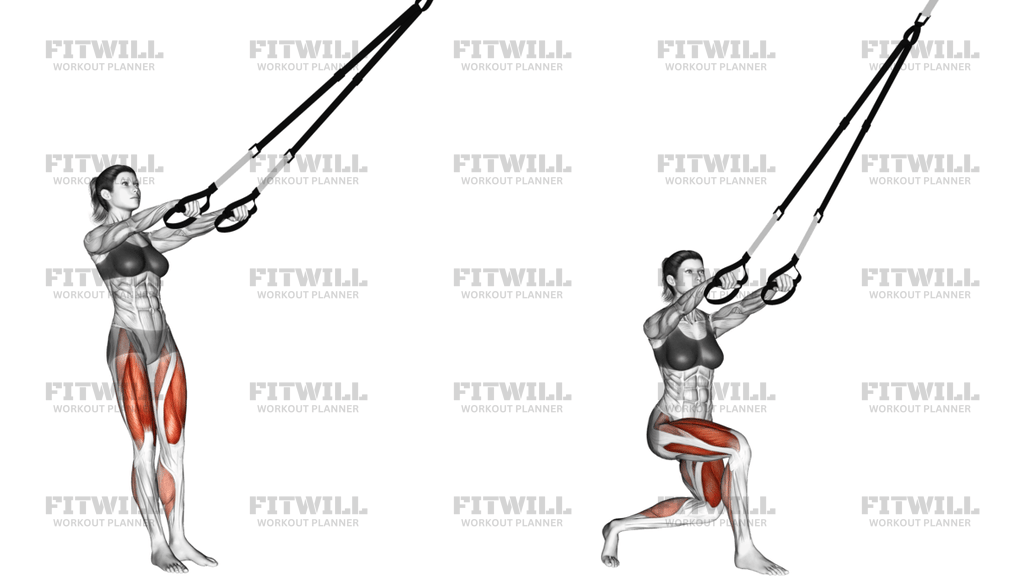
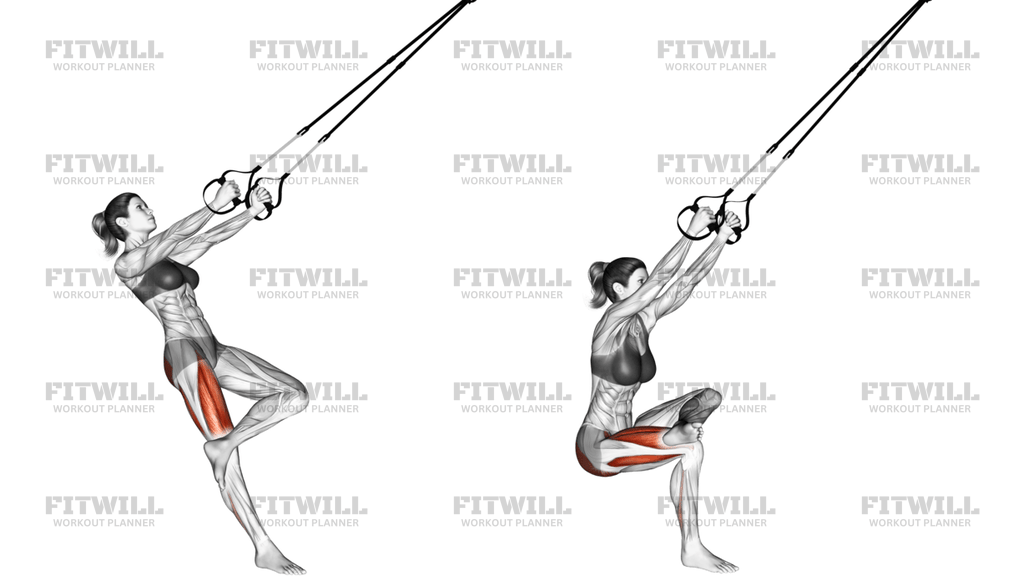
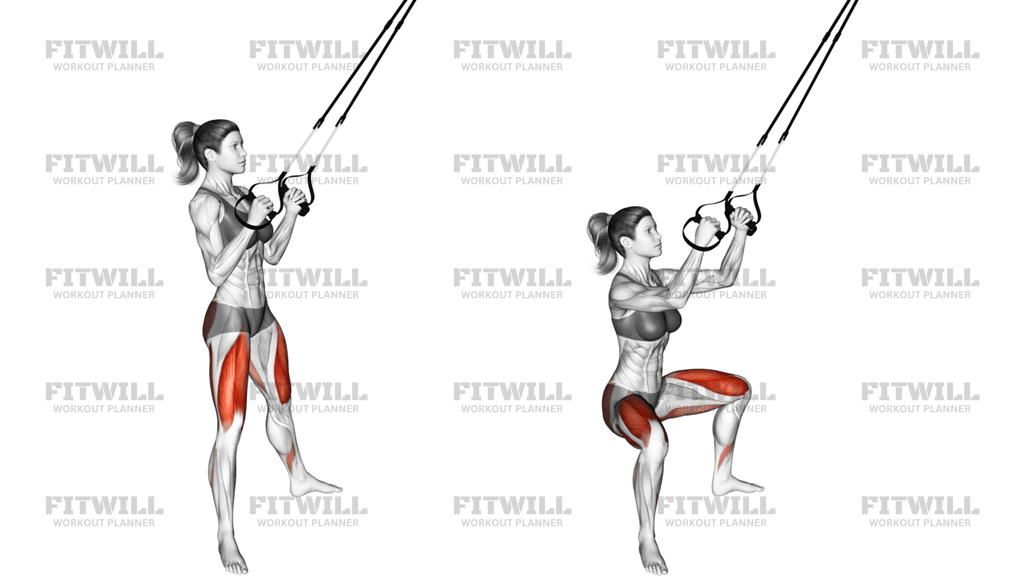
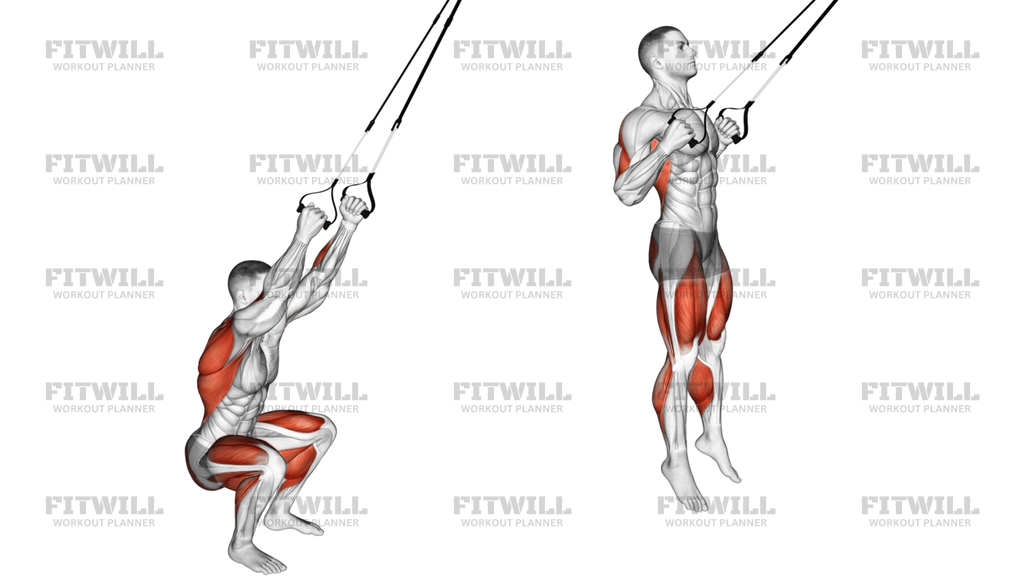
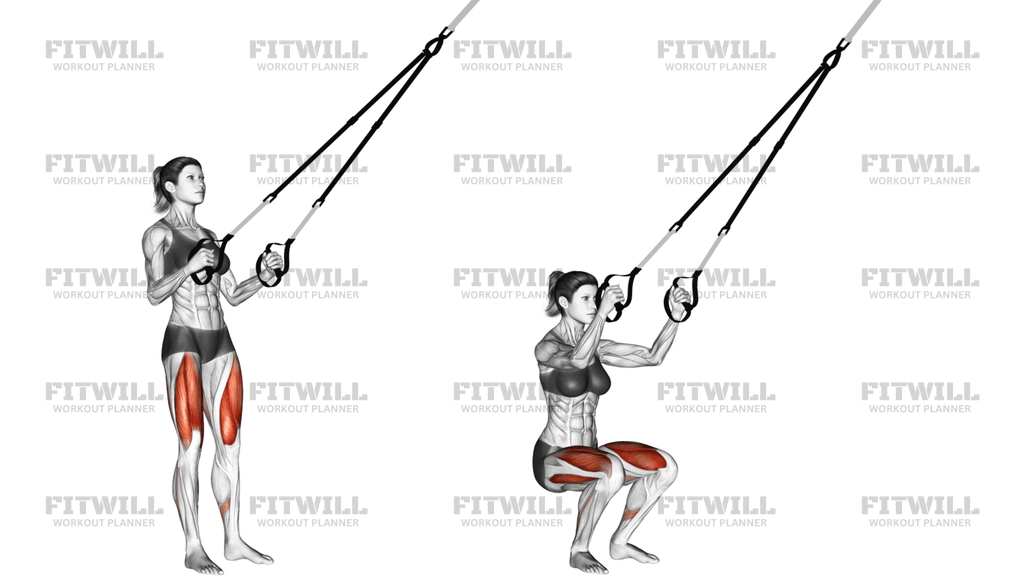
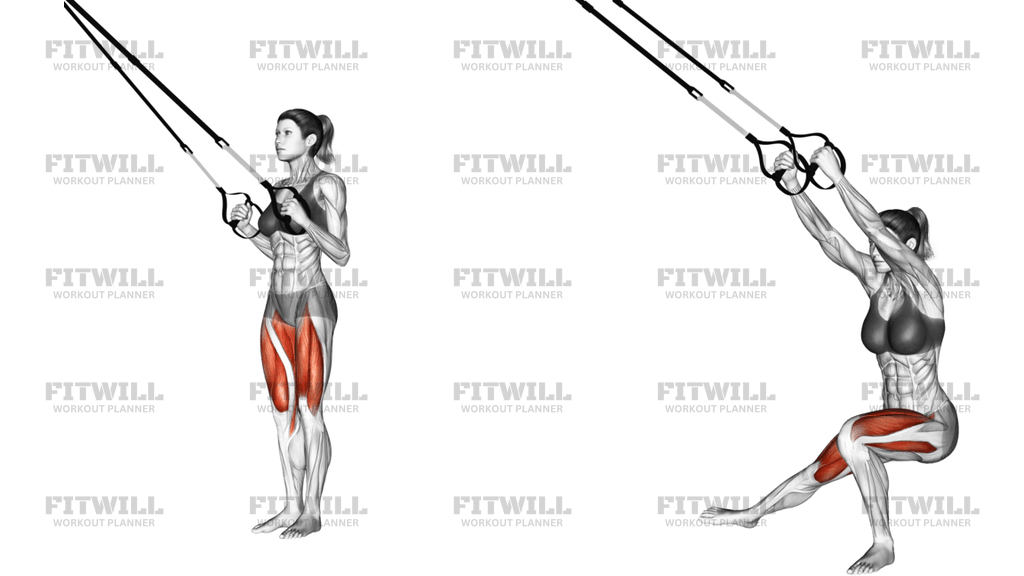
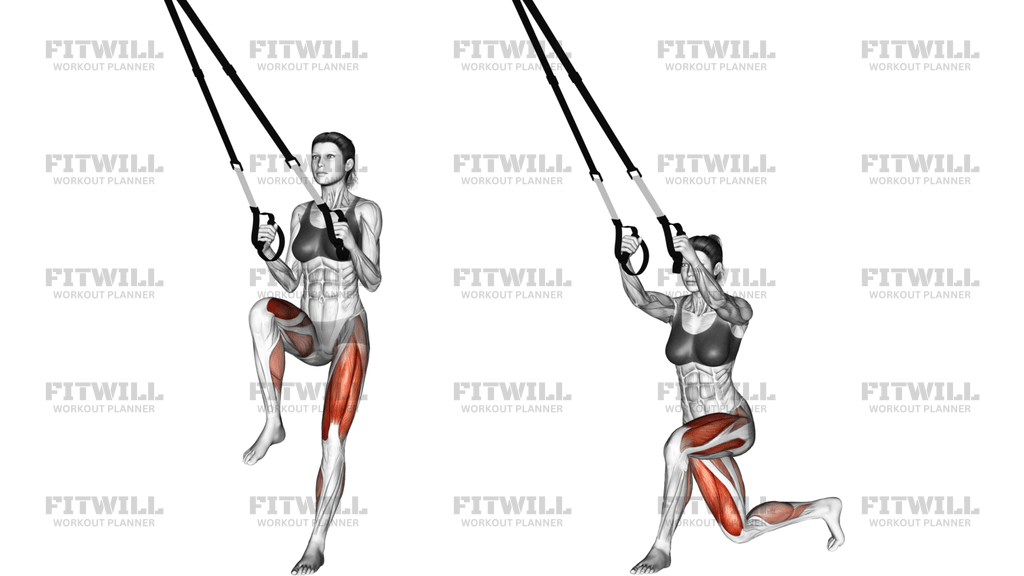
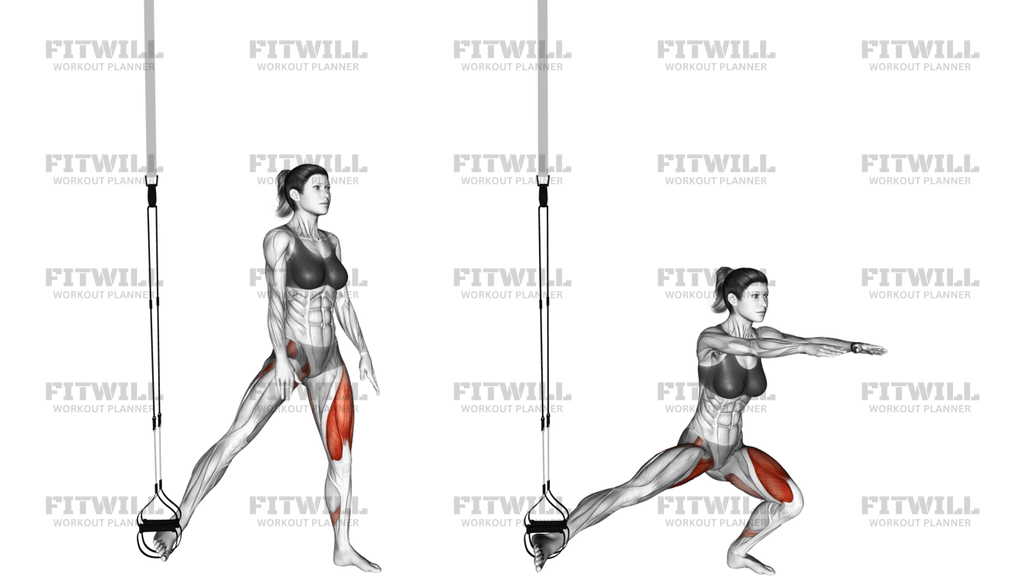
Suspension Side Cross Lunge is a suspension-assisted lower-body drill that trains a sideways lunge with the rear leg crossing behind the working leg. The straps add balance assistance and a steady counterbalance, but the legs still do the real work. That makes the exercise useful for building single-leg strength, hip control, and cleaner lateral movement without needing heavy external load.
The main emphasis is on the quads, with meaningful help from the glutes, adductors, hip stabilizers, and core. Because the body is shifting side to side while the torso stays tall, the exercise rewards control more than speed. If the setup is off, the movement turns into a reach for the handles or a shallow shuffle instead of a strong lunge.
Start by facing the anchor and holding the suspension handles with both arms extended in front of the shoulders. Step back until the straps are taut, then take the working leg out to the side while the opposite leg crosses behind and stays light on the floor. The handles should help you stay organized, not pull you forward; your torso should stay long, your chest open, and your working knee lined up over the middle toes.
On the descent, sit the hips toward the working side and let the front knee bend as the trailing leg crosses behind for support. Keep the front foot planted and the heel heavy so the thigh, glute, and hip stay loaded through the whole range. At the bottom, you should feel a strong stretch and load through the working leg, not a collapse into the hip or knee.
Drive back to standing by pushing through the working foot and bringing the crossed leg back under control. Breathe in as you lower and exhale as you stand, especially if the handles make you want to rush the return. Suspension Side Cross Lunge is a good choice for warmups, accessory leg work, athletic conditioning, and lateral-control training, especially when you want a challenge that is demanding but still joint-friendly.
[ Workout Log & Planner ]
Put your next workout in Fitwill
Keep your plan and training log ready when you are.


Instructions
- Face the suspension anchor and hold both handles at about chest height with your arms extended and the straps taut.
- Step back until you have enough tension to stay balanced, then set your feet so the working leg can step out to the side and the other leg can cross behind.
- Stand tall with your ribs stacked over your pelvis, shoulders down, and both feet pointing mostly forward before you start the rep.
- Step the working foot out to the side and sit your hips toward that side as the rear leg crosses lightly behind you.
- Keep the working knee tracking over the middle toes and let the front heel stay heavy as you lower.
- Descend until the working thigh is deeply loaded but your torso can stay long and your heel stays planted.
- Drive through the working foot to stand back up, bringing the crossed leg back in under control.
- Keep the handles as a balance guide rather than a pull-up point, and exhale as you return to standing.
- Reset your stance before the next rep so each side cross lunge starts from a stable position.
Tips & Tricks
- Keep the straps taut; if they go slack, you are probably leaning too far forward or standing too close to the anchor.
- Think about sitting the hips out to the side instead of folding at the waist.
- Let the rear leg cross behind only as far as you can keep the front knee clean and stable.
- Keep pressure through the whole front foot, especially the heel and big toe base, to avoid rolling onto the inside edge.
- A shorter step out works better than a huge reach if your hip pinches or your torso starts tipping.
- Use the handles for balance, not for pulling yourself up out of the bottom position.
- Stop the rep when the working knee starts to cave inward or the front heel starts lifting.
- Move smoothly through the crossover so the trailing leg does not slap down or steal the load from the working leg.
- If the straps are in your face at the top, step back slightly more before the next rep.
Frequently Asked Questions
What muscles does Suspension Side Cross Lunge work most?
It emphasizes the quads on the working leg, with the glutes, adductors, and hip stabilizers helping control the side-to-side shift.
Is Suspension Side Cross Lunge good for beginners?
Yes, if the straps are set high enough for balance and the step is kept short. Beginners should use the handles lightly and focus on a clean knee track.
How should my hands be positioned on the Suspension Side Cross Lunge handles?
Hold both handles with straight or slightly soft elbows at chest height. Your hands should steady the movement, not drag your shoulders forward.
How far should I step out on a Suspension Side Cross Lunge?
Step far enough to feel the working hip and thigh load, but not so far that your front heel lifts or your torso leans hard into the straps.
Why does my front knee cave inward during this exercise?
Usually the step is too wide, the rear leg is doing too much work, or the foot arch is collapsing. Shorten the step and keep pressure through the big toe base and heel.
Should the crossed-back leg touch the floor hard?
No. It should stay light and mostly help with balance so the working leg keeps the load.
What if my hips pinch at the bottom of the Suspension Side Cross Lunge?
Reduce the depth, narrow the crossover, or stand a little farther from the anchor so the straps do not pull you out of position.
Can Suspension Side Cross Lunge replace a regular side lunge?
It can be a useful variation when you want more balance assistance or a more controlled tempo, but a regular side lunge is still useful if you want less upper-body support.