Suspension Abduction Lunge
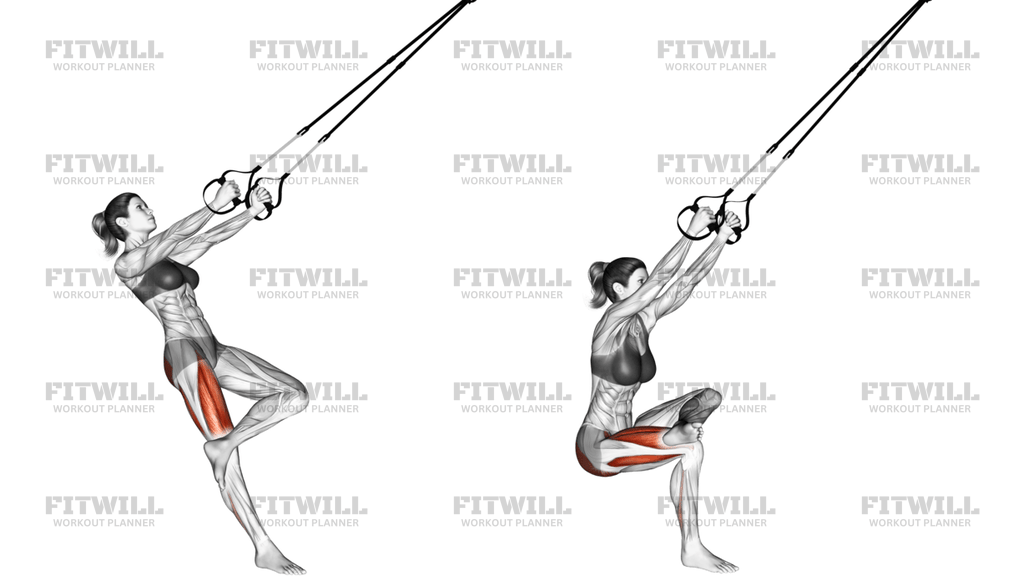
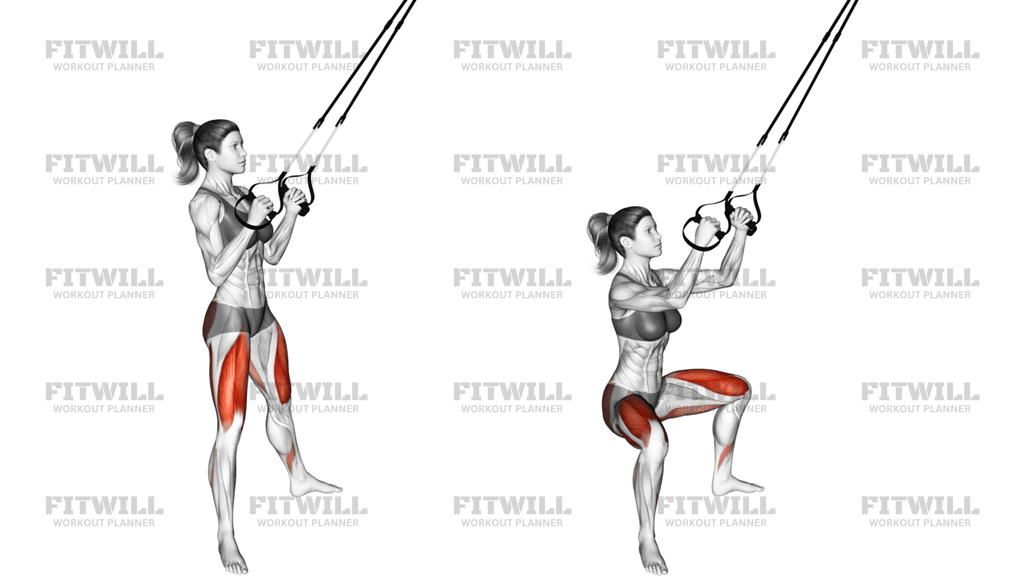
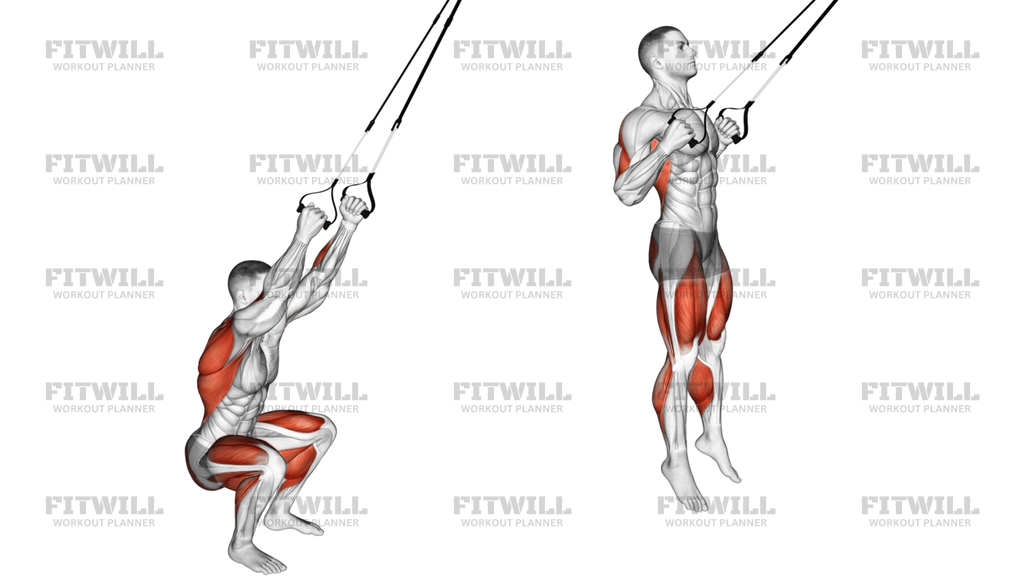
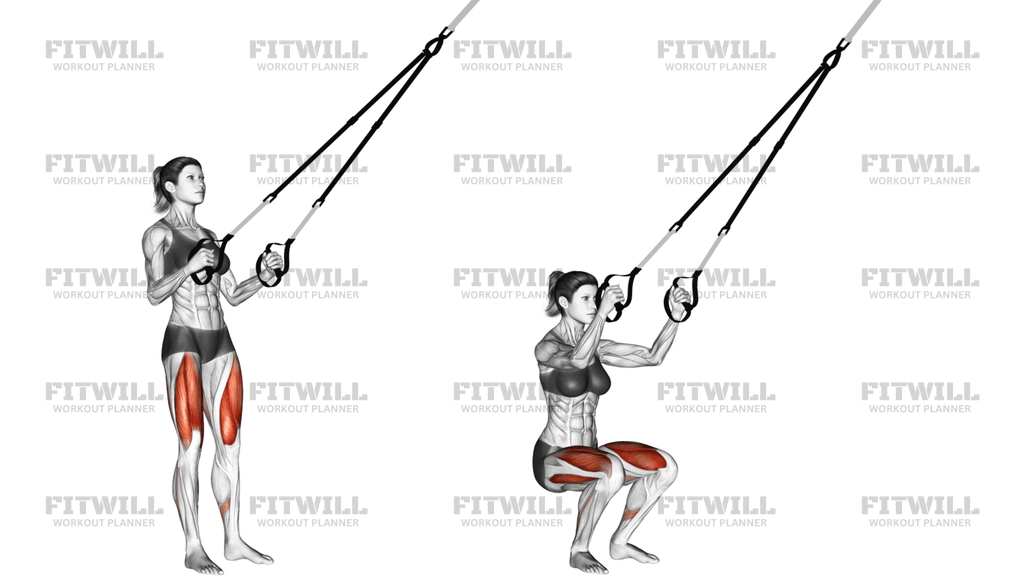
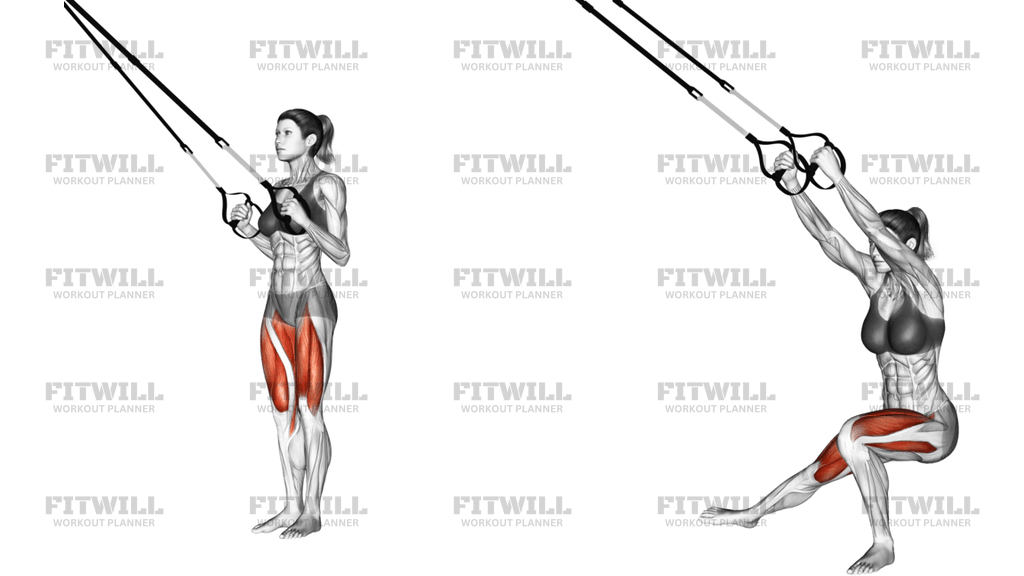
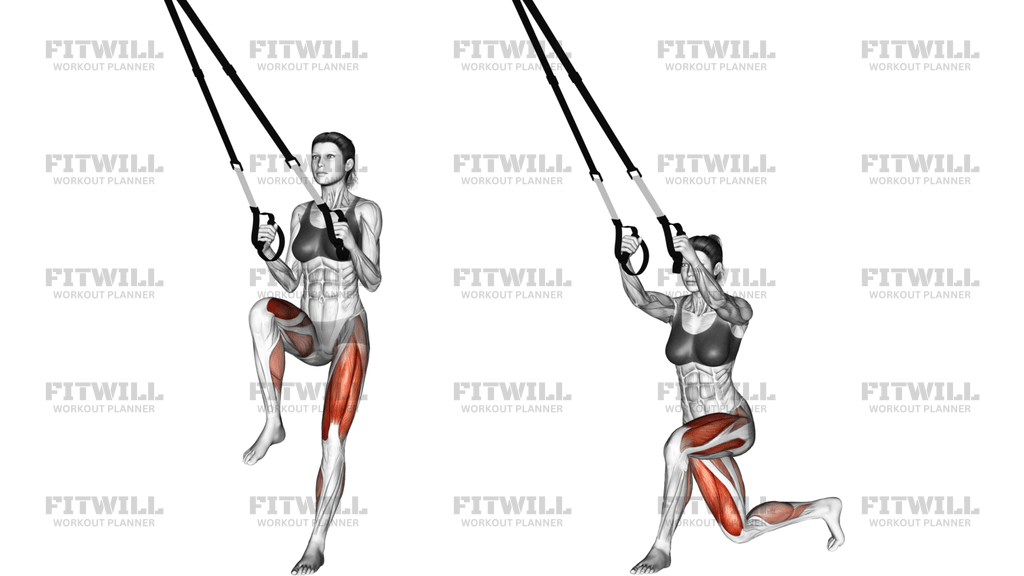
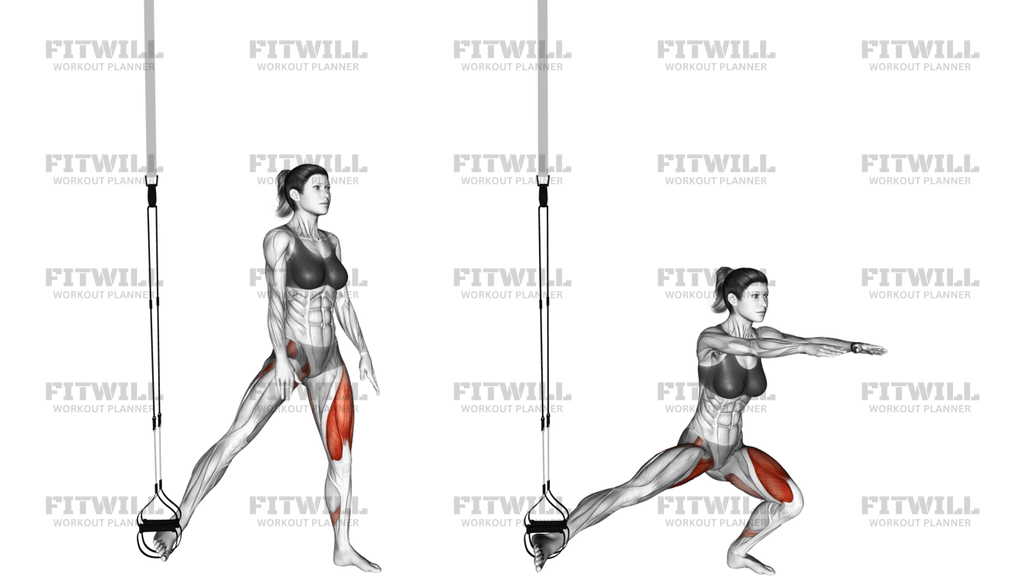
Suspension Abduction Lunge is a supported lateral lunge that uses a suspension strap to make the side-to-side pattern more controllable. One foot stays planted while the other leg is supported in the cradle, so you can sit into the hip, load the standing leg, and train the adductors, quads, and hip stabilizers without losing balance as easily. The suspension setup does not replace the lunge pattern; it gives you enough assistance to move with better position and a cleaner range of motion.
The exercise is most useful when you want single-leg leg work that still feels athletic and coordinated. The standing leg does most of the work, especially through the quad and glute, while the suspended leg travels outward with the body and helps you stay oriented. That makes it a good choice for lower-body sessions, warmups, accessory work, and phases where you want to improve frontal-plane control, hip mobility, and knee tracking at the same time.
Setup matters here because small changes in strap tension and distance from the anchor change the whole feel of the rep. Stand tall with the suspension cradle supporting the moving foot, hold the handles or straps in front of you for balance, and keep your torso long before you descend. If you start twisted, too close to the anchor, or already sitting into one hip, the movement turns into a reach instead of a controlled lunge.
On each rep, sit the hips back and out toward the planted side while the standing knee bends and tracks in line with the toes. Keep the planted foot rooted, let the suspended leg move out to the side without yanking on the strap, and stay smooth through the bottom. Drive back to standing through the whole foot, then reset before the next repetition. The best version of this exercise looks deliberate and balanced, not rushed or exaggerated.
Use a depth that you can control without the arch collapsing, the pelvis rotating, or the torso tipping. If your knee or hip feels pinched, shorten the range and keep the strap tension light enough that you can own the bottom position. This is a practical lower-body drill for people who need stronger frontal-plane mechanics, better balance, and cleaner side-lunge control under load.
[ Workout Log & Planner ]
Put your next workout in Fitwill
Keep your plan and training log ready when you are.


Instructions
- Loop one foot into the suspension cradle and stand on the other leg facing the anchor, holding the handles or straps in front of you for balance.
- Step far enough away that the strap stays taut, then plant the standing foot flat with the toes mostly forward.
- Stack your ribs over your pelvis, keep your chest tall, and brace before you descend.
- Start the lunge by sending the hips back and out toward the planted side rather than dropping straight down.
- Bend the standing knee so it tracks over the middle toes while the suspended leg travels outward with the body.
- Lower until you reach a controlled side-lunge position without twisting the pelvis or collapsing the arch.
- Press through the heel and midfoot of the standing leg to return to standing.
- Finish each rep tall, exhale on the drive up, and reset the strap tension before the next rep.
Tips & Tricks
- Keep the standing foot in a tripod: heel, base of the big toe, and base of the little toe all stay down.
- Hold the handles lightly; if you are hanging on hard, the strap is probably doing too much of the work.
- A small forward torso lean is fine, but do not fold at the waist or let the shoulders round.
- Let the suspended leg stay long and quiet instead of pulling it across your body.
- Control the bottom position for a brief pause so the standing hip and knee actually absorb the load.
- If the movement feels unstable, shorten the stance slightly or stand a bit closer to the anchor.
- Keep the standing knee aligned with the toes rather than letting it cave inward on the way up.
- Use a slow lowering phase so you feel the adductors and glute working before you stand.
Frequently Asked Questions
What does Suspension Abduction Lunge train most?
It emphasizes the standing-leg quads and glutes while also challenging the adductors, hip stabilizers, and balance.
Do I hold the handles or just the straps?
Most setups use the handles or straps for light balance support while one foot stays in the cradle. Keep the grip relaxed so the standing leg still does the work.
Where should the suspended foot sit?
The foot should stay secure in the cradle so the leg can move outward with the lunge without slipping or twisting.
How deep should I go on the side lunge?
Go only as deep as you can while keeping the planted foot flat, the knee tracking over the toes, and the pelvis square.
Can beginners use this movement?
Yes. Start with short range of motion and enough strap assistance that you can stay balanced through the whole rep.
What is the most common form mistake?
The biggest issue is letting the standing knee cave inward or using the straps to pull yourself through the rep.
Why do my hips want to rotate at the bottom?
That usually means the step is too wide, the strap is too loose, or the load is too heavy for your current control.
How can I make the exercise harder?
Slow the lowering phase, pause briefly at the bottom, and reduce how much you rely on the suspension support.