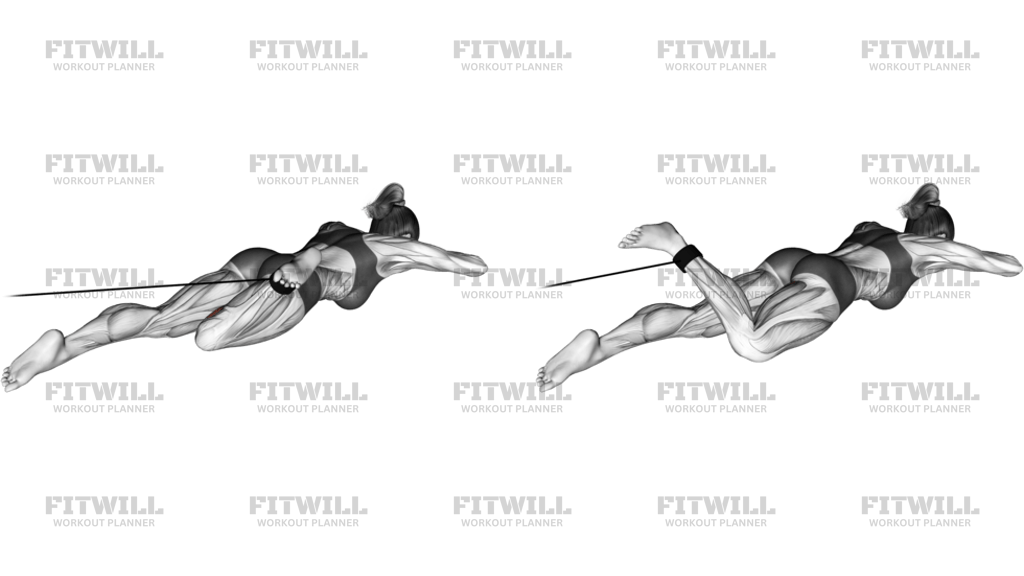
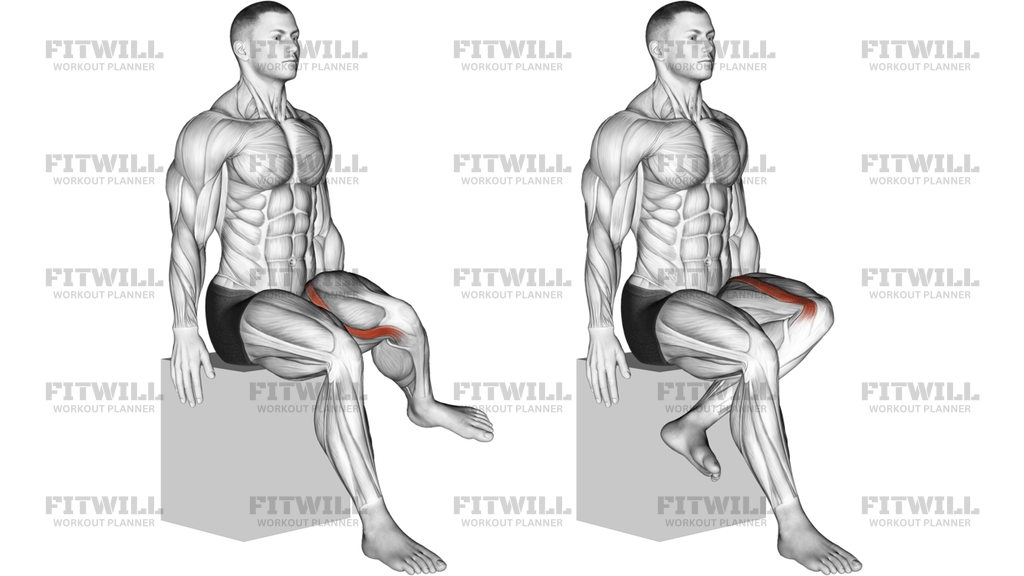
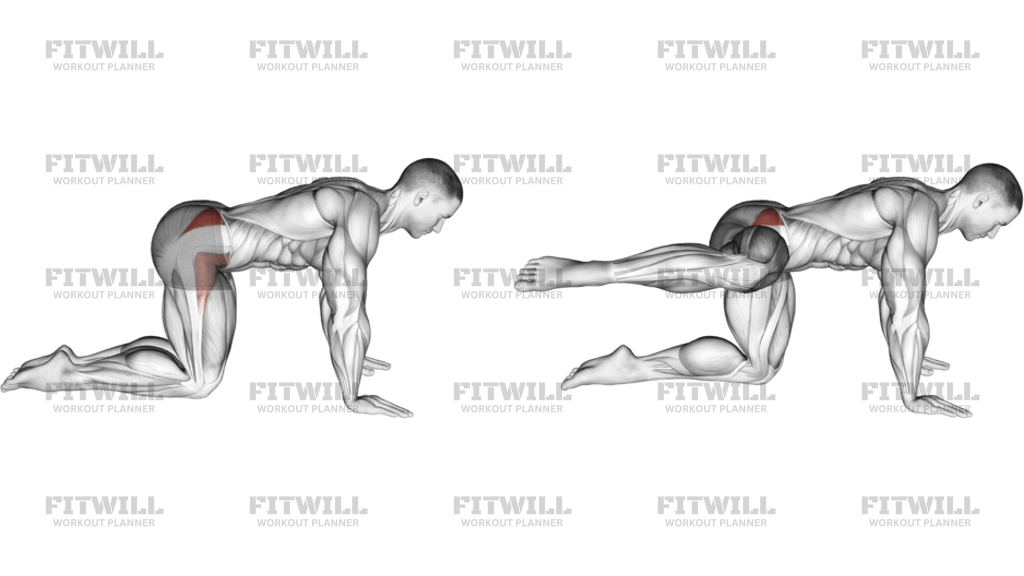
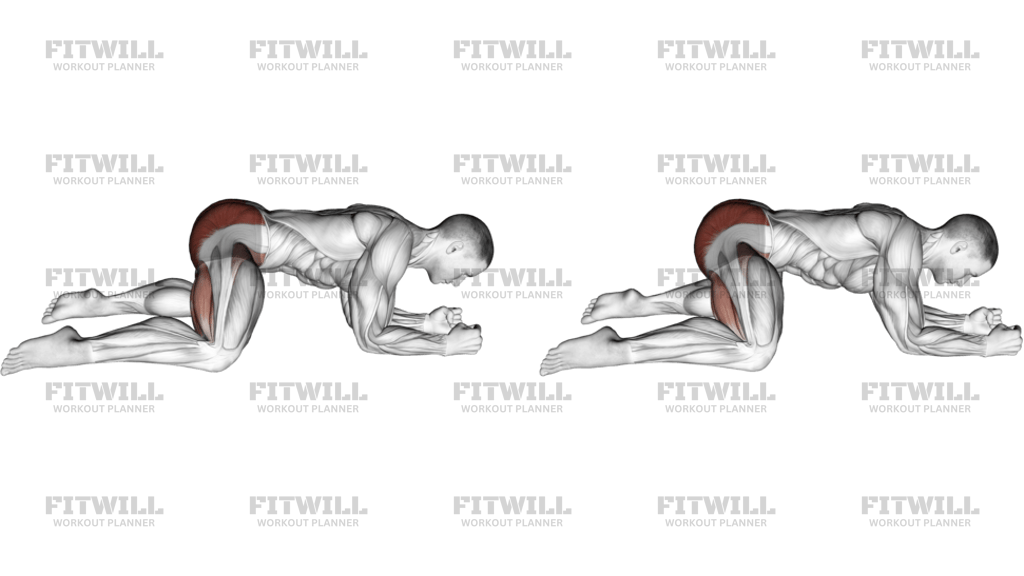
Flutter Kicks Version 2
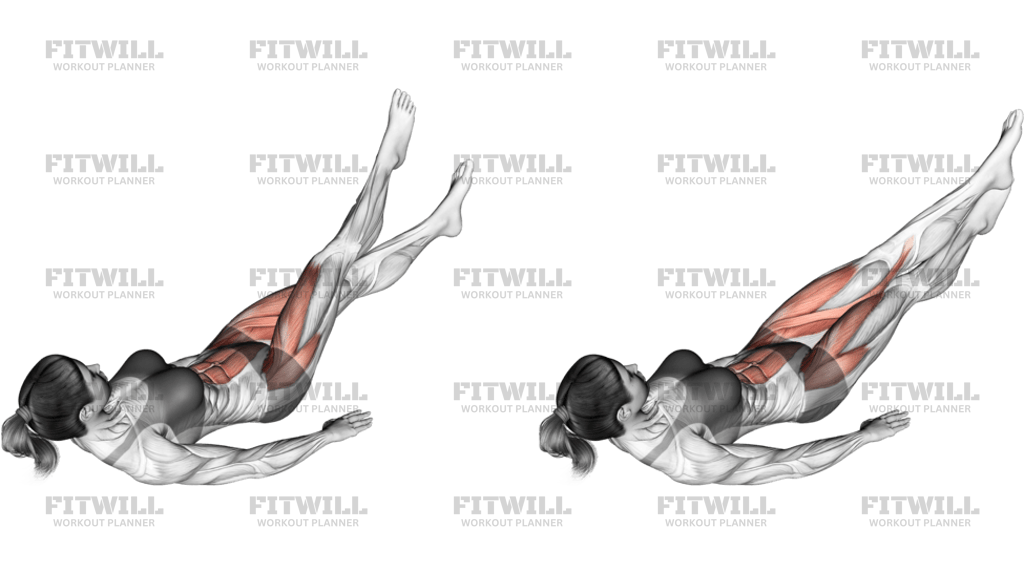
Flutter Kicks Version 2 is a prone bench-supported bodyweight exercise that keeps the torso anchored while the legs alternate in a quick kicking pattern. It is useful when you want to train glute-driven hip extension with just enough trunk demand to challenge the core and lower back without loading the spine with external weight.
The bench changes the feel of the movement. With the hips supported and the chest braced on the pad, the working leg has room to move freely behind the body while the pelvis stays square. That setup makes Flutter Kicks Version 2 a good option for accessory work, warm-up activation, or conditioning-style sets where you want repeated leg action without turning the rep into a full-body swing.
The main work is centered on the glutes, with the hamstrings helping extend the hips and the abs working to keep the trunk from tipping or twisting. If the lower back takes over, the kicks usually become too large or the hips lose contact with the bench. A cleaner rep keeps the movement small, controlled, and centered through the hip instead of the low back.
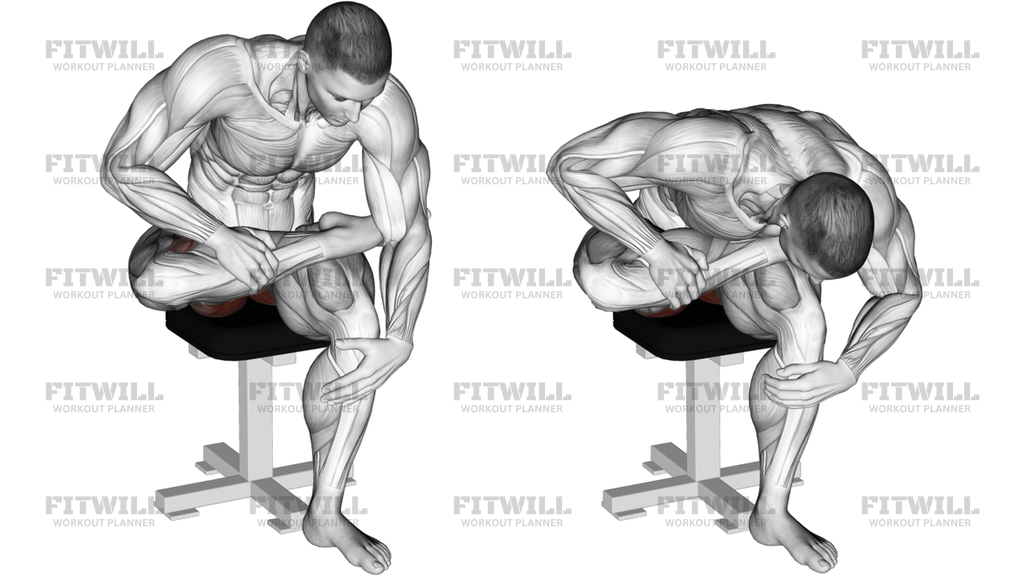
Setup matters because the torso needs to stay stable while the legs alternate. Lie face down on the bench with your hips near the edge, chest supported, and hands gripping the sides for support. Extend both legs long behind you, then raise them just enough that the feet clear the floor or stay in line with the body. From there, alternate the legs in a steady rhythm while keeping the pelvis quiet.
Flutter Kicks Version 2 works best when the kicking action stays crisp and repeatable. The range does not need to be huge; the goal is to feel the glutes and hamstrings working without arching hard through the lower back or bouncing off the bench. For beginners, a smaller kick and a slower rhythm are usually enough to build control. For more advanced sets, the challenge comes from cleaner tempo, longer time under tension, and stricter torso stability rather than from wild leg height.
Fitwill
Log Workouts, Track Progress & Build Strength.
Achieve more with Fitwill: explore over 9600 exercises with images and videos, access built-in and custom workouts, perfect for both gym and home sessions, and see real results.
Start your journey. Download today!




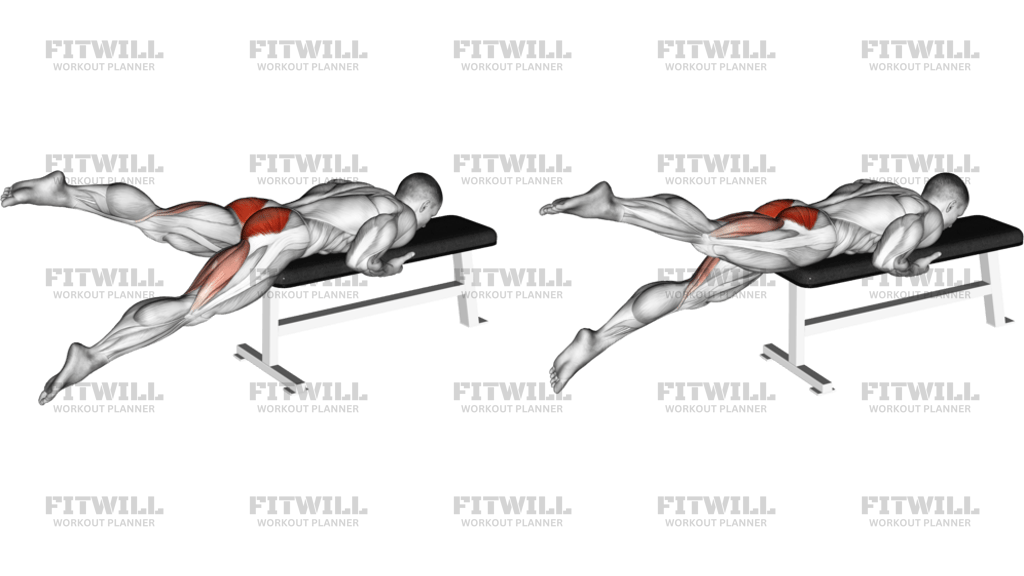
Instructions
- Lie face down on a flat bench with your hips near the front edge, your chest and upper abdomen supported, and your hands gripping the sides of the bench for balance.
- Extend both legs straight behind you so your thighs are off the bench edge and your feet are clear of the floor.
- Set your neck in a comfortable neutral position and lightly brace your abs so your lower back does not sag.
- Squeeze your glutes and lift both legs just enough to create a small gap between your feet and the floor.
- Begin alternating the legs in short flutter kicks, keeping one leg slightly higher as the other lowers.
- Keep the movement coming from the hips instead of kicking from the knees or swinging the whole leg.
- Hold your pelvis steady on the bench and avoid letting one hip roll higher than the other.
- Breathe in as the legs switch and exhale on the effort, keeping the rhythm smooth and even.
- Finish the set by lowering both legs under control and stepping down carefully from the bench.
Tips & Tricks
- Keep your hips close to the bench edge so the legs can move freely without the torso sliding forward.
- Make the kicks small; big leg swings usually shift the work into the lower back instead of the glutes.
- If your low back arches, lower the feet less and tighten the abs before each switch.
- Press your pelvis into the bench pad and avoid letting one side of the hips twist open.
- Pointing the toes can help keep the line long, but do not turn it into a hard knee bend or a kick from the calves.
- Move at a steady rhythm instead of pausing too long between legs, which often makes the hips rock.
- Keep your chest heavy on the bench and your shoulders relaxed so the neck does not take over.
- Stop the set when the feet start dropping below the bench line with no glute squeeze left.
Frequently Asked Questions
What does Flutter Kicks Version 2 work most?
Flutter Kicks Version 2 mainly trains the glutes, with the hamstrings and abs helping keep the legs moving and the pelvis stable.
How should I lie on the bench for Flutter Kicks Version 2?
Place your hips near the edge of the bench, support your chest on the pad, and grip the bench sides so your upper body stays anchored while the legs move.
Should my legs stay straight during Flutter Kicks Version 2?
Yes, keep them mostly straight with only a soft knee if needed for comfort. The movement should come from the hips, not from bending the knees.
Why does my lower back feel Flutter Kicks Version 2?
That usually means the kicks are too large or the abs are not bracing enough. Shorten the range and keep the pelvis pressed into the bench.
Can beginners do Flutter Kicks Version 2?
Yes. Beginners should use a smaller kick range and a slower rhythm until they can keep the hips still on the bench.
How high should the feet go in Flutter Kicks Version 2?
Only high enough to keep tension on the glutes without arching hard through the lower back. Small, controlled kicks are the goal.
What is the biggest mistake in Flutter Kicks Version 2?
The most common mistake is letting the hips rock or swing so the set turns into momentum instead of controlled alternating kicks.
How can I make Flutter Kicks Version 2 harder?
Slow the rhythm, keep the kicks smaller, and extend the set before you increase any external load or change the setup.