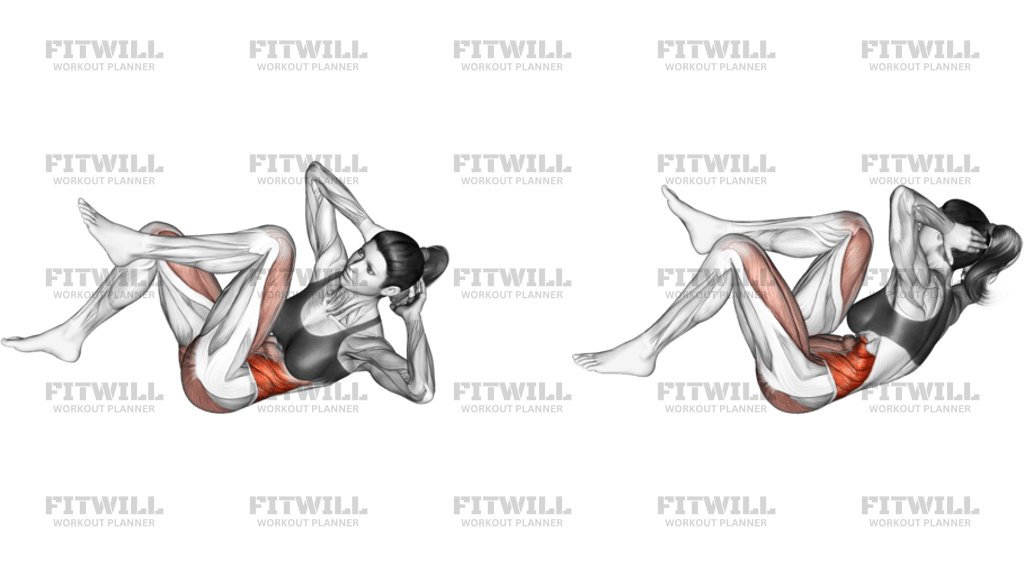
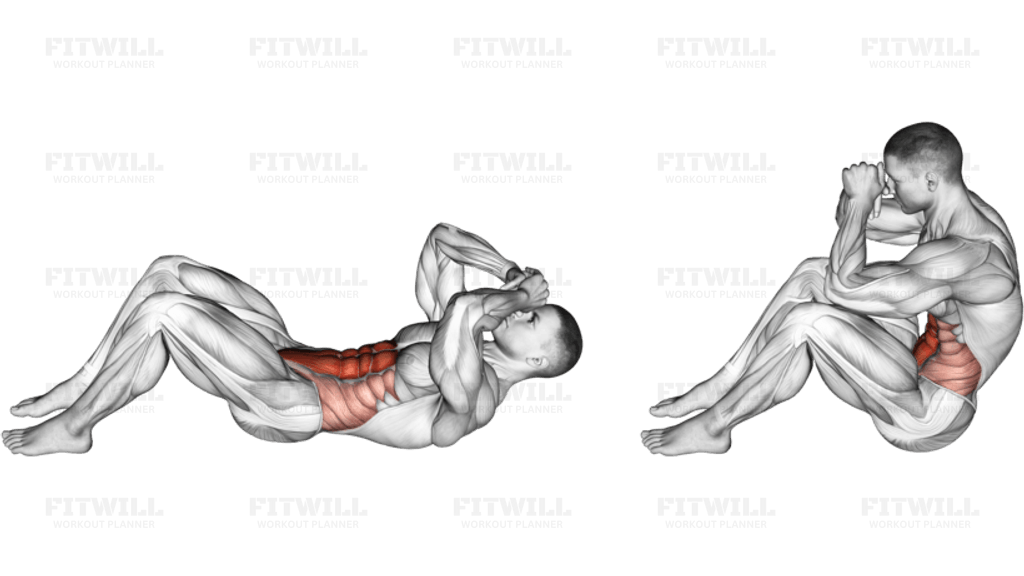
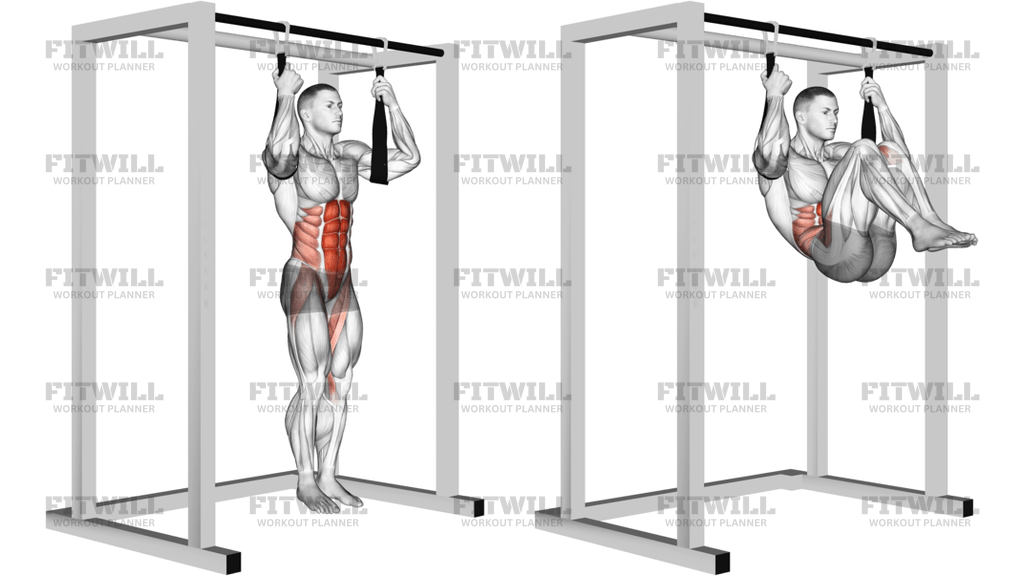
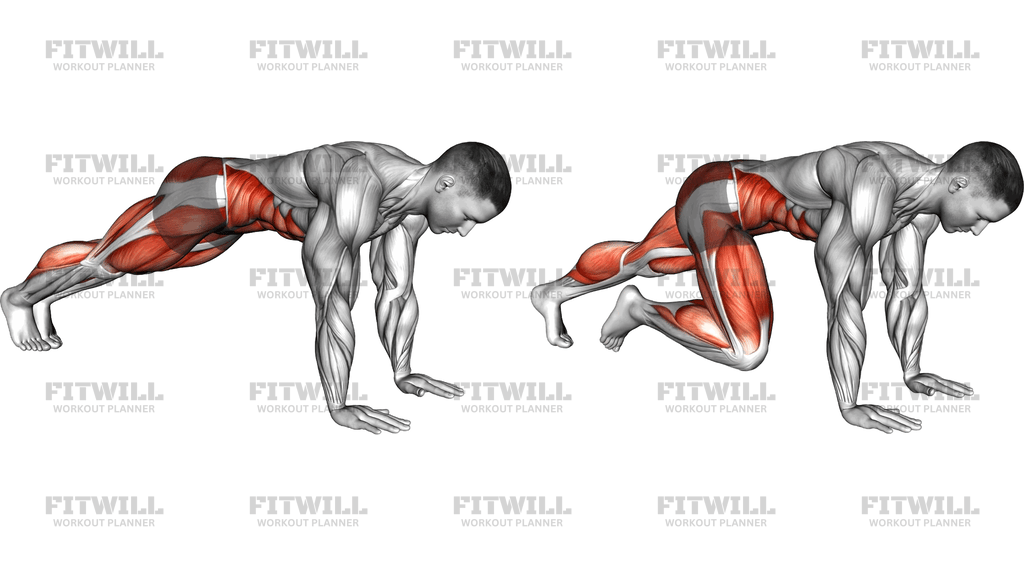
Roman Chair 45 Degree Bicycle Twisting Crunch
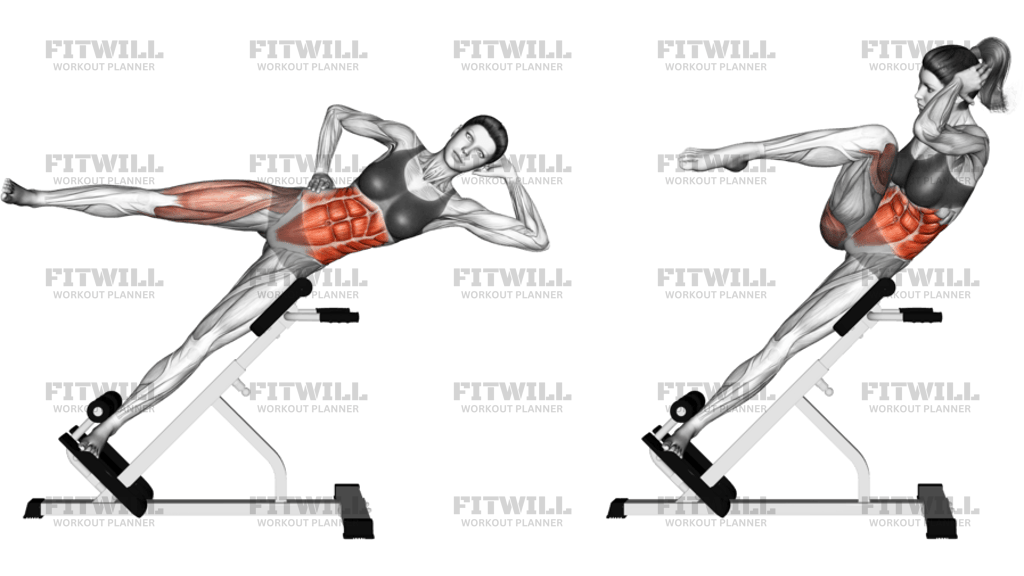
Roman Chair 45 Degree Bicycle Twisting Crunch is a side-supported bodyweight core exercise performed on a 45-degree Roman chair or side hyperextension bench. It combines a crunch, twist, and knee drive so the obliques and rectus abdominis have to shorten and stabilize at the same time. The bench angle makes the body longer and harder to control, which is why this movement is useful for training torso strength instead of just chasing fast reps.
The setup matters because the pad and ankle roller decide whether the repetition feels clean or awkward. Place the lower side of your torso against the pad, secure the lower leg under the ankle roller, and let the upper leg extend or stay slightly bent for balance. Keep the top hand behind the head with the elbow open, and let the other hand rest lightly across the chest or torso. Before the first rep, stack the ribs over the pelvis so the trunk starts from a stable line rather than a collapsed twist.
Each repetition should come from curling the ribcage toward the hip while bringing the working-side knee and elbow toward each other. Twist through the ribcage instead of yanking the head or swinging the leg. At the top, the obliques should be the clear limiter, then lower under control until the side body is long again without dumping into the low back. Exhale as you crunch and twist, then inhale as you return.
This exercise fits well in accessory core work, conditioning circuits, or athletic programs that need rotational control and lateral trunk strength. It is usually best trained for smooth reps and a moderate burn rather than max effort. If the neck, shoulder, or low back starts taking over, shorten the range and slow the tempo until the trunk is doing the work cleanly.
[ Workout Log & Planner ]
Put your next workout in Fitwill
Keep your plan and training log ready when you are.


Instructions
- Adjust the Roman chair so your lower side torso rests on the pad and the lower ankle is locked under the roller.
- Lie sideways with your hips stacked, the lower leg secured, and the upper leg extended or slightly bent for balance.
- Place the top hand lightly behind your head and keep the elbow open; let the other hand rest across your chest or torso.
- Set your ribs over your pelvis and brace before starting the first rep.
- Curl your torso sideways while bringing the working-side elbow toward the working-side knee.
- Twist through the ribcage so the elbow and knee move toward each other without jerking or pulling the neck.
- Pause briefly at the top, then lower slowly until the side body is long again.
- Exhale on the crunch and twist, inhale on the return, and reset the same body position for each rep.
Tips & Tricks
- Keep your chin slightly tucked so the top hand does not yank your head forward.
- Press the lower hip into the pad to stop your body from sliding as you crunch.
- Think ribs to hip instead of elbow to knee; that keeps the movement in the trunk.
- If your low back starts to arch, shorten the range before adding more reps.
- Let the upper leg help with balance, but do not swing it to create momentum.
- Lower under control so the obliques stay loaded instead of dropping into the bottom position.
- Keep both elbows wide enough that the shoulders do not collapse forward.
- Finish the set when the torso stops stacking cleanly or the twist turns into a swing.
Frequently Asked Questions
What muscles does Roman Chair 45 Degree Bicycle Twisting Crunch train?
It mainly trains the obliques and rectus abdominis, with the hip flexors and deep core helping to stabilize the twist.
Why use a 45-degree Roman chair for this crunch?
The incline lengthens the body and increases the lever arm, so the side abdominal muscles have to control more tension through the twist.
Should I feel this more in my abs or hips?
You should feel the side waist and front abs doing the work first. The hip flexors will assist, but they should not take over the whole movement.
Can beginners do this exercise safely?
Yes, if they use a small range of motion, slow tempo, and no neck pulling. A short, controlled rep is better than forcing a big twist.
How should my hands be positioned on the bench?
The top hand goes lightly behind the head and the other hand stays relaxed across the torso. Do not lock both hands behind your head or grip the bench to pull yourself up.
What is the most common mistake on this movement?
The biggest mistake is turning it into a neck pull or a leg swing instead of a trunk crunch and controlled twist.
Should the top leg stay straight or bent?
Either works, but a slightly bent knee makes balance easier. A straighter leg increases the challenge without changing the core focus.
How do I make the exercise harder without adding weight?
Slow down the lowering phase, pause at the top, or increase the range only if you can keep the torso stacked and the neck relaxed.