Lying Leg Raise And Hold
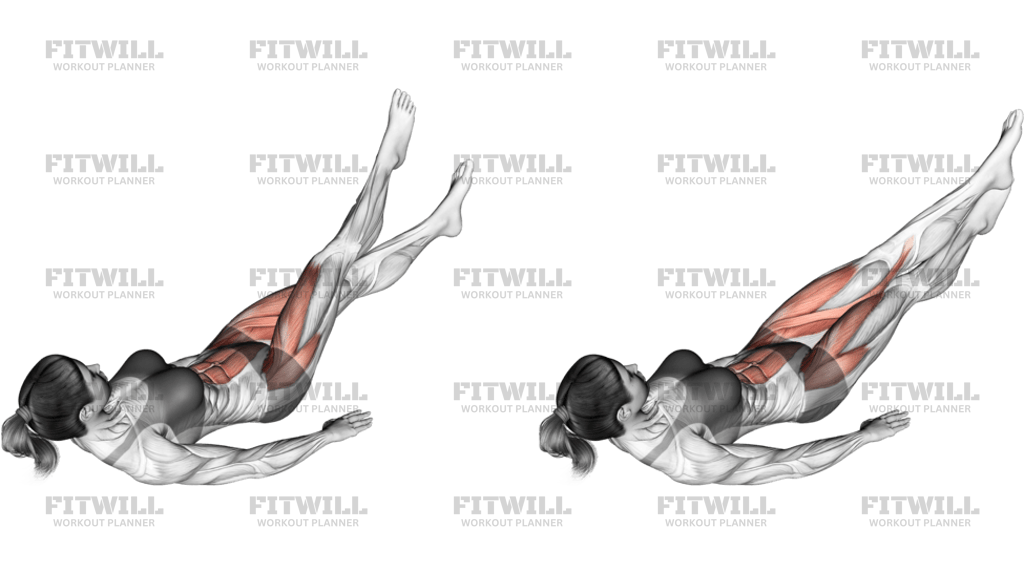
Lying Leg Raise And Hold is a bodyweight floor exercise that challenges the lower abs and hip flexors by keeping the legs lifted while the torso stays anchored to the floor. It is a simple-looking movement, but the hold makes the position much harder because it demands continuous tension rather than a quick raise and drop. The exercise is useful when you want to build front-of-hip control, trunk stiffness, and the ability to resist extension through the lower back.
The setup matters more than people expect. When the pelvis tips forward or the low back comes off the floor, the movement stops being a clean leg raise and turns into a back-dominant hold. In a good rep, the ribs stay down, the abdomen stays braced, and the lower back remains in light contact with the floor while the legs move as one unit. That position keeps the tension where it belongs and makes the hold far more effective.
Lying Leg Raise And Hold is especially useful in core training, general strength work, and athletic preparation because it teaches you to control the legs without losing trunk position. It can be used on its own, paired with other abdominal work, or inserted into a circuit where you want a low-equipment movement with a clear stability demand. Beginners can shorten the range or bend the knees slightly, while stronger lifters can keep the legs straighter and extend the hold time.
The best execution is controlled rather than aggressive. Lift the legs to a position you can keep without arching, then hold that angle with steady breathing instead of straining your neck or kicking upward. Lowering should be slow enough that the abs stay on, but not so low that the lower back pops away from the floor. That balance between position, tension, and breathing is what makes the exercise productive.
Because the movement is performed from the floor, it also gives direct feedback when the position changes. If the hip flexors take over, the front of the hips may feel tight before the abs do. If the lower back starts to lift, the range is too big or the hold is too long. Used well, Lying Leg Raise And Hold is a precise bodyweight drill that builds disciplined core control without requiring special equipment.
Fitwill
Log Workouts, Track Progress & Build Strength.
Achieve more with Fitwill: explore over 9600 exercises with images and videos, access built-in and custom workouts, perfect for both gym and home sessions, and see real results.
Start your journey. Download today!




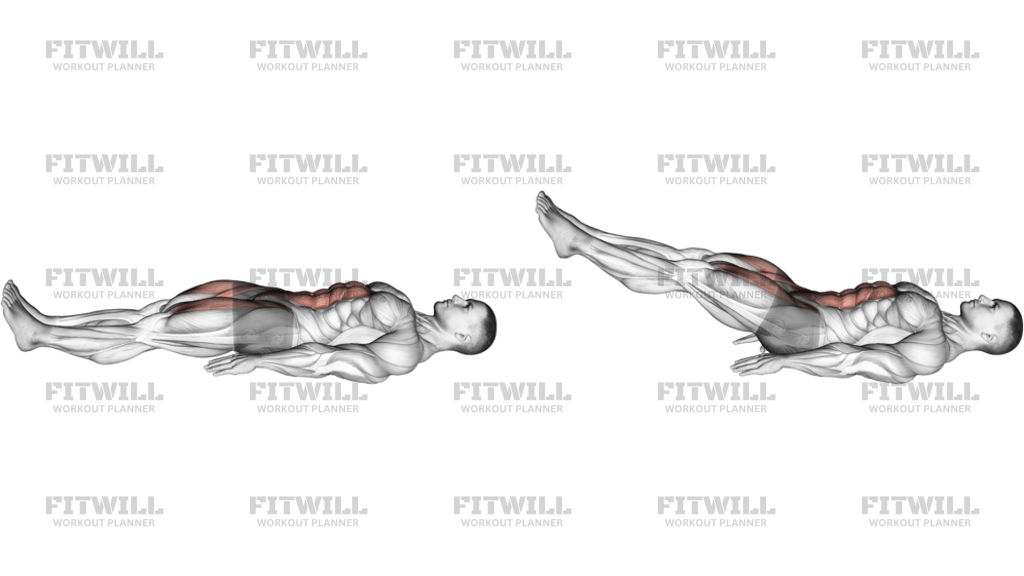
Instructions
- Lie flat on your back on a mat with your legs straight, feet together, and your arms pressed into the floor by your sides.
- Tuck your pelvis slightly so your lower back stays gently in contact with the floor before you move.
- Keep your chin neutral and look straight up instead of curling your neck forward.
- Exhale and lift both legs together until they reach the angle you can hold without your lower back arching.
- Keep the knees as straight as you can without locking them and avoid letting one leg drift higher than the other.
- Hold the top position with steady tension in your abs and hip flexors while breathing shallowly and under control.
- Lower the legs slowly until just before your lower back starts to lift or your pelvis tips forward.
- Reset the brace at the bottom, then repeat for the planned number of repetitions or the target hold time.
Tips & Tricks
- If your lower back lifts off the floor, raise the legs to a smaller angle and keep the hold there.
- A slight bend in the knees is better than straight legs if you cannot keep the pelvis tucked.
- Pressing your palms into the floor helps stop your torso from rocking when the hold gets difficult.
- Think about pulling the front of your ribs down as the legs rise so the pelvis does not tip forward.
- Keep the legs together so one side does not take over and twist your hips.
- Do not swing the legs up; the top position should look controlled before the hold starts.
- If the front of your hips cramp, shorten the hold and focus on a slower lower rather than a bigger raise.
- A small pause at the bottom helps you reset the brace before each rep instead of using momentum.
Frequently Asked Questions
What muscles does Lying Leg Raise And Hold work?
It mainly trains the lower abs and hip flexors, with the upper abs and deep core helping keep the ribs and pelvis controlled.
Should my lower back stay on the floor during Lying Leg Raise And Hold?
Yes. If your lower back arches away from the floor, the range is too big or the hold is too long for your current control.
Can beginners do Lying Leg Raise And Hold?
Yes. Beginners should bend the knees slightly or hold the legs higher so they can keep the pelvis tucked and the back flat.
How high should I raise my legs?
Raise them only until you can keep steady tension without arching. For many people that is somewhere around 30 to 60 degrees, but the exact angle is personal.
Why do I feel Lying Leg Raise And Hold in my hip flexors?
That is normal, because the hip flexors help lift and hold the legs. The goal is to keep them working without letting them pull your pelvis out of position.
What is the most common mistake in this exercise?
Letting the legs drop too low and turning the movement into a low-back arch is the biggest issue. Keep the range short enough that the hold stays strict.
Can I bend my knees in Lying Leg Raise And Hold?
Yes, bending the knees makes the lever shorter and is a good regression when straight legs cause your back to arch or your hip flexors to cramp.
How should I breathe during the hold?
Exhale as you lift, then keep small controlled breaths while holding the top position. Avoid big breaths that make your ribs flare and break the brace.