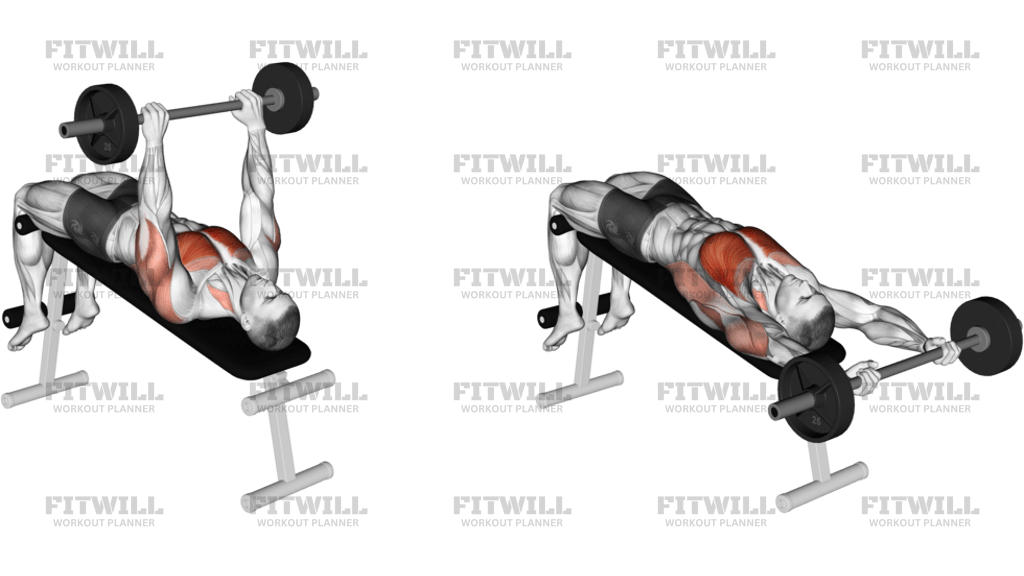
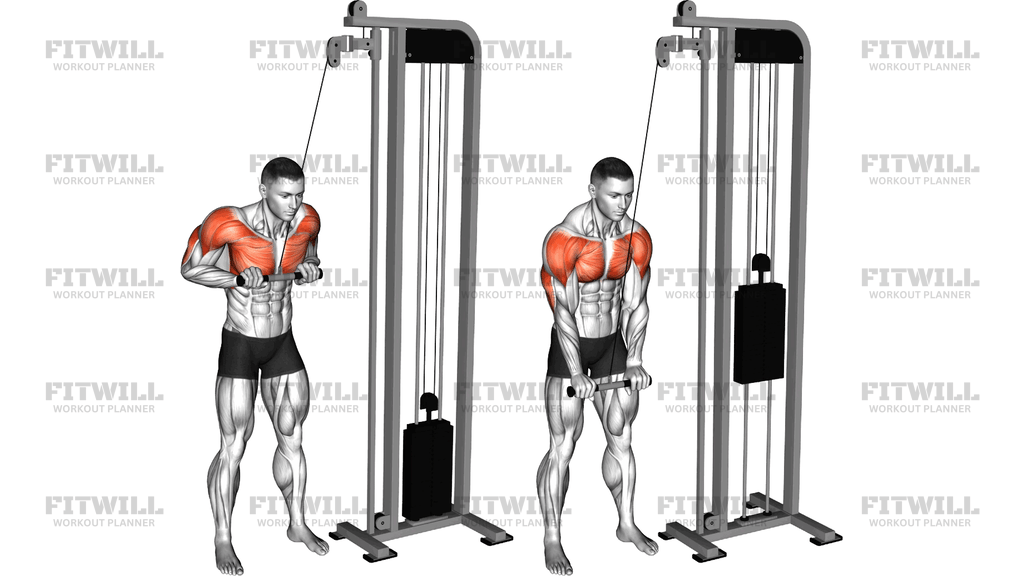
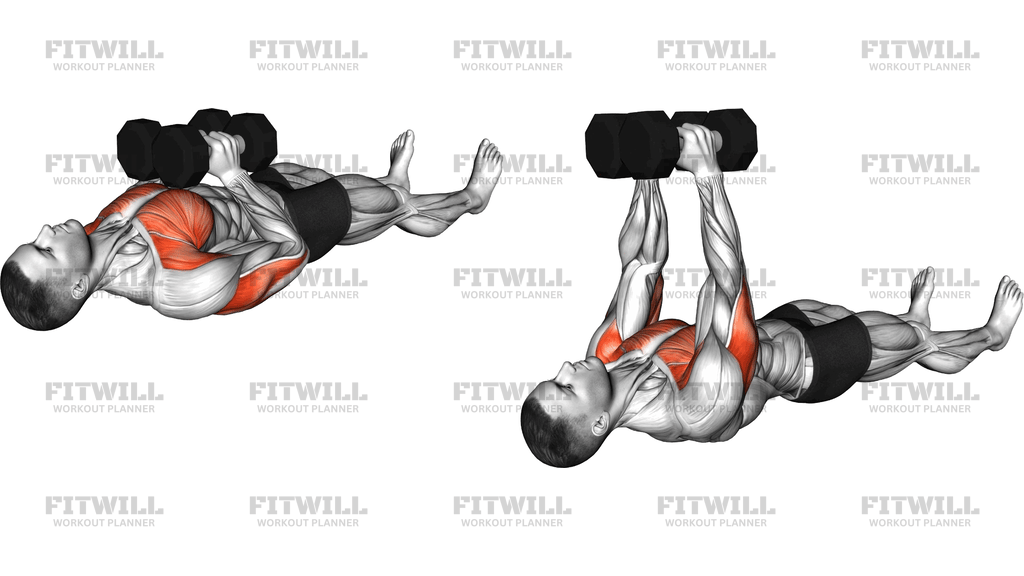
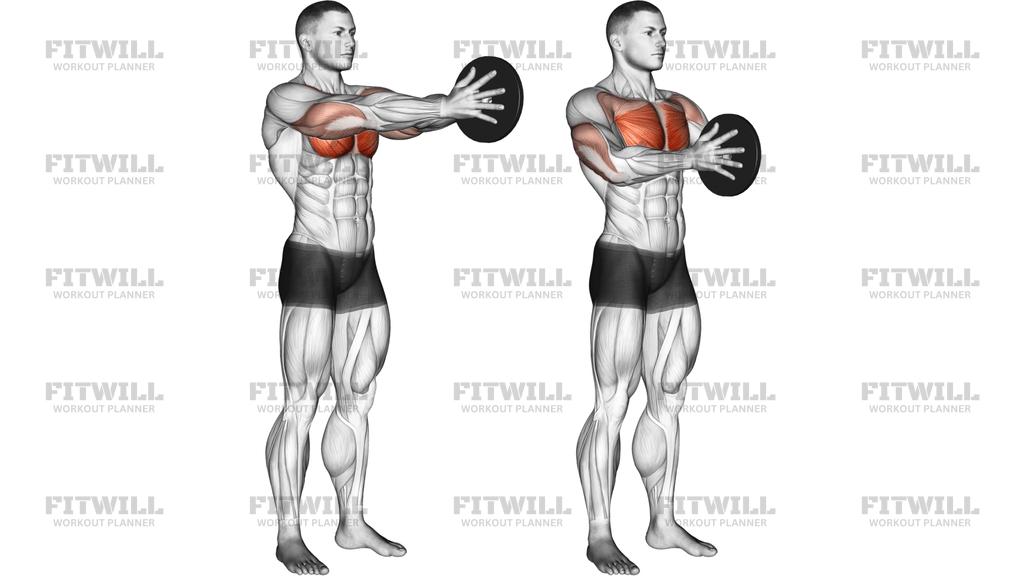
Barbell Reverse-Grip Incline Bench Press
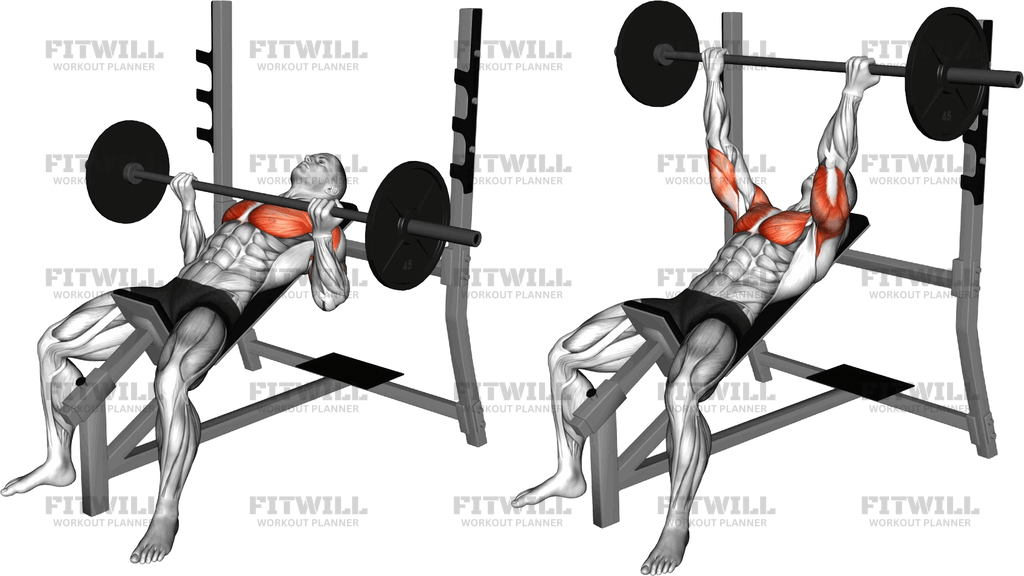
Barbell Reverse-Grip Incline Bench Press is an incline pressing variation that uses an underhand grip to change the elbow path and shift the press toward the upper chest. The bench angle and grip matter because they determine where the bar travels, how the shoulders feel, and whether the press stays stable from the unrack to the lockout.
This movement emphasizes the pecs, especially the upper fibers, while the anterior deltoids and triceps help drive the bar. In anatomy terms, the main work centers on the Pectoralis major, with support from the Anterior deltoid, Triceps brachii, and Rectus abdominis. The underhand grip can make the press feel more chest-dominant for some lifters, but it also demands more attention to wrist position and bar control.
Set the incline bench around 30 to 45 degrees, lie back with your eyes under the bar, and plant your feet firmly before you touch the bar. Retract and depress the shoulder blades so your upper back stays pinned to the bench. A stable setup keeps the chest high and gives the bar a consistent path instead of letting the shoulders roll forward as the set gets harder.
As you lower the bar, aim for the upper chest or clavicle line and keep the elbows tucked at a comfortable angle rather than flaring wide. Press the bar up and slightly back toward the rack while keeping the wrists stacked over the forearms. The reverse grip should stay secure, with the thumb wrapped around the bar and the bar under full control at every point of the rep.
Use this press when you want an upper-chest biased barbell movement, a variation that reduces the need for a wide elbow flare, or a strength accessory after your main bench work. It is not a casual lift: the underhand grip makes stable re-racking and spotting more important, and the load usually needs to stay lighter than a standard incline press. If the wrists, elbows, or front shoulders feel awkward, shorten the range, reduce the load, or choose a different pressing variation.
[ Workout Log & Planner ]
Put your next workout in Fitwill
Keep your plan and training log ready when you are.


Instructions
- Set an incline bench at about 30 to 45 degrees and lie back with your eyes under the bar.
- Plant both feet flat, pinch your shoulder blades back and down, and keep your upper back glued to the bench.
- Take an underhand grip on the bar with your thumbs wrapped around it and your hands about shoulder-width or slightly wider.
- Unrack the bar and bring it over the upper chest with your wrists stacked over your forearms.
- Lower the bar in a controlled line toward the upper chest or collarbone area.
- Keep your elbows tucked at a comfortable angle as the bar descends so the shoulders do not flare forward.
- Lightly touch the chest or hover just above it, then press the bar up and slightly back toward the rack.
- Exhale as you press, inhale on the way down, and keep your feet planted and glutes in contact with the bench.
- Re-rack the bar only after the arms are straight and the bar is steady in both hooks.
Tips & Tricks
- Use a lighter load than your standard incline press until the underhand grip feels stable and repeatable.
- Keep the wrists straight over the forearms; let the bar sit deep in the palm instead of letting the wrists bend back.
- Touch the upper chest, not the middle or lower chest, so the press stays matched to the incline angle.
- Do not flare the elbows wide; a tucked path usually keeps the shoulders quieter and the upper chest working harder.
- Press the bar slightly back toward the rack, not straight up over the face, to finish over the shoulder line.
- Wrap the thumb around the bar and use collars, because the reverse grip is less forgiving if the bar shifts.
- Keep the shoulder blades pinned to the bench for the full set; losing that upper-back base usually turns the rep into a shoulder press.
- If the front of the shoulder feels jammed, reduce the incline angle or shorten the range before you add more load.
Frequently Asked Questions
What muscles does the Barbell Reverse-Grip Incline Bench Press target most?
It mainly works the upper chest, with help from the front delts and triceps.
Is the reverse grip on an incline bench different from a standard incline press?
Yes. The underhand grip changes the elbow path and usually shifts more of the effort toward the upper chest and triceps.
How wide should my hands be on the bar?
Start around shoulder width or slightly wider, then adjust until your forearms stay close to vertical at the bottom.
Where should the bar touch on the way down?
Aim for the upper chest or collarbone line, not the mid-chest, so the bar path matches the incline setup.
Is this a good exercise for beginners?
Beginners can use it, but they should keep the load light and practice the grip, wrist position, and re-rack before chasing heavier reps.
Why does the reverse grip feel awkward at first?
The underhand position changes wrist and elbow mechanics, so it often takes a few sets before the bar path feels natural.
Do I need a spotter for this press?
A spotter is a good idea, especially because the underhand grip makes the unrack and re-rack less forgiving than a standard press.
What is a common mistake with this exercise?
Letting the wrists bend back or flaring the elbows too much usually turns the set into a less stable shoulder-dominant press.