Barbell Pause Bench Press
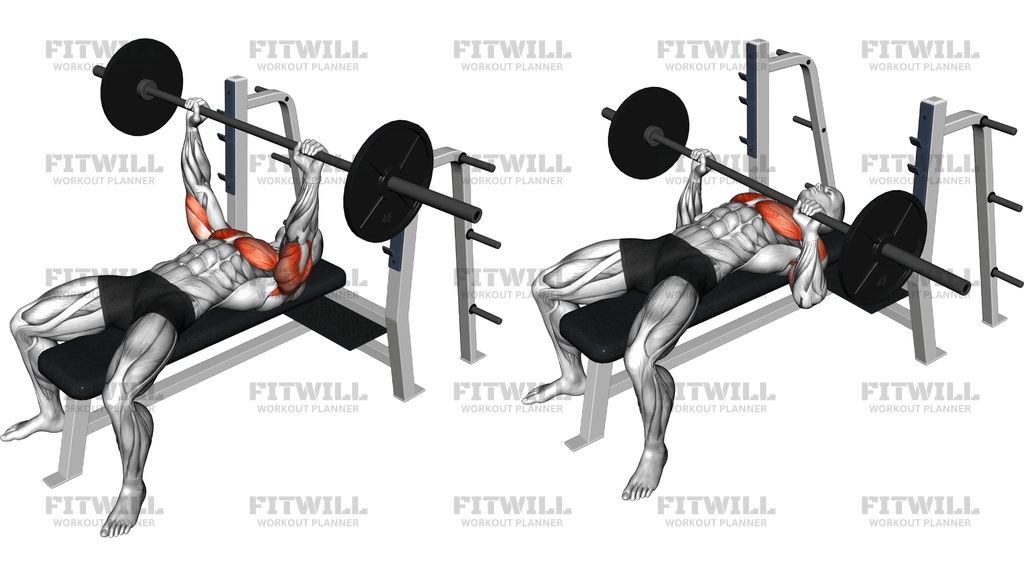
Barbell Pause Bench Press is a flat-bench pressing exercise that builds strength off the chest by removing the rebound you get from a touch-and-go rep. The pause forces you to own the bottom position, keep the bar still on the chest, and drive each repetition from a dead stop. That makes it a useful option for lifters who want cleaner pressing mechanics, better control under load, and more honest chest and triceps work.
The setup matters because a sloppy bench position turns the pause into a grindy shoulder press. Lie on the bench with your eyes under the bar, plant your feet firmly, and grip the bar just outside shoulder width or slightly wider. Pull your shoulder blades back and down, keep your upper back tight against the pad, and set the bar path before you unrack it. The primary emphasis is on the Pectoralis major, with help from the anterior deltoids, triceps brachii, and upper back stabilizers. The chest stays the main target, but the pause also exposes weak bracing and poor shoulder control.
On each rep, lower the bar under control to the lower chest or sternum area, keeping your wrists stacked over your elbows. Touch the bar lightly, then pause without letting it sink, bounce, or drift forward. Stay braced while the bar is motionless, then press it back up in a slightly back-toward-the-rack path until the elbows lock out. Exhale through the press or after the hardest part of the rep, then reset your breath and upper back before the next descent.
This exercise fits well in strength blocks, hypertrophy work, or technique-focused benching when you want more starting strength and less momentum. It is also useful as a diagnostic lift: if the bar stalls hard on the chest, the pause is telling you the bottom position needs more control, more stability, or a better load choice. Use a weight that lets you keep the pause strict and the bar path consistent. If your shoulders lose position or your chest collapses during the hold, the set is too heavy or the setup needs work.
[ Workout Log & Planner ]
Put your next workout in Fitwill
Keep your plan and training log ready when you are.


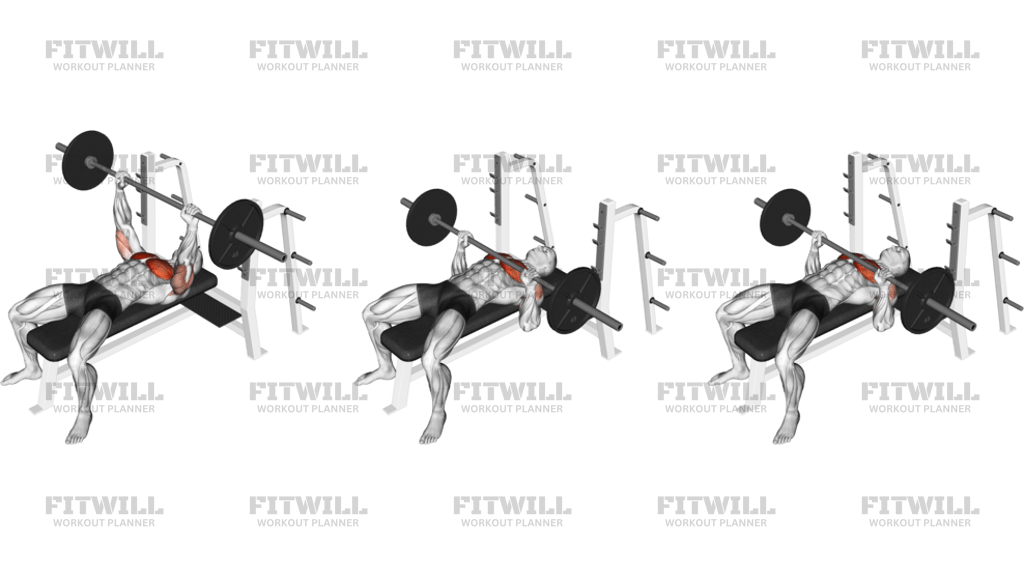
Instructions
- Lie on a flat bench with your eyes under the bar and your feet planted firmly on the floor.
- Grip the bar just outside shoulder width or slightly wider, then wrap your thumbs and stack your wrists over your forearms.
- Pull your shoulder blades back and down so your upper back stays tight against the bench.
- Unrack the bar and bring it over the mid-chest with the elbows slightly bent and the wrists straight.
- Lower the bar in a controlled line to the lower chest or sternum area while keeping the chest high.
- Touch the bar lightly, then hold it still on the chest for a deliberate pause without bouncing or sinking.
- Brace your torso, drive your feet into the floor, and press the bar up and slightly back toward the rack until the elbows lock out.
- Reset your breath and upper-back tension at the top before starting the next repetition.
Tips & Tricks
- Set the safeties or a spotter before you start, because the pause removes the bounce that often helps a stalled bench rep.
- Keep the touch point low on the chest; if the bar drifts toward the neck, the press usually turns into a shoulder-dominant grind.
- Hold the pause long enough to kill the stretch reflex, but not so long that your shoulders shrug forward or your torso relaxes.
- Keep your feet planted and push the floor away as the bar leaves the chest so leg drive starts from a fixed base instead of hip movement.
- Do not let your elbows flare hard during the descent; a moderate elbow angle usually keeps the bar path cleaner and the shoulders happier.
- A slightly narrower grip increases triceps demand, while a slightly wider grip usually shortens the press path and emphasizes the chest more.
- Use a load that allows a true dead stop on the chest; if the bar is rebounding, it is not a pause bench set.
- If your lower back arches excessively just to move the bar, reduce the load and rebuild upper-back tightness before adding weight.
Frequently Asked Questions
What muscle does Barbell Pause Bench Press target most?
The chest, especially the pectoralis major, is the main target, with the triceps and front shoulders assisting the press.
What makes the pause different from a regular barbell bench press?
The bar must stay motionless on the chest before you press, so you lose the rebound from the bottom and build more starting strength.
Where should the bar touch on the chest?
Most lifters will do best touching the lower chest or sternum area, then pressing back slightly toward the rack.
Should I bounce the bar off my chest to make the rep easier?
No. A true pause means the bar settles under control and stops moving before you press.
Is this exercise good for beginner lifters?
Yes, if the load is light and the setup is controlled. Beginners should learn the pause and bar path before pushing heavy weight.
Why does the bar stall harder off the chest in this version?
The pause removes momentum, so the chest and triceps have to create force from a dead stop instead of riding the stretch reflex.
How should my shoulder blades feel during the set?
They should stay pulled back and down on the bench. If they slide forward during the pause, reset the setup.
Can I use this as a main bench variation?
Yes. It works well as a main strength movement or as accessory work when you want stricter pressing mechanics.