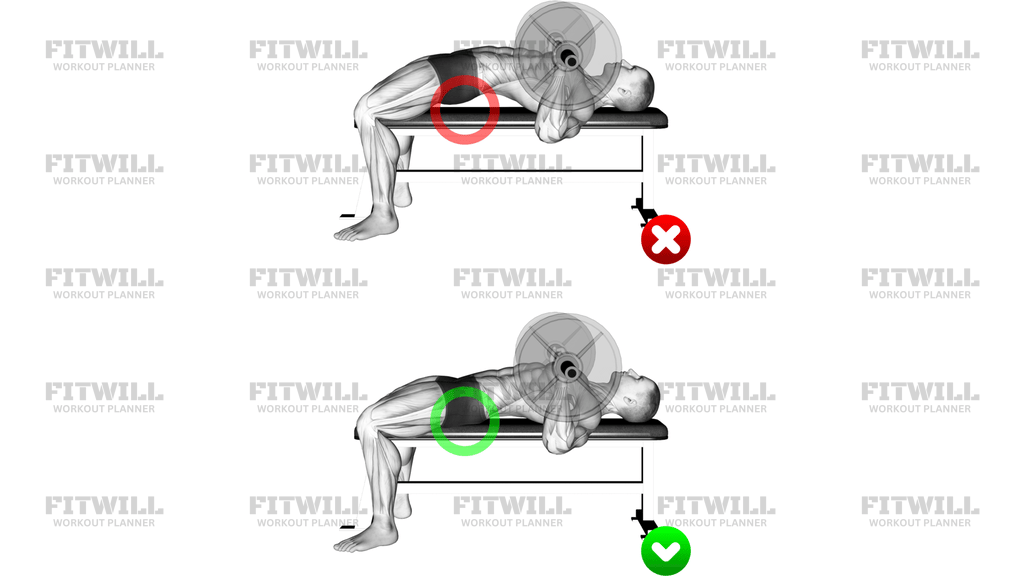
Chest Bench Press Butt WRONG-RIGHT
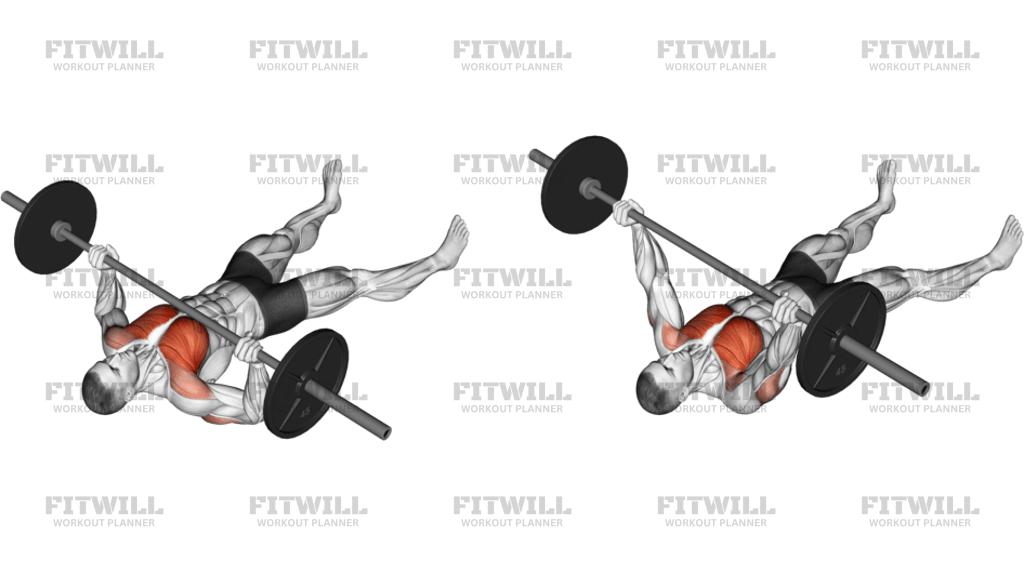
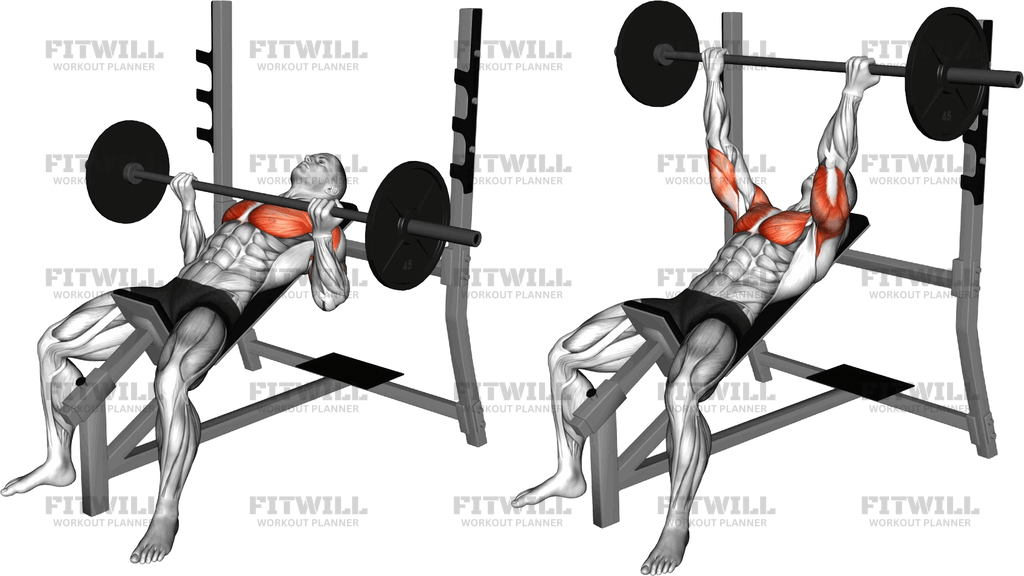
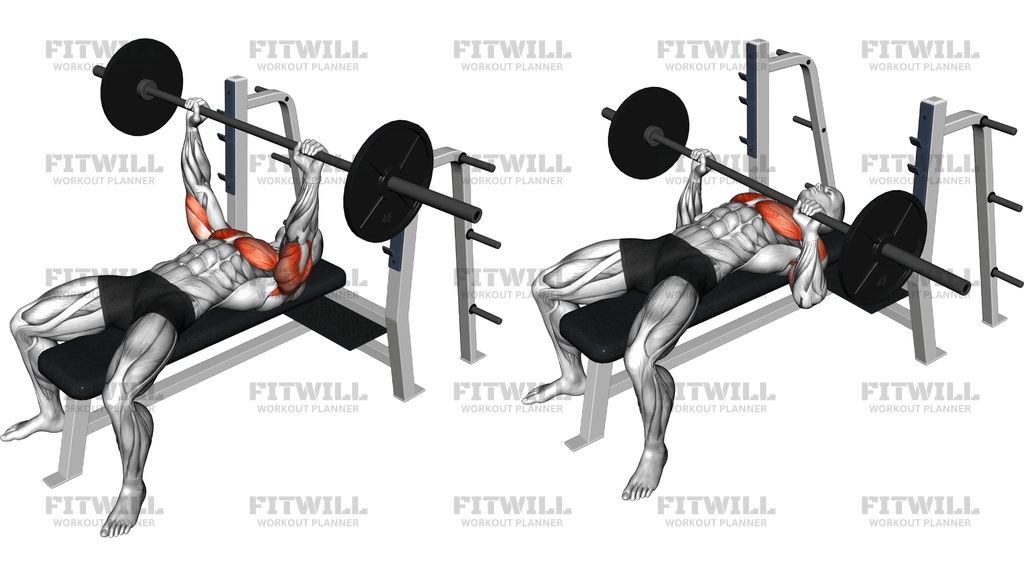
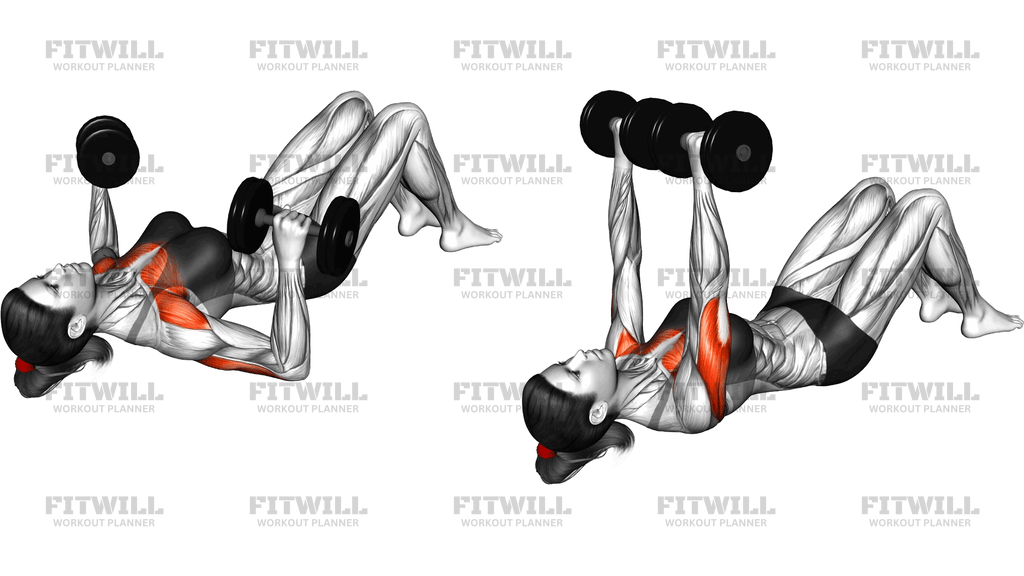
Barbell bench press butt control is a technique-focused bench press variation that teaches you to keep your glutes in contact with the bench while pressing. The image shows the error clearly: in the wrong version, the hips and butt lift off the pad as the bar moves, which turns the press into a compensation pattern and usually means the load or setup is too aggressive. The correct version keeps the butt planted so the press comes from the chest, shoulders, and triceps instead of a bridge or bounce.
This variation is useful for lifters who want a stricter, safer bench press rep path and cleaner force transfer. A small natural arch in the lower back is normal, but the pelvis should stay anchored to the bench and the feet should stay firmly planted. That contact helps keep the ribs, scapulae, and shoulder position stable so the bar can travel in a controlled line toward the lower chest and back to the rack without the torso shifting under load.
The main training effect is improved bench press mechanics. The chest does most of the pressing, the front delts assist through the lower and middle portion of the rep, and the triceps finish the lockout. The core and upper back work hard to resist excess arching and keep the torso braced. If the butt comes off the bench, the set usually shifts from a controlled press to a leg-drive cheat, which can reduce chest tension and increase stress on the shoulders and lower back.
Use this setup cue whenever you want to clean up your bench press form, practice consistent leg drive, or reduce the urge to turn the rep into a glute bridge. The goal is not to flatten the back completely; the goal is to keep the butt in contact with the bench while maintaining upper-back tightness, a steady bar path, and a repeatable touch point on the lower chest or sternum area.
If the hips still pop up, the load is likely too heavy, the feet are too far back, or the lifter has lost upper-back tightness before unracking the bar. Slowing the eccentric, lowering the bar under control, and resetting the arch and leg position before each set usually fixes the pattern. For beginners, this is a strong bench press learning drill because it makes the difference between a true press and a compensatory bridge easy to feel.
[ Workout Log & Planner ]
Put your next workout in Fitwill
Keep your plan and training log ready when you are.


Instructions
- Lie on a flat bench with your eyes under the bar, feet planted firmly on the floor, shoulder blades pulled back and down, and your glutes touching the bench.
- Take a grip that lets your forearms stay close to vertical when the bar is over your lower chest, and keep your wrists stacked over your elbows.
- Create a small natural arch through the upper back, but do not let your hips or butt leave the bench.
- Unrack the bar with straight arms and settle it over the shoulder joint line before starting the first rep.
- Lower the bar under control toward the lower chest or sternum while keeping the chest up and the ribs braced.
- Keep both feet pressed into the floor so you stay stable without pushing your butt off the pad.
- Press the bar back up in a slightly diagonal line until the elbows lock out over the shoulders.
- Pause briefly at the top, re-check that the glutes are still on the bench, and then begin the next rep or re-rack the bar safely.
Tips & Tricks
- If your butt lifts as soon as you unrack, shorten the set or lower the load before the first rep.
- Keep your shoulder blades pinned to the bench; losing upper-back tightness is a common reason the hips rise.
- A small lower-back arch is fine, but the glutes should still make visible contact with the pad.
- Press your feet into the floor for stability, not to launch your hips upward.
- Lower the bar to the same touch point every rep so you do not chase the bar with your torso.
- If you feel the set turning into a bridge, stop and reset your setup instead of forcing more reps.
- Stack the wrists over the bar and keep the forearms vertical to reduce the urge to compensate with the torso.
- Use a load that lets you control the descent and pause without bouncing off the chest.
Frequently Asked Questions
What does this bench press variation teach?
It teaches you to keep your butt on the bench while pressing, which helps you maintain a strict and repeatable bar path.
Why is the butt position such a big deal on the bench?
If the hips lift, the lift usually turns into a bridge or cheat press, which changes the mechanics and can make the rep less stable.
How much arch should I use on the bench?
A small natural arch is fine, but the glutes should stay in contact with the pad and the ribcage should not flare hard enough to lift the hips.
Where should the bar touch on this bench press?
Aim for the lower chest or sternum area, then press back up so the bar finishes over the shoulders.
Can I drive hard through my feet and still keep my butt down?
Yes. Leg drive should help stabilize the torso and press the upper back into the bench, not shove the hips off it.
Is this still a chest exercise if I focus on butt contact?
Yes. The chest, front shoulders, and triceps still do the pressing, while the setup cue keeps the rep strict.
What should I do if my hips keep popping up?
Reduce the load, reset your foot position, and tighten your upper back before unracking the bar.
Is this a good drill for beginners?
Yes. It gives beginners a clear bench press checkpoint for keeping the body stable instead of turning every rep into a bridge.