Lever Reverse T-Bar Row
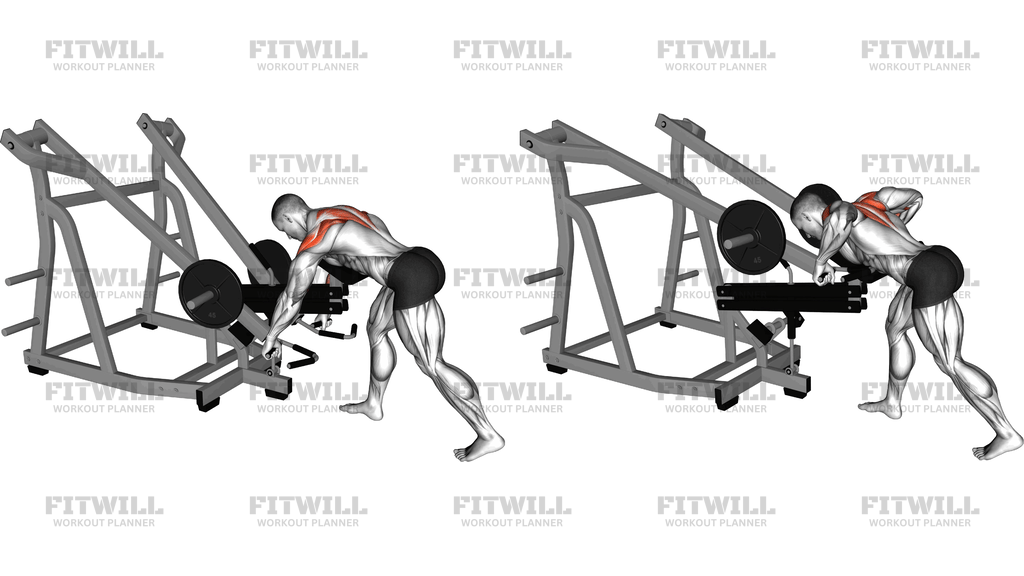
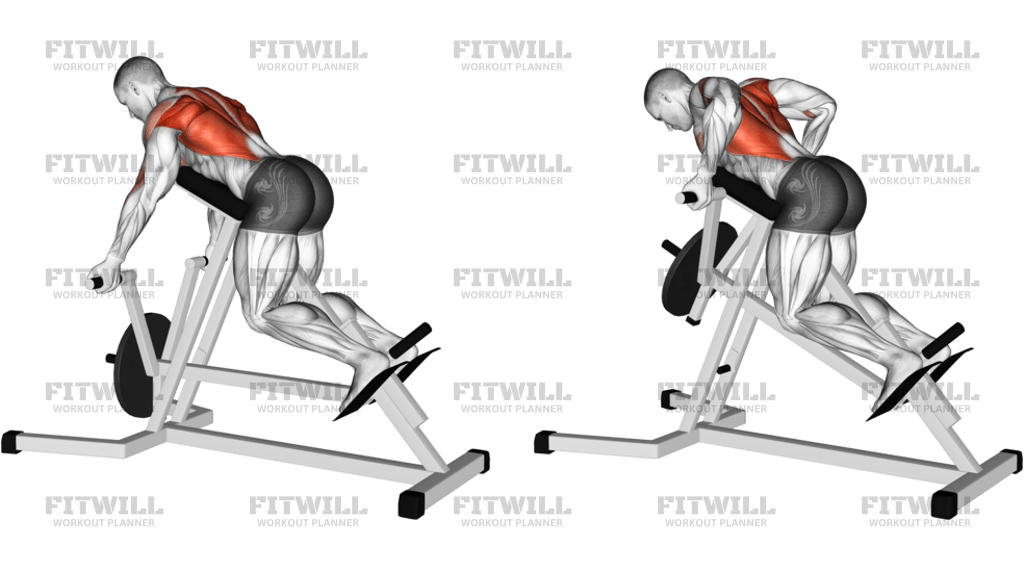
Lever Reverse T-Bar Row is a chest-supported rowing exercise on a leverage machine. With your torso braced against the angled pad and your feet anchored on the platform, the machine gives you a fixed path that makes it easier to train the upper back hard without having to fight for balance. That support shifts the emphasis toward pulling the shoulder blades back and down, which is why this movement is especially useful for building thickness through the traps, rhomboids, rear shoulder area, and lats.
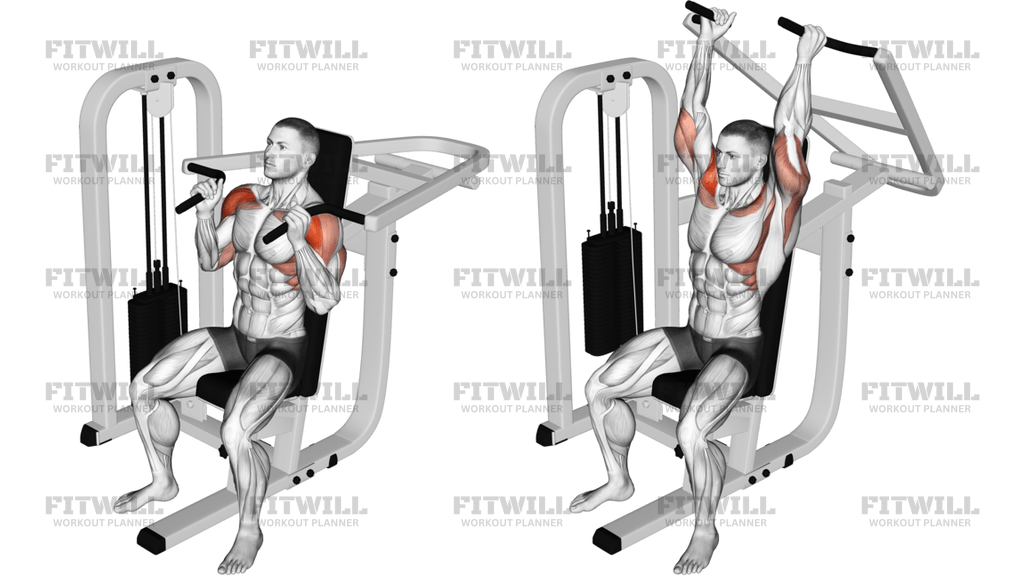
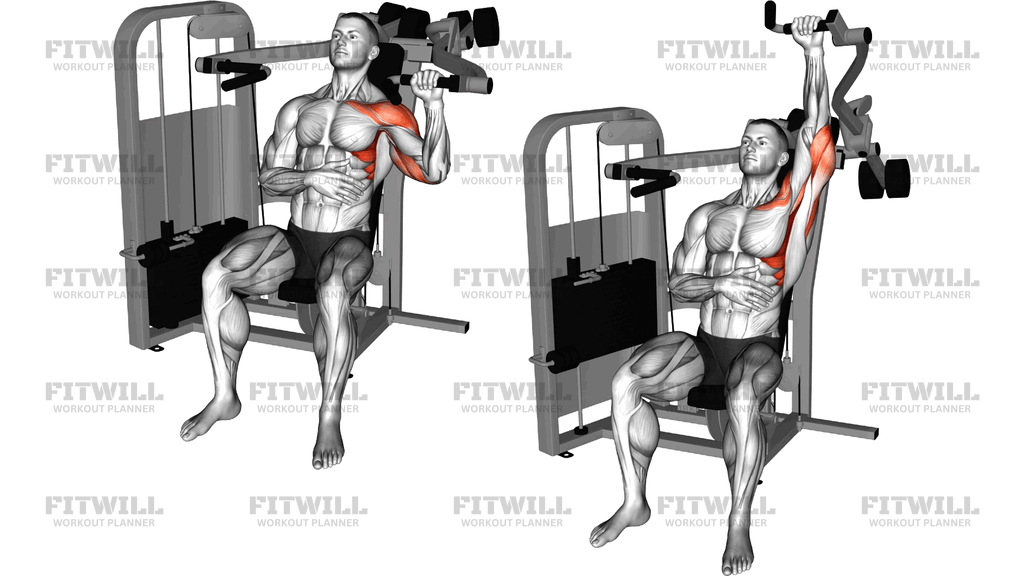
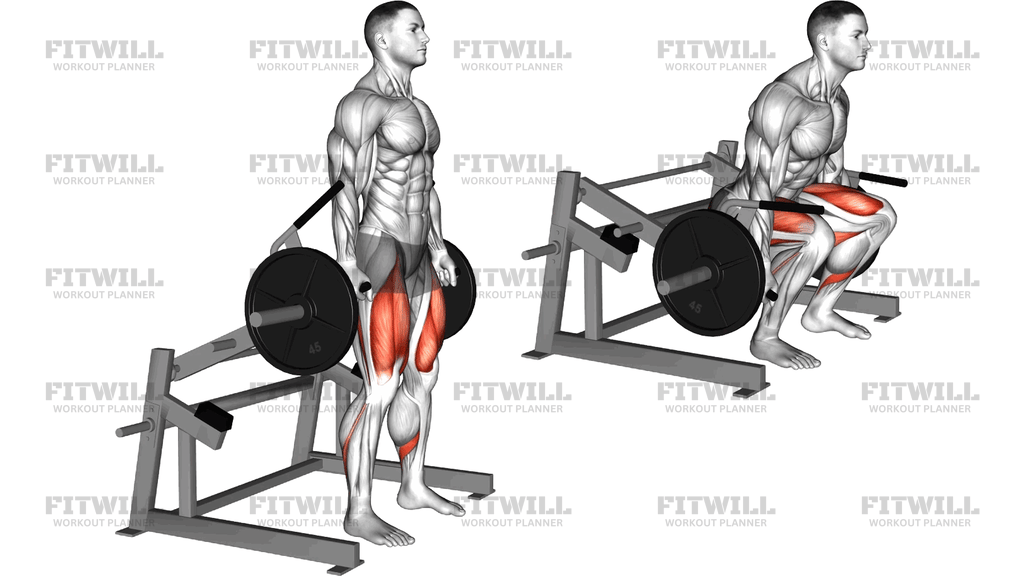
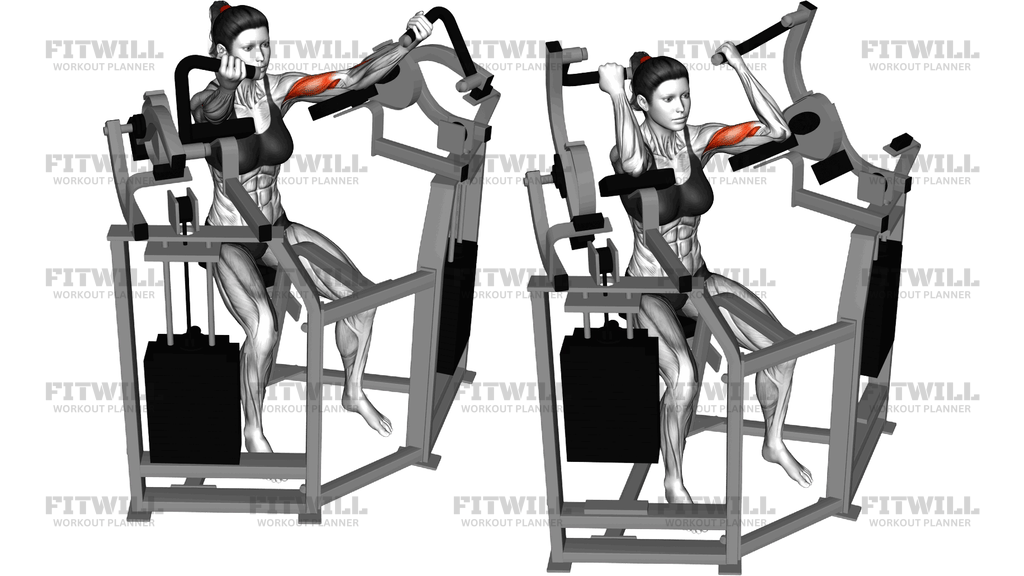
The image shows a neutral-grip rowing position where the hands start low and the elbows travel behind the body as the handles are drawn toward the lower ribs or upper abdomen. That path is important: if the elbows flare too high, the shrug takes over; if the chest comes off the pad, the lower back starts doing work that the machine is meant to spare. The best repetitions look smooth and deliberate, with the torso staying glued to the pad and the shoulders moving around the ribcage instead of bouncing the weight.
Because the machine supports the body, setup matters more than momentum. Adjust the pad so your chest and upper abdomen are firmly supported, place your feet where you can drive evenly into the platform, and take the handles with a secure grip before you start the first pull. From there, brace your midsection, keep the neck long, and initiate each rep by driving the elbows back rather than yanking with the hands. A brief squeeze at the top makes the upper-back contraction much more obvious.
This exercise is a good choice when you want a row that is stable, repeatable, and easy to load without turning into a body-English movement. It fits well in back-focused sessions, upper-body splits, or any program that needs a controlled horizontal pull after heavier compound work. Lifters who struggle to keep a strict bent-over position often do better here because the machine removes most of the balance demand and lets them focus on clean scapular motion.
The main safety point is to keep the rep honest. Do not turn the top position into a violent shrug or let the shoulders roll forward at the bottom. Use a range that lets the handles come back under control, then let the arms lengthen again without losing contact with the pad. If the machine setup forces you to crane your neck, overarch your lower back, or reach for the handles, adjust the seat, foot placement, or load before continuing.
[ Workout Log & Planner ]
Put your next workout in Fitwill
Keep your plan and training log ready when you are.


Instructions
- Set your chest and upper abdomen firmly against the angled pad and place your feet on the platform so you can stay anchored through the whole set.
- Take the neutral handles with a firm grip, keep your neck in line with your spine, and let your arms hang long without losing contact with the pad.
- Brace your core, pull your shoulders slightly down away from your ears, and prepare to row without shifting your hips off the support.
- Drive your elbows back and slightly out as you pull the handles toward your lower ribs or upper abdomen.
- Keep the chest glued to the pad and avoid using a hip kick, lower-back swing, or big shrug to finish the rep.
- Squeeze your shoulder blades together briefly at the top while keeping the neck relaxed and the ribcage controlled.
- Lower the handles slowly until your arms are extended and you feel a controlled stretch through the upper back and lats.
- Inhale on the way down, exhale as you row, and reset each rep before starting the next pull.
Tips & Tricks
- Choose a load that lets you keep the pad contact solid; if your chest lifts off the support, the set is too heavy.
- Think about pulling the elbows back, not just the hands, so the upper back does the work instead of the biceps taking over.
- Stop the pull when the handles reach the lower ribs or upper abdomen; turning the finish into a giant shrug usually shifts tension away from the traps and rhomboids.
- Keep the wrists stacked over the handles so you are not curling the weight during every rep.
- A brief pause at the top makes the squeeze in the mid-back much clearer and reduces bouncing.
- Let the shoulder blades protract naturally at the bottom, but do not collapse the chest or lose your brace.
- If your neck tenses up, lower the weight and keep the chin slightly tucked so the upper traps do not dominate the set.
- Use a slower lowering phase if the machine feels easy; the controlled return is where a lot of the back stimulus comes from.
Frequently Asked Questions
What does Lever Reverse T-Bar Row train most?
It mainly trains the upper back, especially the traps and rhomboids, with help from the lats and biceps.
Why is the chest pad important on this row machine?
The chest support keeps your torso stable so you can row hard without turning the movement into a lower-back swing.
Where should the handles travel on each rep?
Pull them toward your lower ribs or upper abdomen, then lower them under control until your arms are long again.
Should I flare my elbows wide or keep them tucked?
A moderate elbow path works best here: slightly out from the torso, but not so wide that the shoulders shrug and take over.
Can beginners use this exercise?
Yes. The machine support makes it a good row variation for beginners as long as they keep the setup tight and use light to moderate resistance.
What is the most common mistake on the reverse T-bar row?
Lifting the chest off the pad or jerking the handles with momentum instead of finishing the pull with the upper back.
Should I feel this more in my traps or lats?
Both can work, but the upper-back squeeze and scapular retraction make the traps and rhomboids especially noticeable.
How can I make the set harder without changing the machine?
Slow down the lowering phase, pause briefly at the top, and keep every rep strict instead of adding body movement.