Lever Seated Row
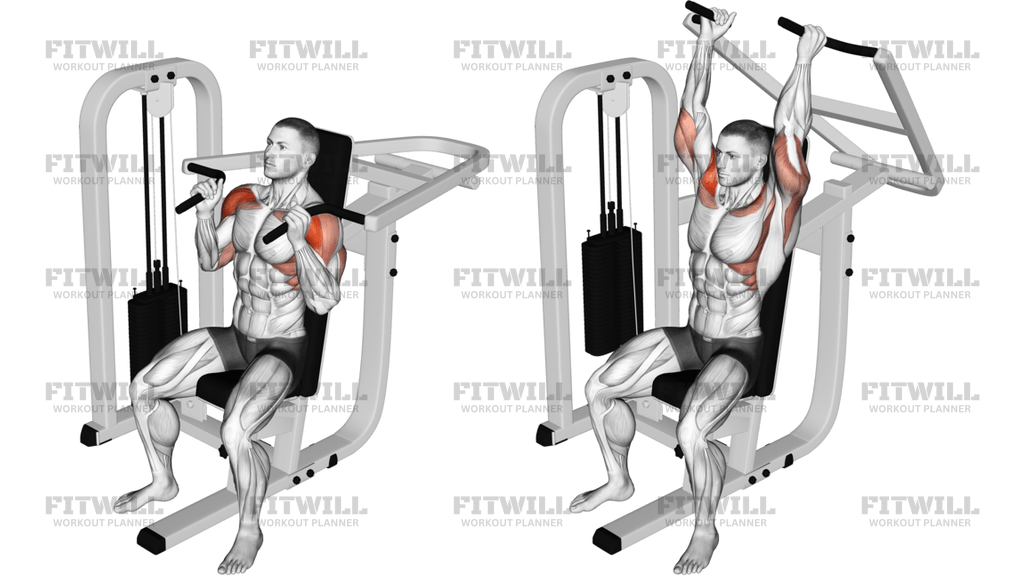
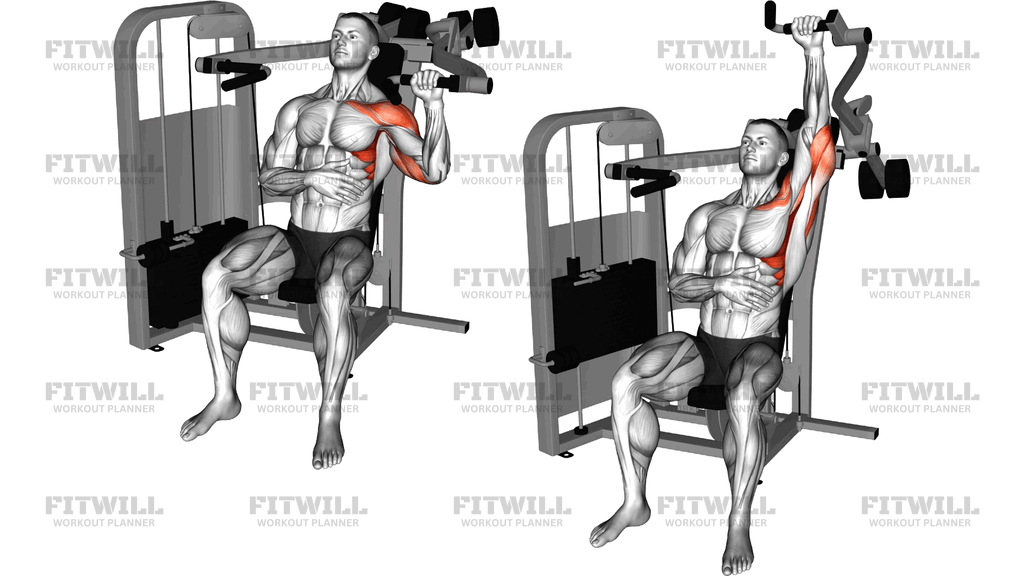
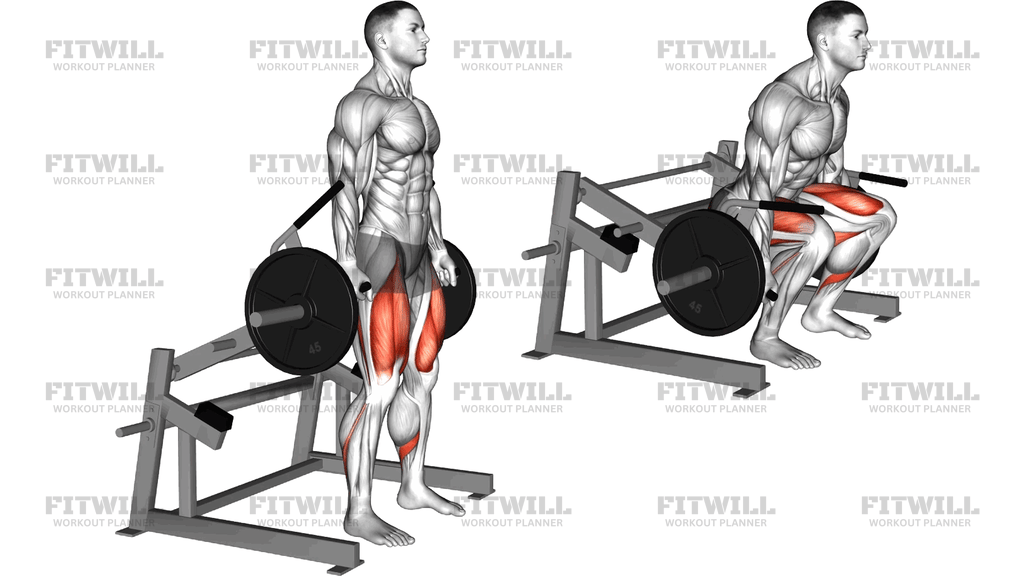
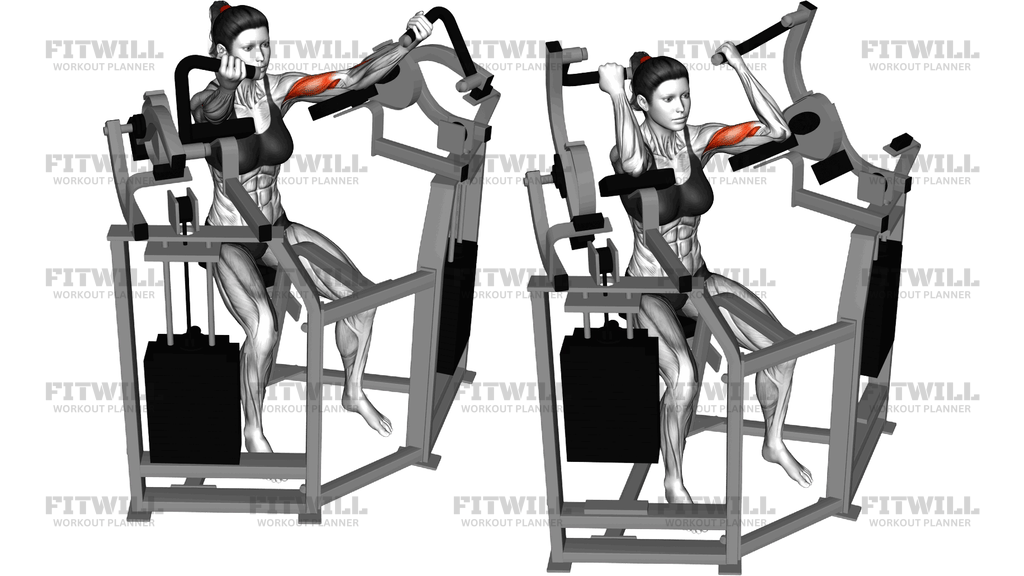
Lever Seated Row is a chest-supported machine rowing exercise built to train the upper back with steady resistance and a fixed path. The leverage setup removes a lot of balance demand, so you can focus on scapular motion, elbow drive, and a clean squeeze through the top of each rep.
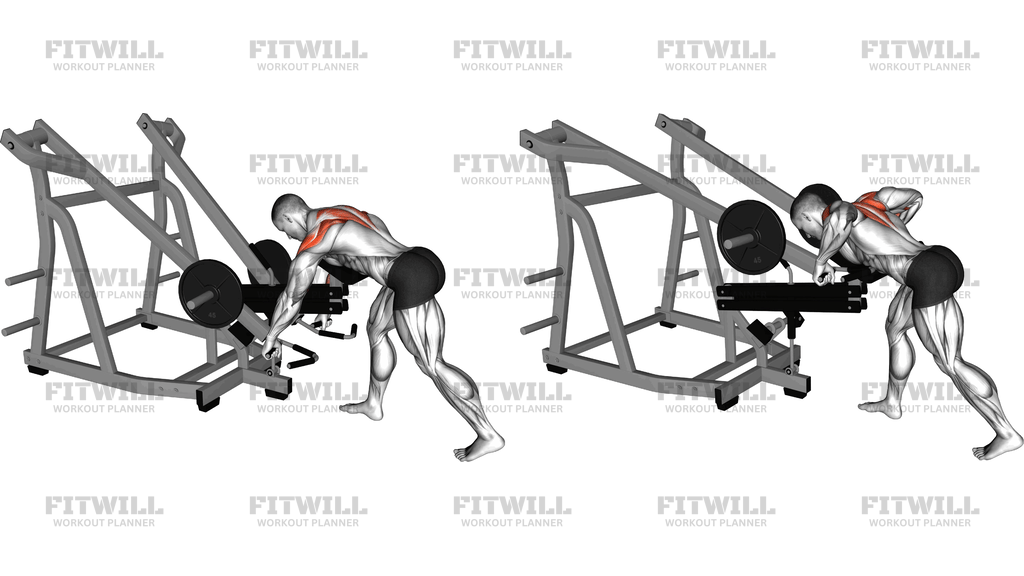
This version places the primary emphasis on the traps, with the rhomboids, rear shoulders, lats, and biceps helping to control the pull. In practice, that means you should feel the shoulder blades move back and slightly together while the elbows travel behind the torso. The machine path should let you row hard without having to swing, jerk, or lean back to finish the rep.
Setup matters because the seat height, pad contact, and handle position decide whether the row stays on the back or turns into a body English exercise. Sit tall with the chest against the pad, feet planted, and the handles lined up so the start position feels stretched but not jammed. A good setup keeps the ribs down, the neck long, and the shoulders organized before the first pull.
During each repetition, drive the elbows back along a smooth arc and stop when the handles reach the side of the torso or lower ribs, depending on the machine path. Pause briefly in the squeezed position, then let the arms return under control until the shoulder blades open again without losing posture. The return should be deliberate, not collapsed, so the back keeps tension instead of handing the load to momentum.
Lever Seated Row is useful for back-focused strength work, hypertrophy sessions, and accessory pulling volume when you want strict mechanics and repeatable tension. It is usually beginner-friendly because the machine guides the path, but the load still needs to stay light enough that the chest stays on the pad and the torso does not rock. If the range, grip, or handle position causes shoulder discomfort, adjust the seat, shorten the range slightly, or reduce the weight until the pull feels smooth and controlled.
[ Workout Log & Planner ]
Put your next workout in Fitwill
Keep your plan and training log ready when you are.


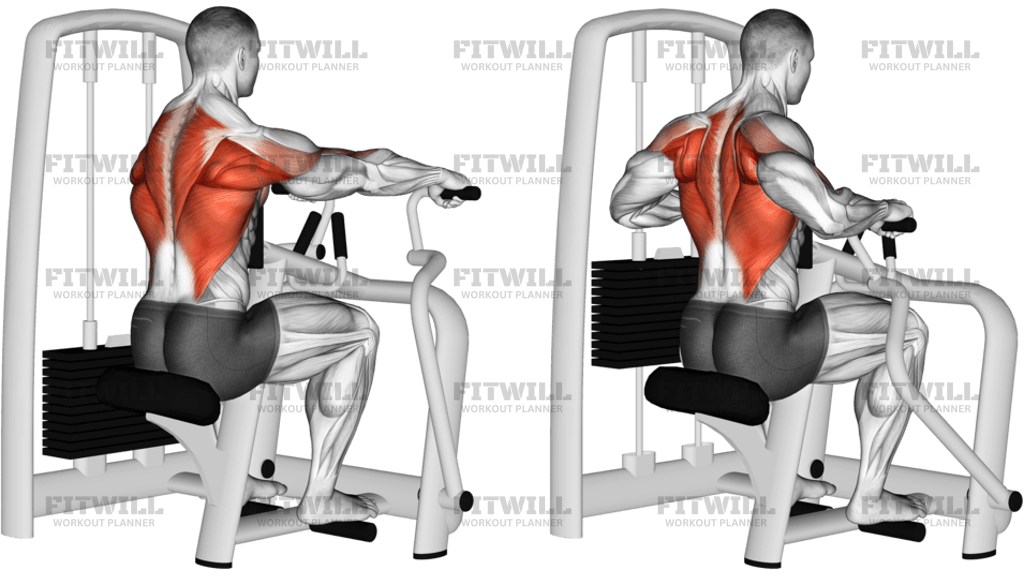
Instructions
- Adjust the seat so your chest rests firmly against the pad and the handles start at a comfortable reach without forcing the shoulders forward.
- Plant both feet on the platform, sit tall, and set a neutral spine with your ribs down and neck long.
- Take a neutral grip on the handles and let the shoulder blades open slightly at the start without losing the chest contact.
- Brace your torso before the pull so the lower back and hips stay quiet while the arms move.
- Drive the elbows back and slightly out, pulling the handles toward the side of your torso or lower ribs.
- Squeeze the shoulder blades back at the end of the row without shrugging the shoulders toward your ears.
- Pause briefly in the contracted position, then return the handles forward under control until the arms are long again.
- Keep breathing steady, exhaling as you row and inhaling as you let the machine come forward.
- Repeat for the planned reps, stopping the set if you have to lean, jerk, or lose chest contact with the pad.
Tips & Tricks
- Set the seat height first; if the handles are too high, you will shrug, and if they are too low, the row can turn into a low-back pull.
- Keep the chest on the pad from start to finish so the leverage machine does the work instead of your torso swing.
- Think about bringing the elbows back before you think about squeezing the hands; the elbows should lead the row.
- A brief pause near the torso makes the traps and upper back work harder than fast touch-and-go reps.
- Do not overreach at the start; a mild stretch is fine, but losing shoulder control at the front wastes tension.
- If your biceps take over, lighten the load and slow the return so the back has time to do the work.
- Avoid shrugging at the top; keep the shoulders down even while the shoulder blades finish retracting.
- Use a controlled eccentric of about two to three seconds to keep the machine from yanking you forward.
Frequently Asked Questions
What muscle does Lever Seated Row target most?
The main emphasis is the traps, with the rhomboids, lats, rear shoulders, and biceps helping the pull.
Can beginners perform this exercise?
Yes. The guided machine path makes it beginner-friendly as long as the chest stays on the pad and the load stays manageable.
Where should the handles finish during each rep?
Usually near the side of the torso or lower ribs, depending on the machine's arm path and handle height.
Should my chest stay against the pad the whole time?
Yes. If you keep breaking contact to finish the rep, the weight is probably too heavy or the seat is set incorrectly.
How should my shoulders move at the top?
They should retract, not shrug. Let the shoulder blades come back and together while the neck stays long.
Is this more of an upper-back or lat exercise?
It can train both, but this setup usually shifts a lot of work into the traps and upper back unless you tuck the elbows more.
What is the most common form mistake on this machine?
Leaning back, jerking the handles, or letting the shoulders ride up toward the ears are the biggest problems.
How do I make the row feel more strict?
Use a lighter load, keep the torso glued to the pad, pause briefly at the squeeze, and lower the handles slowly.
Can I use a full range of motion on this row?
Use the full range only as far as your shoulders stay organized. Stop short of any painful stretch at the front.