Standing Pelvic Tilt
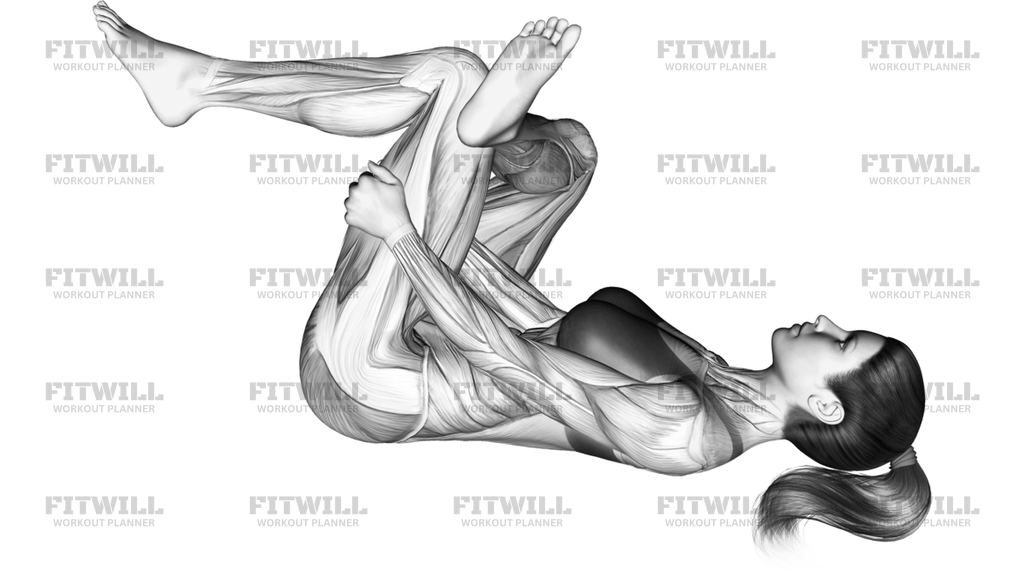
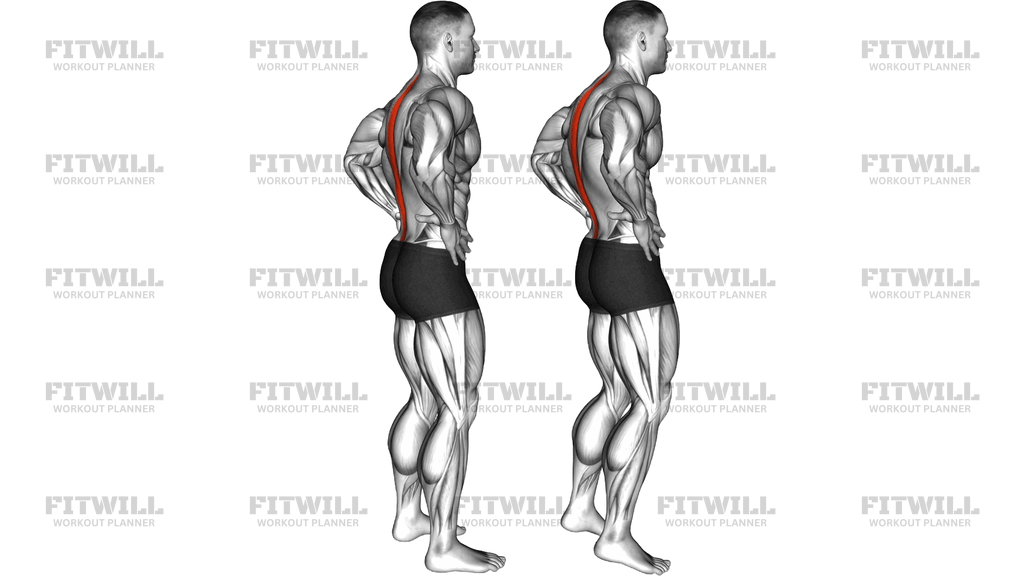
Standing Pelvic Tilt is a small standing pelvic-control drill that teaches you to move the pelvis without letting the ribs, shoulders, or knees take over. In the image, the body stays upright while the pelvis is tucked under, which is the key idea of the exercise: isolate the pelvis and keep the rest of the torso calm. That makes it useful for learning how to stack the rib cage over the hips, reduce excessive low-back arching, and build better awareness of neutral posture.
Although the movement is subtle, it is not pointless. A clean pelvic tilt asks the lower abs, glutes, and deep trunk stabilizers to coordinate with the muscles along the spine so the pelvis can tip forward and back in a controlled way. Done well, it can help people who spend a lot of time standing, lifting, or sitting learn to find a more stable midline position before they squat, hinge, or press. It also works well as a warm-up drill before lower-body training because it reminds you how to brace without stiffening the whole body.
The setup matters more than the range. Stand tall with your feet about hip-width apart, keep a soft bend in the knees, and place your hands on your hips if that helps you feel the motion. From there, keep the chest quiet and gently tuck the pelvis under so the tailbone moves down and forward. The change should come from the hips and low trunk, not from bending the knees, leaning the torso, or forcing the shoulders backward. The goal is a smooth pelvic motion, not a dramatic full-body pose.
Use this drill for control, posture, and awareness rather than load. Repetitions should be small, deliberate, and pain-free. You should feel the abs and glutes help guide the tuck, while the low back stays organized instead of cranked into extension. If the movement feels pinchy, shorten the range and slow down. If you can keep the torso stacked and the breathing steady, the exercise becomes a clean way to practice pelvic control that carries over to everyday posture and better lifting mechanics.
[ Workout Log & Planner ]
Put your next workout in Fitwill
Keep your plan and training log ready when you are.


Instructions
- Stand tall with your feet about hip-width apart and keep a soft bend in both knees.
- Place your hands on your hips or let them hang at your sides so you can feel the pelvis move without extra arm action.
- Stack your ribs over your pelvis and keep your chest, head, and shoulders relaxed.
- Exhale and gently tuck your tailbone under by drawing the pubic bone up and the lower abs in.
- Let the low back flatten slightly as the pelvis tips posteriorly, but do not bend forward at the waist.
- Pause for a moment at the end of the tuck while keeping the knees and upper body quiet.
- Inhale and slowly let the pelvis return toward neutral or a slight forward tilt without flaring the ribs.
- Repeat for smooth, small reps and stop if the motion turns into a full-body sway.
Tips & Tricks
- Think of the pelvis as the only moving part; if your shoulders rock or your knees straighten, the rep is too big.
- A small tuck is enough. Forcing a huge posterior tilt usually turns the drill into a low-back squeeze instead of controlled pelvic motion.
- Use the wall behind you as a check if needed: keep the ribs from flaring as you tuck and return.
- Exhale during the tuck so the lower abs can help guide the pelvis under the rib cage.
- Keep the knees soft, not locked, so the hip joint can move without stealing the motion through the legs.
- If you feel the movement mostly in the low back, reduce the range and focus on drawing the front of the pelvis up.
- The rep should feel smooth, not snappy; a slow tempo makes it easier to notice whether the trunk stays stacked.
- Stop the set before you start leaning back, clenching the glutes hard, or arching the lumbar spine.
Frequently Asked Questions
What does Standing Pelvic Tilt train?
It trains pelvic control, trunk positioning, and the ability to keep the ribs stacked over the hips while the pelvis moves.
Which muscles do I feel most during the tuck?
Most people feel the lower abs and glutes working, with the spinal muscles helping stabilize the torso.
Should my knees bend or straighten during the rep?
Keep a soft, consistent knee bend. If the knees move a lot, the pelvis is no longer doing the work.
Is this meant to be a stretch or a strengthening drill?
It is mainly a control drill, but it can feel like a gentle mobility exercise because you are learning a clean pelvic tilt pattern.
Can I do Standing Pelvic Tilt if I have a sensitive low back?
Usually yes if you keep the range small and pain-free, but stop if the motion creates pinching or sharp discomfort.
Do I need to keep my hands on my hips?
No. Hands on the hips can help you feel the pelvis move, but they are only a setup aid.
How big should the movement be?
Small enough that you can keep the chest, shoulders, and knees almost still while the pelvis changes position.
When is this exercise most useful?
It works well in a warm-up, posture reset, or core-control block before squats, hinges, presses, or long standing sessions.