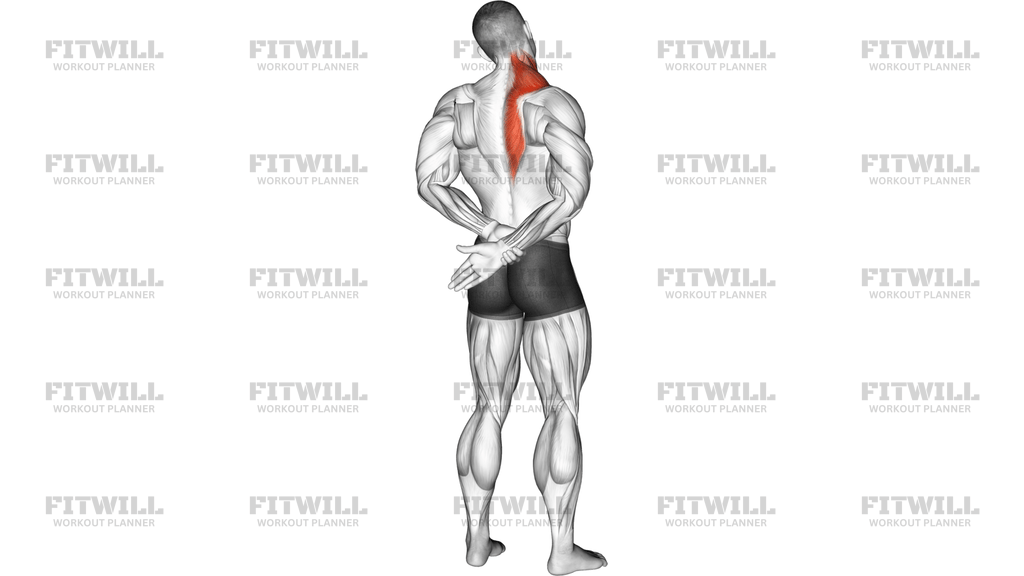
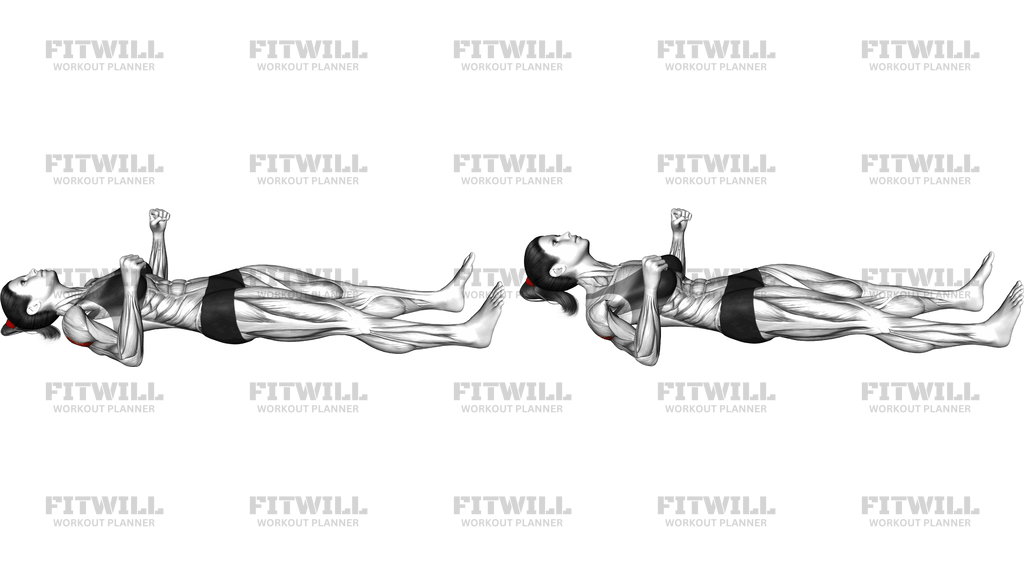
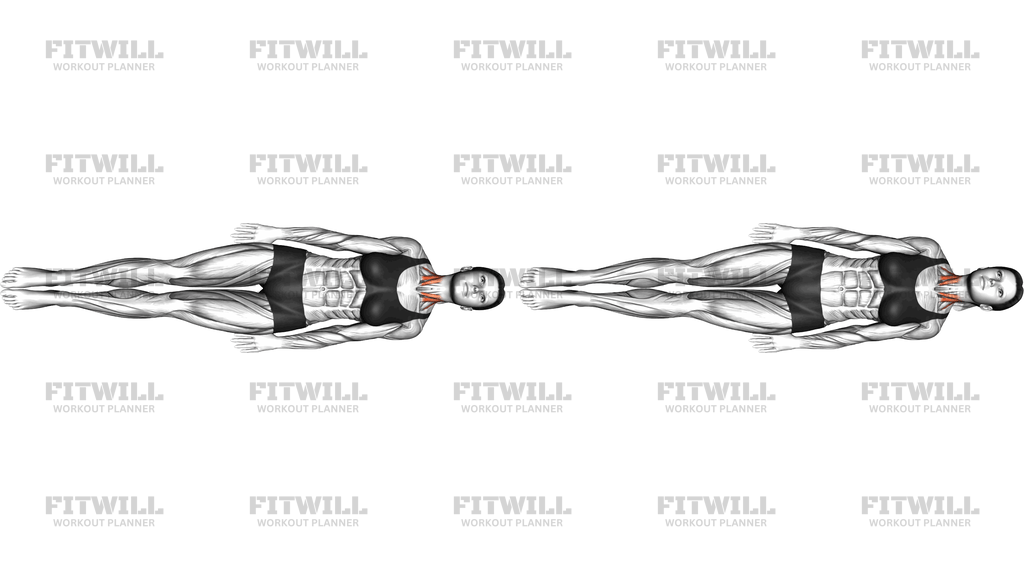
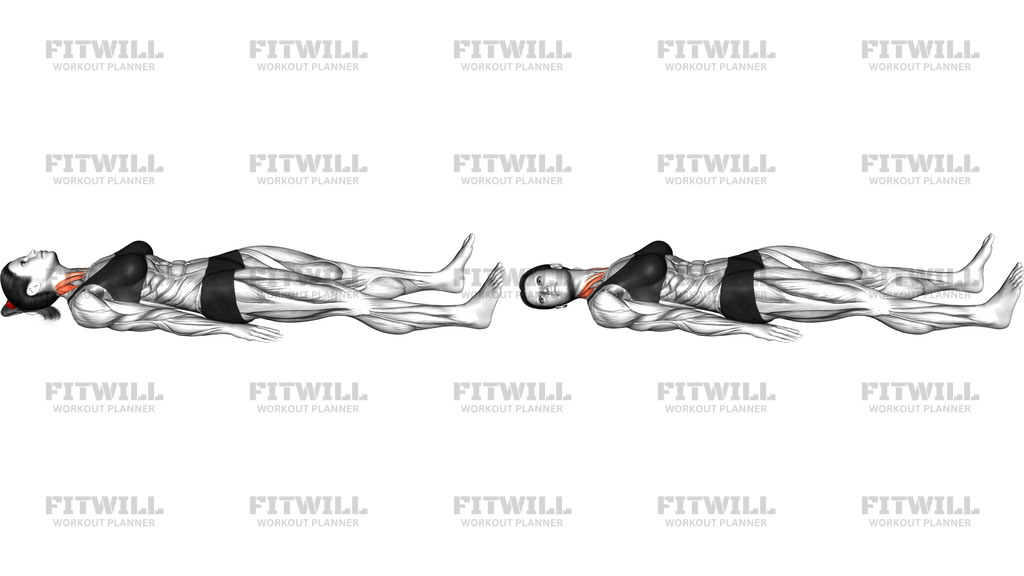
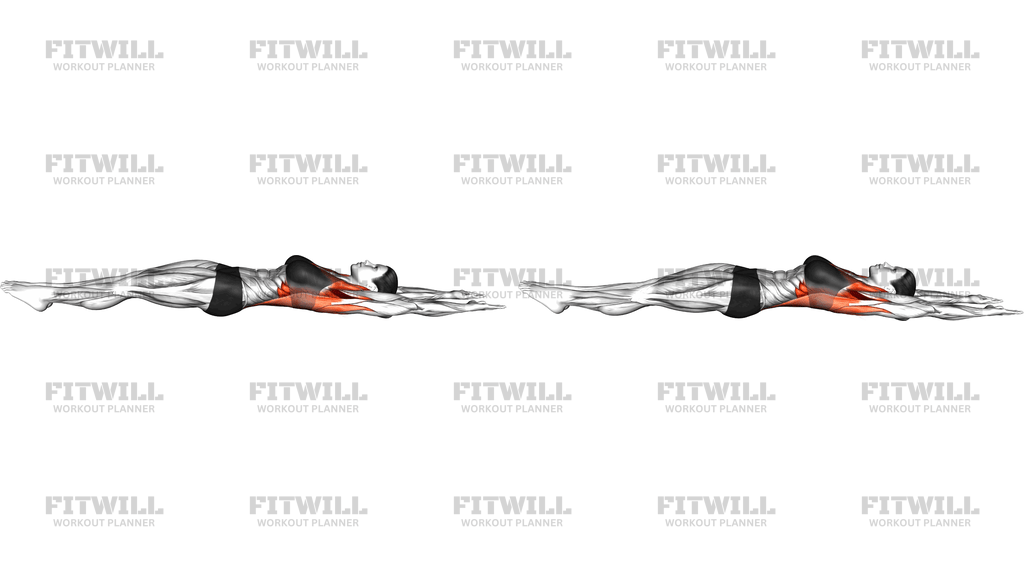
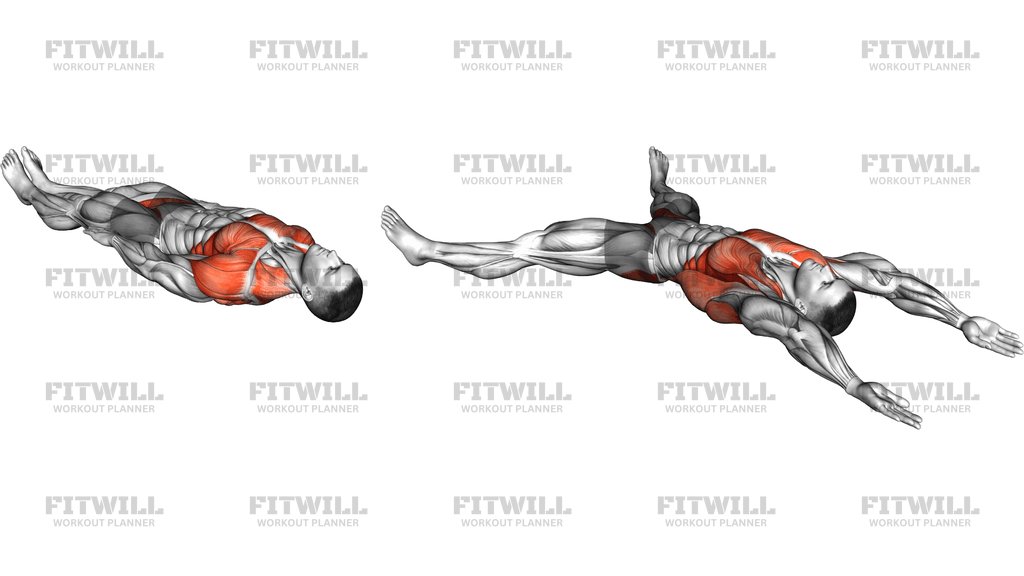
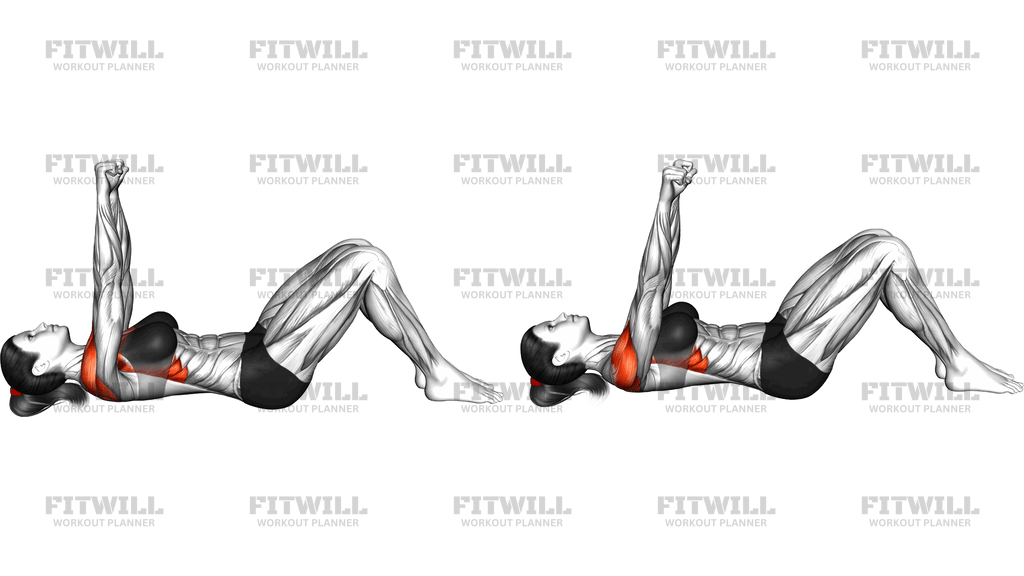
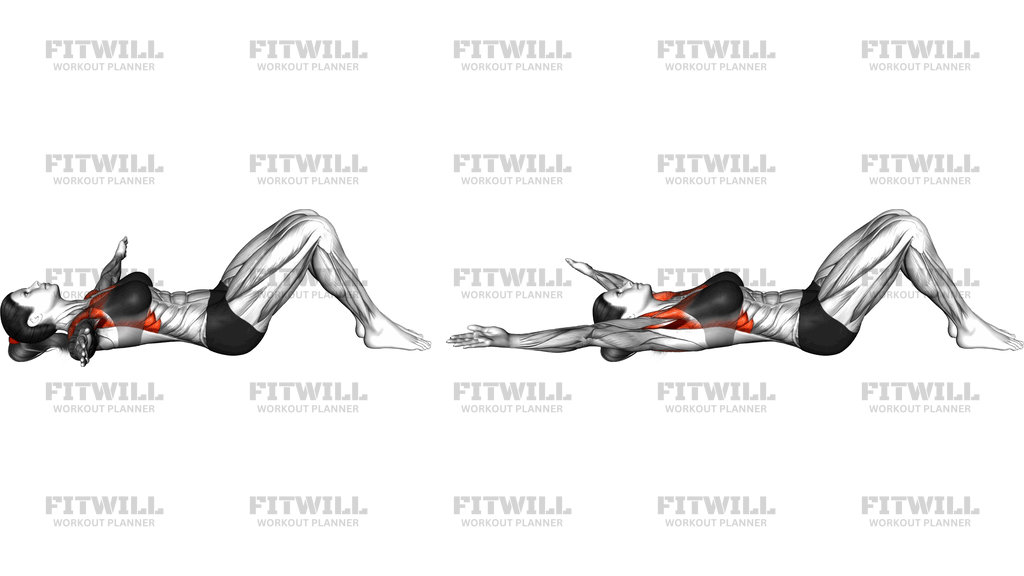
Upper Back Stretch
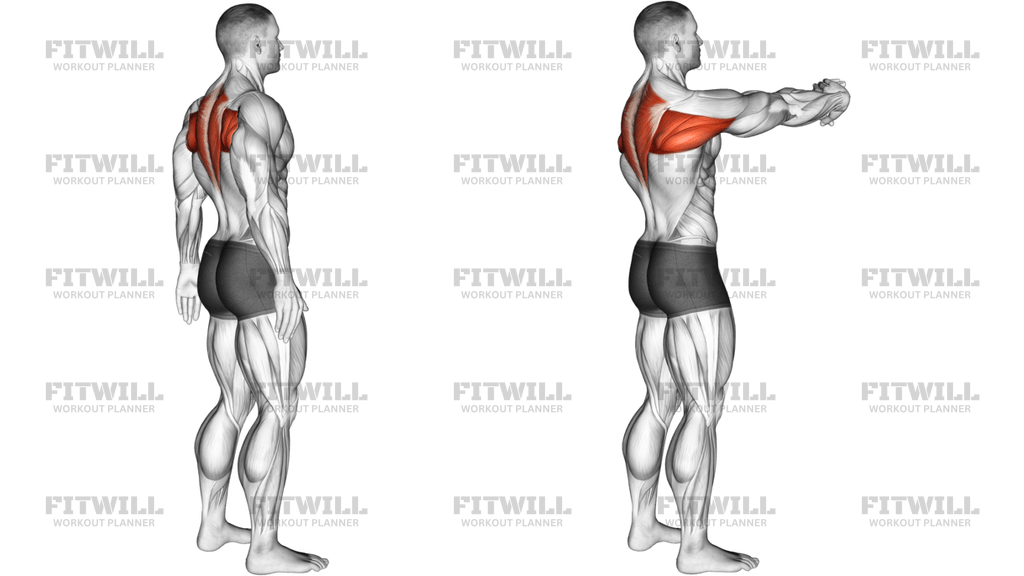
Upper Back Stretch is a standing bodyweight mobility drill for the upper back and the muscles that control the shoulder blades. In the image, the arms are extended straight out in front of the body with the hands clasped, the spine stays tall, and the shoulders are allowed to spread away from each other so the area between the shoulder blades opens up. It is a simple setup, but the details matter: the feet stay grounded, the neck stays long, and the reach comes from the upper back rather than from shrugging the shoulders.
The main purpose of the stretch is to reduce stiffness through the trapezius, rhomboids, rear shoulder line, and lat area after training or long periods of sitting. That makes it useful before upper-body sessions, after pulling work, or any time the mid-back feels locked up and the shoulders want more space. Because the movement is low load, the quality of the position is more important than trying to force a bigger range.
Start from a balanced stance with the rib cage stacked over the pelvis and the arms reaching forward at shoulder height. From there, let the shoulder blades glide apart and slightly around the ribs while you keep the elbows straight and the hands connected. The stretch should build across the upper back and the back of the shoulders, not into the neck or low back. If the chest pops up or the ribs flare hard, the stretch has drifted away from the target area.
Breathing changes the feel of this exercise. A slow exhale usually helps the upper back soften and lets you reach a little farther without yanking on the shoulders. Hold the end position only as long as you can keep the neck relaxed and the spine organized, then ease out smoothly. If you feel pinching in the front of the shoulder, back off the reach and keep the hands lower.
Upper Back Stretch works best as a short recovery or preparation tool, not as a test of flexibility. Use it when you want cleaner shoulder posture, less upper-back tightness, or a controlled reset between harder lifts. The right version feels like a broad stretch across the back of the torso, with no bouncing, no strain, and no aggressive forcing into end range.
Fitwill
Log Workouts, Track Progress & Build Strength.
Achieve more with Fitwill: explore over 9600 exercises with images and videos, access built-in and custom workouts, perfect for both gym and home sessions, and see real results.
Start your journey. Download today!




Instructions
- Stand tall with your feet about hip-width apart and soften your knees so you can balance without locking out.
- Bring both arms straight out in front of your chest at shoulder height and clasp your hands together or press the palms together.
- Keep the elbows straight, the neck long, and the ribs stacked over the pelvis before you start the stretch.
- Exhale and reach the hands forward as if you are rounding the space between your shoulder blades away from each other.
- Let the upper back open while keeping the shoulders down and away from the ears.
- Hold the end position briefly with a calm breath if the stretch stays comfortable and pain-free.
- Do not force the range by arching the low back or jutting the head forward.
- Inhale as you ease back to the starting position under control.
- Repeat the stretch evenly, keeping the same shoulder position on every rep.
Tips & Tricks
- If you feel the stretch mostly in your neck, lower the arms slightly and keep the shoulders from shrugging.
- A long exhale usually helps the shoulder blades spread farther than holding the breath.
- Keep the elbows straight, because bent elbows turn this into a different shoulder position and reduce the upper-back stretch.
- Think about reaching the knuckles forward, not pushing the head back or collapsing through the chest.
- Do not flare the ribs to fake more range; that usually shifts tension away from the upper back.
- If the front of either shoulder pinches, reduce the reach and keep the hands lower than shoulder height.
- This movement should feel controlled and mild to moderate, not like a hard end-range test.
- Use it after pulling sessions, desk work, or as part of a warm-up when the upper back feels stiff.
Frequently Asked Questions
What does Upper Back Stretch actually target?
It primarily targets the upper back around the trapezius and rhomboids, with a stretch through the back of the shoulders and lats.
Do I need equipment for this stretch?
No. It is a bodyweight stretch, usually done standing with the hands clasped or pressed together in front of the body.
Where should I feel the stretch?
You should feel it across the space between the shoulder blades and along the upper back, not as a sharp pull in the neck or front of the shoulder.
What is the most common mistake?
People usually shrug the shoulders, flare the ribs, or push the head forward, which moves the stretch away from the upper back.
Can beginners do Upper Back Stretch?
Yes. It is a beginner-friendly stretch as long as the reach stays gentle and pain-free.
Should my elbows stay straight?
Yes. Straight elbows help keep the stretch through the upper back and shoulders instead of turning it into a bent-arm shoulder movement.
When is the best time to use this stretch?
It works well after pulling workouts, after sitting for long periods, or in a warm-up when the upper back feels stiff.
What should I do if I feel pinching in the shoulder?
Reduce the reach, keep the hands a little lower, and avoid forcing the shoulders forward.