Calf Push Stretch With Hands Against Wall
Calf Push Stretch With Hands Against Wall is a standing wall calf stretch that uses your body weight and the wall to lengthen the lower leg in a controlled way. The hands-on-wall setup gives you a stable reference point so you can sink into the stretch without losing balance or twisting through the ankle. It is a mobility drill first, but the value comes from how precisely you place the foot, how steadily you shift the body, and how calmly you breathe while the calf opens.
The movement is most useful when the calf feels tight after running, jumping, lower-body lifting, or long periods of standing. A well-done rep should create a strong stretch through the back of the lower leg, usually the gastrocnemius first and the soleus more if the knee is slightly bent. That makes the exact stance important: a straighter back knee biases the upper calf more, while a soft bend shifts some of the work lower into the soleus.
Set the foot square to the wall and keep the heel heavy so the ankle stays honest. If the heel lifts, the stretch turns into a compensation and the calf never fully lengthens. If you need more range, step a little farther from the wall or lean your hips forward a bit more; if the stretch is too aggressive, move closer and reduce the forward press. The goal is a clear calf stretch that stays pain-free and repeatable from side to side.
This exercise fits well in warm-ups, recovery sessions, mobility circuits, or as a between-set reset when your ankles or calves feel stiff. It can also help prepare the lower leg for squats, lunges, sprint work, and jump training because better ankle motion often improves how the rest of the leg tracks. Keep the wall press smooth, avoid bouncing, and leave the stretch with the same control you used to enter it.
Fitwill
Log Workouts, Track Progress & Build Strength.
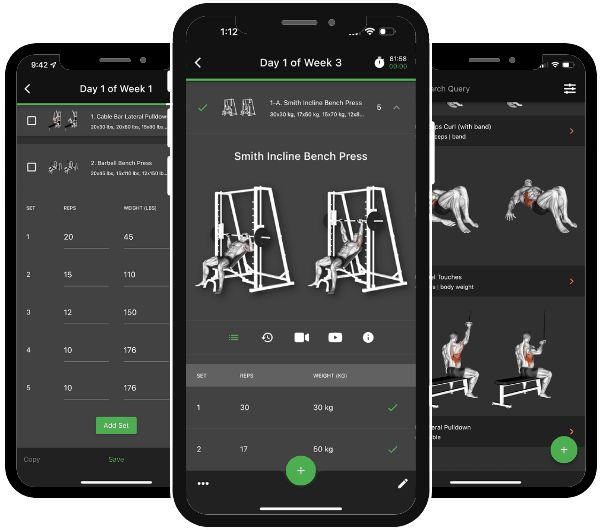
Achieve more with Fitwill: explore over 5000 exercises with images and videos, access built-in and custom workouts, perfect for both gym and home sessions, and see real results.
Start your journey. Download today!


Instructions
- Stand facing a wall and place both palms flat on it at about chest height.
- Step one foot back into a split stance and keep the back foot pointed straight ahead.
- Keep the back heel planted on the floor and the back knee straight or only slightly soft.
- Bend the front knee a little and shift your body forward until you feel a strong calf stretch in the back leg.
- Press lightly through the wall so your torso stays long and your balance stays steady.
- Hold the stretched position for a controlled breath or two without bouncing.
- If you want more upper-calf emphasis, keep the back knee straighter; if you want a slightly lower calf stretch, soften the knee a little more.
- Step out of the stretch slowly, reset your stance, and repeat on the other side.
Tips & Tricks
- Keep the back heel heavy; if it lifts, the calf stops getting a true stretch.
- Aim both toes straight ahead so the ankle does not roll outward and cheat the stretch.
- Use a smaller forward lean if the stretch jumps from intense to painful at the ankle or Achilles.
- Breathe out as you sink forward so the calf can relax instead of bracing harder.
- A straighter back knee emphasizes gastrocnemius, while a softer knee shifts more tension to soleus.
- Do not twist the pelvis toward the wall; keep both hip bones facing forward.
- Hold each side long enough to feel the calf lengthen, but never bounce in and out of the end range.
- If one ankle is stiffer, start that side with a shorter stance and work up gradually.
Frequently Asked Questions
What part of the calf does this wall stretch target most?
With the back knee straight, it emphasizes the gastrocnemius more; with a slight knee bend, it shifts some of the stretch toward the soleus.
Should my back heel stay on the floor the whole time?
Yes. Keeping the heel down is what lets the calf lengthen properly; lifting it turns the movement into an ankle compensation.
How far should I stand from the wall?
Start close enough that you can keep the back heel down and feel a clear stretch, then step farther away only if you need more range.
Why are my hands on the wall?
The hands give you balance and let you press your body forward in a controlled way without swaying through the torso.
What is the most common mistake with this stretch?
Letting the heel pop up or turning the toes out are the biggest cheats, because both reduce the calf stretch and shift stress into the foot.
Is this stretch safe for beginners?
Yes, as long as the forward shift is gradual and the stretch stays mild to moderate rather than sharp at the Achilles.
Can I use this before running or squats?
Yes. It works well before activities that need better ankle motion, especially if your calves feel stiff or your heels want to lift.
How do I make the stretch easier?
Move closer to the wall, shorten the stance, or soften the back knee slightly so the calf does not get pulled as hard.