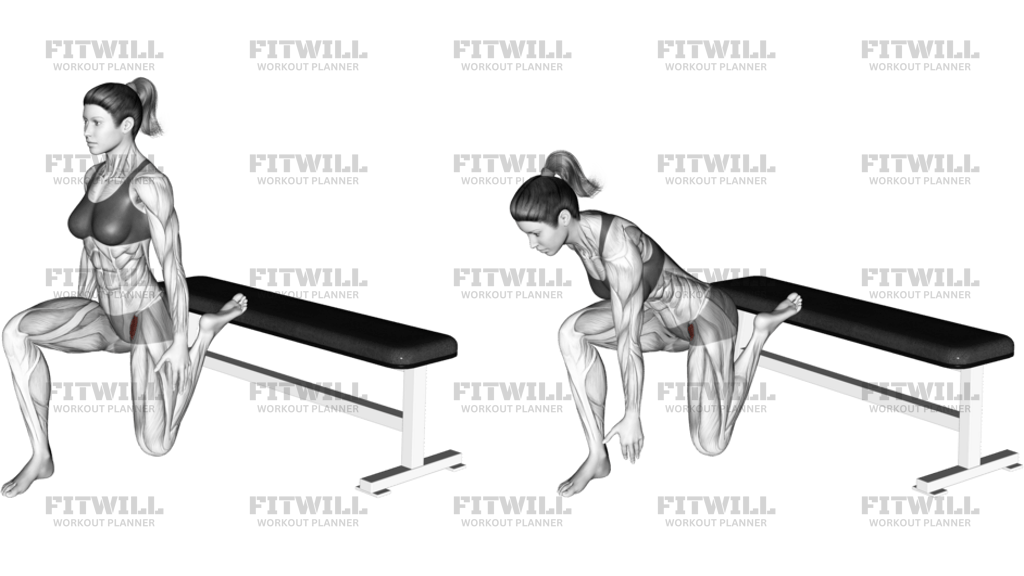
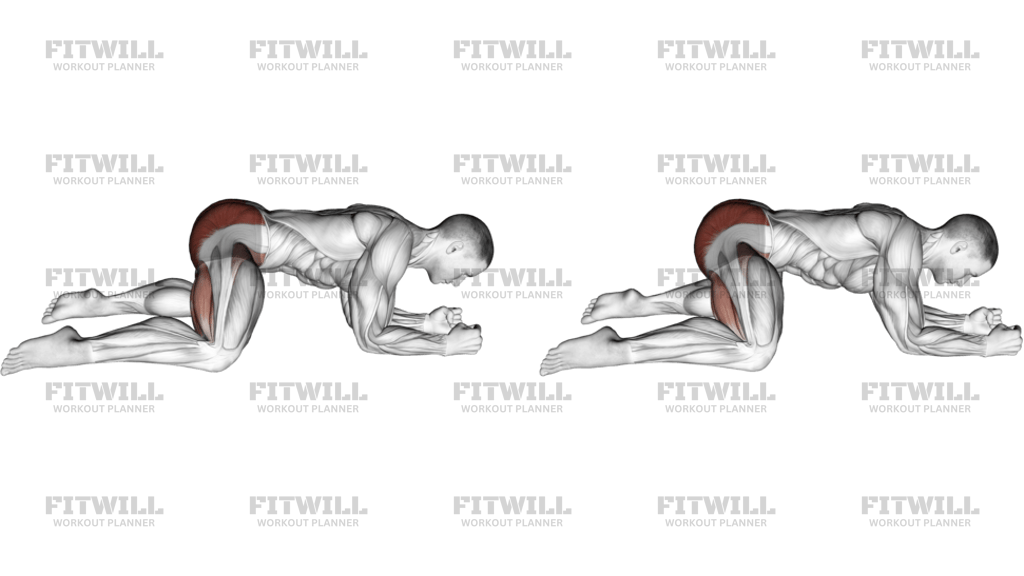
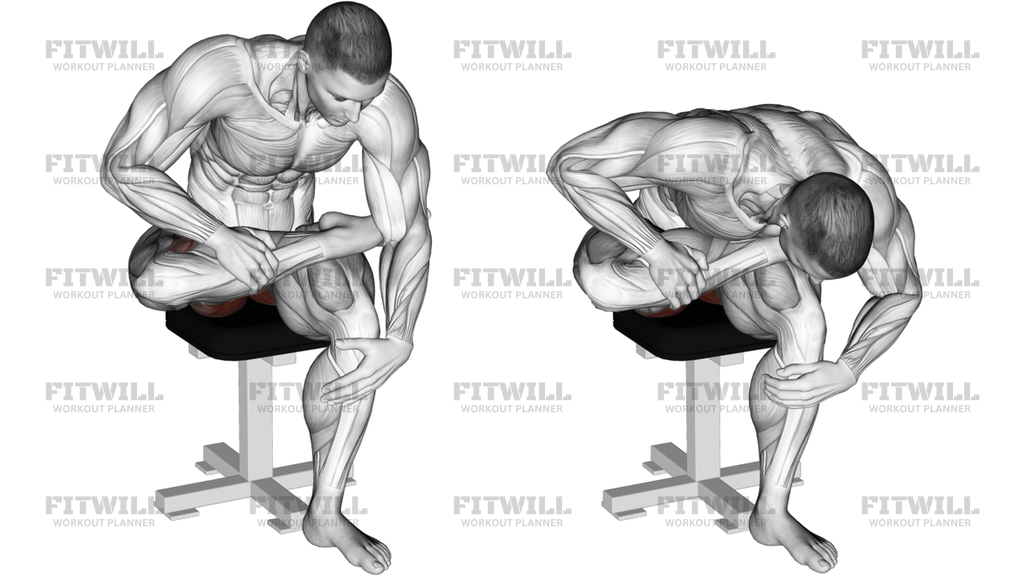
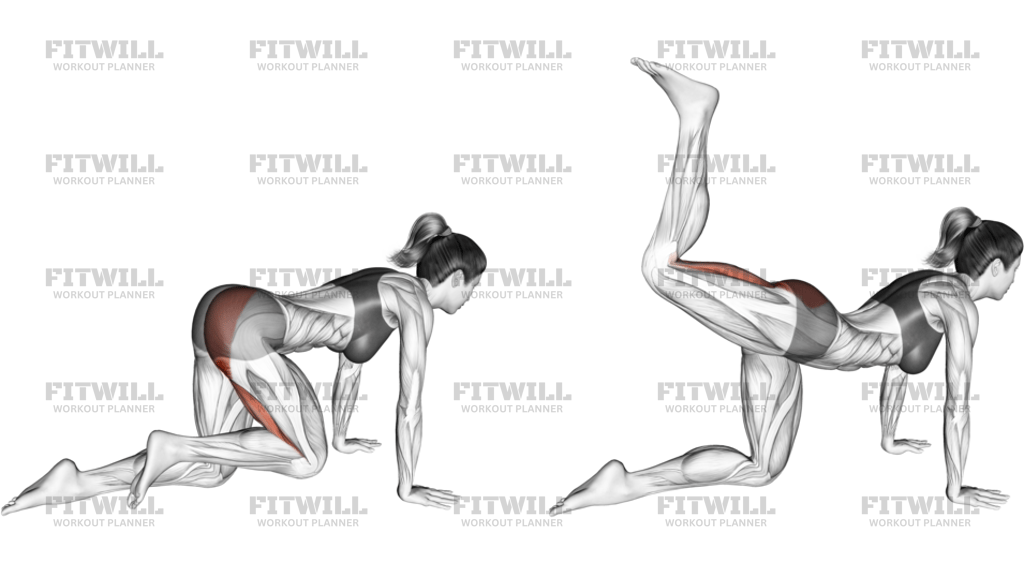
Iron Cross Stretch
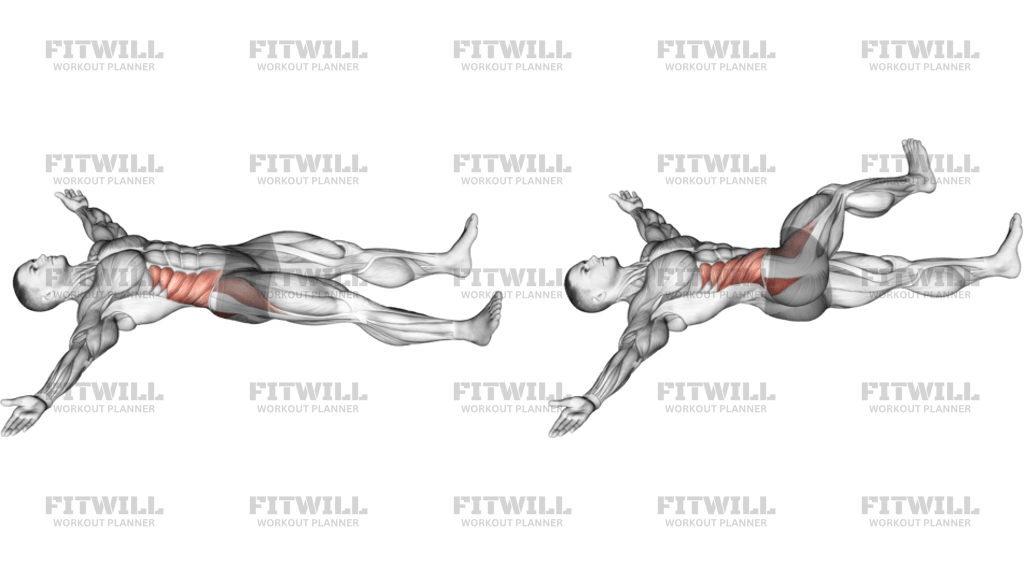
Iron Cross Stretch is a floor-based mobility drill performed lying face up in a T position while one leg crosses over the body. The setup opens the hips, glutes, lower back, and mid-back by combining gentle trunk rotation with hip adduction and a long reach through the arms. It is a bodyweight stretch, so the quality of the position matters more than the range you force.
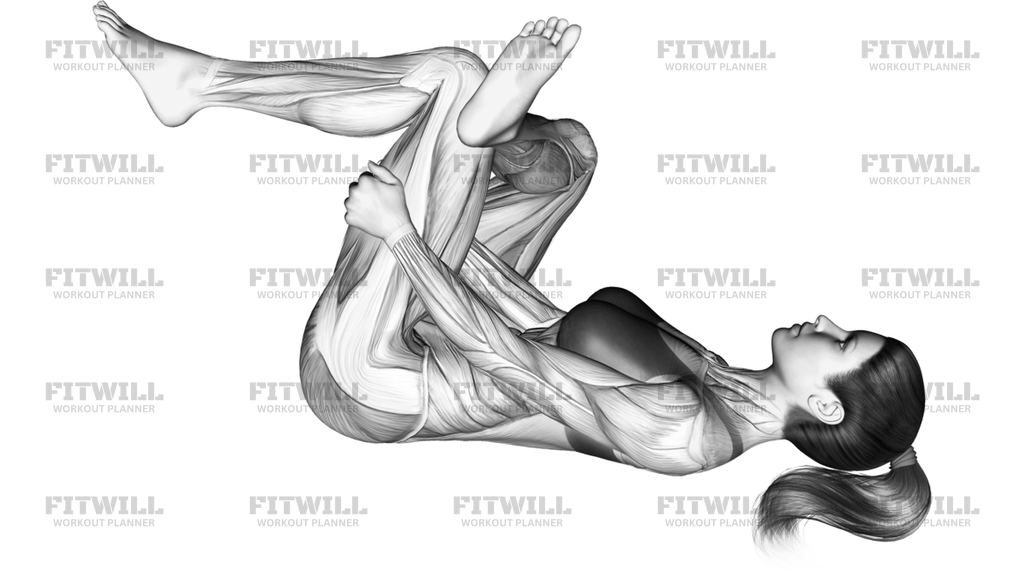
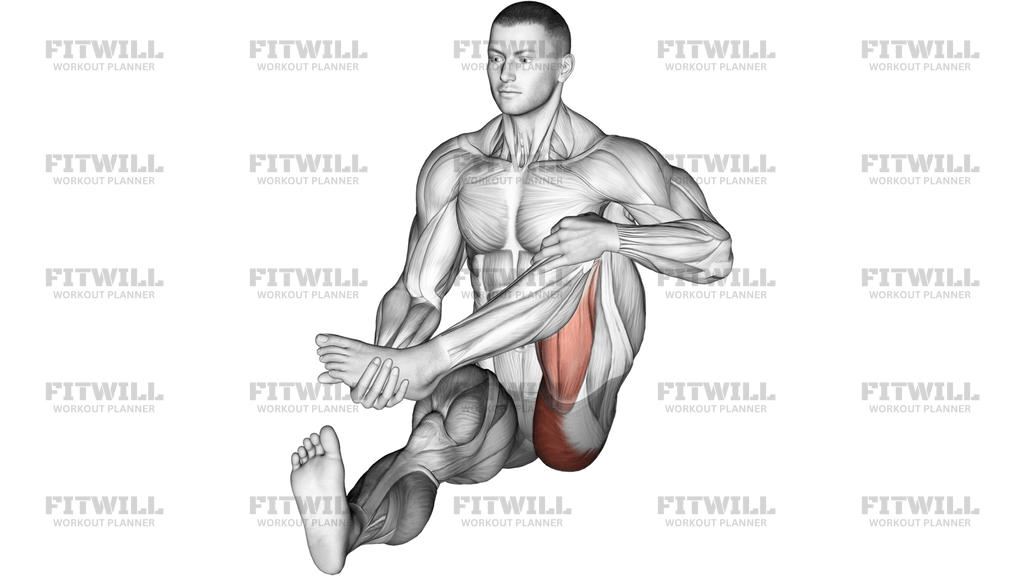
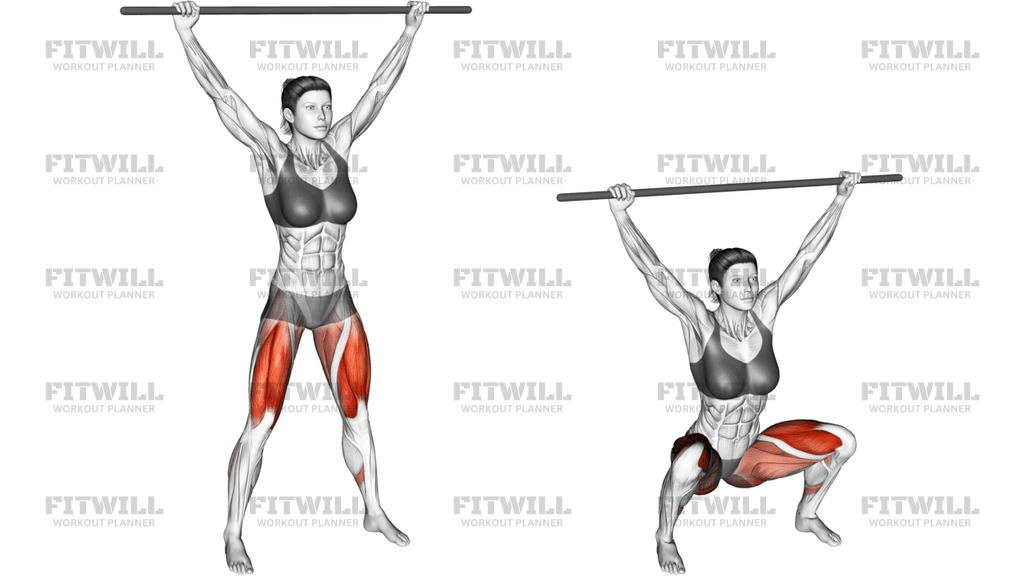
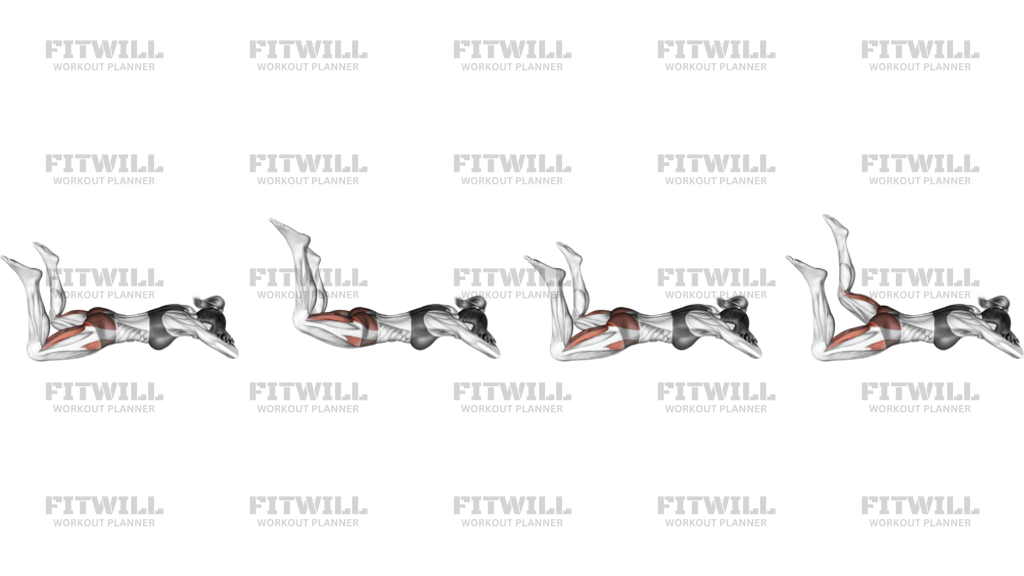
The image shows the upper back and both arms staying spread on the mat while the working leg travels across the midline. That is the key coaching idea for this movement: keep the shoulders anchored, let the pelvis rotate gradually, and use the floor as feedback instead of trying to drag the knee all the way down. When the chest starts to roll or the opposite shoulder lifts, the stretch usually shifts away from the intended line.
This is a useful drill when you want to loosen the hips and trunk before lower-body training, after long periods of sitting, or as part of a cool-down. It can be performed as alternating reps or held for time, but the best version is calm and deliberate. The working side should feel a controlled stretch through the outer hip, glute, and lower back, while the arms help keep the torso open.
Good form is simple: lie on a mat, brace lightly, breathe out as the leg crosses, and stop short of a painful twist. You should be able to keep the non-working shoulder heavy on the floor and return to center without jerking or bouncing. If the knee cannot reach the floor comfortably, reduce the range and let the breath create the extra space rather than forcing it.
Because the movement is rotational, the biggest mistake is rushing the descent and letting the low back take over. Keep the motion smooth, control both directions, and reset fully before switching sides. Used this way, Iron Cross Stretch is a practical way to restore motion in the hips and spine without turning the stretch into a strain.
[ Workout Log & Planner ]
Put your next workout in Fitwill
Keep your plan and training log ready when you are.


Instructions
- Lie face up on a mat with your arms stretched out at shoulder height and your palms turned down for support.
- Keep one leg long on the floor, then bend the other knee so you can guide it across your body.
- Set your shoulders and upper back before moving so the chest stays open as the leg starts to travel.
- Brace lightly through the abdomen and exhale to help the rib cage stay heavy on the mat.
- Bring the bent knee across the midline toward the opposite side of your body in a slow, controlled arc.
- Let the pelvis rotate only as far as you can keep the opposite shoulder and arm grounded.
- Pause in the end position for a calm breath while keeping the stretch smooth rather than forced.
- Return the knee to center with control, reset your torso, and repeat on the other side.
Tips & Tricks
- Press the opposite shoulder blade and arm into the mat so the twist comes from the torso, not from the whole body rolling over.
- Let the bent knee travel only until the lower back and outer hip feel a clean stretch; forcing it lower usually changes the line of pull.
- Keep the reaching arm long and heavy on the floor instead of lifting it to chase more range.
- Exhale as the knee moves across the body; that usually makes the rib cage settle and reduces unwanted arching.
- If the hip feels pinchy, reduce how far the knee crosses and keep the shin more vertical.
- Move slowly on the way back to center so the torso does not snap open or lose the end position.
- Do not let both knees drift together; each side should rotate and reset independently.
- For a more relaxed stretch, place the moving foot slightly farther from the body before you cross it over.
Frequently Asked Questions
What does the Iron Cross Stretch target most?
It mainly targets the outer hip, glute, and lower-back area while also opening the trunk through rotation.
Can beginners perform this exercise?
Yes. Beginners usually do well with a smaller knee crossing range and a longer pause to feel where the shoulder starts to lift.
Should my shoulders stay on the floor during the stretch?
The shoulder on the non-working side should stay heavy on the mat. If both shoulders roll up, the stretch has become too aggressive.
What is the most common mistake with the knee position?
People often force the bent knee all the way to the floor. That usually twists the low back instead of creating a cleaner hip stretch.
How long should I hold each side?
A short, calm hold of 10-30 seconds works well, as long as you can keep the ribs down and breathe normally.
Is this a stretch for the low back or the hips?
It can reach both, but if it is done correctly the sensation should feel controlled through the hips and glutes instead of like a sharp pull in the spine.
What should I do if the crossed knee does not reach far?
Keep the range smaller and let the breath do the work. The goal is a comfortable twist, not touching the floor at any cost.
When is this stretch most useful?
It fits well in a warm-up after sitting, between lower-body sets when mobility is the goal, or at the end of a session to downshift the hips and trunk.