Straight Leg Outer Hip Abductor
Straight Leg Outer Hip Abductor is a standing bodyweight hip-abduction drill that trains the outer hip to move and stabilize the pelvis without relying on a knee bend or a big swing. It is useful when you want cleaner control through the side of the hip, better single-leg balance, and a repeatable way to challenge the glutes while keeping the torso quiet.
The visible setup is simple: stand tall on one leg, keep the working leg straight, and let the free leg travel out to the side under control. The movement should come from the hip joint, not from leaning your torso, twisting your pelvis, or kicking the leg with momentum. That makes the exercise useful for activation work, accessory strength work, and any session where you want the hips to stay honest under light, precise tension.
Because this is a bodyweight exercise, position matters more than load. A small shift in stance, ribcage position, or pelvic tilt can change where you feel the work. Keep your stance leg steady, keep both hips facing forward, and think about lifting the leg away from the midline while the pelvis stays level. If you need balance help, use a wall or rack lightly rather than turning the rep into a full-body lean.
The best reps look smooth from start to finish: controlled lift, brief pause at the top, then a slow return without letting the leg drop. You should feel the outer hip of the moving leg doing the work, with the standing leg and core helping you stay stacked. If the motion becomes jerky, the range is too large or the tempo is too fast.
Use this movement in warmups, corrective work, glute-focused accessory blocks, or lower-body circuits when you want a low-impact way to train lateral hip control. It can be beginner-friendly because the bodyweight version lets you scale the difficulty with support, tempo, and range of motion. Keep the rep strict and pain-free, and stop short of any position that makes the pelvis hike, the torso sway, or the lower back take over.
Fitwill
Log Workouts, Track Progress & Build Strength.
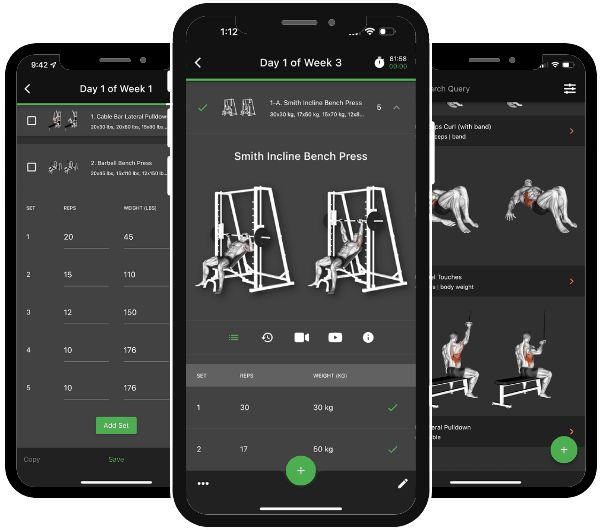
Achieve more with Fitwill: explore over 5000 exercises with images and videos, access built-in and custom workouts, perfect for both gym and home sessions, and see real results.
Start your journey. Download today!


Instructions
- Stand tall on one leg and keep the other leg straight, with your toes pointing mostly forward and your torso upright.
- Square your hips and ribs to the front, and lightly hold a wall or support if you need help staying balanced.
- Set your stance foot firmly into the floor and keep a soft bend in the standing knee.
- Brace your midsection so the pelvis stays level before the working leg moves.
- Lift the straight working leg out to the side from the hip without leaning the trunk or turning the toes open.
- Raise the leg only as high as you can without hiking the hip or losing control through the standing side.
- Pause briefly at the top and feel the outer hip of the moving leg contract.
- Lower the leg back to the start with a slow, controlled return, then reset before the next rep.
- Repeat for the planned number of reps, then switch sides and keep the same tempo and posture.
Tips & Tricks
- Keep the stance knee soft; locking it out usually makes balance worse and can shift work away from the hip.
- Think about lifting from the outer hip, not swinging the leg with the foot or knee.
- A smaller range with a level pelvis is better than a higher lift that tips the waist.
- If you need support, use one fingertip on a wall or rack so the working hip still has to stabilize.
- Keep the toes of the moving leg mostly forward or slightly down to avoid turning the rep into a hip-flexor twist.
- Exhale as the leg lifts and avoid holding your breath while you balance.
- Lower the leg more slowly than you raise it to keep tension on the outer hip.
- Stop the set if the torso starts leaning or the standing hip collapses inward.
Frequently Asked Questions
What does Straight Leg Outer Hip Abductor train most?
It mainly trains the outer hip and glute area that controls leg abduction and pelvic stability, with the standing leg and core assisting.
Is this just a standing side leg raise?
Yes. The key difference is that the working leg stays straight and the rep stays strict so the hip does the work instead of momentum.
Do I need equipment for this exercise?
No. It is a bodyweight movement, although a wall, rack, or post can be used for light balance support.
How high should I lift the leg?
Only as high as you can keep both hips level and the torso upright. A lower, cleaner lift is better than a high rep with a side lean.
Can beginners do Straight Leg Outer Hip Abductor?
Yes. Beginners usually do best with a small range of motion, light support, and slow reps until balance and control improve.
Why do I feel it in my standing leg?
The standing leg is helping hold the pelvis level, so the foot, glute, and core on that side have to work to keep you stable.
Should my foot turn out when the leg lifts?
Usually no. Keep the foot mostly forward or slightly down so the movement stays in hip abduction instead of turning into a twist.
How can I progress this movement?
Progress by slowing the lowering phase, reducing support, adding a pause at the top, or using a small ankle weight once your balance stays solid.