One Leg Squat
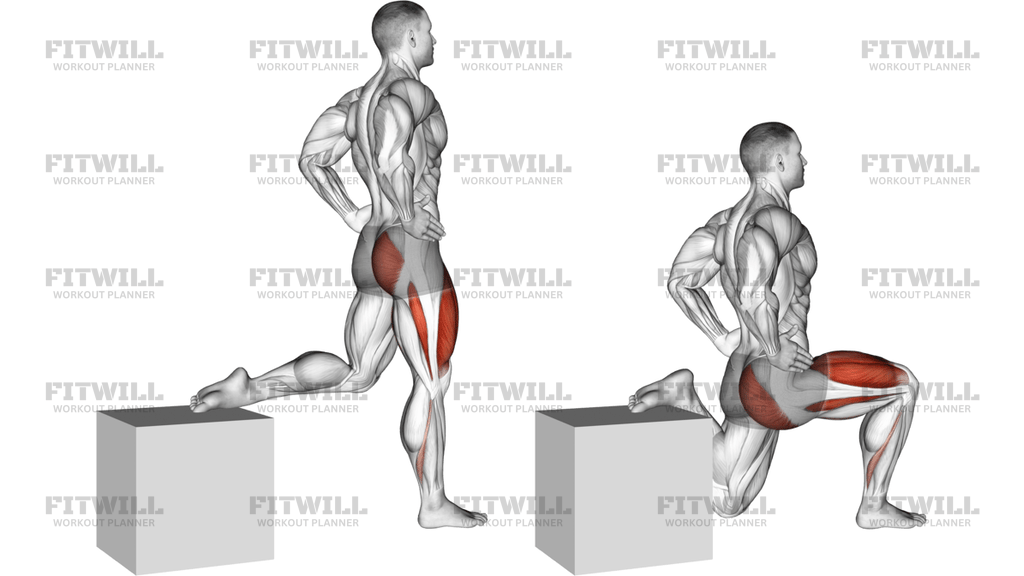
One Leg Squat is a bodyweight unilateral leg exercise that builds hip and knee control, single-leg strength, and balance at the same time. It asks one leg to lower and drive your body without help from the other leg, so the working side has to produce force while the trunk, pelvis, and foot stay organized. That makes it useful for athletes, general strength work, and anyone who wants better control through squatting mechanics.
The main emphasis is on the glutes, with the hamstrings, core, and lower back helping steady the pelvis and torso through the descent and stand-up. In anatomy terms, the work centers on the Gluteus maximus, with help from Biceps femoris, Rectus abdominis, and Erector spinae. Because the exercise is bodyweight, the quality of the repetition depends less on load and more on how cleanly you can manage balance, depth, and knee tracking.
Set up on one foot with the whole foot planted and the free leg lifted clear of the floor. Keep the working knee soft, the chest tall enough to stay balanced, and the ribs stacked over the pelvis before each rep starts. The easiest repetitions usually come from taking a breath, bracing lightly, and then sitting the hips back while the standing knee bends in line with the toes.
Lower only as far as you can keep the heel grounded, the arch active, and the pelvis level. If the knee caves in, the heel lifts, or the torso twists, the rep is too deep for your current control. On the way up, drive through the midfoot and heel, keep the knee tracking over the middle toes, and finish by standing tall without snapping the lower back.
This movement works well as accessory lower-body strength, balance training, or a regression/progression bridge between two-leg squats and more advanced single-leg work. Beginners can start by holding a post, tapping to a box, or using a shallower range of motion. More advanced lifters can slow the lowering phase, pause near the bottom, or add reps with strict control. The goal is consistent, repeatable mechanics rather than chasing depth that the standing leg cannot own.
[ Workout Log & Planner ]
Put your next workout in Fitwill
Keep your plan and training log ready when you are.


Instructions
- Stand on one foot with the whole foot planted, the other leg lifted off the floor, and your weight centered over the working side.
- Hold your arms slightly forward or out to the sides for balance, and set your ribs over your pelvis before you start.
- Take a breath and brace lightly so your torso stays tall and controlled through the rep.
- Send your hips back as the standing knee bends, keeping the foot flat and the arch active.
- Lower under control until your depth stops being clean, or until the thigh reaches a level you can hold without wobbling.
- Keep the knee tracking over the middle toes instead of collapsing inward.
- Pause briefly at the bottom if you can stay balanced and maintain tension.
- Drive through the midfoot and heel to stand back up, finishing with the glute on the working side.
- Reset your balance, breathe, and repeat on the same side or switch sides as planned.
Tips & Tricks
- If you cannot keep the heel down, reduce the depth before you try to force a full squat.
- A slight forward torso lean is normal here; it helps the hip stay loaded instead of fighting the balance point.
- Keep the working foot tripod active, especially the big toe, little toe, and heel.
- Do not let the free leg touch the floor between reps unless you are using it as an intentional reset.
- If the knee drifts inward, shorten the range and focus on pressing the knee in line with the second toe.
- Use a wall, post, or rack lightly for balance if the rep quality drops before the leg strength does.
- Slow eccentrics make this exercise much harder; use them only if you can still keep the pelvis level.
- Stop the set when the standing hip twists open or the arch collapses, because those are usually the first signs of fatigue.
Frequently Asked Questions
What does One Leg Squat train most?
It mainly targets the glutes, with the quads, hamstrings, and core helping to stabilize the movement.
Can beginners perform this exercise?
Yes, but most beginners should start with a supported version, a smaller range, or a box target before trying a full-depth rep.
How low should I go on a one leg squat?
Only go as low as you can while keeping the heel planted, the knee tracking over the toes, and the pelvis level.
What is a common mistake to avoid?
The most common mistake is collapsing into the bottom with the knee caving in or the arch flattening.
Should the free leg stay in front or behind me?
For a true one leg squat, the free leg stays clear of the floor and does not help with the rep. Use it as a counterbalance, not a push-off point.
Is it normal to lean forward during the rep?
Yes. A small forward lean is normal as long as the spine stays long and the movement still comes from the standing hip and knee.
What can I use if I cannot balance the full movement yet?
Hold a post, use a shallower squat, or tap to a box so you can keep the motion controlled while building strength.
How do I make the exercise harder without weights?
Slow the lowering phase, add a pause near the bottom, or increase depth only if the standing leg keeps perfect alignment.