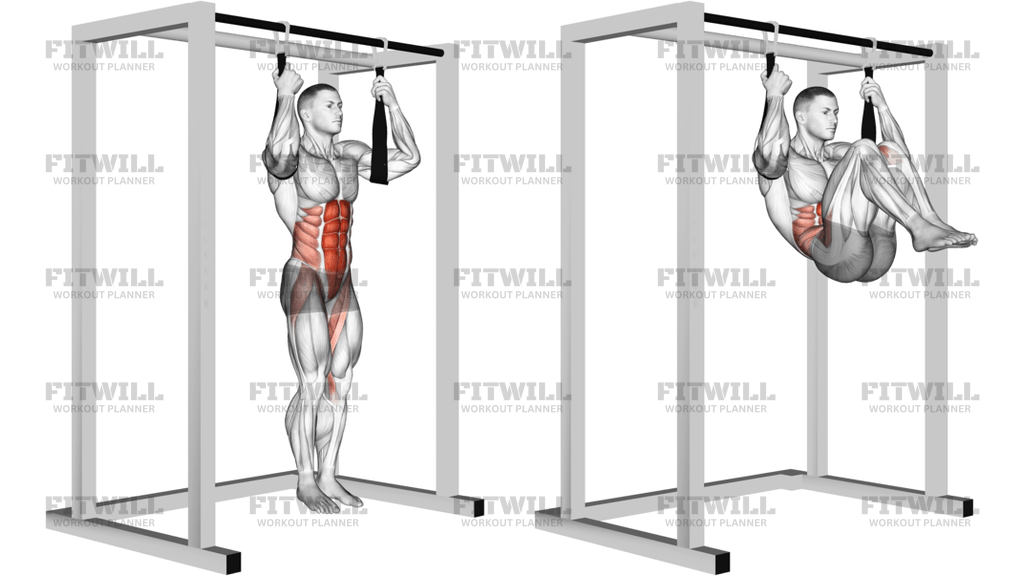
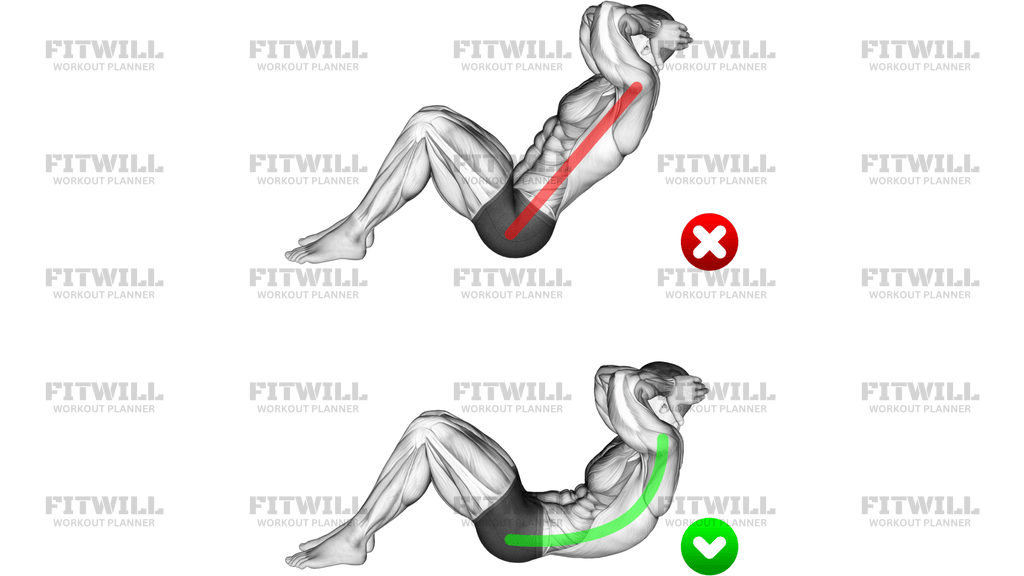
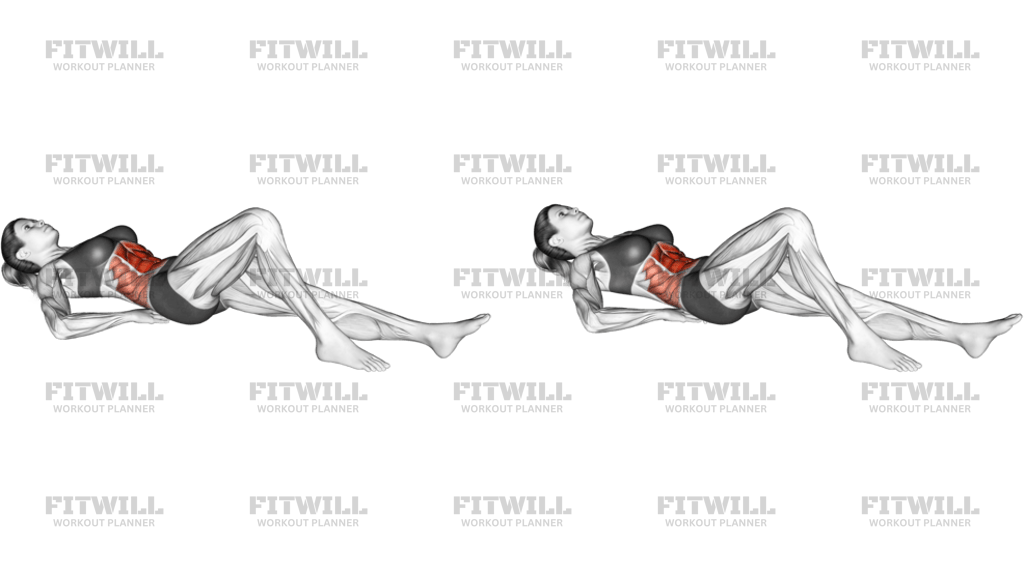
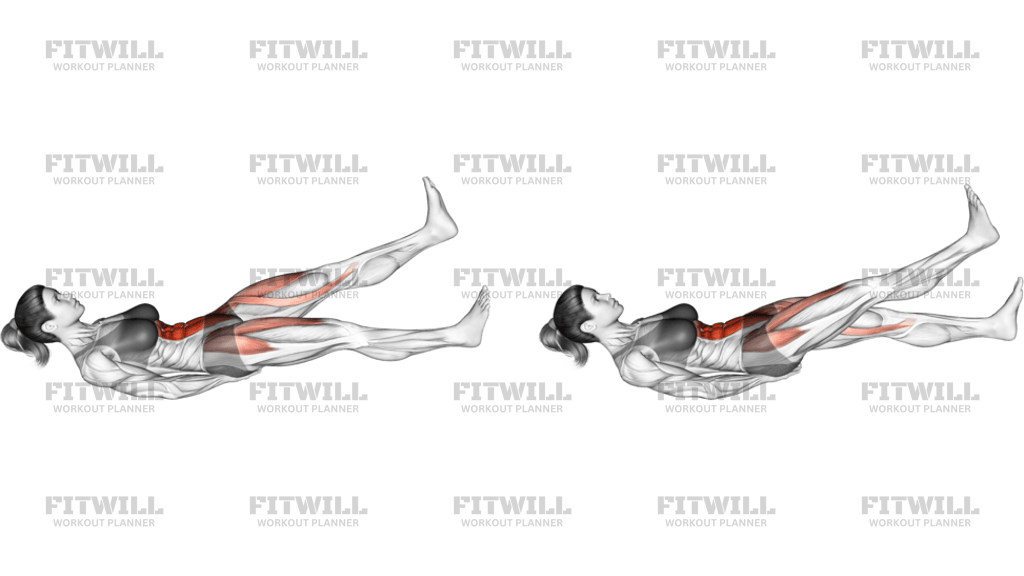
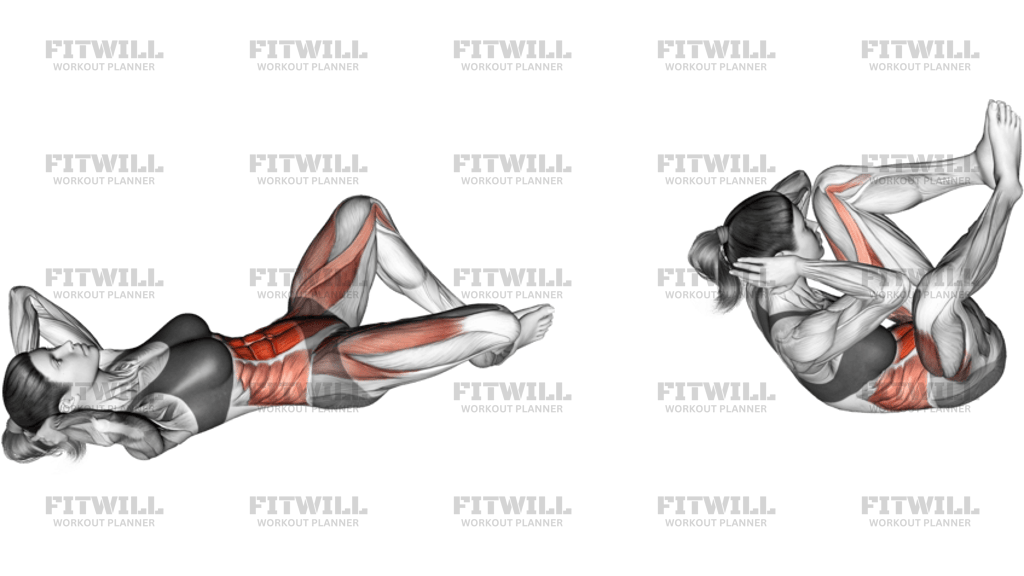
Hanging Oblique Knee Raise
Hanging Oblique Knee Raise is a body-weight core exercise performed from a hanging position on a pull-up bar. It challenges the abdominals, obliques, hip flexors, and the stabilizers that keep the torso quiet while the legs move. The side-to-side knee path makes this version more rotational than a straight hanging knee raise, so the quality of each rep depends on how well you can control the pelvis and avoid swinging.
The main training effect comes from the abs and obliques working together to curl the pelvis upward while the shoulders and lats hold you in place. In anatomy terms, the primary emphasis is the rectus abdominis, with the external obliques, iliopsoas, and transversus abdominis contributing to the lift, rotation control, and trunk stiffness. If the bar grip, shoulder position, or rhythm breaks down, the movement quickly turns into a pendulum instead of a focused abdominal drill.
The setup matters because the exercise starts from a full hang. Grip the bar securely, keep the arms long, and let the shoulders stay active rather than collapsing upward. Before the first rep, set the ribs down and brace the trunk so the pelvis can move without the lower back over-arching. That starting shape gives you a clean path for the knees and helps the obliques work instead of the hips simply swinging forward.
Each repetition should look controlled from the bottom to the top. Drive the knees up toward one side of the torso, aiming them toward the outer ribs or hip rather than straight ahead. Let the pelvis rotate just enough to shorten the working side, but do not whip the legs across the body. On the way down, lower slowly until the abdomen still has tension and the swing is gone. Exhale as the knees rise, then reset your brace before the next rep.
This exercise fits well in core sessions, accessory blocks, or upper-body days when you want hanging abdominal work that also tests grip and shoulder stability. It is useful for athletes and lifters who need better trunk control under suspension, but it works best when the range stays strict and the reps are not chased for momentum. If a clean hang is already difficult, regress the movement before adding speed or extra volume.
[ Workout Log & Planner ]
Put your next workout in Fitwill
Keep your plan and training log ready when you are.


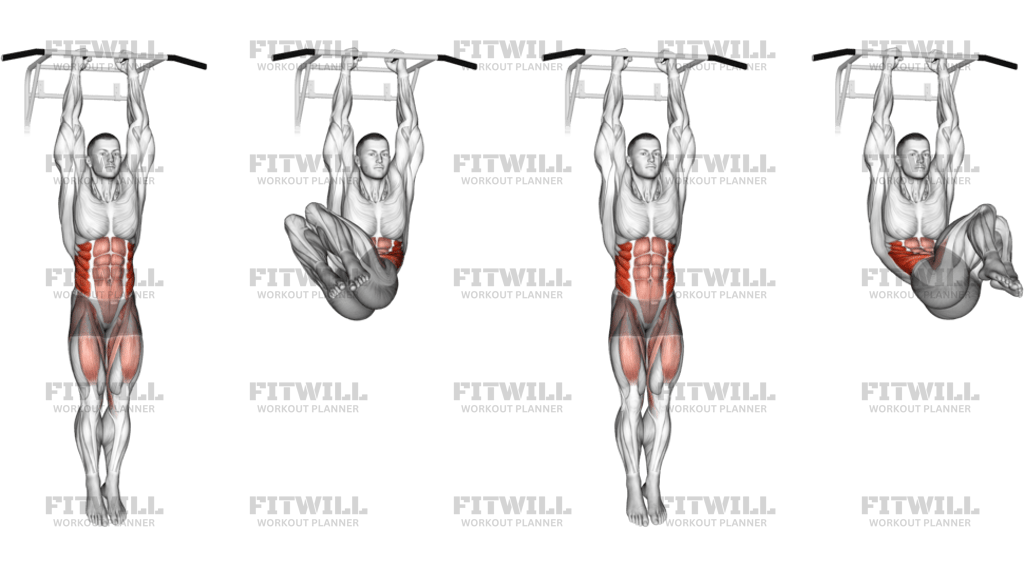
Instructions
- Grip a pull-up bar overhead with both hands and hang with straight arms, feet together, and shoulders active.
- Set your ribs down and lightly brace your abdomen before the first rep so the hang starts from a controlled torso position.
- Keep the pelvis quiet and avoid swinging as you prepare to raise the knees.
- Exhale and lift both knees toward one side of your lower ribs or hip, letting the pelvis rotate just enough to follow the path.
- Keep the knees bent and move them together as one unit instead of kicking or splitting the legs apart.
- Pause briefly at the top when the obliques are fully shortened and your body is still controlled.
- Lower the knees slowly back to a dead-hang position without letting the legs swing forward.
- Reset the brace, then repeat on the same side or alternate sides according to your workout plan.
Tips & Tricks
- Keep your shoulders slightly depressed and engaged so the hang comes from the upper back, not a loose shrug.
- Think about bringing the knees toward one hip or lower rib, because that cue usually loads the obliques better than simply lifting them upward.
- If your body starts to swing, shorten the range and slow the tempo before the next rep.
- Keep the feet and knees together; separating the legs usually reduces rotational control and makes the rep easier to cheat.
- Use a controlled lower, because the eccentric phase is where the torso often loses position and the swing begins.
- Exhale as the knees rise and keep the exhale tight enough to maintain trunk tension through the top of the rep.
- Do not chase a huge knee height if your pelvis is popping forward; stop when the abs and obliques still own the motion.
- If grip fatigue ends the set before your core does, reduce reps or use a captain's chair version for the same pattern.
Frequently Asked Questions
What muscle does Hanging Oblique Knee Raise target most?
The rectus abdominis is the main target, with the obliques doing extra work to control the side-to-side knee path.
Why do the knees come up toward one side instead of straight ahead?
Turning the knees toward one side increases the oblique demand and makes the pelvis work harder to stay controlled instead of simply lifting straight up.
Should I keep my legs straight or bent?
Bent knees are the standard version here. They shorten the lever, make the movement more controlled, and let the abs and obliques do the work without excessive swinging.
Can beginners do Hanging Oblique Knee Raise?
Yes, but only if they can hang without losing shoulder control. Beginners often need fewer reps, slower tempo, or a captain's chair variation first.
What is the biggest form mistake?
Swinging the body and letting the knees whip across the torso. The rep should feel like a controlled curl from the trunk, not a kip.
How do I keep from swinging on the bar?
Start from a still hang, brace before each rep, use a slower lowering phase, and stop the set when the torso begins to pendulum.
What should I feel at the top of the rep?
A strong contraction in the lower abs and the side of the waist on the working side, with the shoulders still holding the hang steady.
Is there a safer substitute if my grip gives out first?
A captain's chair oblique knee raise or reverse crunch variation removes some grip demand while keeping the same trunk pattern.
How many reps should I use?
Use a rep count that lets every set stay strict. If the knees start swinging or the shoulders lose position, the set is already too long.