Trap And Neck Stretch
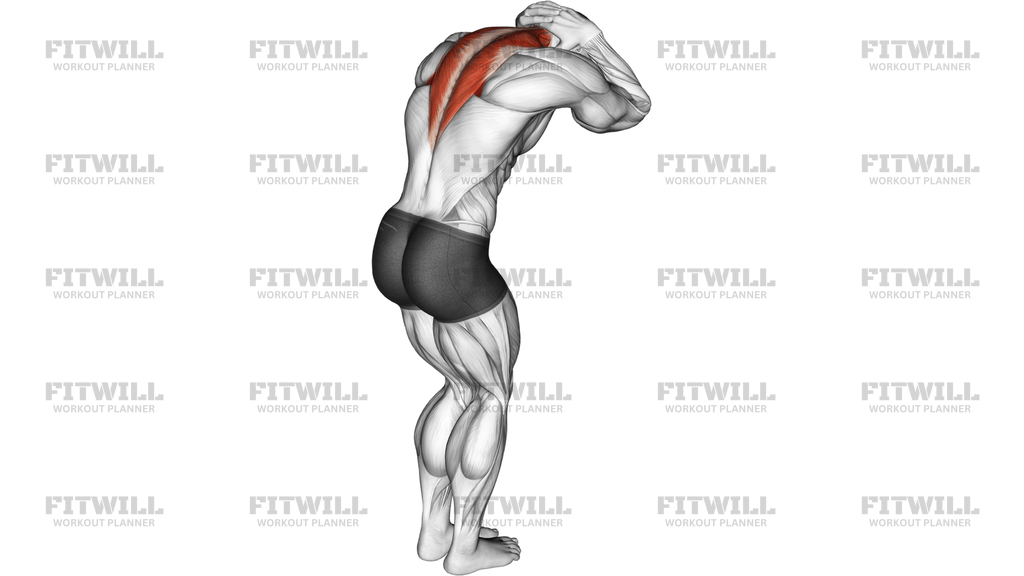
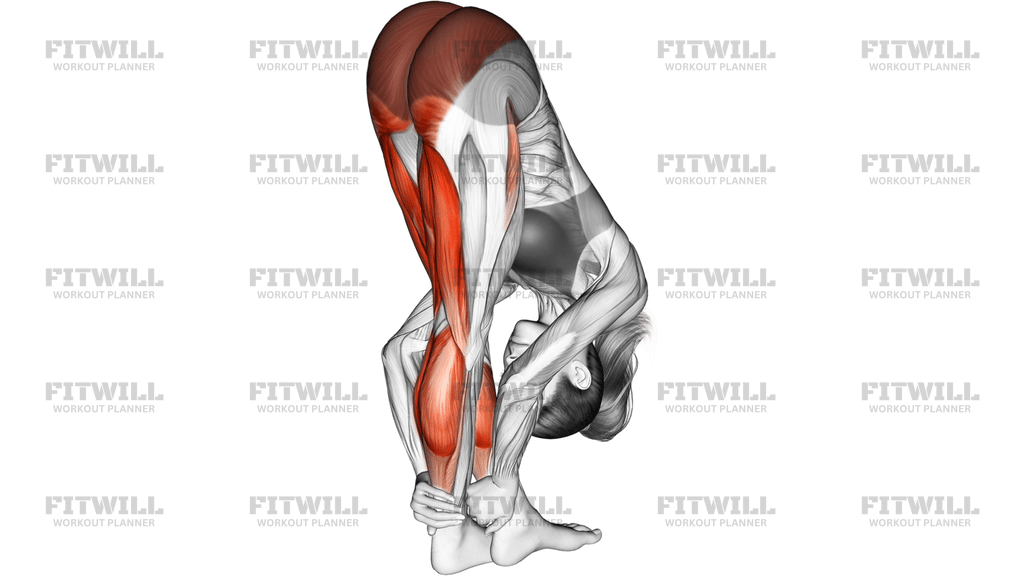
Trap and Neck Stretch is a standing mobility drill for the upper trapezius, levator scapulae, and the muscles along the back and side of the neck. In the image, the lifter is standing with a slight forward hinge, knees soft, and both hands supporting the head while the elbows stay forward. That position helps take pressure out of the shoulders and lets the neck relax into a controlled stretch instead of a forced pull.
The exercise is simple, but the setup matters. If you stand rigidly upright and yank on the head, the stretch usually turns into a crank through the cervical spine. If you hinge gently at the hips, keep the ribs down, and let the shoulders drift away from the ears, the tension moves into the upper trap area where it belongs. The hands are there to support the head, not to drag it through a bigger range.
This stretch is useful after upper-body lifting, long desk work, or any session where the neck and shoulders feel elevated and tight. It can also be used in a warm-up when the goal is to reduce stiffness before pressing, pulling, or overhead work. The best version feels like a steady pull along the side of the neck and upper shoulder, not a sharp pinch in the spine.
Move slowly and keep the breath calm. A small amount of side-to-side adjustment changes where the stretch lands, so use only enough angle to feel the tissue lengthen without losing posture. Finish each rep by easing the head back to center and standing up under control. The stretch should leave the neck feeling looser and the shoulders lower, not irritated or compressed.
Beginners can use this movement easily because it relies on position and control rather than load. What matters most is respecting the range, keeping the grip light, and avoiding any bouncing or aggressive pulling. If the neck feels sensitive, shorten the range and keep the chin tucked slightly instead of forcing a deeper bend.
[ Workout Log & Planner ]
Put your next workout in Fitwill
Keep your plan and training log ready when you are.


Instructions
- Stand on a flat floor or mat with your feet about hip-width apart and your knees softly bent.
- Clasp your hands behind your head so they support, not pull, and let your elbows drift slightly forward.
- Hinge forward a little from your hips until your torso is angled down and your weight stays balanced over the midfoot.
- Gently tuck your chin toward your chest to lengthen the back of the neck.
- If you want more upper-trap emphasis, angle the chin a little toward one side and keep the opposite shoulder relaxed.
- Keep the shoulders down away from your ears instead of shrugging into the stretch.
- Breathe slowly and let each exhale soften the neck and upper shoulder.
- Hold the stretch for a controlled pause, then ease back to the start position without jerking the head upright.
Tips & Tricks
- Keep the hand pressure light; the stretch should come from position, not from pulling hard on the head.
- Let the elbows stay slightly in front of the face so the shoulders do not flare open and raise the traps.
- Move through the hips instead of rounding harder through the low back when you hinge forward.
- Exhale on the hold if the upper neck feels guarded; that usually lets the shoulders drop a little more.
- If one side is tighter, shift the chin only a few degrees rather than cranking the head across the body.
- A narrower stance can help you balance if the forward hinge makes you feel unstable.
- Keep the stretch in the upper shoulder and side of the neck; stop if you feel pinching at the base of the skull.
- Use this as a reset after pressing or desk work, not as a forceful max-range test.
Frequently Asked Questions
What does Trap and Neck Stretch target most?
It primarily targets the upper trapezius and the muscles along the side and back of the neck.
Do I need to pull hard on my head to feel the stretch?
No. The hands should only support the head while the forward hinge and chin position create the stretch.
Why does the exercise use a forward hinge?
The hinge shifts the stretch into the upper traps and neck instead of letting you simply collapse the head forward.
Should my elbows stay wide or come forward?
Keep them slightly forward and relaxed. Flaring them wide usually makes the shoulders shrug and reduces the stretch quality.
Can I do this seated instead of standing?
Yes. A seated version works well if you want less balance demand while keeping the same neck and shoulder position.
How long should I hold the stretch?
A short, steady hold of about 15 to 30 seconds is usually enough before you reset and repeat.
What if I feel a pinch at the base of my skull?
Back off immediately and reduce the range. That feeling usually means the neck is being compressed instead of stretched.
When is this stretch most useful?
It works well after upper-body training, after long computer work, or anytime the shoulders feel elevated and tight.