Reclining Lower Trunk Extensor Stretch
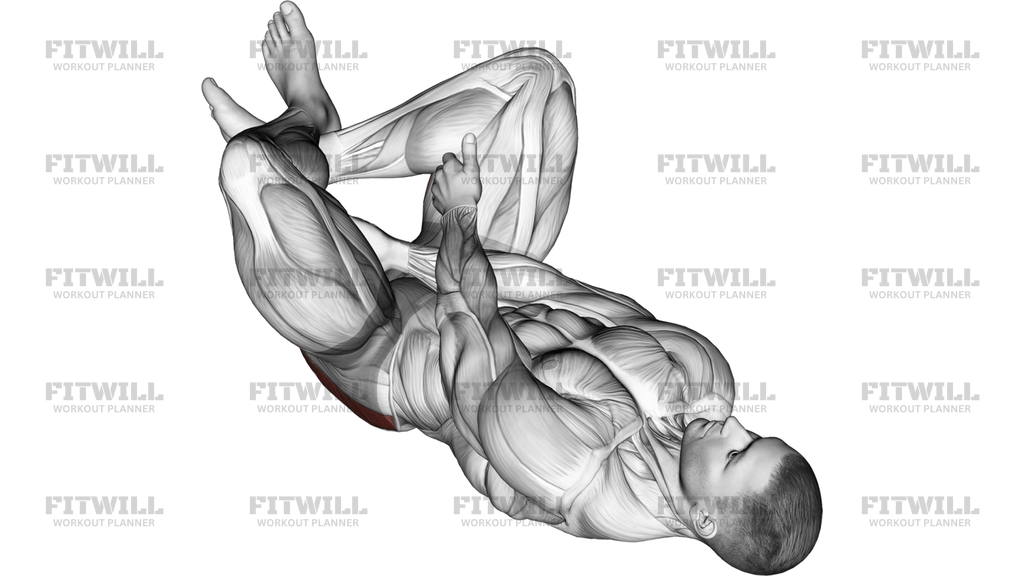
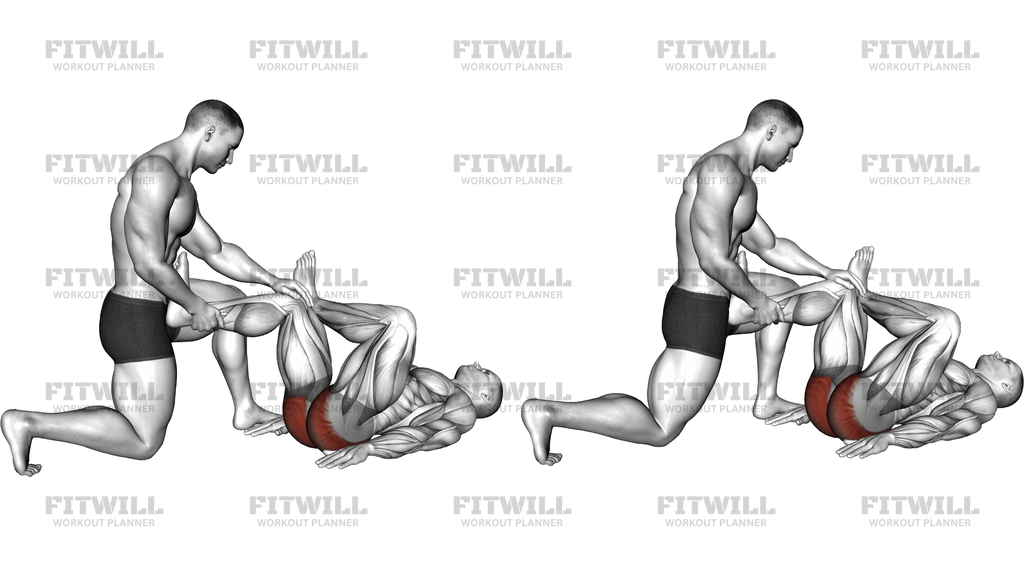
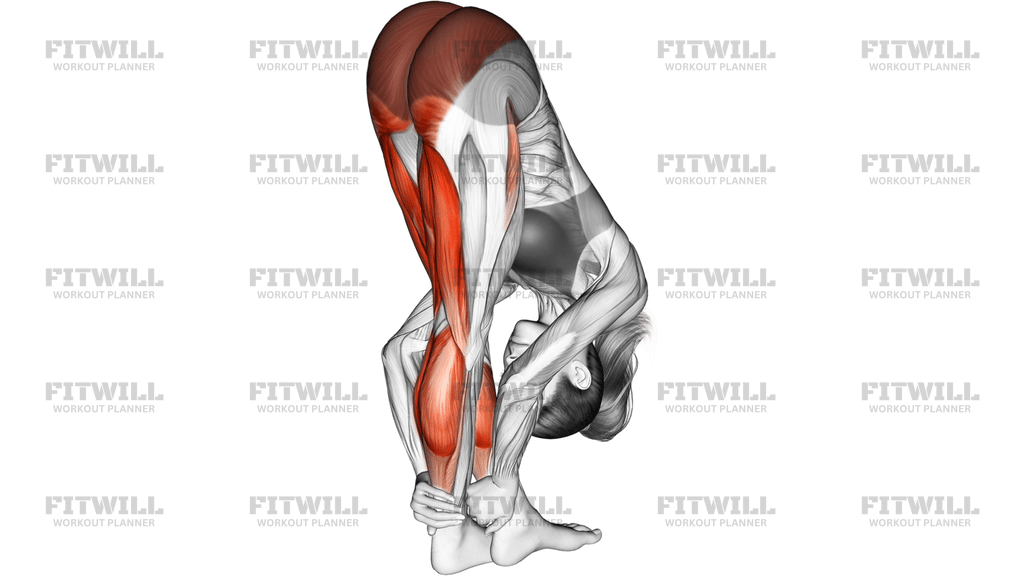
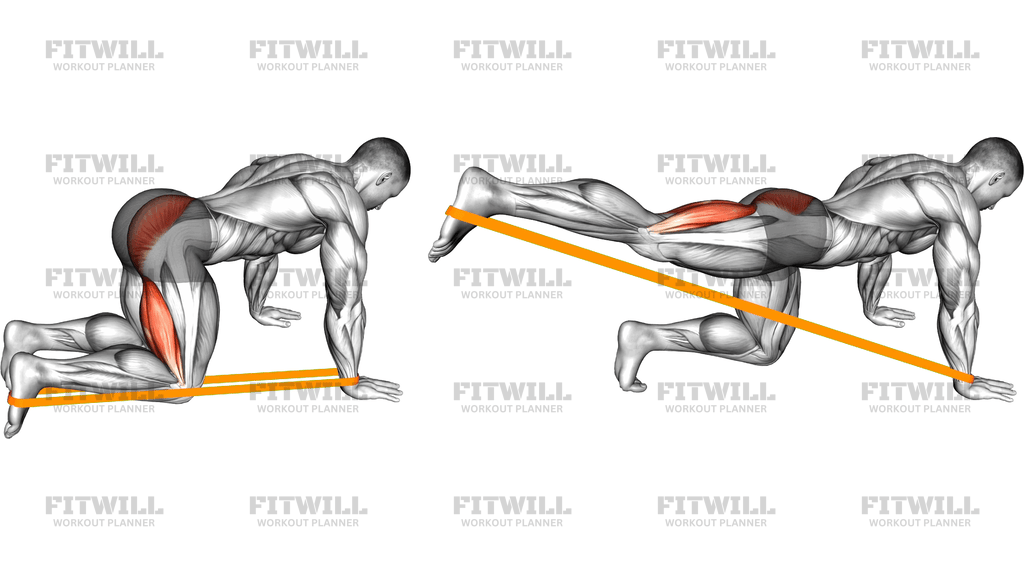
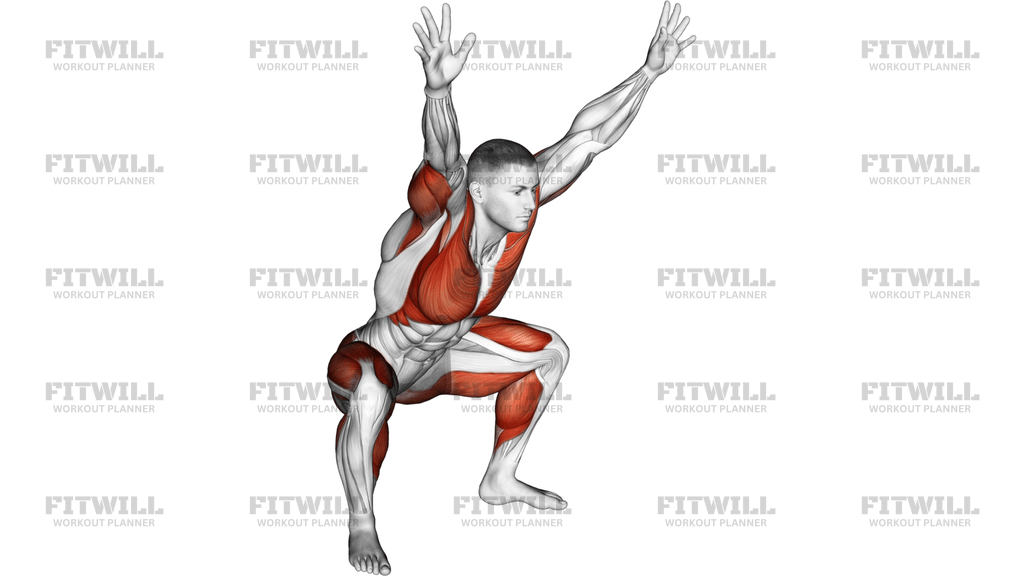
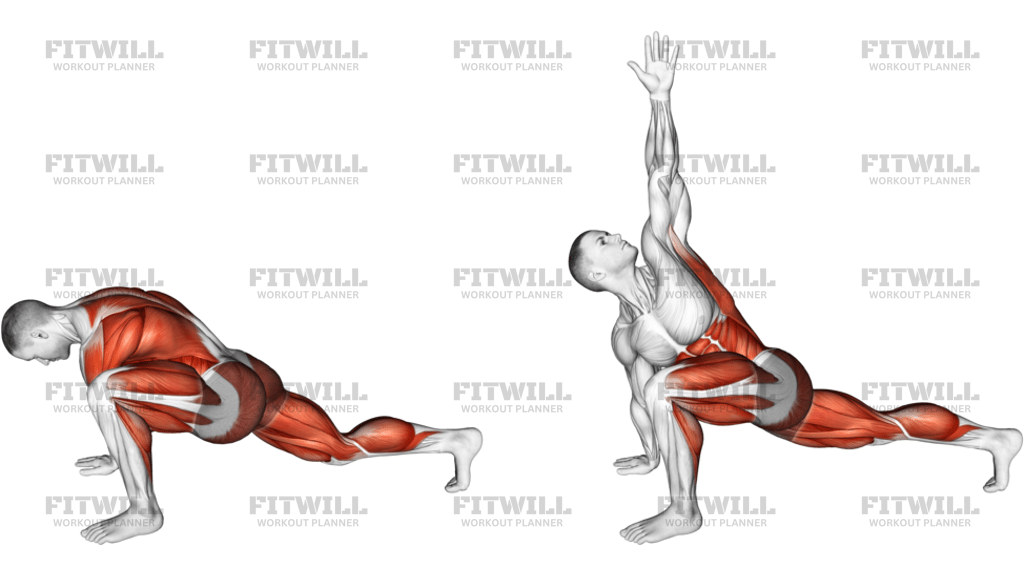
Reclining Lower Trunk Extensor Stretch is a mat-based supine mobility drill that eases tension through the lower back, glutes, and deep hip rotators. In the pictured position, one ankle is crossed over the opposite knee and the legs are drawn toward the torso, which creates a gentle stretch along the back of the hip while the trunk stays relaxed against the floor. The exercise is commonly used when the lower body feels stiff after sitting, squatting, running, or deadlifting.
The setup matters because this stretch only works well when the pelvis stays controlled. If the hips drift, the knees collapse inward, or the shoulders tense up, the stretch turns into a sloppy tug instead of a clean line of tension through the target area. Lying flat on an exercise mat gives you enough support to breathe, settle the ribcage, and find a position where the stretch is firm but still comfortable.
Treat each rep as a slow repositioning rather than a forceful pull. Cross the ankle, keep the flexed foot active, and draw the supporting leg toward your chest until you feel the stretch build in the outer glute and lower trunk. The goal is not to yank the knee close to the face; the goal is to create a steady, repeatable stretch that lets the low back and hips soften without twisting or pinching.
Use this movement as part of a warm-up, cooldown, or recovery block when you want to improve hip comfort and reduce lower-back tightness before or after training. It is especially useful for athletes and lifters who spend a lot of time in flexion and need a low-intensity way to restore extension tolerance and hip rotation control. If the stretch produces sharp pain in the knee, hip, or spine, shorten the range or stop and reset.
The best results come from calm breathing and small adjustments. Exhale to let the hip settle, keep the shoulders heavy, and switch sides evenly so both hips stay symmetrical. The stretch should feel like controlled pressure in the right tissues, not a strain in the joint. With consistent practice, it becomes a simple way to downshift the body and improve how the hips and lower trunk feel during the rest of the session.
[ Workout Log & Planner ]
Put your next workout in Fitwill
Keep your plan and training log ready when you are.


Instructions
- Lie on your back on an exercise mat with both knees bent and both feet on the floor.
- Cross one ankle over the opposite knee so the legs form a loose figure-four shape.
- Keep the crossed foot flexed so the ankle stays active instead of dangling.
- Reach both hands behind the supporting thigh or around the shin of the leg underneath.
- Draw the supporting leg toward your chest until you feel a stretch in the outer hip and glute of the crossed leg.
- Keep your head, shoulders, and lower back relaxed against the mat as you settle into the stretch.
- Breathe out slowly and let the hip soften rather than forcing the knee closer with your arms.
- Hold the end position for a controlled pause, then release slowly and switch sides.
- Reset both feet on the floor before repeating if you need to re-establish the starting position.
Tips & Tricks
- Keep the crossed ankle on the thigh, not on the knee cap, so the stretch stays in the hip instead of compressing the joint.
- Pull the supporting thigh toward your chest, not the knee inward, to avoid twisting the pelvis.
- If the low back starts to round hard off the mat, back off slightly and keep the sacrum heavier on the floor.
- A flexed foot on the crossed leg usually makes the hip feel cleaner and keeps the ankle from hanging loose.
- Use your elbows to gently guide the leg, but do not let the arms become a hard yank on the stretch.
- Short exhalations help the glute release; long breath holds usually make the hip tighten up.
- If one side feels much tighter, keep the loose side honest by using the same setup and hold time on both sides.
- Stop if you feel sharp pain in the knee, groin, or lumbar spine; this should feel like deep stretch pressure, not a joint pinch.
Frequently Asked Questions
What does Reclining Lower Trunk Extensor Stretch target most?
It mainly targets the glutes, deep hip rotators, and the relaxed tissues around the lower trunk and low back.
Can beginners perform this exercise?
Yes. Beginners usually do well with a small range and a light pull on the supporting thigh.
Do I need to lift my hips off the mat to feel the stretch?
No. Keep the back and pelvis supported on the mat and let the stretch come from the leg position, not from lifting the hips.
Why is one ankle crossed over the opposite knee?
That figure-four position targets the outer hip and glute of the crossed leg while the supporting leg helps create the stretch.
Should I pull on my shin or my thigh?
Pulling behind the thigh is usually safer and easier to control. If you grab the shin, keep the grip light so you do not collapse the knee inward.
What is a common mistake with this stretch?
People often twist the pelvis or yank the leg too far, which turns the stretch into a low-back strain instead of a hip release.
How long should I hold the position on each side?
A short, steady hold is usually enough. Stay long enough to let the hip relax, then come out before the stretch turns into a joint pinch.
Is this better before or after training?
It can work in both places. Use it before training if your hips feel tight, or after training to downshift the lower back and glutes.