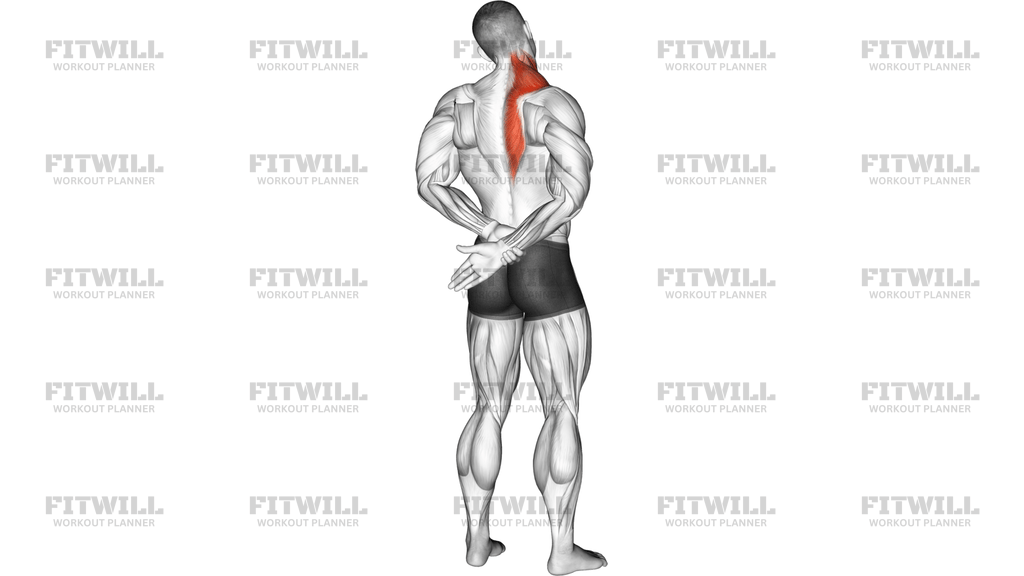
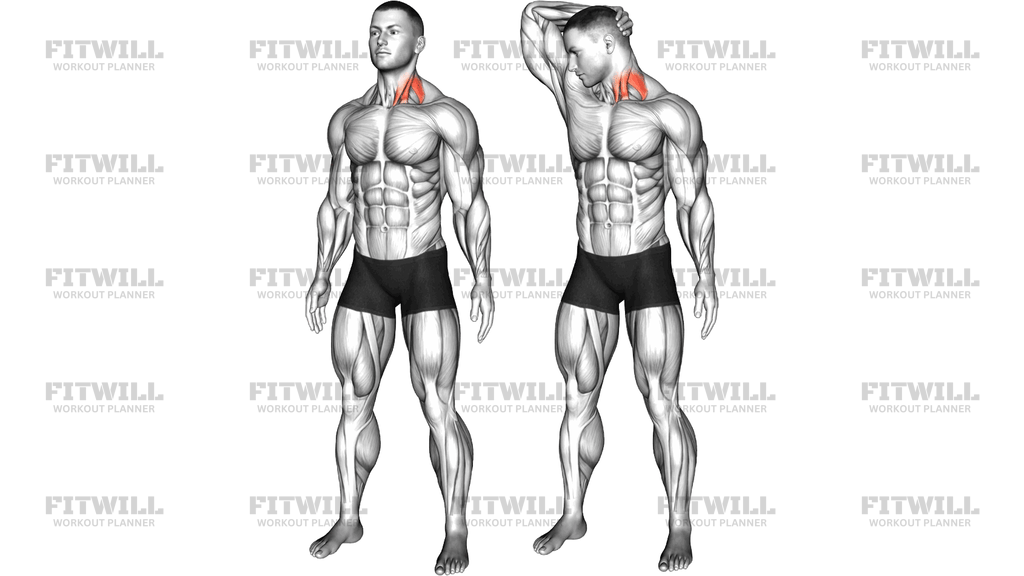
Forward Flexion Neck Stretch
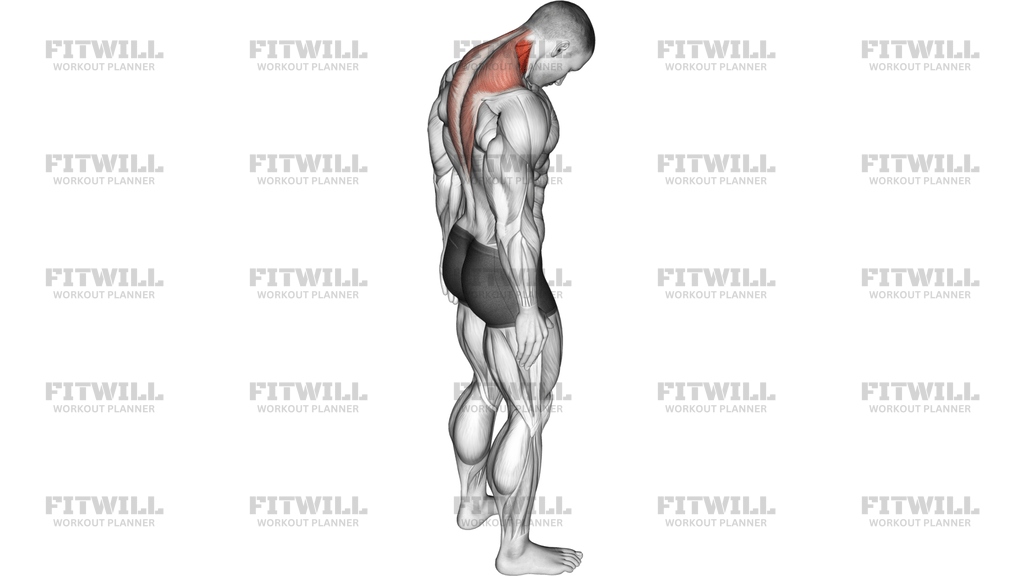
Forward Flexion Neck Stretch is a simple neck mobility drill performed from a tall seated or kneeling position on an exercise mat with body weight only. The movement asks you to gently bring the chin toward the chest so the back of the neck, the upper traps, and the tissues around the base of the skull can lengthen without the shoulders or upper back taking over.
Because the range is small, the setup matters more than force. Sit or kneel with the ribs stacked over the pelvis, the shoulders relaxed, and the crown of the head reaching tall before you begin. From there, let the chin glide forward and down in a smooth arc until you feel a mild stretch through the back of the neck. If you use your hands, they should only provide a light reminder, not a pull.
This stretch is useful after pressing, pulling, desk work, or any session that leaves the neck feeling compressed or guarded. It also works well as part of a warmup or recovery block when you want to improve neck comfort and reduce tension before training. The best rep is calm and repeatable, with no need to chase a bigger range by rounding the spine or forcing the head lower.
Keep the motion controlled and breathe out as the neck flexes. Stop at the first sign of sharp pain, pinching, tingling, dizziness, or jaw strain. A good set should feel like steady lengthening across the back of the neck and upper shoulders, followed by a slow return to neutral before the next repetition.
[ Workout Log & Planner ]
Put your next workout in Fitwill
Keep your plan and training log ready when you are.


Instructions
- Sit tall or kneel on an exercise mat with your hips stacked over your knees and your hands resting lightly on your thighs.
- Set your shoulders down, lift through the crown of your head, and keep your chest and ribs quiet before the neck moves.
- Gently tuck your chin as if making a soft double chin, then begin lowering the head toward the chest.
- Let the back of the neck lengthen while the upper back stays tall and the shoulders stay relaxed.
- If you place a hand on the back of your head, use only a light guiding pressure and never pull the neck down.
- Ease into the stretch until you feel a mild pull through the back of the neck, not pain or pinching.
- Breathe slowly while you hold the position, letting each exhale soften the stretch a little more.
- Return the head to neutral under control, reset your posture, and repeat for the next rep or hold.
Tips & Tricks
- Think chin tuck first, then nod forward; that keeps the stretch in the back of the neck instead of dumping the head.
- Keep the chest lifted so you do not round the upper back to fake more neck flexion.
- Use only enough hand pressure to remind yourself of the motion; pulling hard can irritate the cervical joints.
- Relax the jaw and tongue so you do not turn the stretch into a clench.
- Exhale as the head lowers to help the upper traps and suboccipitals let go.
- A small range is normal here; this stretch is about quality and comfort, not depth.
- If you feel symptoms into the arms, dizziness, or a sharp pinch, stop and return to neutral.
- For a gentler version, keep the chin only partially tucked and hold that position while breathing.
Frequently Asked Questions
What does Forward Flexion Neck Stretch target most?
It mainly stretches the back of the neck, especially the upper cervical extensors, suboccipitals, and upper trapezius area.
Do I need equipment for this stretch?
No. A mat is enough, and many people do it seated or kneeling with body weight only.
Should I pull my head down with my hands?
No. If you use your hands, apply very light pressure only and let the neck do the work.
What is the most common mistake with this stretch?
People usually round the upper back or yank the head forward instead of keeping the torso tall and the motion smooth.
Can I do this if I work at a desk all day?
Yes. It is often useful after long periods of looking down or sitting with the neck held forward.
What should the stretch feel like?
You should feel a mild lengthening across the back of the neck, not pain, pressure in the throat, or jaw tension.
When is the best time to use it?
It works well in a warmup, during recovery, or after pressing and pulling work when the neck feels tight.
What should I do if I feel dizziness or tingling?
Stop immediately and return to neutral. Those are not normal stretch sensations.