Extra Decline Sit-Up
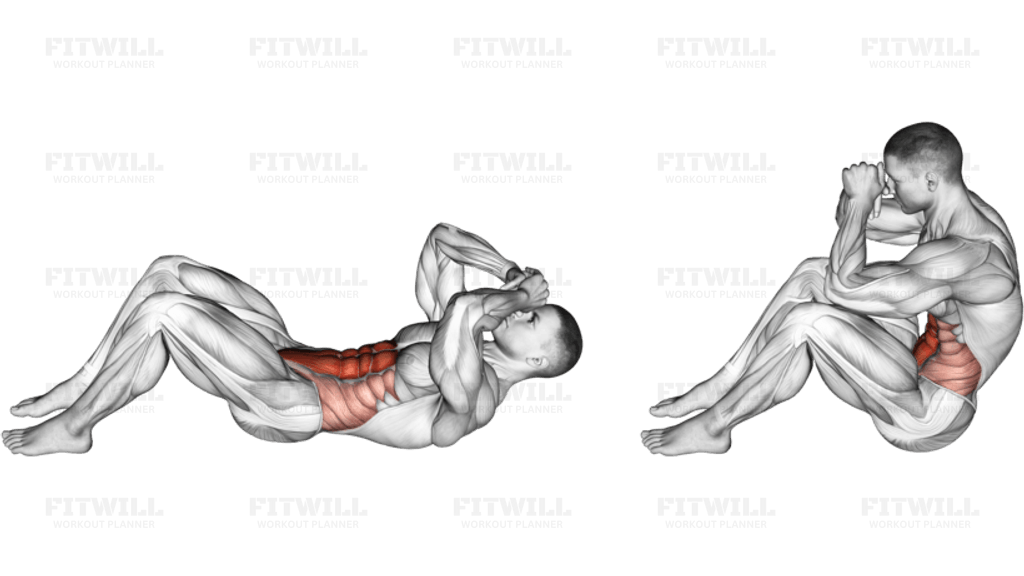
Extra Decline Sit-Up is a body-weight core exercise performed on a steep decline bench to make trunk flexion harder than a flat-floor sit-up. With the feet secured high on the bench and the torso starting below the hips, each rep asks the abs to lift the ribcage through a longer range while the hips and lower back stay organized.
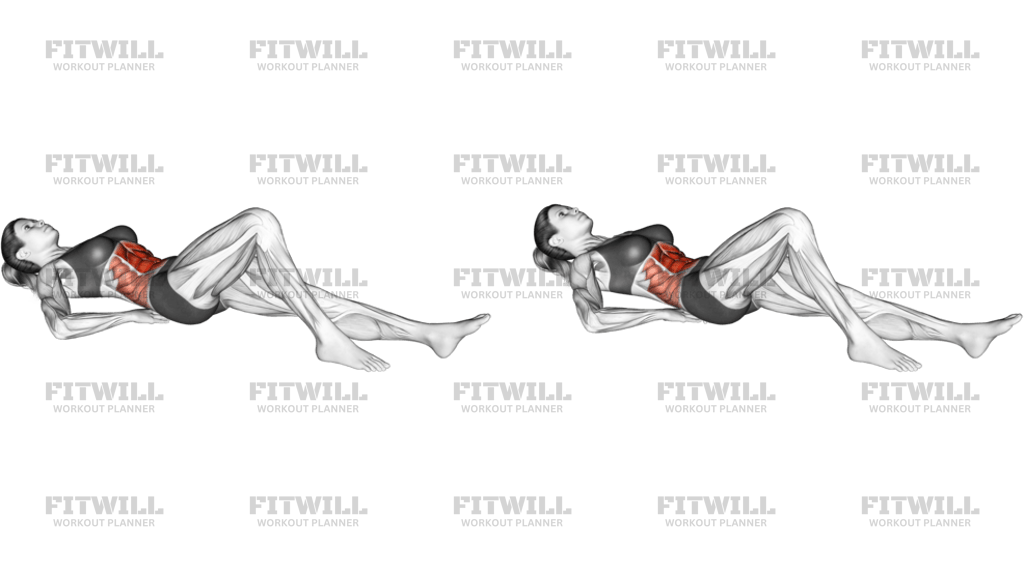
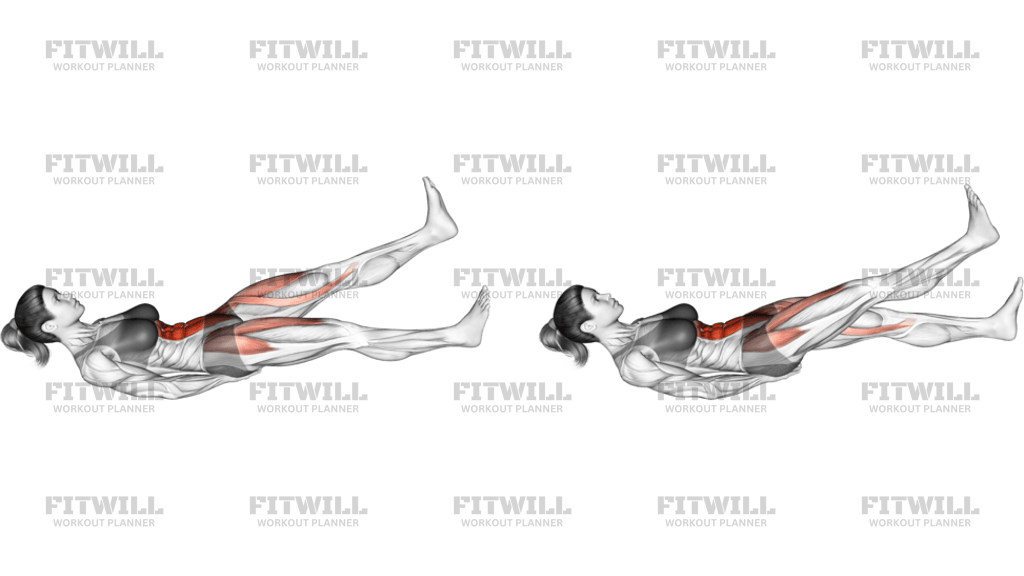
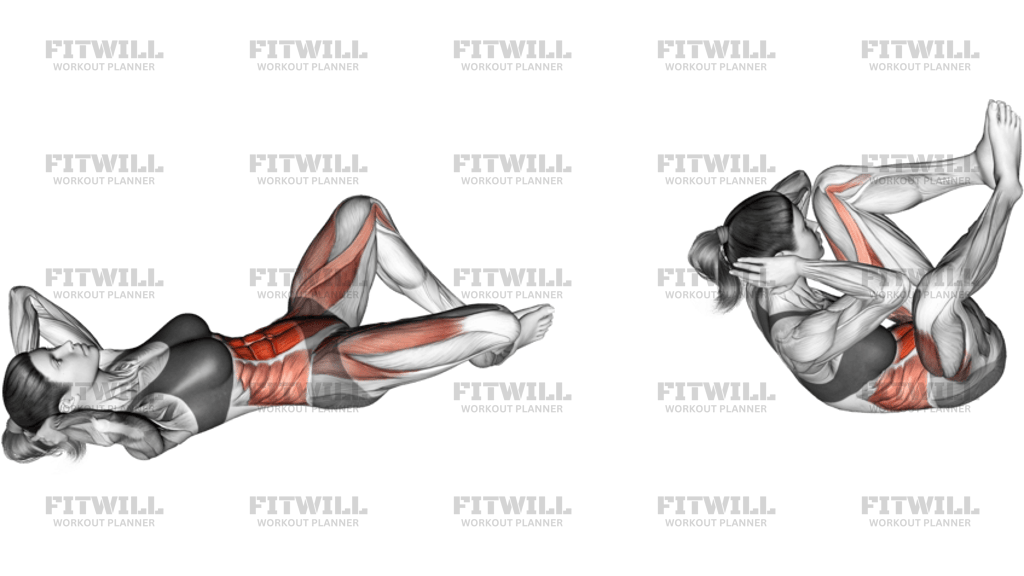
The steep angle is the point of the movement. It increases the lever arm and makes it easier to cheat with momentum, so the setup has to be exact. The ankles should be locked in, the pelvis should stay controlled on the bench, and the torso should begin in a long, stretched position instead of collapsed or twisted. When the setup is right, the exercise gives a clear challenge to the rectus abdominis, with the obliques and hip flexors helping stabilize and finish the curl.
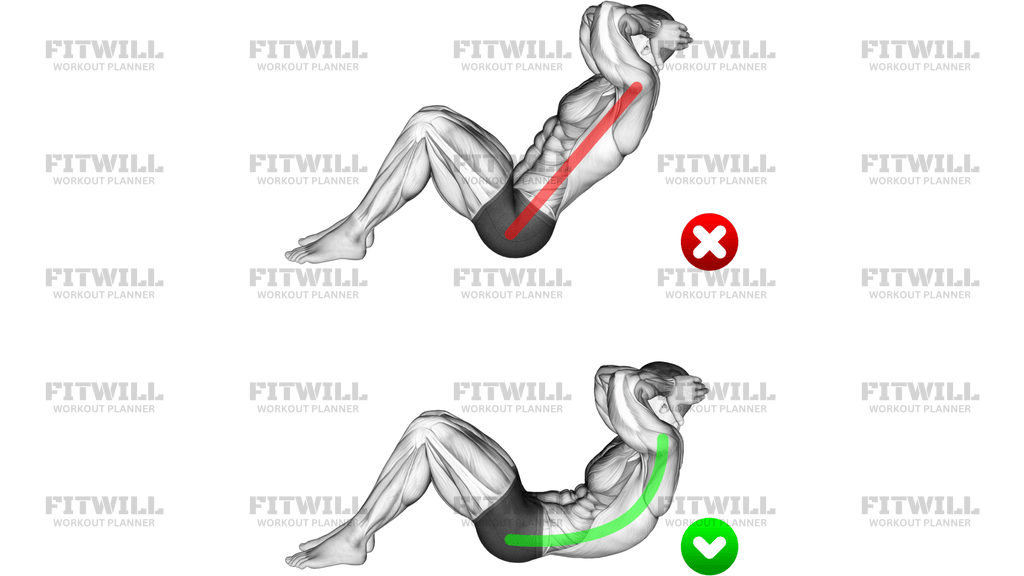
The best reps start by exhaling, drawing the ribs down, and curling the upper spine off the bench before the hips try to take over. Think about bringing the sternum toward the pelvis rather than flinging the torso upright. At the top, sit tall without yanking the neck forward or letting the lower back overarch. On the way down, lower slowly until the shoulder blades and upper back return to the bench with control, then reset the breath before the next rep.
This exercise fits well in core-strength sessions, accessory blocks, or bodybuilding-style workouts where strict trunk control matters more than speed. Because the bench is steep, the movement can feel intense even with body weight alone, so a smaller range of motion and fewer reps are often smarter than rushing through a long set. Keep the reps smooth, keep the chin relaxed, and stop if the low back starts taking over or the hip flexors begin to dominate the lift.
Use Extra Decline Sit-Up when you want a more demanding sit-up variation that still stays simple to set up and easy to scale. A slightly less steep bench, a shorter range, or a slower eccentric can make it more accessible; a steeper angle and a longer pause at the top can make it harder. The key is to keep the torso moving as one controlled unit instead of turning the exercise into a swing or a neck-driven crunch.
[ Workout Log & Planner ]
Put your next workout in Fitwill
Keep your plan and training log ready when you are.


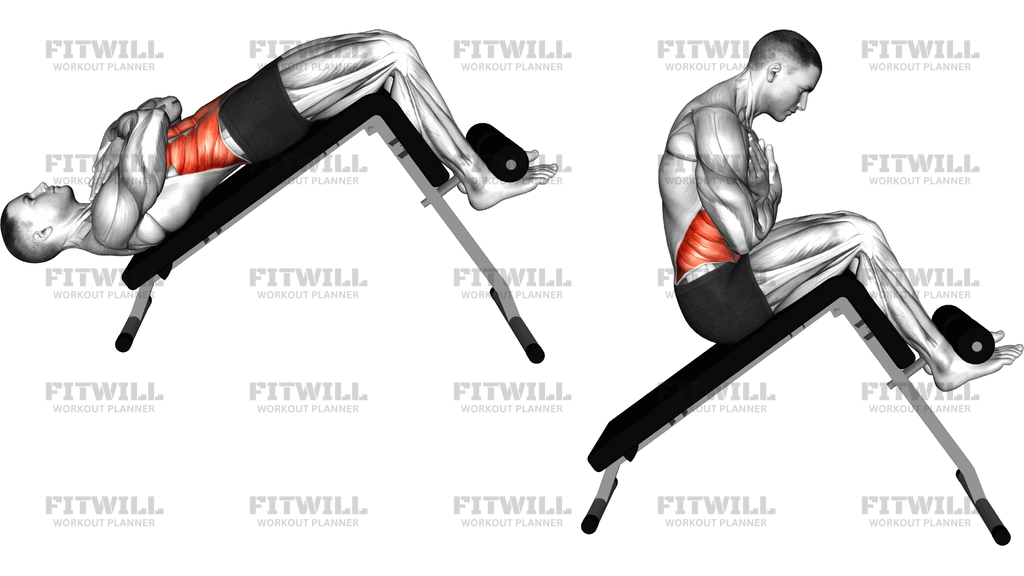
Instructions
- Set the decline bench to a steep angle, then lock your ankles firmly under the roller pads at the top.
- Lie back so your hips stay on the bench and your torso starts lower than your feet with your low back long and controlled.
- Place your hands across your chest or lightly at your temples without pulling on your neck.
- Take a breath in, then exhale and brace so your ribs stay down before you start the curl.
- Lift your shoulders and upper back off the bench by curling your ribcage toward your pelvis.
- Keep the motion smooth as you sit all the way up, finishing tall without jerking the torso forward.
- Pause briefly at the top, squeeze the abs, and keep the neck relaxed rather than leading with the chin.
- Lower slowly until your shoulder blades and upper back return to the bench, then reset for the next rep.
Tips & Tricks
- On an extra-steep bench, a shorter range is often better than forcing a full sit-up with momentum.
- Keep the ankle pads snug, but do not drive your legs into them so hard that the hip flexors take over.
- If you feel the neck working first, place your hands farther from the head and keep the chin gently tucked.
- Exhale as the ribs curl toward the pelvis; that helps the trunk flex without flaring the lower back.
- Lower for control instead of dropping back fast, because the eccentric phase is where this variation gets challenging.
- Stop the set when the lower back starts to arch hard or when the torso begins snapping off the bench.
- A pause at the top removes bounce and makes the abs do the work instead of the incline.
- If the bench angle is too aggressive, move to a milder decline before adding more reps.
Frequently Asked Questions
What muscle does Extra Decline Sit-Up target most?
The rectus abdominis does most of the work, with the obliques and hip flexors helping stabilize the movement.
Can beginners perform this exercise?
Yes, but a steep decline can be demanding, so beginners should start with a smaller range or a less aggressive bench angle.
Where should my feet be on the decline bench?
Secure your ankles under the roller pads at the top of the bench so your legs stay fixed without sliding.
What is a common mistake on this variation?
The biggest mistake is using momentum from the hips or neck instead of curling the torso under control.
Should I keep my hands behind my head?
You can, but only if you avoid pulling on the neck; crossing the arms over the chest is often safer on a steep decline.
How low should I lower on each rep?
Lower until your shoulder blades and upper back return to the bench, then stop before the motion turns into a bounce.
Why is the extra decline angle harder than a normal sit-up?
The steeper angle lengthens the lever and makes the abs work harder to lift the torso without letting momentum take over.
How can I make this exercise easier or harder?
Use a less steep bench, shorten the range, or slow the lowering phase to make it easier; use a steeper setup or a brief top pause to make it harder.