Hip Abduction With Flexion In Front Stretch
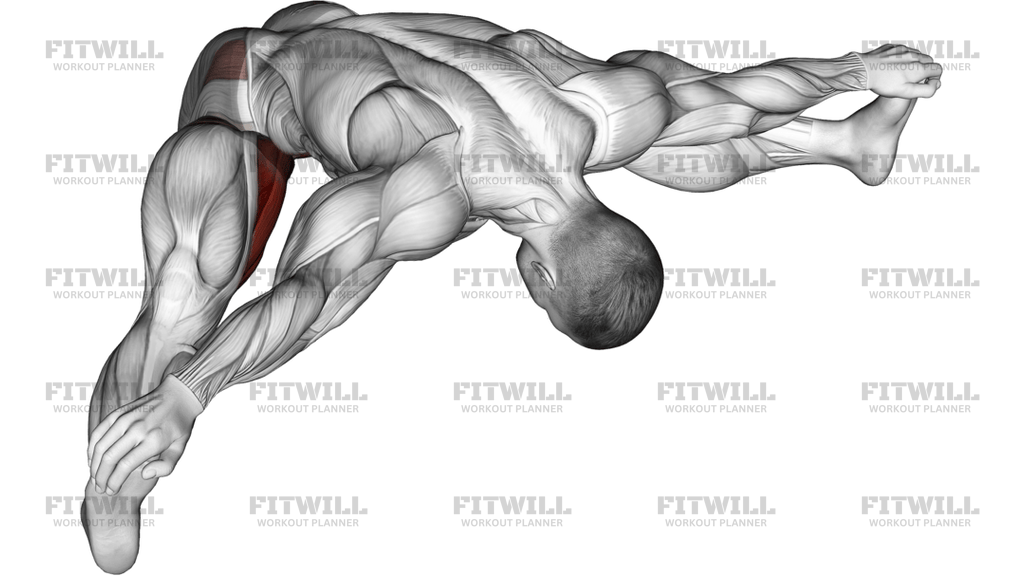
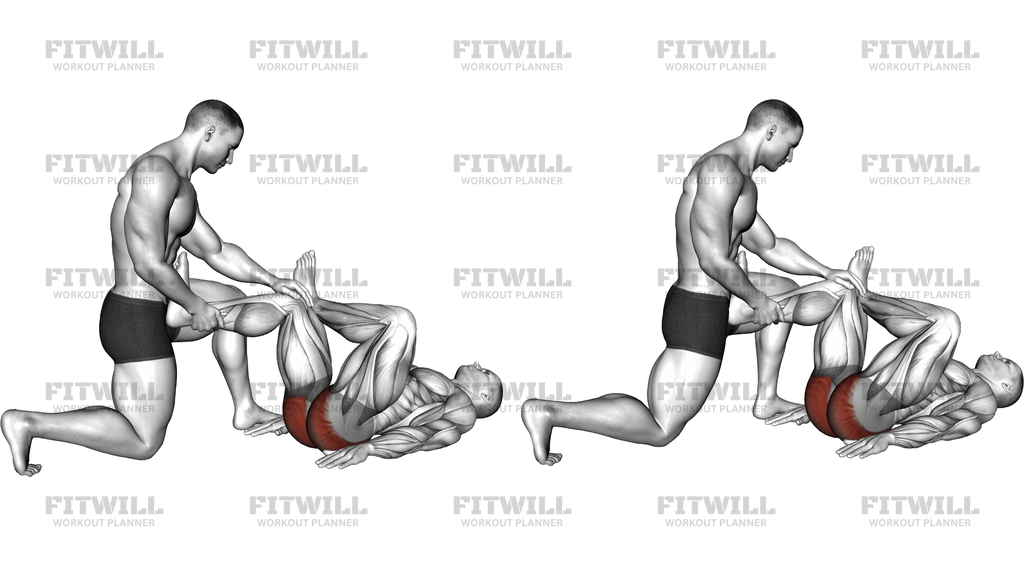
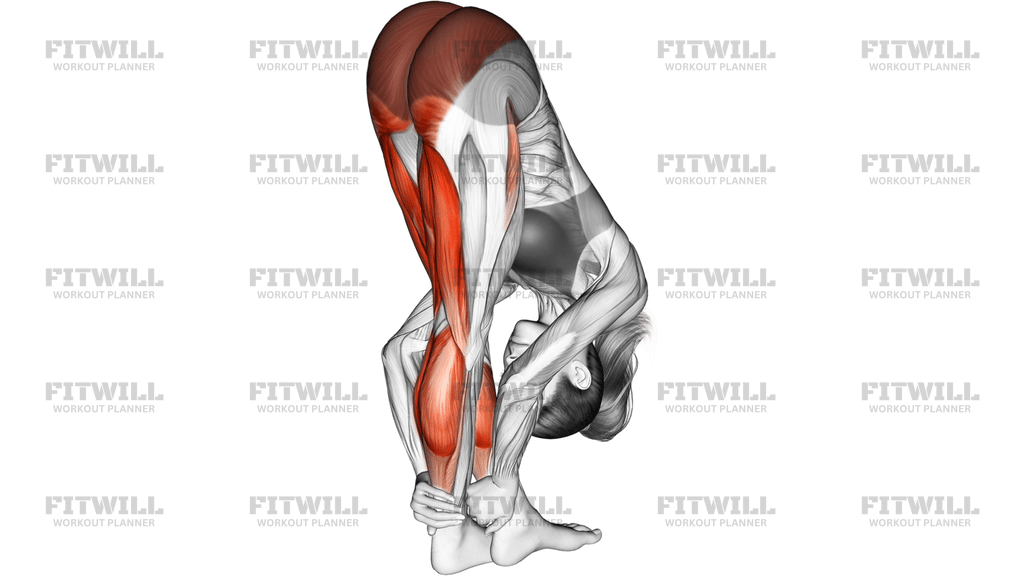
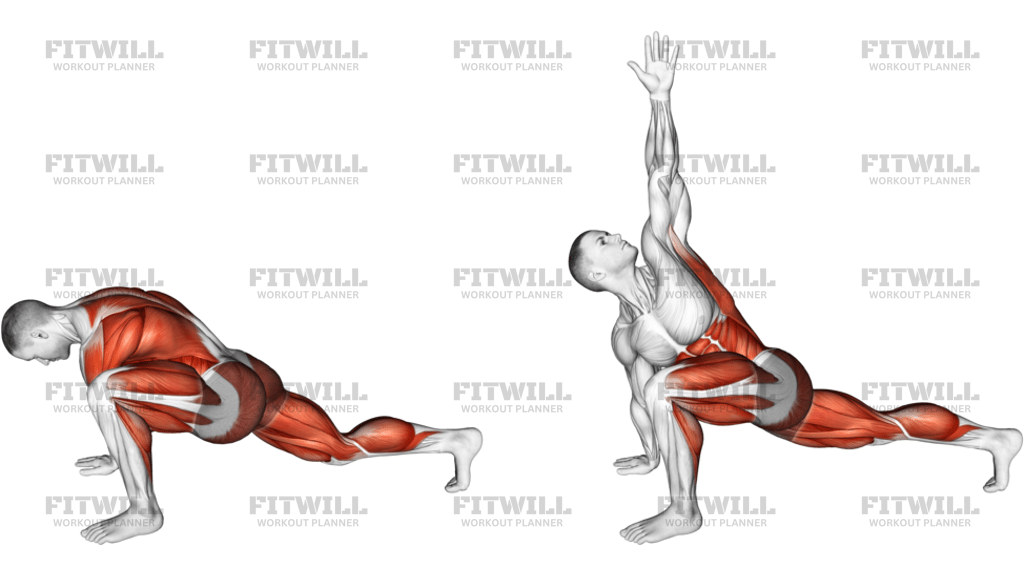
Hip Abduction With Flexion In Front Stretch is a body-weight mobility drill for the hips that uses an exercise mat and controlled position changes to open the outer hip, glute, and groin line. The exercise combines hip flexion with an abducted front-leg position, so the stretch is not just about reaching lower. It is about finding a clean line from the pelvis through the working leg and holding it with enough control that you can breathe and reset without losing shape.
The setup matters because this stretch changes as soon as the pelvis twists or the torso collapses. Set the working leg in front and slightly away from the midline, then use your hands for support before you fold forward. Keep the stance long enough to feel tension in the outer hip, but not so wide that the stretch turns into a balance fight. If the low back or front of the hip starts to complain, shorten the range and re-square the pelvis before going deeper.
Use the position as a slow, deliberate mobility hold rather than a bounce or a forced end-range drill. Hinge from the hips, breathe out as you lower, and let the chest move toward the thigh instead of rounding aggressively through the spine. The goal is a steady stretch through the front-side hip and surrounding tissues while the trunk stays organized and the shoulders stay relaxed. Small changes in foot angle, hip height, and hand support are more useful here than forcing a bigger reach.
This exercise is useful before squats, lunges, running, or any session where the hips need more freedom without sacrificing control. It can also work well in a recovery block when the outer hip feels tight from sitting, sprinting, or side-to-side training. Beginners can use it safely as long as they keep the range modest and move out of any pinching sensation. If the stretch is too intense, back out a few inches and let the position settle again.
The best version of this stretch feels long, calm, and repeatable. You should be able to hold the position, take a few deep breaths, and come back out of it smoothly without grabbing or jerking at the joint. If one side is tighter, spend a little longer there, but keep the same setup on both sides so the difference you feel is real and not just a change in posture.
[ Workout Log & Planner ]
Put your next workout in Fitwill
Keep your plan and training log ready when you are.


Instructions
- Start on a mat in a supported split or staggered stance, with the working leg in front and slightly out to the side and your hands ready to support your balance.
- Square your hips toward the floor before you fold so the stretch stays in the outer hip instead of turning into a twist.
- Keep the front knee straight or only softly bent, depending on which version lets you stay long through the working side.
- Exhale and hinge at the hips, bringing your chest toward the front thigh instead of collapsing through your lower back.
- Let the front leg travel a little farther into abduction only as long as both hips stay level and the stretch feels controlled.
- Pause in the end position for a few calm breaths and relax the shoulders, jaw, and non-working leg.
- If you want more range, walk the hands slightly farther forward or lower the torso a little at a time without bouncing.
- Come back up slowly, reset the pelvis, and repeat on the other side with the same setup.
Tips & Tricks
- Keep the pelvis pointed mostly forward; if it opens too much, the outer-hip stretch gets weaker and the low back does more work.
- A small bend in the front knee is fine if a straight leg pulls too hard on the hamstrings or front of the hip.
- Use your hands, forearms, or a block for support so the stretch stays smooth instead of turning into a balance drill.
- Aim for a long exhale at the bottom of each hold; that usually lets the outer hip settle without forcing the range.
- If you feel a pinching sensation in the front of the hip, reduce the width of the stance and shorten the fold.
- Keep the chest moving from the hip hinge, not by rounding the upper back to reach the floor.
- Match the setup on both sides so you are comparing hip mobility, not different foot angles or torso positions.
- Do not bounce into the end range; let the tissues soften over a few calm breaths instead.
Frequently Asked Questions
What does Hip Abduction With Flexion In Front Stretch work the most?
It mainly stretches the outer hip and glute on the working side, with the groin and trunk stabilizers helping hold the position.
Is this stretch beginner-friendly?
Yes, as long as the stance is modest and you use your hands for support instead of forcing a deep fold.
Where should I feel the stretch?
You should feel it mainly in the outer hip, upper glute, or side of the front leg, not as a sharp pinch in the front of the joint.
What is the biggest mistake with this position?
Letting the pelvis twist open or rounding the low back usually shifts the stretch away from the target hip and makes the movement less controlled.
Can I bend the front knee?
Yes, a soft bend is fine if it helps you keep the hips square and reduces unwanted tension in the hamstrings.
How long should I hold it?
Hold long enough for a few slow breaths, usually around 20 to 40 seconds, then come out smoothly before repeating.
When is this stretch useful?
It works well before squats, lunges, running, or any session where the hips need more mobility without losing control.
What should I do if I feel a pinch in the front of the hip?
Back out of the range, narrow the stance, and keep the torso a little higher so the stretch stays in the soft tissue instead of the joint.