Lying Leg Tuck Hip Stretch
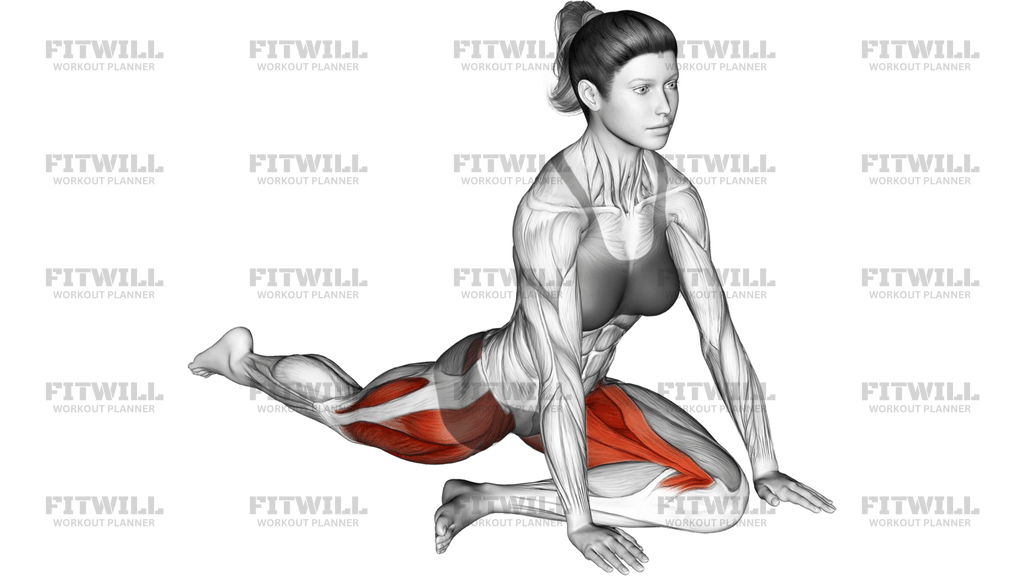
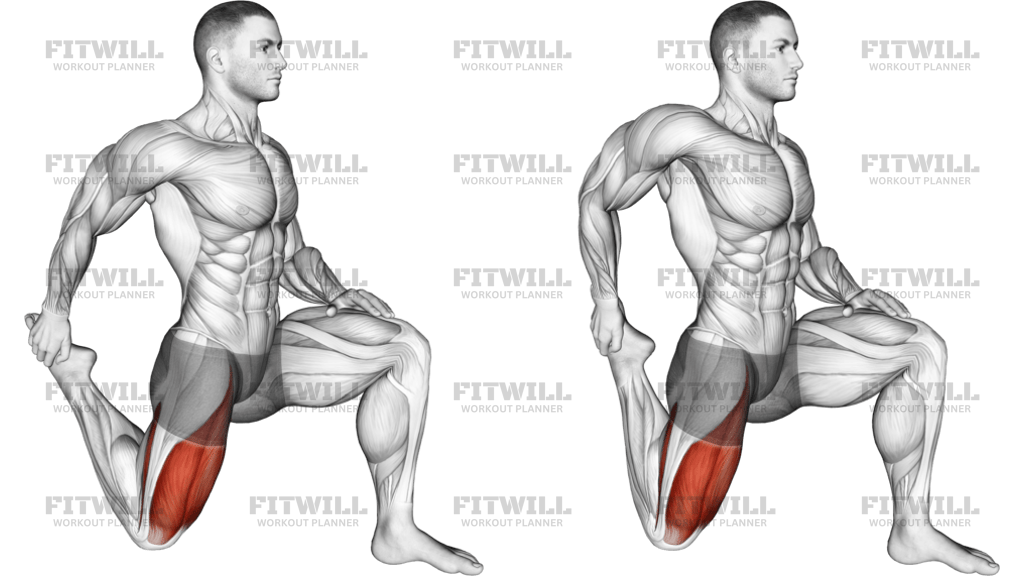
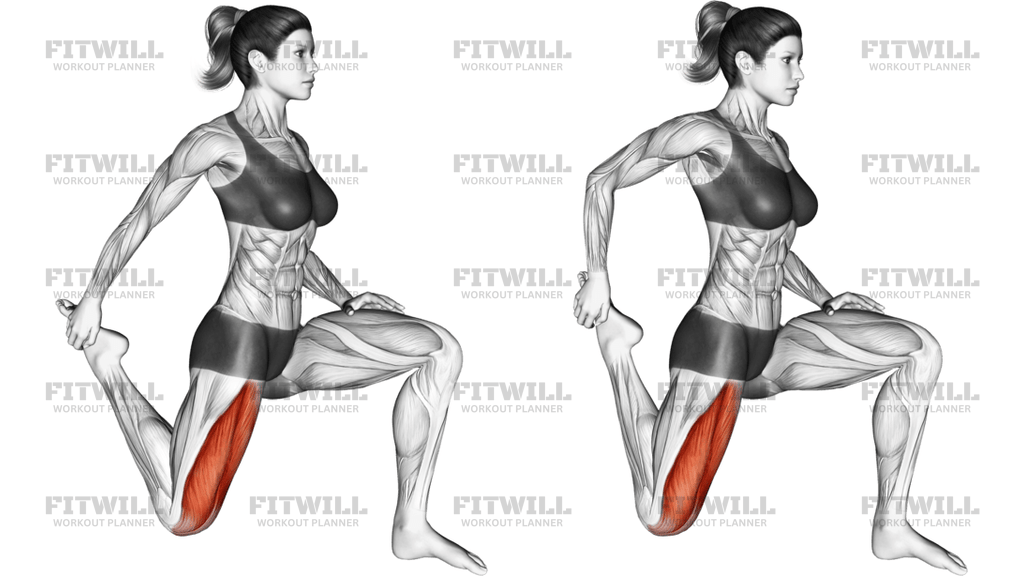
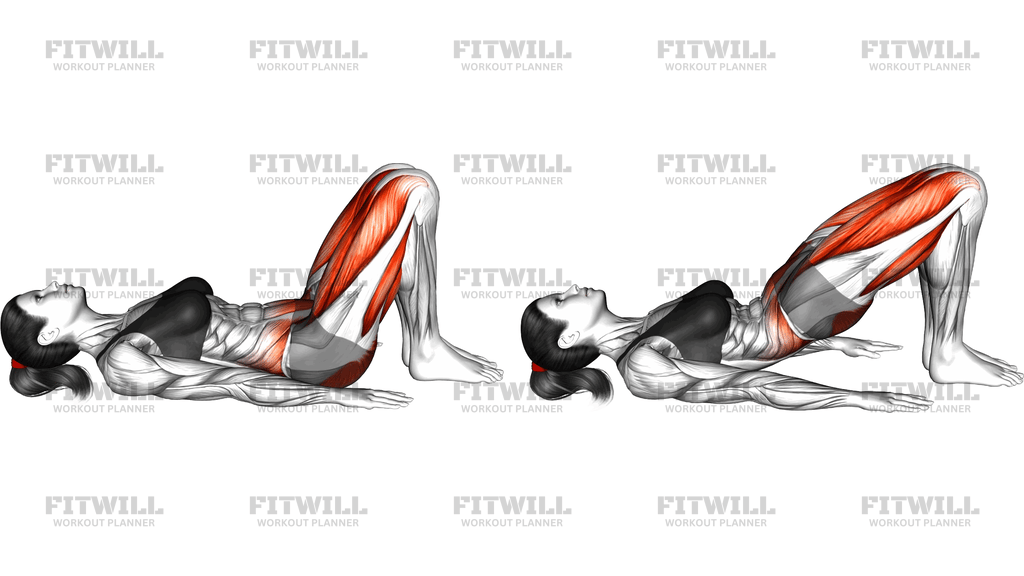
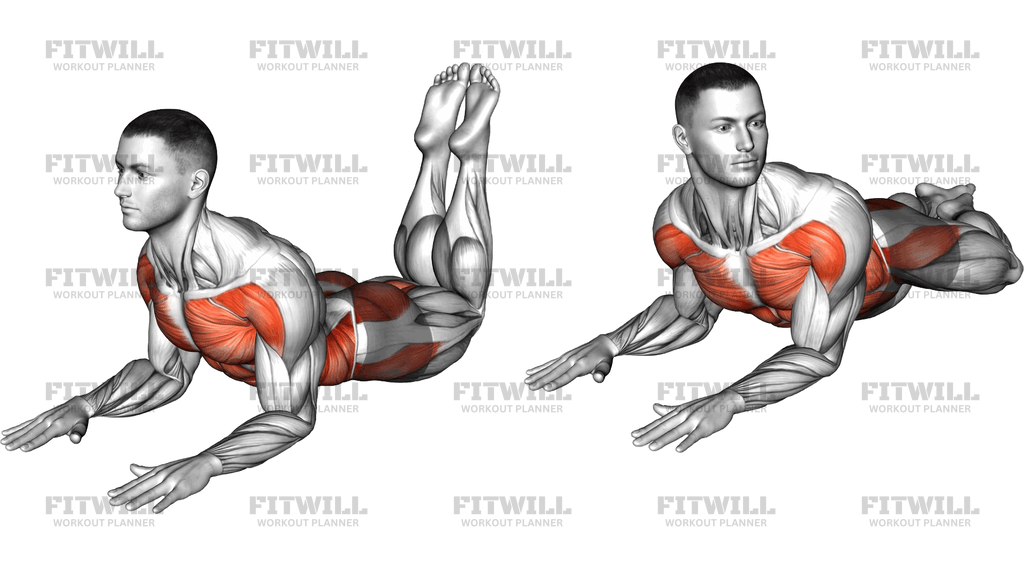
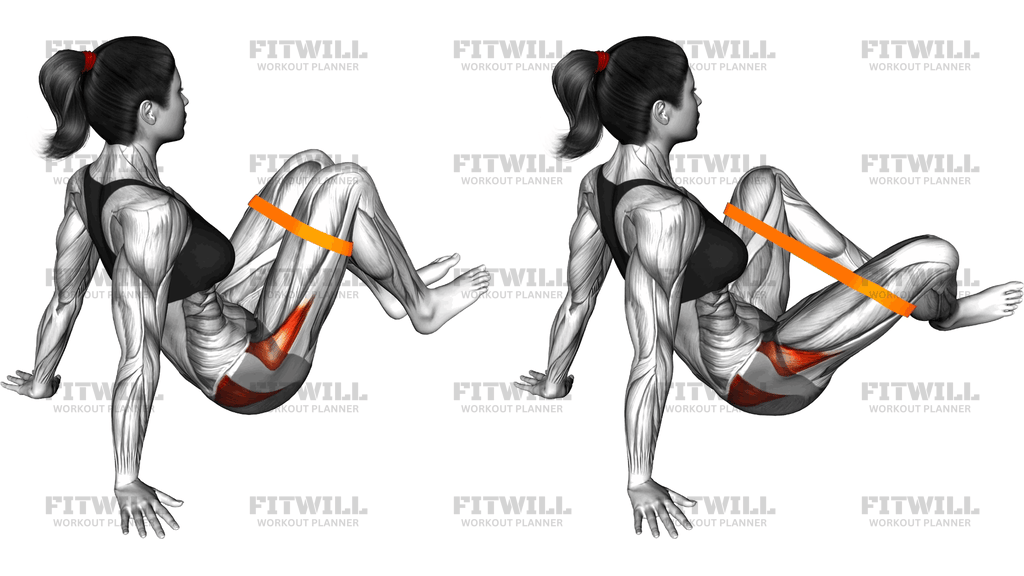
Lying Leg Tuck Hip Stretch is a floor-based hip opener performed on a mat with one leg folded under and across the body while the other leg stays extended behind you for support. Your hands stay on the floor so you can control how much bodyweight settles into the stretch. That support makes it easy to adjust the depth without forcing the hip or knee.
The stretch is aimed at the tucked-leg side, where it usually opens the glute, deep hip rotators, and outer hip capsule. Depending on your angle and how upright you stay, you may also feel length through the front of the hip and thigh on the extended side. The image matters here because the exact benefit comes from the bent-leg position, the long back leg, and the way the torso is supported.
The best position is the one that lets you keep the spine long and the pelvis as square as your mobility allows. If you sink too far or twist open, the stretch shifts away from the hip and into the low back or knee. Slow breathing helps the pelvis settle, but the movement should still feel controlled and calm rather than forced.
Use this stretch when the hips feel stiff after squats, lunges, running, or long periods of sitting. It works well in a warm-up, mobility block, or cool-down because you can change the intensity instantly by walking the hands forward, staying more upright, or bringing the tucked leg closer in. The goal is a clean side-to-side hip opening, not the deepest possible position.
[ Workout Log & Planner ]
Put your next workout in Fitwill
Keep your plan and training log ready when you are.


Instructions
- Place a mat on the floor and set one leg in front of you with the shin angled across your body while the other leg extends straight back.
- Put both hands on the floor beside your hips, then lengthen your spine and lift your chest so you are not collapsing into the front leg.
- Square your hips as much as your mobility allows before you begin sinking into the stretch.
- Keep the tucked knee, shin, and foot relaxed while the back leg stays long and quiet behind you.
- Exhale and let your hips settle down a little farther, using your hands to support as much bodyweight as needed.
- Hold the position and breathe slowly into the outer hip and glute of the tucked-leg side.
- If the stretch feels too sharp, walk your hands forward, stay more upright, or bring the front leg slightly closer to your body.
- Press through your hands to come out of the position, reset the legs, and repeat on the other side.
Tips & Tricks
- Keep the front knee in a pain-free line; the stretch should be in the hip and glute, not the knee joint.
- A taller torso makes the stretch easier and is usually the best starting point for tight hips.
- Do not force the front shin flatter against the floor; the hip opening matters more than the visual shape.
- Keep the back leg long so the stretch stays focused on the tucked side instead of turning into a low-back twist.
- Use a slow exhale before each small increase in depth; holding your breath usually makes the hip guard.
- If the floor is hard on your knee or ankle, place a folded towel under the front leg for comfort.
- Stop short of any pinching in the front of the hip and reduce the angle before you push deeper.
- This is a good post-workout stretch after squats, lunges, running, or long sitting periods.
Frequently Asked Questions
What does Lying Leg Tuck Hip Stretch work most?
It mainly targets the glute, deep hip rotators, and outer hip on the tucked-leg side.
Should I feel this stretch in my knee?
No, the sensation should stay in the hip and glute. If the knee feels pressure, reduce the angle and stay more upright.
How do I make the stretch easier?
Keep more weight in your hands, lift your chest higher, and move the tucked leg a little closer to your body.
Why does one side feel tighter than the other?
Hip rotation and pelvic position are rarely symmetrical, so one side often opens sooner or feels more restricted.
Can I do this stretch before a workout?
Yes, but keep the hold short and controlled so you open the hips without relaxing so much that you lose stability.
What if my hips do not get close to the floor?
That is normal. Use the hands to support yourself and work within the range you can hold without twisting.
What is the most common form mistake?
The biggest issue is collapsing into one hip or twisting open instead of keeping the stretch even and controlled.
How long should I hold each side?
A 20 to 45 second hold works well for most mobility sessions, or you can use shorter holds in a warm-up circuit.