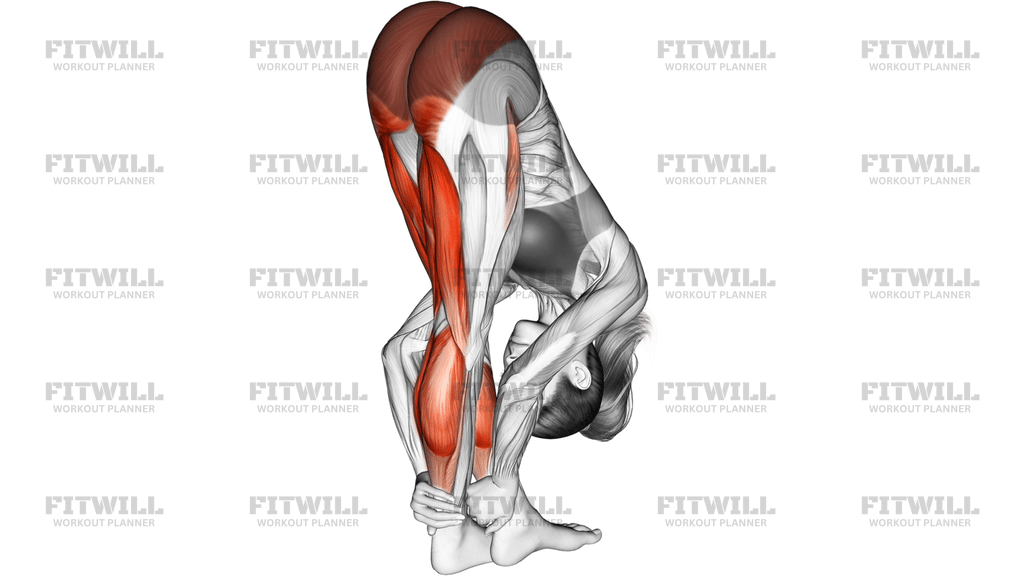
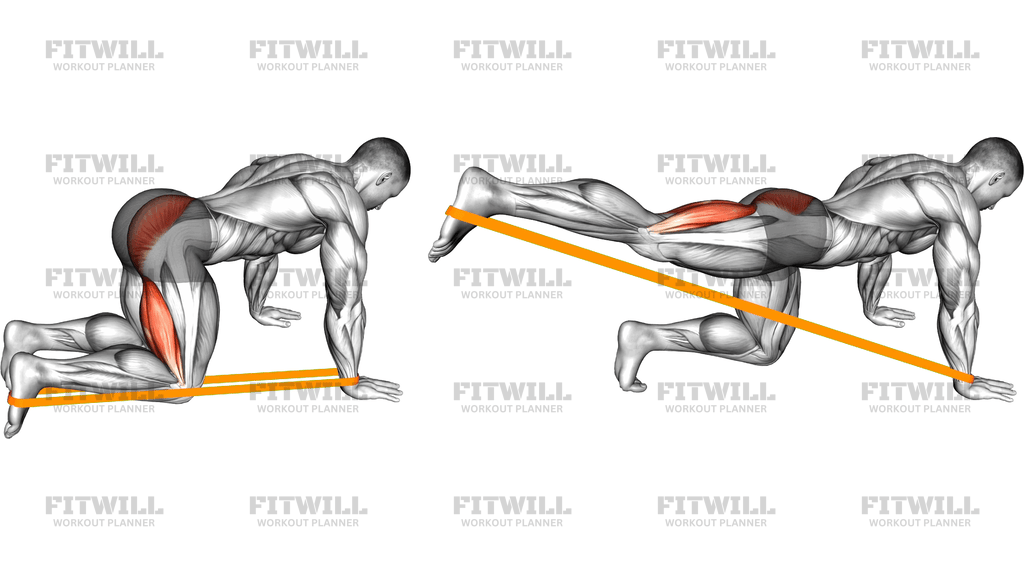
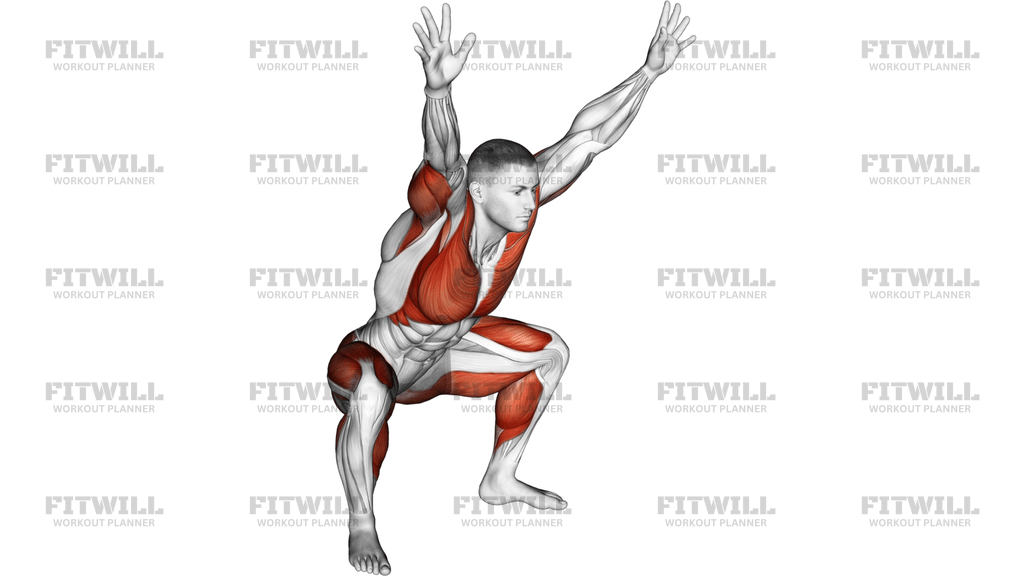
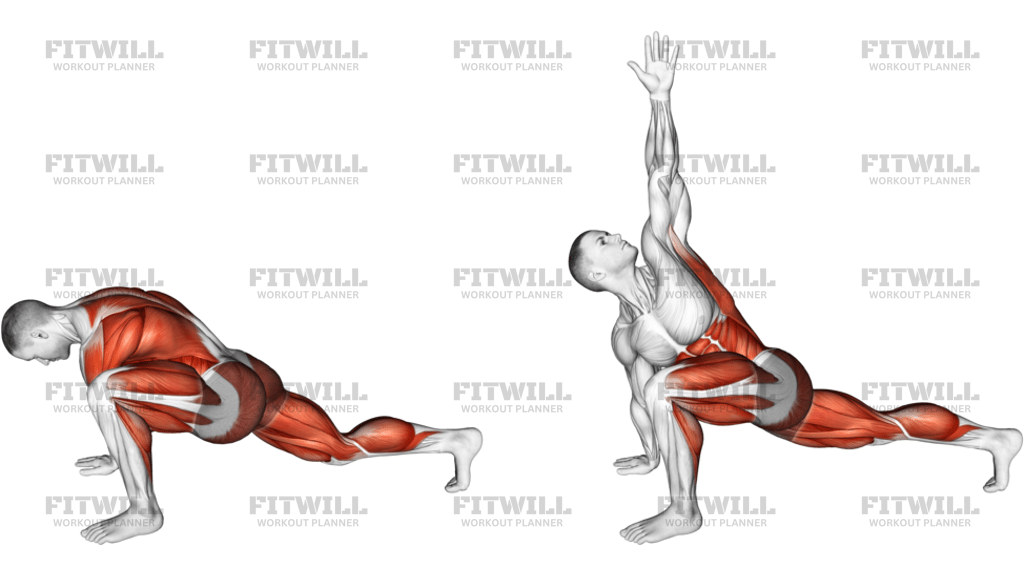
Sitting Rotational Hip Stretch
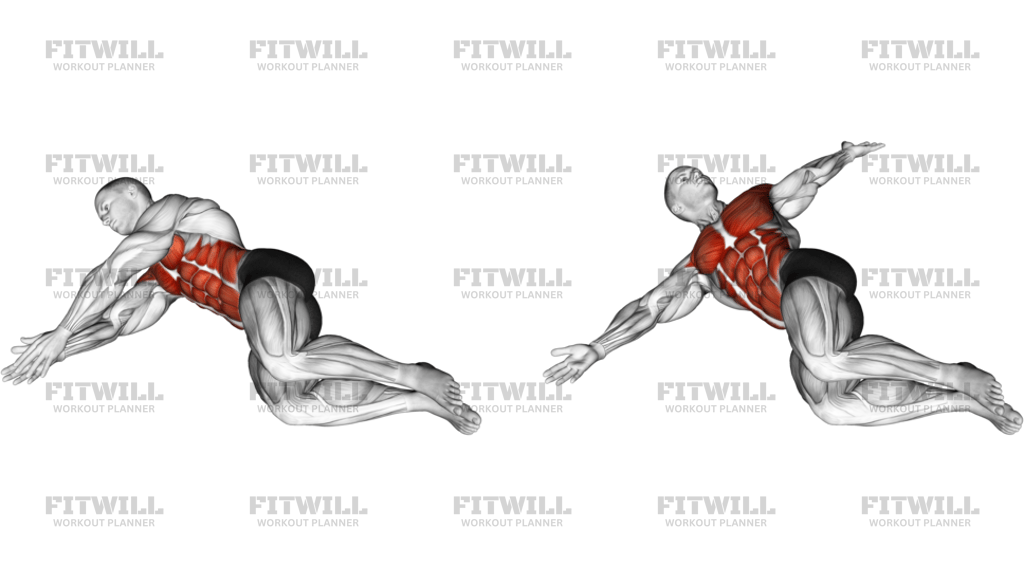
Sitting Rotational Hip Stretch is a seated 90/90 hip mobility drill done on an exercise mat with body weight. It is used to open the hips through internal and external rotation while keeping the torso organized, so you can move the pelvis cleanly instead of twisting through the lower back. Because the position asks one hip to stay folded in front while the other rotates behind, it is especially useful when your hips feel stiff in squats, lunges, running, kicking, or any workout that needs easier rotational freedom.
The movement is small but specific. One leg stays folded in front and the other sits behind you at a matching angle, creating the rotational stretch around the hips and glutes that the name suggests. When this setup is done well, the stretch lands in the outer hip, deep glutes, and surrounding rotators instead of being dumped into the knees or lumbar spine. That is why the starting position matters so much: if the pelvis is slumped or the knees are forced into position, the stretch loses quality fast.
A good rep starts with a tall spine, both hands ready for support, and even pressure through the floor. From there, rotate the thighs and pelvis together with a slow hinge or turn, then settle into the end range without collapsing forward. The goal is not to force a bigger angle; it is to keep both hips honest and to breathe into the position long enough for the muscles around the joint to relax. If the front knee lifts or the back hip pinches, reduce the range and use your hands to unload the position.
Sitting Rotational Hip Stretch works well as part of a warm-up, recovery block, or mobility circuit before lower-body training. It can also be paired with glute work or squat prep when one side feels tighter than the other. People who spend a lot of time sitting often notice that the 90/90 position exposes side-to-side asymmetry, which makes it a useful check-in for hip control as well as flexibility.
The safest version is the one you can keep smooth and repeatable. Move with control, pause briefly when the stretch is strongest, then reset without bouncing or yanking the knee. If the stretch feels sharp in the knee or like a pinch at the front of the hip, back off and shorten the range until the pressure stays in the muscles around the joint. Consistent, calm reps will usually improve this position faster than trying to push farther on every rep.
[ Workout Log & Planner ]
Put your next workout in Fitwill
Keep your plan and training log ready when you are.


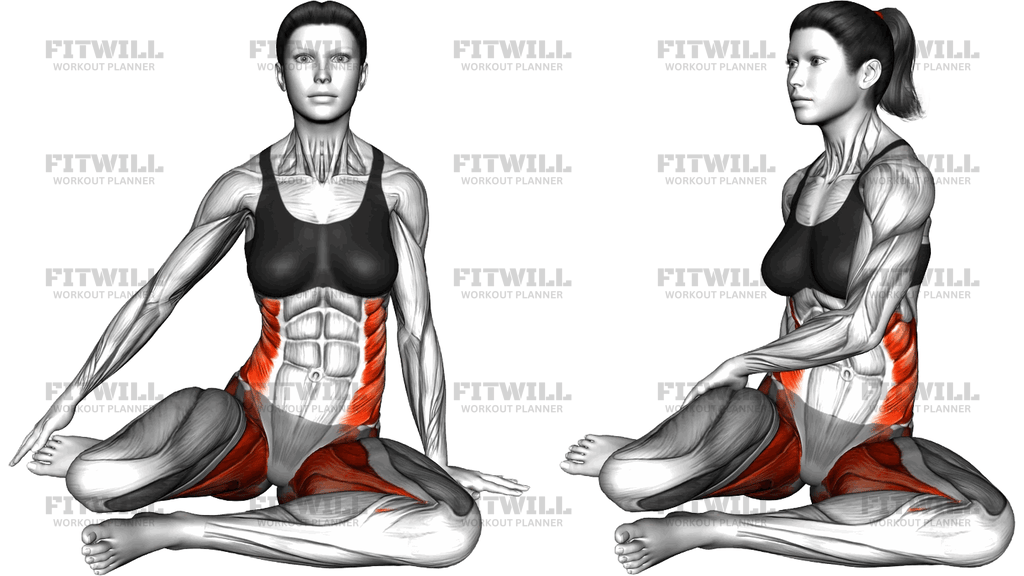
Instructions
- Sit on the mat in a 90/90 position with one shin in front of you and the other leg folded behind you, making sure both knees are bent and supported.
- Plant your hands on the floor beside your hips and sit tall through the crown of your head before you move.
- Set the front ankle and back leg so the knees are not being forced inward or outward, and let the pelvis settle evenly on the floor.
- Exhale and rotate your torso and hips toward the front leg, hinging from the hips instead of rounding your lower back.
- Pause in the deepest comfortable part of the stretch and keep the chest long as you breathe into the hip.
- If you are moving dynamically, sweep the knees and pelvis through center and rotate to the opposite 90/90 side with the same slow control.
- Keep the hands close enough to unload the hips whenever the stretch becomes too intense or the knees start to lift.
- Return to the starting side without bouncing, then repeat the same quality of rotation on both sides.
Tips & Tricks
- Use your hands on the floor to keep the hips honest; do not force the torso to stay upright if the pelvis starts to tip.
- Keep the front foot flexed so the front shin stays active and the knee feels supported.
- If the front knee aches, narrow the angle slightly instead of pushing deeper into the 90/90 position.
- Think about rotating the pelvis with the torso, not just dropping the chest toward the floor.
- A long exhale usually lets the outer hip settle more than trying to muscle the stretch.
- Do not let the back leg drag you into a side bend; keep both sit bones as grounded as your mobility allows.
- Short, repeated pauses work better than bouncing into the end range.
- If one side feels much tighter, give that side a little more time instead of forcing extra range.
Frequently Asked Questions
What does Sitting Rotational Hip Stretch work?
It mainly targets the hips, glutes, and deep rotators, with the core helping you keep the pelvis steady as you move.
What should the 90/90 setup look like?
One shin should sit in front of you and the other leg should fold behind you, with both knees bent and the torso stacked over the hips as much as your mobility allows.
Should I stay upright or fold forward in Sitting Rotational Hip Stretch?
Start upright to organize the pelvis, then hinge forward only as far as you can keep the stretch in the hips instead of rounding through the lower back.
Why does my front knee feel uncomfortable in this stretch?
Usually the front leg angle is too aggressive or the knee is being twisted instead of the hip rotating. Reduce the range and support yourself with your hands.
Is Sitting Rotational Hip Stretch good before squats or lunges?
Yes. It is a useful warm-up drill when your hips feel locked up and you want smoother rotation before lower-body training.
Can beginners do Sitting Rotational Hip Stretch?
Yes. Beginners should keep both hands on the floor and work a smaller range until the 90/90 position feels controlled.
How long should I hold each side?
A good starting point is 20 to 40 seconds per side, or a few slow transitions if you are using it as a dynamic mobility drill.
What is the most common mistake with the sitting rotational hip position?
Forcing the knees into the floor while the pelvis and lower back do all the work. The stretch should stay in the hips, not feel like a joint jam.