Reverse Shoulder Stretch
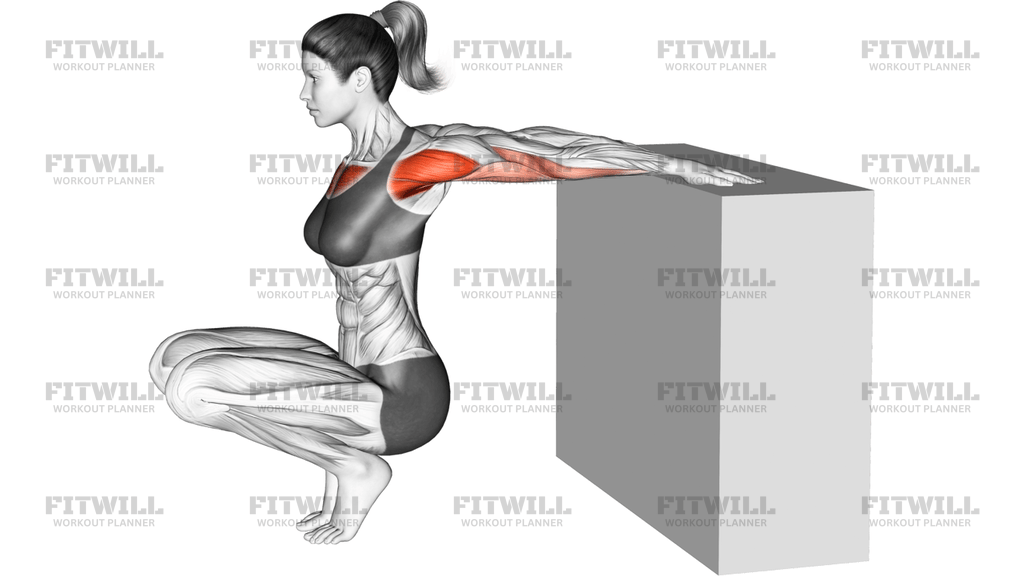
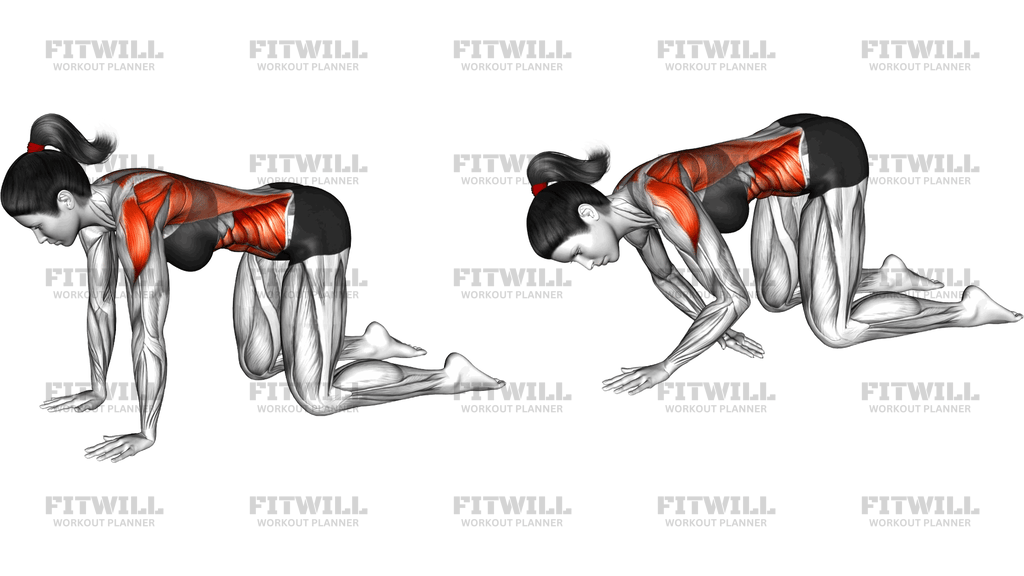
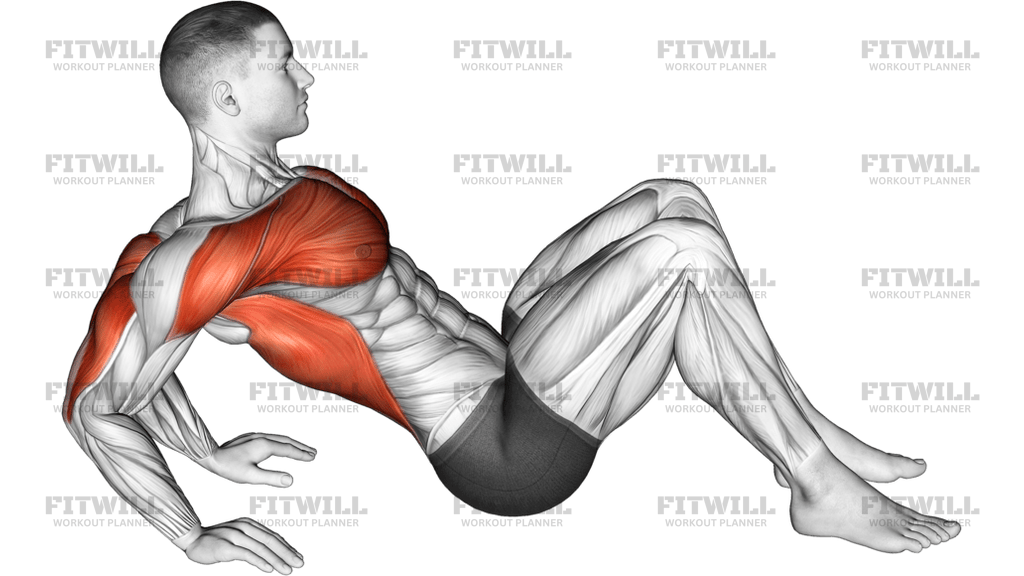
Reverse Shoulder Stretch is a kneeling shoulder-opening stretch done with one hand supported behind you on a bench, box, or similar raised surface while the other side stays stacked and tall. The position combines a gentle shoulder extension with chest opening, so it is useful when the front of the shoulder feels tight after pressing, desk work, climbing, or any session that leaves the arms rounded forward.
The stretch is mainly felt across the front of the shoulder and chest on the supported side, with the upper back and arm helping you stay organized. In practical terms, the long lever through the arm makes small posture changes matter a lot: if the ribs flare or the shoulder shrugs, the stretch shifts away from the target area and turns into a compensatory backbend. Keeping the sternum lifted without arching hard is what makes the movement effective.
A good repetition begins by setting the support at about shoulder height and placing the hand flat with the arm extended behind the body. From there, you sink the hips, keep the neck long, and let the chest drift forward only until you feel a strong but tolerable stretch across the front of the shoulder and upper chest. The movement should look calm and controlled, not like you are forcing the arm deeper into range.
Because this is a mobility exercise, the goal is not to chase maximum depth. The best version is the one that lets you breathe steadily, keep both shoulders level, and avoid pinching at the front of the joint. If the wrist, elbow, or shoulder feels strained, shorten the leverage by lowering the support or reducing how far behind the torso the hand reaches.
Reverse Shoulder Stretch is commonly used as a warm-up drill, a cooldown mobility hold, or a corrective accessory for people who need more shoulder extension and anterior shoulder comfort. It works best when the setup is precise and the end position is held with relaxed control. Done well, it restores space at the front of the shoulder without turning the stretch into an aggressive backbend or a shrugging pattern.
Fitwill
Log Workouts, Track Progress & Build Strength.
Achieve more with Fitwill: explore over 9600 exercises with images and videos, access built-in and custom workouts, perfect for both gym and home sessions, and see real results.
Start your journey. Download today!




Instructions
- Place a bench, box, or sturdy surface behind you and kneel on the floor with one side facing the support.
- Set the hand of the stretched side flat on top of the surface with the arm reaching back behind the torso.
- Keep the elbow straight or only softly bent, then square the shoulders before you sink into the position.
- Draw the ribs down and lengthen the neck so you do not arch the lower back to fake more range.
- Shift the hips forward and slightly down until you feel a stretch across the front of the shoulder and chest.
- Keep the supporting side stable on the floor and avoid letting the shoulder shrug toward the ear.
- Hold the stretch while breathing slowly through the nose and expanding the upper back between breaths.
- Back out a few inches if you feel pinching in the shoulder, wrist strain, or numbness in the arm.
- Return to the start under control, then switch sides and repeat with the same setup.
Tips & Tricks
- A higher support surface usually makes the stretch easier on the shoulder; lower the hand only after you can keep the ribcage quiet.
- If the front of the shoulder pinches, move the hand a little closer to the body instead of forcing the arm farther behind you.
- Keep the palm planted and the fingers spread so the wrist does not collapse on the box or bench.
- Think about reaching the chest forward and away from the hand, not pushing the shoulder joint downward.
- Do not let the neck crane forward; a long neck keeps the stretch in the shoulder line instead of the upper traps.
- A small hip shift is enough. Over-sinking usually turns this into a low-back arch rather than a shoulder stretch.
- Breathe into the side and back of the ribs to help the chest settle without bracing hard.
- If one side feels much tighter, keep the same support height and just reduce the depth on that side.
Frequently Asked Questions
What muscle does Reverse Shoulder Stretch target most?
It mainly stretches the front of the shoulder and chest on the supported side, with the upper arm and upper-back tissues assisting.
Can beginners perform this exercise?
Yes. Beginners usually do best with a higher support surface and a shorter range so the shoulder feels open, not pinched.
What should my hand and arm do on the bench or box?
Place the palm flat, keep the arm reaching behind the torso, and avoid turning the elbow outward or letting the wrist fold back.
Where should I feel the stretch?
You should feel it across the front of the shoulder and sometimes the upper chest. A neck or low-back sensation usually means the setup is off.
Why is the kneeling position useful here?
Kneeling makes it easier to keep the hips steady and stops you from cheating the stretch with a big standing lean.
What if my shoulder feels pinchy at the front?
Shorten the range, raise the support, and keep the ribs down. Pinching is a sign that the joint is being forced instead of opened.
Should the elbow be locked straight?
A straight arm usually gives the clearest stretch, but a soft elbow bend is fine if locking out irritates the wrist or shoulder.
When is this stretch most useful?
It works well after pressing workouts, on mobility days, or before training when the shoulders feel rounded forward and stiff.
Can I do both sides for the same length of time?
Yes. Match the hold time side to side, but let the tighter side stop a little earlier if the shoulder starts to pinch.