Seated Shoulder Flexor Depressor Retractor Stretch
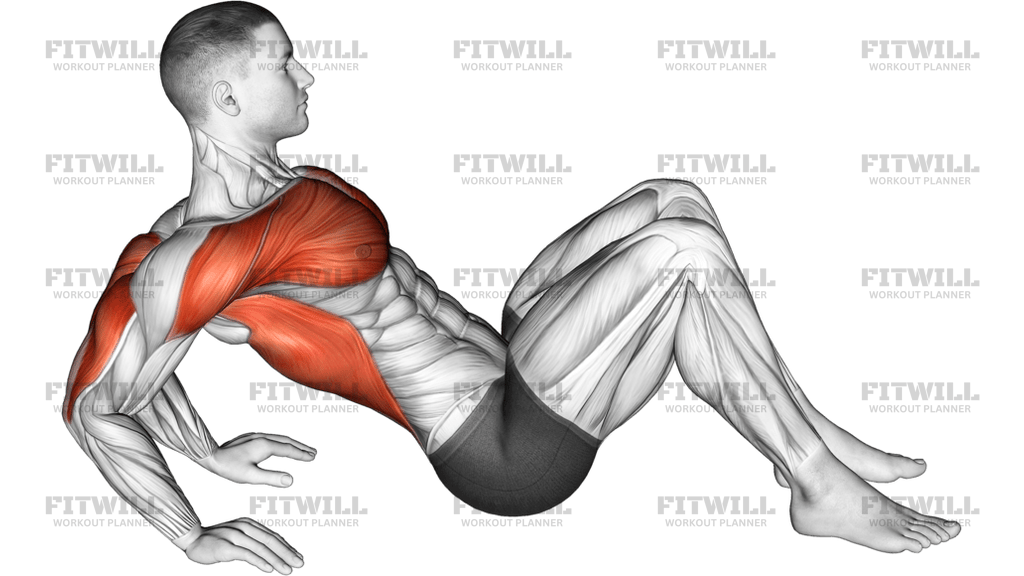
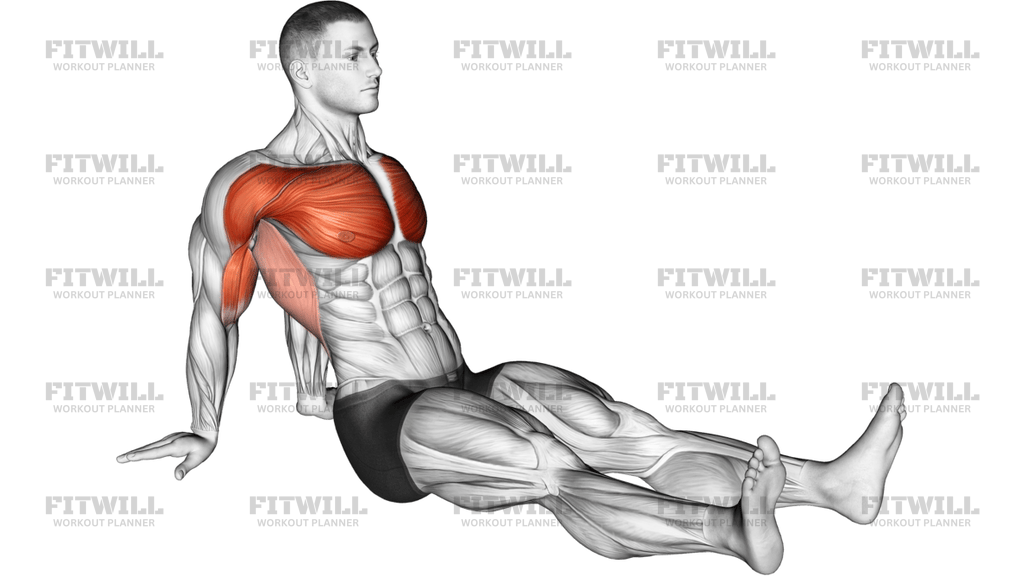
Seated Shoulder Flexor Depressor Retractor Stretch is a floor-based mobility stretch that opens the front of the shoulders while teaching you to keep the shoulder blades pulled down and back. In the image, you sit with both legs extended, place your hands on the floor behind your hips, and lean the torso slightly back so the chest can lift without the neck collapsing forward. The stretch is created by shoulder extension and scapular retraction, not by forcing the spine into a big backbend.
This position is useful when the front of the shoulders, upper chest, or biceps feel tight from pressing, overhead work, front-rack positions, or long hours sitting. The most noticeable tension should sit across the deltoids and the front of the shoulder capsule, with support from the upper back and arms as they stabilize the hold. Because the hands are behind the body, the exact hand angle matters: a small adjustment in finger direction can change whether the stretch feels open and controlled or pinchy and unstable.
A good repetition starts by setting the hands just behind the hips, grounding the palms, and stacking the chest over a long spine before you shift any weight. From there, press the floor away lightly, draw the shoulders down, and let the chest rise while the elbows stay mostly straight. The pelvis should stay anchored to the mat or floor so the movement comes from the shoulder girdle instead of sliding into the low back.
Breathing is part of the stretch. Inhale to lengthen the torso, then exhale to let the shoulder blades settle and the front of the shoulders soften. Stay in a mild to moderate stretch, not a sharp pinch, and back off if the wrists, elbows, or front of the shoulder joint complain. The goal is a repeatable opening that improves posture and shoulder comfort, not the deepest possible position.
Use this stretch in warmups, recovery blocks, or after pressing and pulling sessions when you want to restore shoulder extension and retraction control. It works well for beginners because the load is just body weight, but the setup still needs precision. Clean positioning, calm breathing, and a pain-free range matter more here than duration or intensity.
[ Workout Log & Planner ]
Put your next workout in Fitwill
Keep your plan and training log ready when you are.


Instructions
- Sit on the mat with both legs extended in front of you and place your hands on the floor just behind your hips, palms down.
- Keep your fingers turned slightly out or back if that feels better on the wrists, and set your hands far enough behind you to support your torso.
- Lift through the chest, keep the neck long, and avoid letting the shoulders roll forward before you start the stretch.
- Press the palms lightly into the floor and shift the shoulders down and back so the shoulder blades begin to retract and depress.
- Lean the torso back only as far as you can keep the chest open and the lower back comfortable.
- Keep the elbows mostly straight with a soft bend if needed, and hold the top position without shrugging.
- Breathe into the stretch for a steady hold, letting the front of the shoulders and upper chest open on each exhale.
- Ease out of the stretch slowly, then reset the hands and torso before repeating.
Tips & Tricks
- If the wrists feel irritated, turn the hands slightly farther out or place them on push-up handles or yoga blocks.
- Keep the sternum lifting as the shoulders move back; if the chest drops, the stretch turns into a slump instead of a clean shoulder opener.
- Do not let the shoulders drift up toward the ears. The useful part of the stretch comes from depression and retraction, not shrugging.
- A small bend in the elbows is fine, but locking the elbows hard can make the front of the shoulders and wrists feel harsher.
- Keep both sitting bones heavy on the mat so the torso does not cheat by swinging weight into the hands.
- If the stretch pinches in the front of the shoulder, bring the hands a little closer to the hips and reduce the lean-back angle.
- Use calm exhales to help the shoulder blades settle; forcing the position with breath-holding usually makes the neck tense up.
- Stop short of any numbness, sharp pain, or joint clicking that feels unstable rather than just stretchy.
Frequently Asked Questions
What muscle does Seated Shoulder Flexor Depresor Retractor Stretch target most?
It mainly stretches the front of the shoulders, especially the deltoids, while also opening the upper chest and supporting shoulder girdle muscles.
Can beginners perform this exercise?
Yes. It is beginner-friendly because it uses body weight, but the hand placement and lean angle still need to stay comfortable.
Where should I feel the stretch?
You should feel it across the front of the shoulders and upper chest, with the upper back helping hold the position.
What is the most common setup mistake?
Placing the hands too close to the hips or shrugging the shoulders usually makes the position feel cramped instead of open.
How long should I hold the stretch?
Hold long enough to breathe through the position and let the shoulders relax, then repeat after a short reset.
Why do my wrists feel this stretch?
Because the palms are behind the body, wrist angle matters. Rotate the hands slightly or reduce how far back they sit if the wrists complain.
Is this more of a chest stretch or a shoulder stretch?
It is primarily a shoulder stretch, but the chest and biceps often lengthen along with it.
What should I change if the stretch feels too intense?
Bring the hands closer to the hips, reduce the backward lean, and keep the chest tall instead of forcing a bigger range.